Sports
What Is Hedging in Sports Betting? Compare Every Outcome

 Add Gaming.net to your preferred sources on Google
Key PointsHedging adds a second position that reshapes the outcomes of a wager already placed.
View more
- Hedging adds a second position that reshapes the outcomes of a wager already placed.
- An outcome table makes the price of a hedge visible by showing original and hedge stakes together.
- Cash-out offers deserve the same scrutiny as hedges because operators may revise them before acceptance.
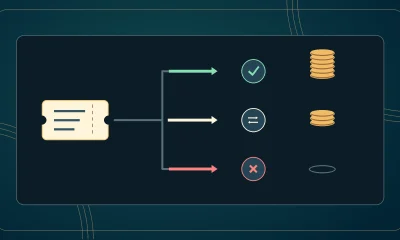
Hedging adds a second position to change the outcomes of a wager already in place. A hedge can reduce the worst loss, preserve part of a potential profit or target the same return across outcomes. The price paid for that change is visible when the original and hedge stakes appear together in an outcome table.
Calculate the combined results
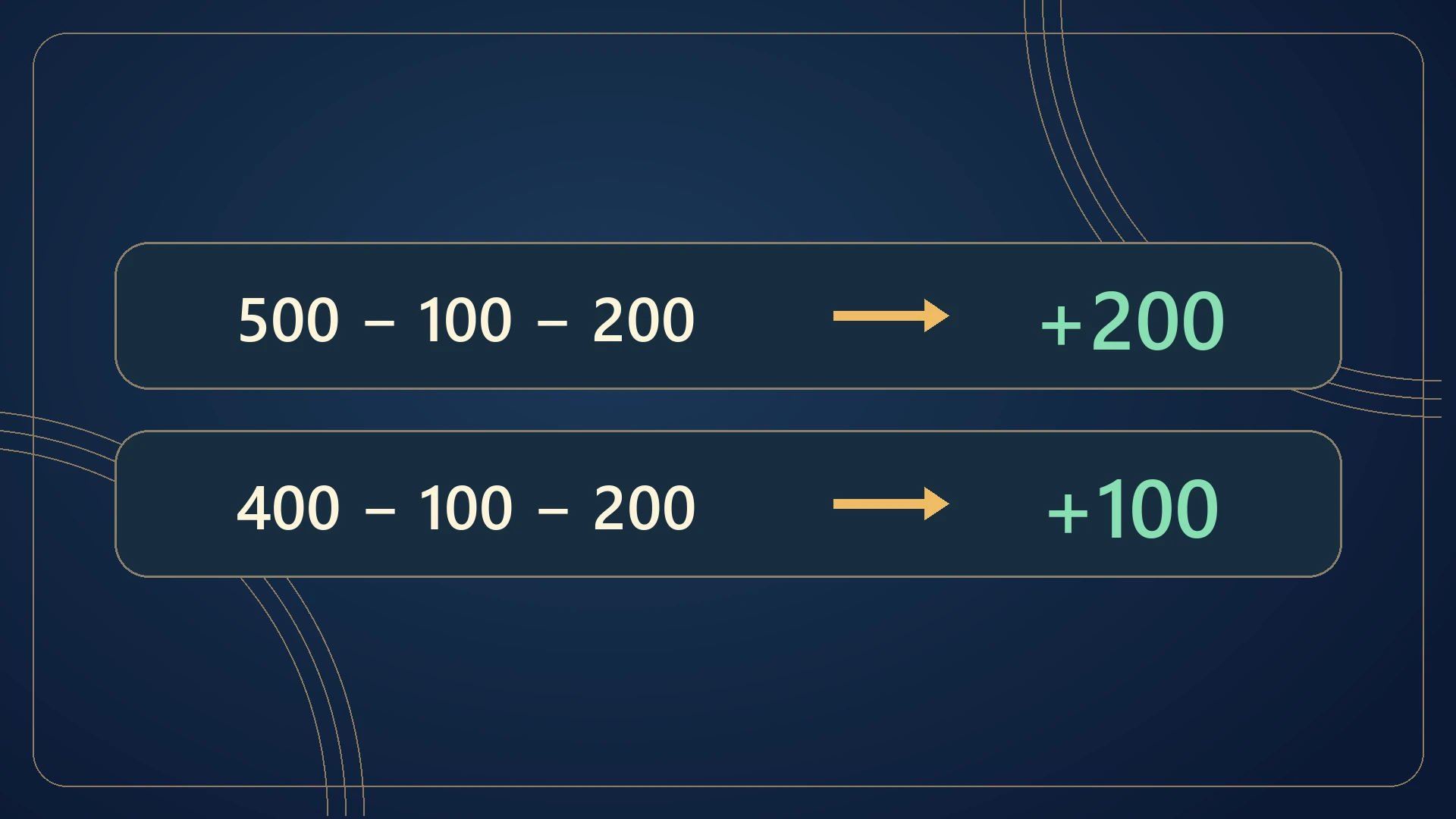
Suppose 100 on A at 5.00 will return 500 if A wins. The only other outcome is B, offered at 2.00. A 200 stake on B would return 400 if B wins. Total stake after the hedge is 300.
| Outcome | Original return | Hedge return | Net after 300 staked |
|---|---|---|---|
| A wins | 500 | 0 | +200 |
| B wins | 0 | 400 | +100 |
If the goal were equal gross returns with those same prices, the hedge stake would be 500 ÷ 2.00 = 250. Either winner would return 500, or +150 net after deducting total stake of 350. Add fees and any amount still at risk before comparing.
Compare a cash-out on the same basis
A cash-out of 270 on the original 100-unit ticket would fix a net +170 in this example. Confirm the amount, that it includes any returned stake and whether the action closes the whole position. The operator may suspend or revise the offer before acceptance. Compare the available quote with the net after any proposed hedge and with the original exposure if left open.
Identify mismatched outcomes
Two teams can cover all outcomes in a two-way final, but a regulation draw may be separate. When hedges use sides or totals at different lines, test the full middle range. In some combinations both tickets win there, and in others both lose. Read the published settlement rules for postponements and voids, and check exchange liability if the hedge uses a lay order.