India Guide
How to Play Andar Bahar: The Matching Card and First-Side Odds

 Add Gaming.net to your preferred sources on Google
Key PointsThe side dealt first holds a structural advantage because it receives the earlier…
View more
- The side dealt first holds a structural advantage because it receives the earlier odd-numbered positions.
- A higher chance of winning can be cancelled out by a lower payout on that side.
- Side wagers carry their own odds and payouts and should be judged separately from the main bet.
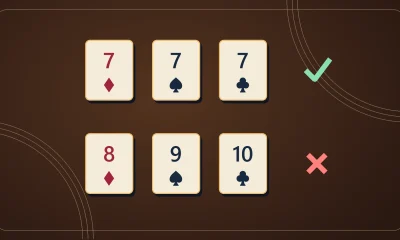
Andar Bahar is a card-matching game with two sides. The dealer reveals a marker card and deals the remaining cards alternately to the two sides. The side that receives the first card of the same rank wins. The name of the side that deals first, and what it pays, depend on the version.
Follow a round from the marker card
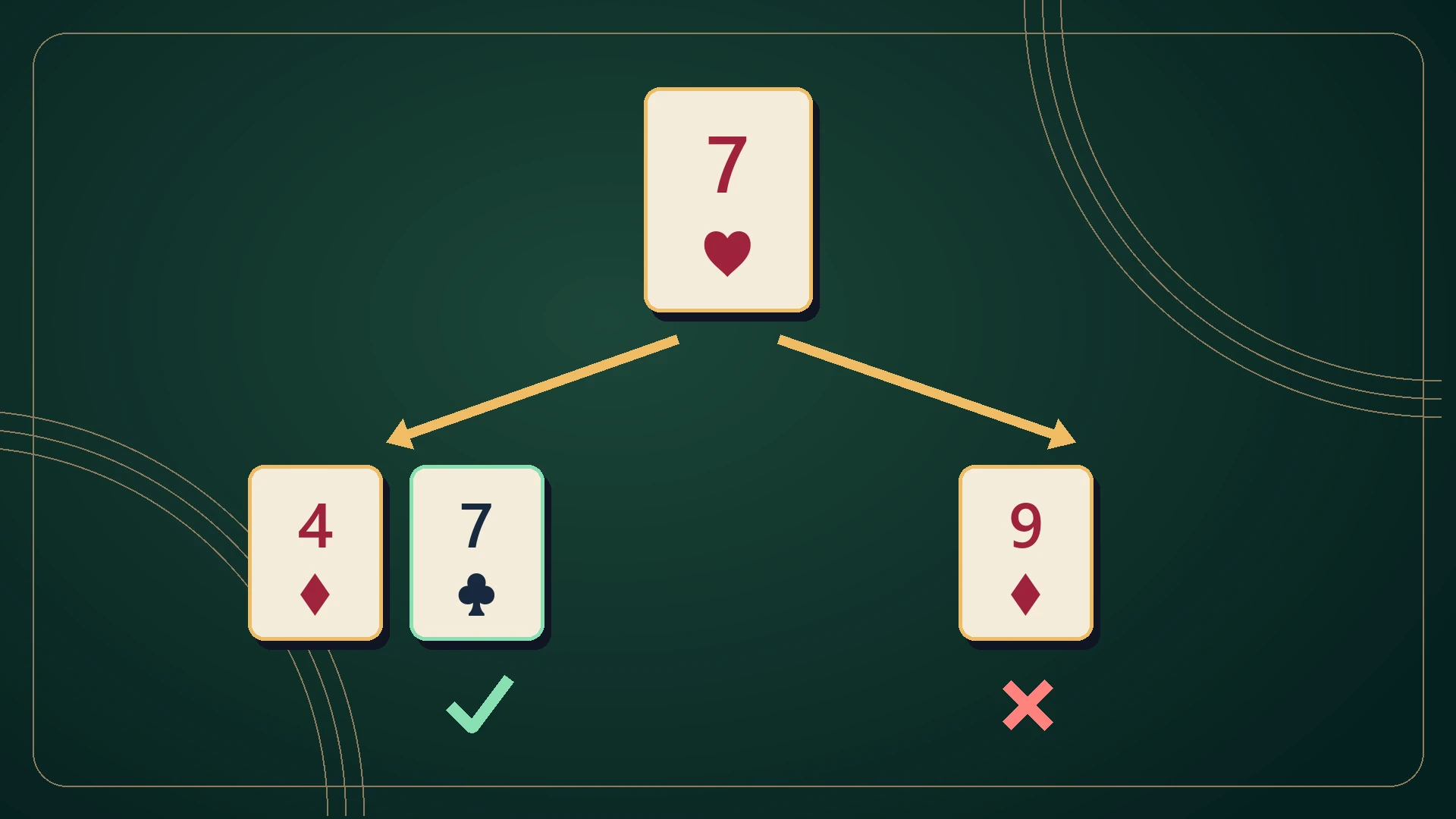
Suppose the marker is the seven of hearts. The dealer places a four on the first side and a nine on the second. When the first side then receives the seven of clubs, the round ends. The rank matches even though the suits are different. The marker is often called the joker, but in this format it is an ordinary card drawn from the deck.
Understand why dealing order matters
After the marker is removed from a standard 52-card deck, there are three matching cards among 51 remaining. If the first side receives odd-numbered deal positions and the second receives even-numbered positions, the first side wins about 51.50% of the time in that model. The other side wins about 48.50%. That comes from counting the ways the earliest of the three matching cards can appear in an odd or even position. It does not depend on the marker rank itself.
Compare the payout with the correct side
Some versions deal to Andar first. Other rules may give the first card to Bahar or use a marker condition to choose the starting side. A higher win probability can be offset by a lower payout. Read how much the winning side returns including the stake, which pile starts, and whether a separate betting round is offered. A price from a different variant is not a sound basis for calculating this table’s edge.
Treat side bets as separate wagers
A side wager might ask how many cards are dealt before the match or whether a particular pattern appears. It has its own payout and chance of winning. A large listed prize can correspond to a rare outcome. The previous round does not establish which side will win the next independently shuffled round. Check the specific rules before comparing versions or deciding how much you can risk.