Sports
Point Spread Betting: Covers, Pushes, and Asian Handicaps

 Add Gaming.net to your preferred sources on Google
Key PointsA half-point handicap removes the push outcome that a whole-number spread allows.
View more
- A half-point handicap removes the push outcome that a whole-number spread allows.
- Asian handicaps split the stake across adjacent lines so settlement has multiple outcomes.
- Track the accepted line and price separately because a better price can hide a harder line.
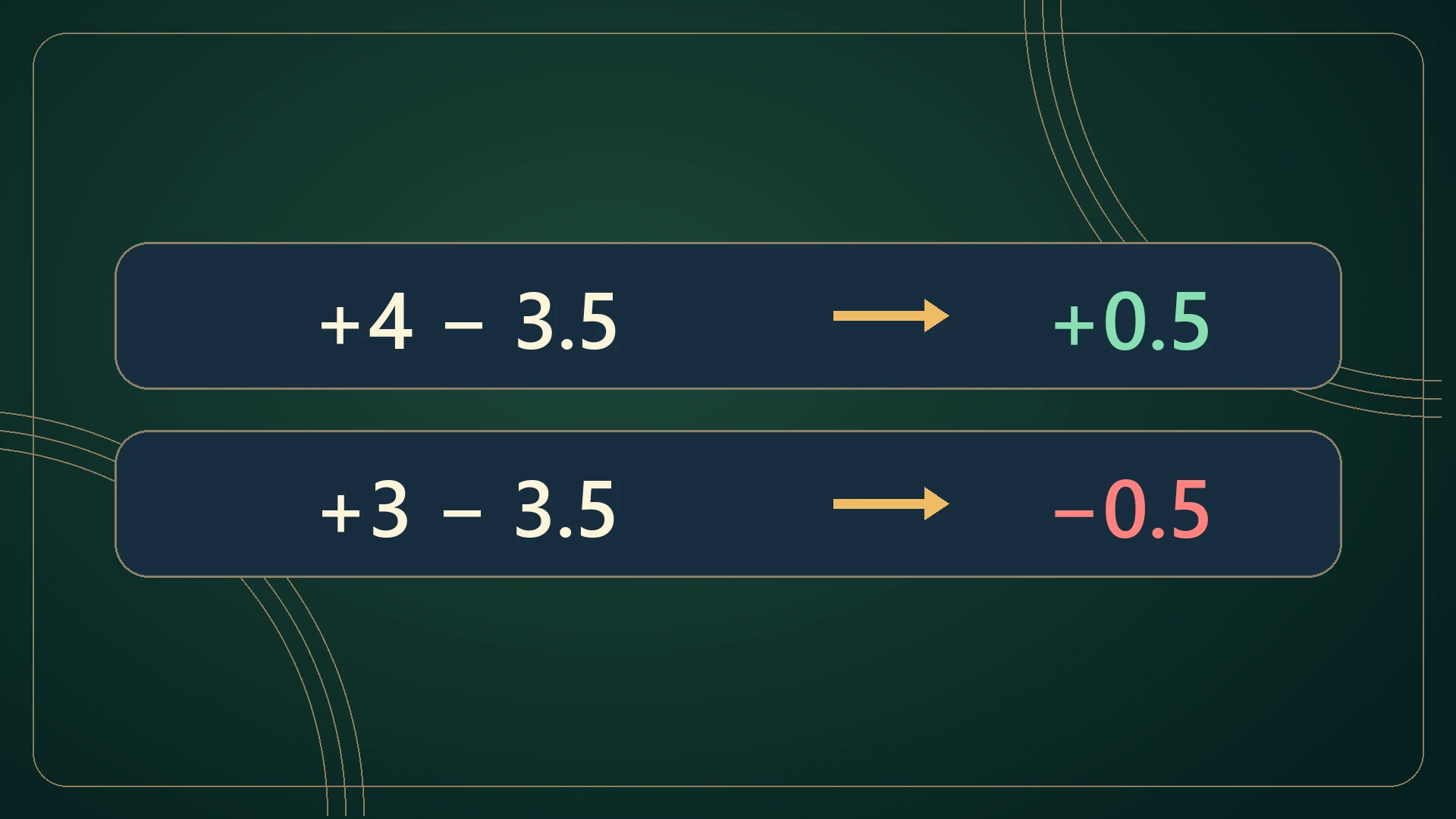
A point spread applies a handicap to the score for settlement. A team at −3.5 must win by at least four to cover. Its opponent at +3.5 can cover by winning or losing by three or fewer. The spread is the condition and the odds are what the ticket pays when that condition is met.
Work through the winning margin
| Favorite’s margin | Favorite −3.5 | Favorite −3 |
|---|---|---|
| Wins by 4 | Win | Win |
| Wins by 3 | Loss | Push under standard two-way settlement |
| Wins by 2 | Loss | Loss |
A half point prevents a push in an integer-scored market. It can be valuable when final margins cluster near the line. The NFL scoring rules explain why three and seven are relevant margins. The price still matters. Compare −3 at one quote with −3.5 at another by valuing the exact three-point outcome and the different payouts.
Know which handicap product you are reading
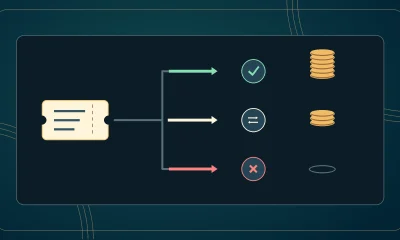
A two-way whole-number handicap commonly pushes at the adjusted tie. A three-way European handicap may offer that tie as its own selection. A quarter-goal Asian handicap divides the stake across two adjacent lines. For example, −0.25 splits it across 0 and −0.5. An actual draw pushes the 0 half and loses the −0.5 half. A market with a tiered payout has to be compared on all its settlement outcomes.
Check the quote on the same event window
Confirm whether the market uses regulation, the final result after overtime or a shorter segment. Buying an alternate line buys a different win, loss and push profile. Treat it as a separate price rather than a free increase in the chance to win. Compare with the moneyline guide for outright results and the teaser guide for point adjustments on multi-leg tickets.
Record spread and price separately
Keep the accepted line, odds, market period and opposing shop quotes if you track performance. A better headline price can come with a harder line. The closing-line guide explains why the two components must stay distinct in a comparison.