Best Of
10 Best Games Like Don’t Starve
Find ten games like Don’t Starve, from cooperative wilderness survival to unsettling solo stories, with clear PC play options and spoiler-free advice.

 Add Gaming.net to your preferred sources on Google
Don’t Starve makes a simple plan vulnerable to a dozen small problems. Food spoils, night arrives and the useful-looking thing beyond the camp may be less helpful than it first appeared. Learning the world is as important as collecting it.
These alternatives preserve different parts of that pleasure: careful preparation, unusual atmosphere or a home that slowly becomes dependable. The PC play details distinguish solitary survival from games where friends can share the work.
Looking for somewhere to start?
- Don’t Starve Together for the direct cooperative alternative.
- The Long Dark for a quieter test of survival knowledge.
- Core Keeper for a shared base with steady exploration progress.
10. The Survivalists
Best for organizing an island camp with useful helpers · PC · Solo or online co-op for up to four
Teaching a monkey to repeat a useful task in The Survivalists can free you to concentrate on the next expedition. The camp gradually becomes more than one survivor trying to gather everything alone.
Crafting, building and exploration connect the island survival loop. Temples and other discoveries provide objectives beyond maintaining the basic supplies, while the helpers make routine work easier to organize.
Pick it for Don’t Starve’s resource loop with a brighter island setting and an emphasis on delegation. Friends can join online, but the trained monkeys remain a distinctive part of making the camp function. The appeal is developing useful routines rather than surviving by improvisation forever.
9. Grounded
Best for treating the backyard as a place to learn · PC · Solo or online co-op for up to four
Grounded gives a familiar food wrapper or plant a new role when your character is smaller than the creatures around it. Learning where useful resources lie gradually turns the yard into a navigable survival space.
Construction, meals and equipment support a story about reversing the shrinking. Different insects create different combat problems, so stronger gear helps without replacing observation.
This is a cooperative option for players who liked Don’t Starve’s mixture of curiosity and vulnerability. The premise is lighter, and the world has a more directed mystery. Up to four people can cooperate online; the PC campaign is not a local split-screen game.
8. Valheim
Best for making food and shelter support a Norse expedition · PC · Solo or online co-op for up to ten
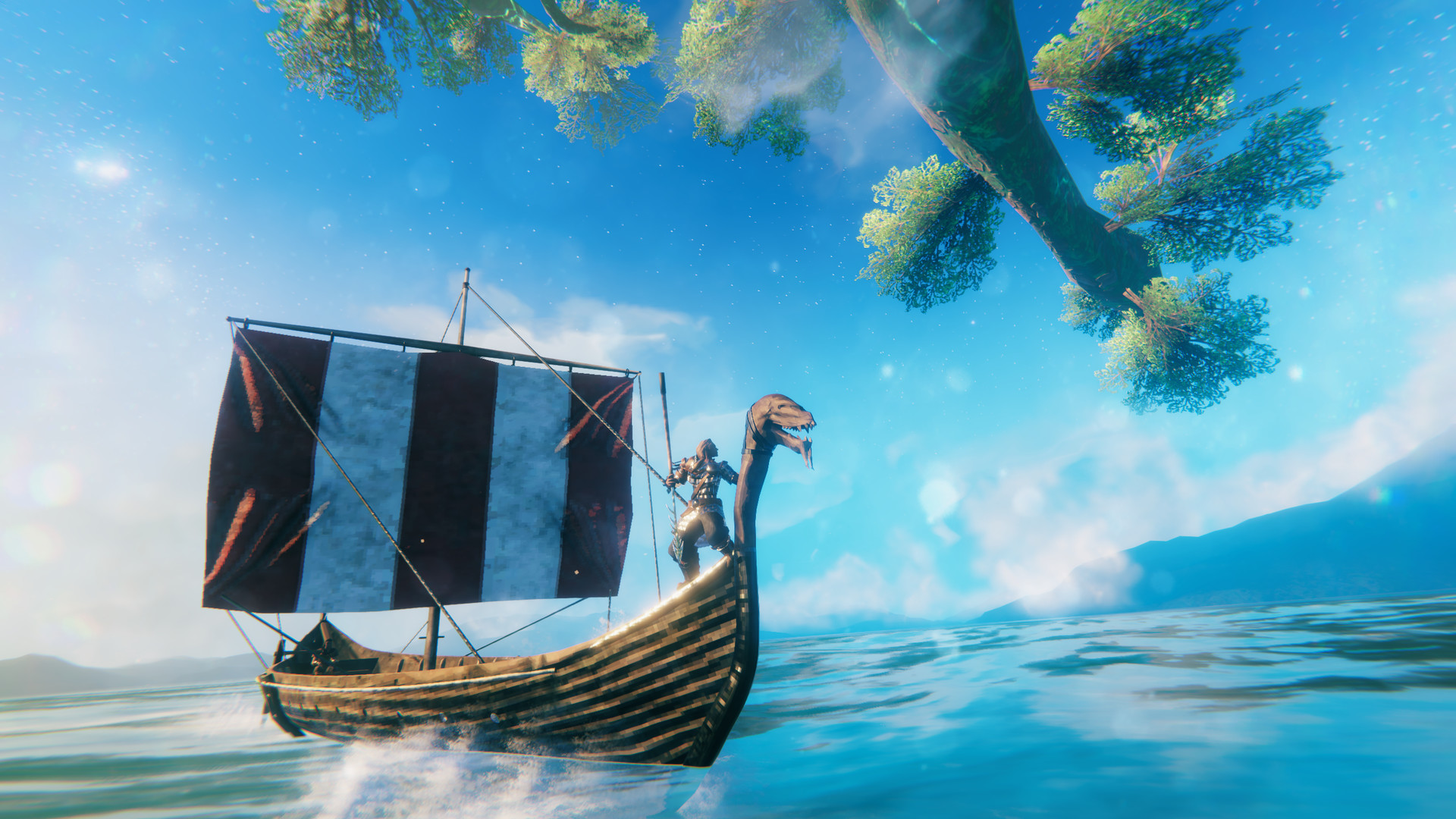
Cooking a better meal in Valheim changes what your character can safely attempt. Food supports health and stamina, making the kitchen as relevant to a boss plan as the forge.
The procedurally generated world introduces new resources through exploration. Building, sailing and equipment progression turn a small homestead into support for increasingly ambitious journeys.
It suits players who enjoy Don’t Starve’s preparation but want more direct combat and architectural freedom. Food works differently from a conventional starvation meter: its bonuses are the central reason to keep eating well. Friends can share an online world and divide the practical work.
7. Core Keeper
Best for making an underground home steadily more capable · PC · Solo or online co-op for up to eight
A farm beside the Core in Core Keeper turns an exploration break into preparation. Growing ingredients and improving the workshop make the next tunnel less dependent on lucky finds.
New biomes provide materials, enemies and bosses that push crafting forward. Skills develop through activity, giving a specialist cook or miner a useful place beside a more combat-focused player.
It is a gentler change of rhythm for Don’t Starve fans who like a shared base and visible progression. Survival needs remain part of the routine, but discovery and equipment tiers pull the group onward. Eight-player online support leaves room for a larger camp.
6. Project Zomboid
Best for building a routine inside an ongoing outbreak · PC · Solo or online multiplayer; local split-screen available
A stocked kitchen in Project Zomboid can become the foundation of a sensible survival plan. Then the next water shortage or injury reminds you that the plan has more dependencies than it seemed.
Detailed needs, skills and equipment make ordinary jobs matter. Securing a place, finding supplies and understanding the neighborhood provide progress even when the game never promises a heroic cure.
Try it for Don’t Starve’s appetite for practical learning in a more grounded zombie setting. Its complexity rewards patience rather than treating every first attempt as a complete campaign. Solo, online and local split-screen options provide different ways to share the inevitable mistakes.
5. Darkwood
Best for preparing a hideout for what arrives at night · PC · Single-player
Barricading a window in Darkwood is useful only if you have also thought about how to move through the room. The hideout becomes a nightly test of supplies, layout and nerve.
During daylight, you explore the forest for materials and clues. The overhead view and restricted vision make sound and awareness important, while crafting supports survival without turning the mystery into a conventional power climb.
It is a strong fit for Don’t Starve players who liked an unfriendly world with rules to learn. The atmosphere is much harsher and more disturbing. Exploration has purpose, but being prepared enough to survive the next night remains a meaningful goal on its own.
4. This War of Mine
Best for managing a household under siege · PC · Single-player
A useful scavenging trip in This War of Mine can leave the household with a difficult question about how those supplies were obtained. You guide civilians trying to survive a siege, not soldiers equipped to win it.
Days go toward shelter, crafting and people’s needs; nights offer dangerous opportunities to search for resources. Illness, morale and limited food make every improvement compete with an immediate problem.
This is the heavier recommendation for players interested in scarcity and consequence. It shares Don’t Starve’s need to make a little go further, but its human subject matter changes the tone completely. A better workshop cannot make every decision morally comfortable.
3. The Long Dark
Best for surviving through observation rather than constant expansion · PC · Single-player
A clear morning in The Long Dark is an opportunity to move supplies before conditions deteriorate. The Canadian wilderness rewards knowing when to travel and when a sheltered day is the wiser achievement.
Fire, clothing condition, fatigue and calories interact across every outing. Survival Mode provides an open-ended challenge, while WINTERMUTE is the story component and is not included in the standalone Survival Edition.
It fits players who liked Don’t Starve’s learning process more than its supernatural creatures. Progress comes through knowledge and a reliable routine rather than a large technology tree. Even a familiar path can demand a different decision when the weather changes.
2. The Flame in the Flood
Best for carrying a survival kit downriver · PC · Single-player
Stopping at another landing in The Flame in the Flood means deciding whether the supplies justify the risk. Scout and her dog travel a flooded American landscape by raft, with the river controlling which opportunities come next.
Food, clothing and crafted equipment support the journey. The raft also needs attention, so resources must serve both the traveler and the means of travel.
Choose it for Don’t Starve’s pressure to make useful things from limited finds. The changing river replaces a permanent camp with a more mobile survival story. Its illustrated presentation is inviting, but exposure and injury still make careless exploration costly.
1. Don’t Starve Together
Best for learning the Constant alongside friends · PC · Solo or online co-op
A friend can gather fuel while you find food in Don’t Starve Together, but splitting the work does not remove the need for a plan. The Constant still expects everyone to understand darkness, seasons and the creatures nearby.
Characters bring different strengths and complications. A shared base and recurring threats give the group reasons to coordinate, while the multiplayer game has its own content and systems beyond the original solo release.
This is the obvious first stop if you want more Don’t Starve with other people involved. It is a separate game rather than a simple multiplayer switch inside the original. Solo play is possible, though managing a world together is its defining attraction.
Which should you play next?
Don’t Starve Together is the clear choice for bringing friends. The Long Dark makes preparation more grounded, while Core Keeper gives the shared home a different underground setting.
For console survival choices, see Best Survival Games on PS5. Our Best Games Like The Planet Crafter guide explores worlds where a productive base supports a larger transformation.