-
Psychology
The Dopamine Effect: How Winning Affects Our Brains
Dopamine is the hormone of pleasure and a familiar feeling to gamblers who are on a winning high. Our brain... -
Psychology
The Thrill of Risk: Why We Love to Gamble
The thrill of risk taking is not something exclusive to gambling. It is a driving force behind a lot of what... -
Psychology
The Allure of the Jackpot: The Psychology of Big Wins
Jackpots are surprisingly extremely divisive in gambling circles. Some players avoid them entirely, as the... -
Science
The Illusion of Control: How Gamblers Misinterpret Randomness
No strategy or level of skill can guarantee wins in casino games. Even the most proficient gamblers have...

Science
Gambling Addiction: The Brain Chemistry of Compulsive Betting


Gambling addiction is an uncomfortable subject to some and it often has dire consequences. No one starts as an addict, and only a small percentile of players become addicts. We can treat gambling addiction, but like any other addiction, first, we have to find the root of the problem.
The nature of the games prompts responses from our rewards system, and we love the feeling of overcoming risk and winning. For many, these types of games are used recreationally, with the possibility to make a little money every now and again. However, it is possible to abuse these rewarding feelings and end up chasing the dopamine hit regardless of what happens. Here, we will look at the chemistry behind the highs and lows of gambling, and how players can become obsessive, which can lead towards pathological gambling.
Why We Enjoy Gambling and Risks
Gambling is appealing because it can trigger our brains to release dopamine. When we place a bet and risk our money, a sense of excitement is created. It can induce stress as well, as we don’t know whether we will win or lose, but we also get a dopamine kick in anticipation of a win. With a win, the stress immediately blows over and is replaced by joy and exhilaration. And we may want to put ourselves to the test again, to keep going and see where it will lead.
For the most part, it is quite an exhilarating experience and doesn’t do any harm. Most players will get tired after a while, or run out of funds, and then call it a day. Some may set up goals and incentives for their gameplay, and only quit when they have hit specific milestones. But after spending more time gaming, your mind can play tricks on you, and the way you process wins and losses can change. And that is what misleads the demographic who are vulnerable to addiction.
The Impact of Near Misses, Frequencies and Variance in Rewards
Near misses are quite a complex phenomenon, as ultimately they are losses, yet they can trigger a positive reaction. If you are playing a game of slots and just miss out on triggering the bonus round, you may feel encouraged to go again. Or, when you come close to hitting the jackpot, and then feel compelled to have another go.
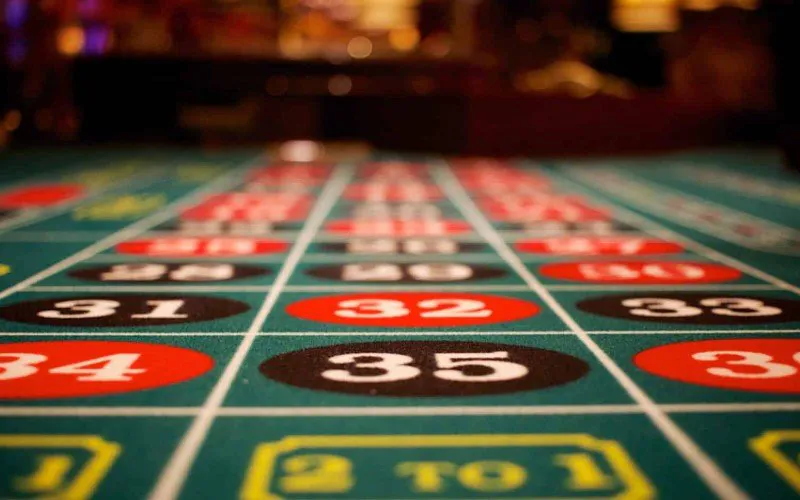
Near misses in slots are common, but they are not the only games where you can miss the target by a hairline. You can bet it all on 12 Red on a French roulette wheel, and if the ball lands on 28 Black or 35 Black, just next to it, you may also feel the dopamine rush. Lottery players, scratchcard games, bingo, video poker, and countless other casino games have similar types of near misses.
When you are all warmed up and well into your gaming, your reactions to wins and losses will also change. The wins may not rack up the same sensations as the first few. You have adjusted to this rush, and now seek bigger thrills such as a winning streak, or a string of big wins. We may feel loss aversion, in which the joy of the win doesn’t outweigh the remorse of a loss. It is because frequent gambling, or gambling for longer periods of time, can alter our dopamine regulation.
In other words, it is harder to get the same rush of joy as you had in the beginning. Some players will keep at it until they reach the highs they want, and this, is what can lead to gambling addiction.
Chemistry of Gambling Sensations
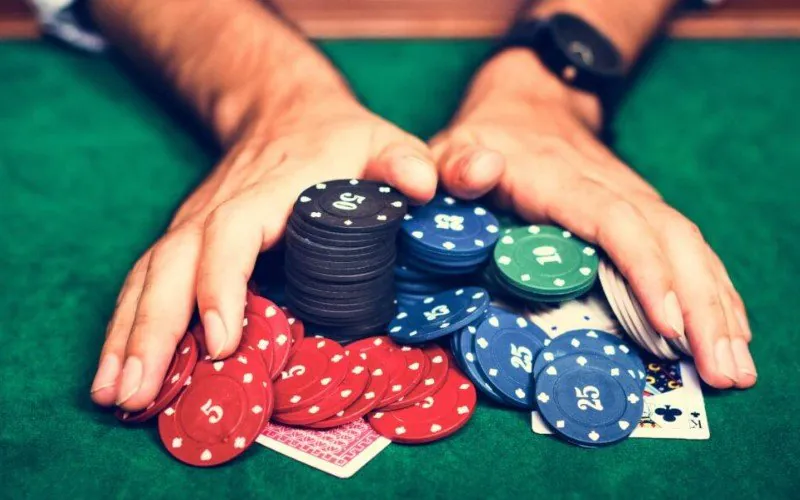
Dopamine makes us feel good and rewards us for taking risks. It is one of the reasons why we like gambling and the hormone that can bring the winner’s high. Your body also releases cortisol, the stress hormone, in response to taking risks and losing money. When you lose more, the stress can build up, which prompts loss aversion. Another key neurotransmitter is serotonin, a hormone that can create happiness, influence learning, and help control impulses.
Serotonin is necessary for people to control their impulses and desire for excitement. When you have a high level of serotonin, you will feel a sense of control and better judgment. Lower serotonin activity can make it more difficult to quit, as you second guess yourself and build high levels of anxiety. Your serotonin levels can be enhanced through exercise, a good diet and getting enough outdoor sunlight. Stress and nutritional deficiencies can lower your serotonin levels, and make you more vulnerable. Low serotonin can also be a genetic condition that some people are born with.
Gambling can only bring down your serotonin levels, by creating stress in your body. People with healthy levels of the neurotransmitter are safer from addiction than those who have low serotonin activity.
Who Is More At Risk of Gambling Addiction
Never gamble while you are intoxicated or feeling depressed or anxious. In these scenarios, you are at a greater risk of falling prey to psychological traps and cognitive biases. If a person gambles while they feel down, they may do so because they want to hit the dopamine rush. The idea is that they just want a taste of that winner’s high and it may help ease them of their anxiety. Gambling can be relaxing, but shouldn’t be used to escape negative feelings or handling depression.
Players who seek casino games to solve anxiety can end up losing tremendous sums of money. These games can alter your dopamine and cortisol levels within seconds, and it is extremely dangerous to play them if you are not feeling fully focused. In some cases, this type of reliance on gambling resembles neurological patterns in drug and alcohol dependence.
Impulse Control and Pathological Gambling
You don’t just need to be in the right mind to play casino games. You must also be prepared to make the right decision, even if it means accepting losses. Controlling impulses is something that all addicts struggle with. They find it much more difficult to say no to things, even when they know they are addicted or have a problem with them.
Even the recreational player must have some boundaries when it comes to controlling their impulses. They should know when enough is enough, and to either accept their losses or quit while they are ahead. Pathological gamblers are gamers who just don’t know when to quit. They will take their gaming to an excess, and find it difficult to stop once they have gotten started. Pathological gamblers will continue playing even if they lose huge sums of money. It is not because they don’t understand the consequences. For most, it is borne out of a sunk cost fallacy that they must keep going until they make it all back. Otherwise, it can also be a form of escapism to create an artificial rush of dopamine.
How Addicts Can Break the Cycle
Some addicts must kick the habit entirely, whereas others can use tools to moderate it. Fortunately, there are plenty of gambling addiction awareness organisations that have lots of good counsel. It is good practice to fill in self-assessment forms to see whether you are in any risk. These are simple to fill out and only take a couple of minutes. They are completely anonymous and, based on your answers, it is a perfect tool for self-reflection.
Or, you can reach out to a hotline or contact the customer support channel of your chosen casino or a gambling help organisation. You should be able to get a few insights into how you can play smarter and avoid getting too hooked on your games.
Players are highly encouraged to set spending limits on their gaming. At most licensed online casinos, you will be asked to set deposit limits as part of your registration. These tools help you avoid overspending, and also encourage you to create a solid bankroll management plan.
If you feel like you have had enough and need an extended break from your games, you can always self-exclude. This is a tool that locks your account for a specific amount of time. You can request to withdraw beforehand and then lock your account. You can also self-exclude for good, in which case your account will be deactivated and you won’t be able to create a new account at the casino.
Gambling Responsibly
Ultimately, the best way to enjoy your gaming is by accepting the fact that they are random and wins are not guaranteed. The money that you transfer into your gaming account is not invested money. It is money that you will spend on gaming, and you might lose it all.
Play for the fun of the games, and if you don’t have any money to spend, you can always try them out for free. If you get tired or start to feel the influence of some cognitive biases, it is best to take a break. You can always continue the gaming session later if you want to.




