News
Record US Government Shutdown Weighs Heavy on Land Casinos

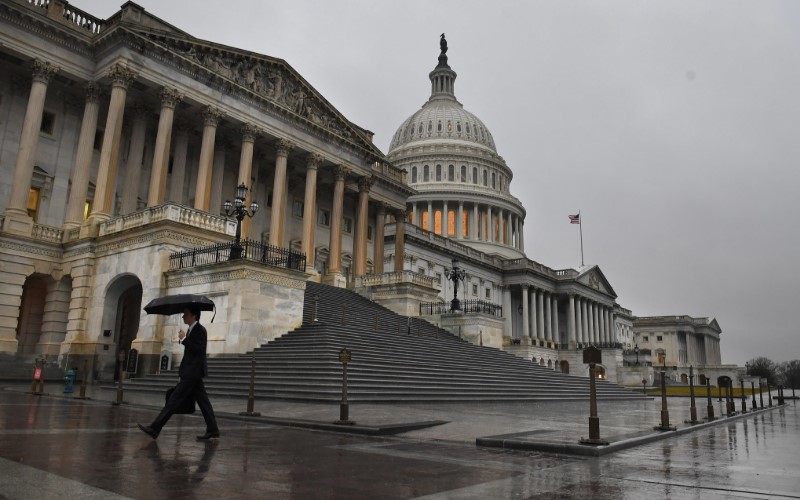
The US federal government shutdown which has now surpassed 35 days, doesn’t just impact civil services, air traffic control and the wider US economy, the US casino industry is also worried about the fallout now. Around 900,000 federal employees are furloughed, and roughly 2 million are working without pay. The US travel and hospitality industries are beginning to feel the pinch too, and it could hit tribal casinos and landbased casino resorts in a big way.
The big gambling hotspots like Vegas are potentially looking at billions in losses as tourism wanes in the US. Native tribes operating landbased casinos, which they are very much economically dependent on, would normally be preparing for Thanksgiving, the busiest travelling season of the year. If things do not pick up from here, it could mean further furloughs and possibly even some venues closing up shop for the foreseeable future.
Longest US Government Shutdown in History
The US government shutdown began on October 1st, after Congress could not agree on a bill funding government services past the first of October – when the previous federal budget had expired. It has now surpassed 36 days, making it the longest shutdown in the history of the US, longer than the previous record set in 2018-19. There have been 14 voting sessions to end the shutdown, but all of them have failed due to failed Democrat support on the changes proposed by the Republican controlled House of Representatives.
Shortly put, this shutdown will keep on going until either a compromise is made or either side of Congress buckles. In the meantime, over 2 million American federal workers have gone without pay, and 900,000 have been furloughed. The Congressional Budget Office reckons that the shutdown could trim 1-2 percentage points off the Q4 GDP. In monetary terms, that is around $7 to $14 billion in losses.
Those losses hit all sectors; it doesn’t just stop at civil services or federally supported individuals and companies. Landbased US casinos are not in the direct line of fire here, but the damages and losses have already trickled down to them, too.
Travel and Tourism Sectors Hit By Shutdown
On the third of November, the US Travel Association sent a letter to Congress, backed by nearly 500 organizations, urging the leadership to reopen the government in time for Thanksgiving. The letter was co-signed by some big licensed iGaming operators in the country, including Caesars Entertainment and MGM Resorts.
On the 8th of October, just a week after the government was shut down, the institution calculated that the travel sector is losing around $1 billion every week while the shutdown persists. That was over 4 weeks ago. The problem here is not just the furloughed workers and fed relief funds being cut. It is that:
- Airports are reducing flights
- Entire control towers go dark
- Lines for air travel are longer
- Flight delays are increasing
Less Travel Hurts Landbased Casinos
And, in meantime, domestic consumer spending is also taking a hit. People have to be wary of the short and long-run impacts of this shutdown. So, the last thing you would want to do now is book a weekend away at a casino resort, or go to a getaway tribal casino hotel for a luxury vacation.
Travel makes visitor volume to casino resorts higher, and with a drop in occupancy, it threatens the daily hotel rates, staff, and the services themselves. Landbased casinos may have to axe their planned events or any kind of themed parties and marketing ploys to drive engagement. These will all most likely be scrapped if the casinos can’t attract guests. They may also have to sacrifice luxuries like personalized hosts, VIP experiences and programs, dining perks, and other gaming services to compensate for the cutbacks.
Las Vegas Casinos Already Freezing Up
Las Vegas, the mecca of gambling in the US, has had a pretty dismal 2025, and in September, the Nevada Gaming Control Board logged a gross gaming revenue of $1.28 billion. That is, a 2.2% decrease from September 2024, and the Las Vegas Convention and Visitors Authority recorded a 30.9 million visitor volume – down 9% from the previous year. Las Vegas Strip casinos are scaling back on their operations in anticipation of travel slowdowns, but it doesn’t stop the fact that we are now closing in on the busiest period of the year, November.
Vegas will also host the Formula One Las Vegas Grand Prix on November 23rd, four days before Thanksgiving, which should bring in more international guests. But if we trace back a little, to the air traffic control woes, the Harry Reid International Airport (20 minutes by car from Downtown Vegas/Fremont Street), has also been severely affected. International arrivals to the airport were 13% down from last year in September. In short, even the largest Las Vegas casinos are not immune to the impacts of reduced travel and air traffic in the US. For the tribal casinos, there is a lot more on the line than just a poor Q4.
Vital Lifeline for Tribal Casinos
The tribal casinos in America are not actually regulated by the state. They are given autonomy by the Indian Gaming Regulatory Act of 1988, that means they are fully independent from state casino laws, and are governed by the National Indian Gaming Commission. There are over 200 tribes across the US that run 500+ tribal casinos.
- Arizona: 15+ tribes, 25+ casinos across the state. Desert Diamond Casinos, Casino Arizona
- California: 60+ tribes, 70 casinos. Agua Caliente Casino brand, Pechanga Resort Casino
- Connecticut: 2 tribes, 4 casinos. Foxwoods Resort Casino, Mohegan Sun casino brand
- Florida: A special case, the Seminole Tribe of Florida are partnered with Hard Rock and run the only official casinos
- Michigan: 10+ tribes, 25+ casinos. Kings Club, Little River, Kewadin Casinos
- Minnesota: 10+ tribes, 19 casinos. Treasure Island Resort & Casino, Mystic Lake Casino Hotel
- New Mexico: 20+ tribes, 15+ casinos. Sandia Resort & Casino, Isleta Resort & Casino
- New York: 3 tribes, 7 casinos. Seneca Resorts & Casinos, Turning Stone Resort Casino
- Oklahoma: 30+ tribes, 140+ casinos. WinStar World Casino, Cherokee Casinos brand
- Washington: 25+ tribes, 20+ casinos. Muckleshoot Casino Resort, Tulalip Resort Casino
Without the funds coming in from travellers and gambling tourism, the tribes lose a vital economic lifeline for public services. The gaming revenue is pumped directly back into their economies and is used for healthcare, education, and many other civil services. Some tribes also depend on federal grants, which would also be put on hold until the shutdown is settled. Therefore, they could be looking at a huge squeeze. This could mean major layoffs and potentially even long-term economic damage that could last well into 2026.

People Turning to Online Operators Instead
Online sportsbooks and casinos seem to be doing better for the meantime, as the shutdown doesn’t impact them to the same degree. Consumer behavior has been shifting more towards online platforms in general, but now with reduced travel, the online casinos and sportsbooks are seeing even more engagement. As more Americans stay at home during the shutdowns, platforms like FanDuel, DraftKings and BetMGM have seen major surges in daily activity.
However, not all iGaming platforms are in the same boat. For instance, prediction markets are regulated by the Commodity Futures Trading Commission (CFTC) and the Federal Trade Commission (FTC). The prediction markets and financial exchanges that are seeking new license approvals, looking to launch new products (that need approval), or even enter new states (again, approval is required), cannot forward any applications. A new CFTC chair nominee, Michael Selig, who was nominated by US President Donald Trump, could be a major boost for these markets. He recently stated he would help the President make the US the Crypto Capital of the World. But, again, this needs the shutdown to end and for government agencies to return.
Thanksgiving Tourism and Shutdown End Hopes
Thanksgiving is one of the biggies where travel is concerned, and in 2024, the Transportation Security Administration screened nearly 30 million passengers during the holiday. Casino executives fear that if the government does not reopen before mid-November, many of their holiday events and VIP campaigns will underperform or be canceled altogether. Resort operators in Nevada and tribal markets like Connecticut and California are worried this may be one of the weakest on record for landbased gaming, unless the status quo is restored in time.
At this point, the casino industry, from Vegas to tribal territories, is simply waiting for Washington to act. The longer Capitol Hill remains gridlocked, the deeper the losses for the sector. It depends on open skies, moving travelers, and economic optimism, all of which seem to hang in the balance right now.




