Reviews
Deathbound Review (PlayStation 5, Xbox Series X|S & PC)

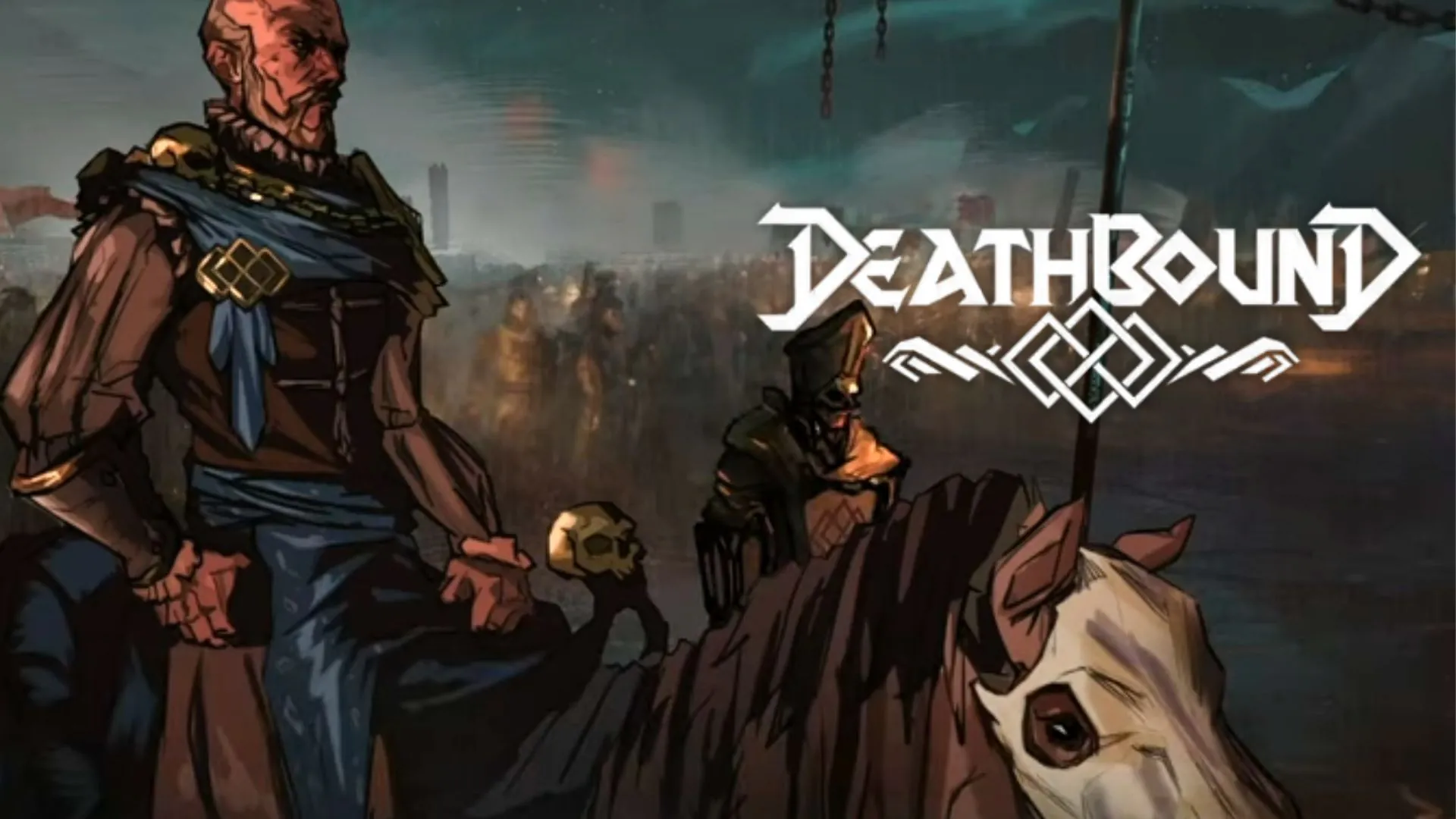
Get ready to be hooked and haunted. Deathbound is here to push your limits like never before! This isn’t just another Souls-like game; it is a fresh, heart-pounding entry that cranks up the intensity while throwing in some wicked surprises. With its unique mechanics and a shadowy, mysterious world that pulls you in deeper with every step, Deathbound stands out in a genre known for its merciless challenges.
Days after its launch, the game promises to deliver something exciting for everyone. It drops players into an eerie world of Akratya full of jaw-dropping twists, offering a gameplay experience that’s beyond your expectations. However, for now, let’s look at the wins and busts of Deathbound in this review.
A Dive Into Darkness
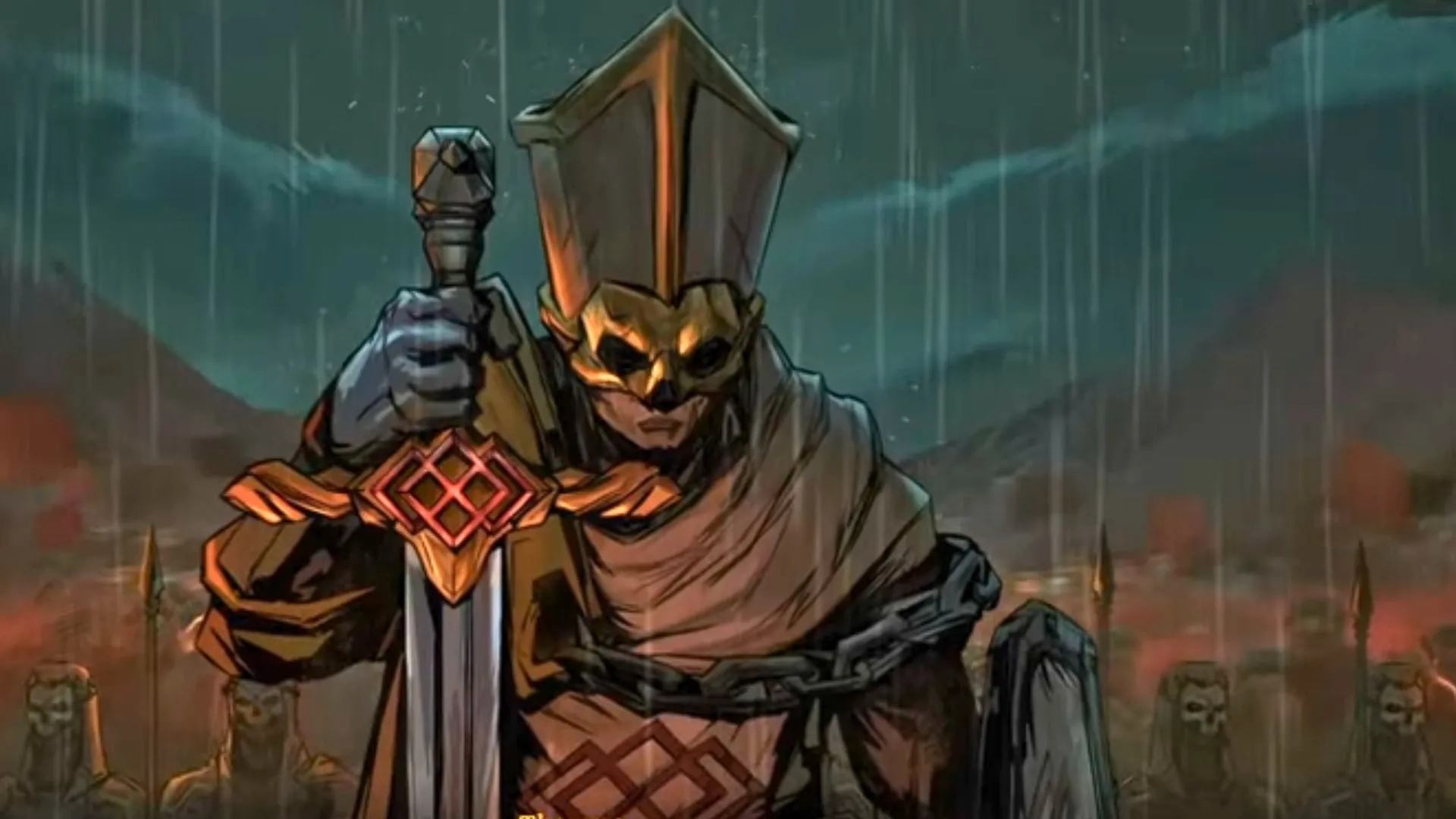
Deathbound isn’t just about slashing enemies and switching characters. It also throws you into its dark, mysterious world. The game is set in the gloomy city of Akratya, where an eternal battle rages between the cult of life and the church of death. Sounds intense, right? As you play, you’ll piece together this twisted puzzle, uncovering an intriguing and creepy story.
The atmosphere in Deathbound is where it really shines. The environment is dripping with Gothic vibes and massive buildings. Plus, the soundtrack? It’s haunting in the best way, pulling you deeper into the game’s world. Everywhere you go in Akratya, a sense of dread lurks around the corner. The city feels so alive filled with hidden secrets waiting for you to uncover.
But here’s the thing: while the world-building is pretty incredible, the storytelling can be a bit hit or miss. The game throws its narrative at you in pieces, some through dialogue, some through the environment, and some through cryptic messages. On one hand, this adds to the game’s mysterious vibe. On the other hand, it can leave you scratching your head, wondering what’s going on.
Double-Edged Sword
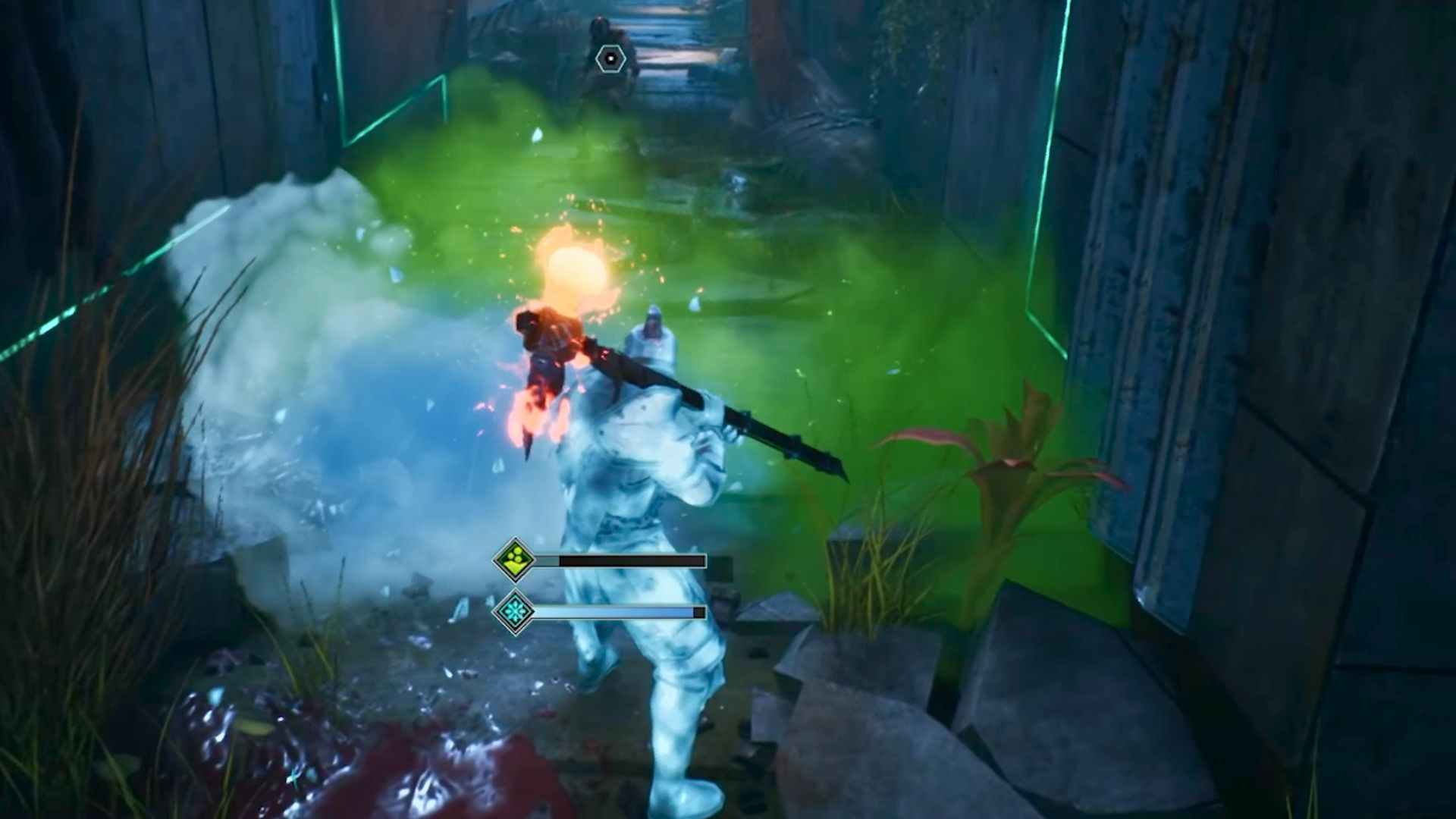
At the heart of Deathbound is its character-swapping mechanic. This feature is what sets it apart from other Souls-like games. Instead of controlling one character, you can command up to seven. Each character has unique abilities, weapons, and playstyles. This means you can switch between them mid-battle to exploit enemy weaknesses. It’s like having a whole party in your pocket, ready to unleash chaos at a moment’s notice.
But here’s where the double-edged sword comes in. While this idea sounds super cool, pulling it off in the heat of battle isn’t always smooth. Switching characters mid-fight requires precision, and the controls? Well, they don’t always play nice. Sometimes, instead of pulling off a slick combo, you fumble with the controls, which can be pretty frustrating.
Adding to that, juggling the health of multiple characters adds a layer of complexity. Healing one character might leave another vulnerable. Consequently, it forces you to make tough choices right in the middle of a fight. It’s a bit like spinning plates while juggling flaming swords.
Despite these challenges, once fully mastered, the combat in Deathbound is seriously satisfying. Chaining combos between characters and unleashing powerful attacks? That’s where the fun begins. The variety in combat styles keeps things fresh, making every battle feel like a new adventure.
Slay the Monsters

Deathbound doesn’t hold back when it comes to its monsters. These aren’t your run-of-the-mill enemies; they’re brutal, relentless, and utterly terrifying. Each creature you face feels like it crawled straight out of a nightmare. The game features towering beasts that can crush you with a single blow. Similarly, the smaller ones are faster, keeping you on your toes. But don’t be fooled. Every encounter is a test of skill, patience, and a little luck.
These monsters aren’t just tough; they’re smart. They learn your patterns, exploit your weaknesses, and force you to adapt. Standing still or repeating the same tactics is a sure way to meet a grisly end. Therefore, you must stay sharp, precisely mixing up your attacks while tactically dodging all blows. And when you think you’ve figured them out, they’ll throw something new at you, keeping you on edge. It’s a constant dance between life and death; one wrong move can spell disaster.
As unforgiving as they are, taking down these monsters is incredibly satisfying. The adrenaline rush when you finally land that last hit is unmatched. It’s moments like these that make Deathbound so rewarding. Sure, you’ll die a lot, probably more times than you can count. However, each defeat only makes the gameplay that much sweeter.
The Party
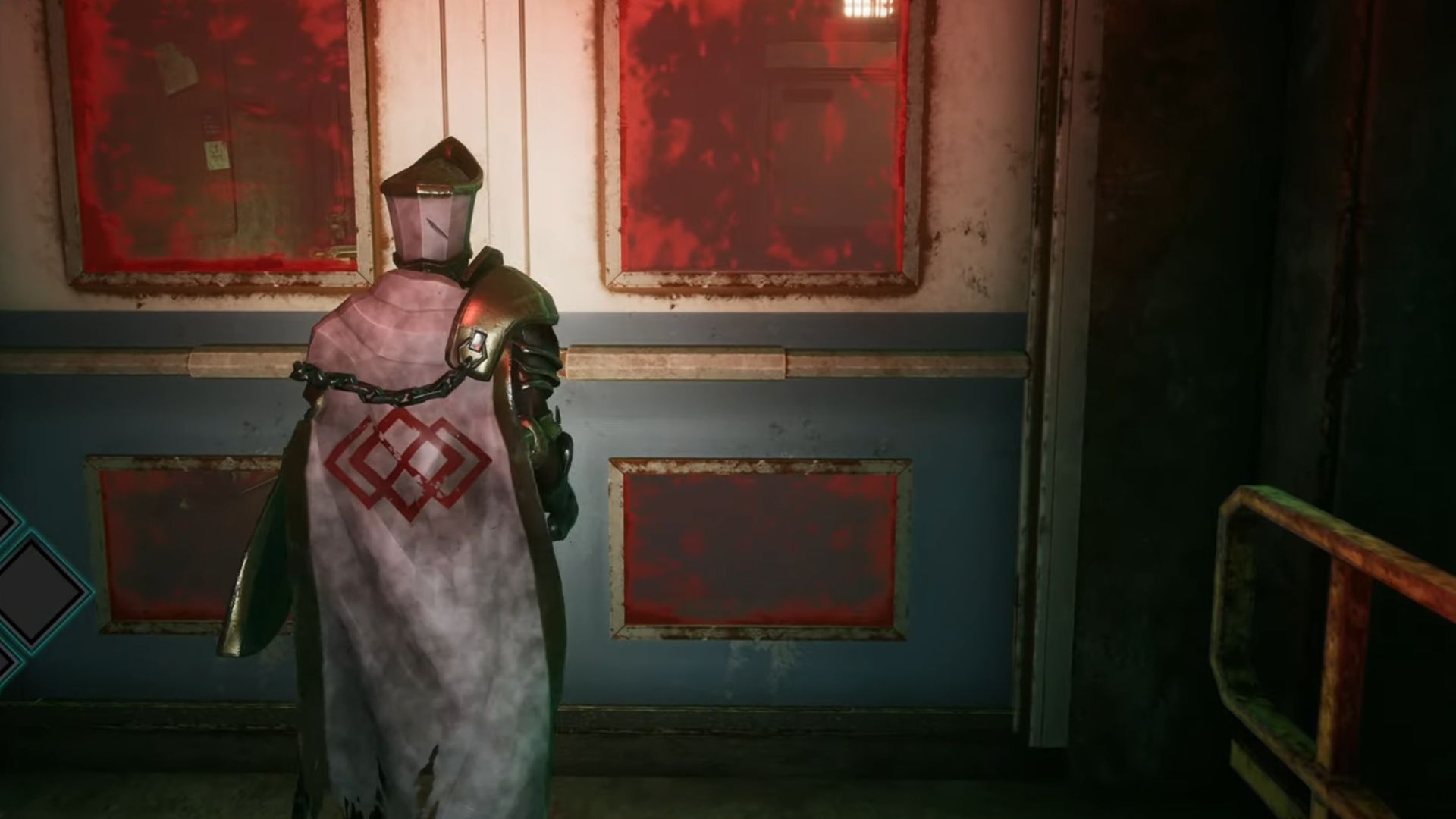
In Deathbound, you’re not just a lone warrior. You have a whole party at your disposal. The game offers a squad of characters, each adding something unique to the playfield. Switching between these characters on the fly makes combat feel dynamic and strategic. Need a heavy hitter? Swap to your bruiser. Want to cast some spells? Switch to your mage. The possibilities are endless.
Like any party, things can get a little chaotic. Managing multiple characters in the heat of battle isn’t always smooth sailing. The quick swapping mechanic is refreshing. However, it needs some serious focus. You’ll have to keep track of everyone’s health, abilities, and positions while dodging enemy attacks. Honestly, it’s a lot to juggle, and sometimes it feels like you’re trying to keep a party going when everyone’s had a bit too much to drink.
Despite the chaos, the party system is what makes Deathbound stand out. It feels amazing when you pull off a perfect combo with your team or strategically switch characters. It’s like the ultimate team effort, where everyone plays their part, and the payoff is oh-so-satisfying.
However, the control scheme can be a bit tricky to master. Switching between the analogue stick and the D-pad during intense combat moments may feel awkward and disrupt your flow. This can make it challenging to execute complex moves smoothly.
Additionally, different characters use varied defensive mechanics, which adds to the confusion. For instance, while one character might rely on a shield, another uses a crossbow for defense. This variation can lead to mistakes and frustrations, especially in the heat of battle.
Survival of the Fittest
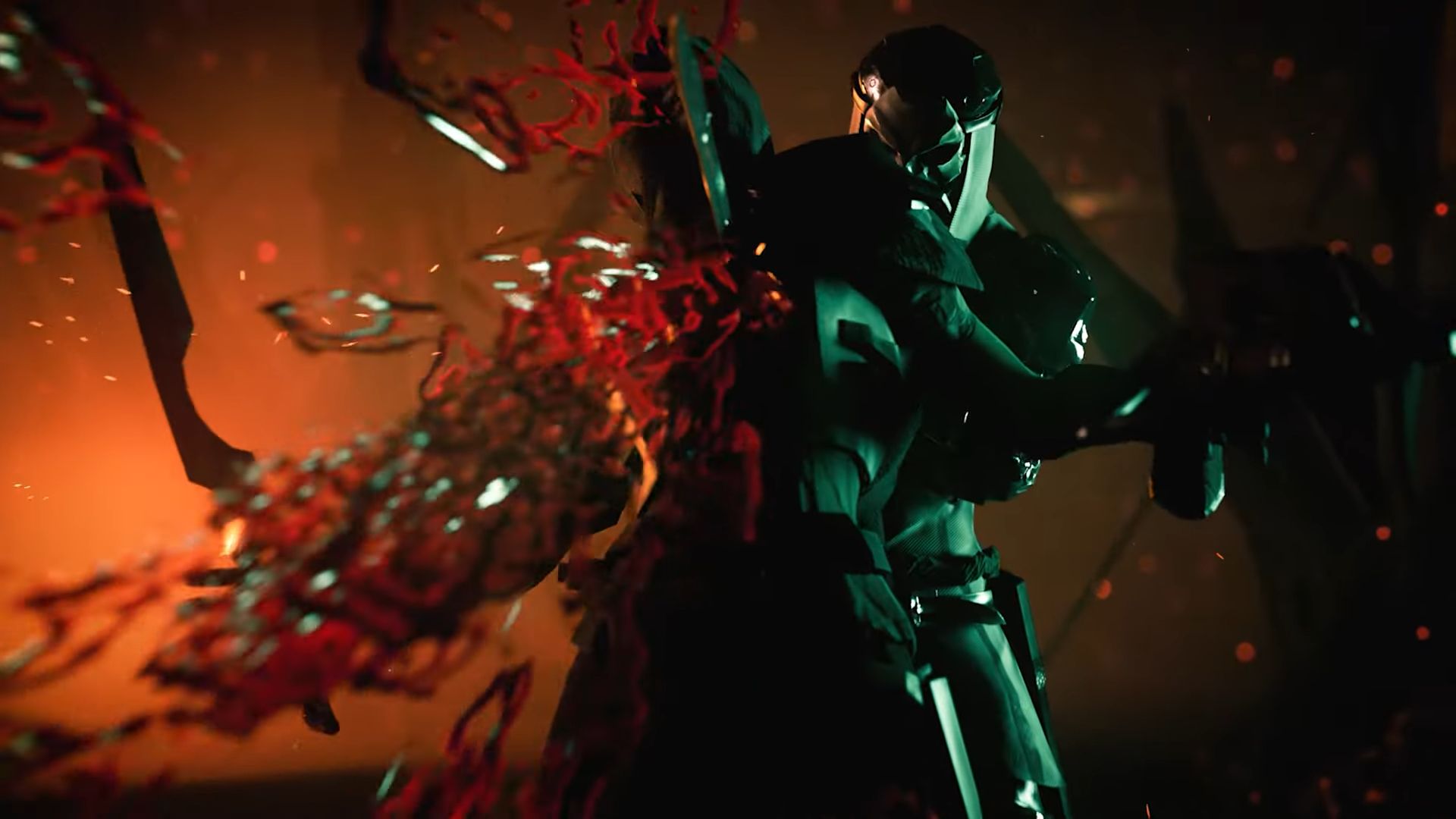
In Deathbound, health and stamina are tightly connected, adding a fresh challenge to the game. Each character shares the same health and stamina pool. When you take damage, it reduces both your health and your stamina. This means that getting hurt not only weakens your character but also limits your ability to attack, dodge, or block.
This connection forces players to think strategically about managing their resources. Low health can severely impact your stamina, making it difficult to perform crucial actions in combat. This balance requires careful planning to ensure your characters can handle battle demands without becoming too vulnerable.
The stakes are high in every encounter. If any character dies, it results in a game over for the entire party. This makes every fight feel intense and critical, as you must carefully manage your health and stamina to avoid costly mistakes. Ultimately, it ensures your team’s survival.
The Good
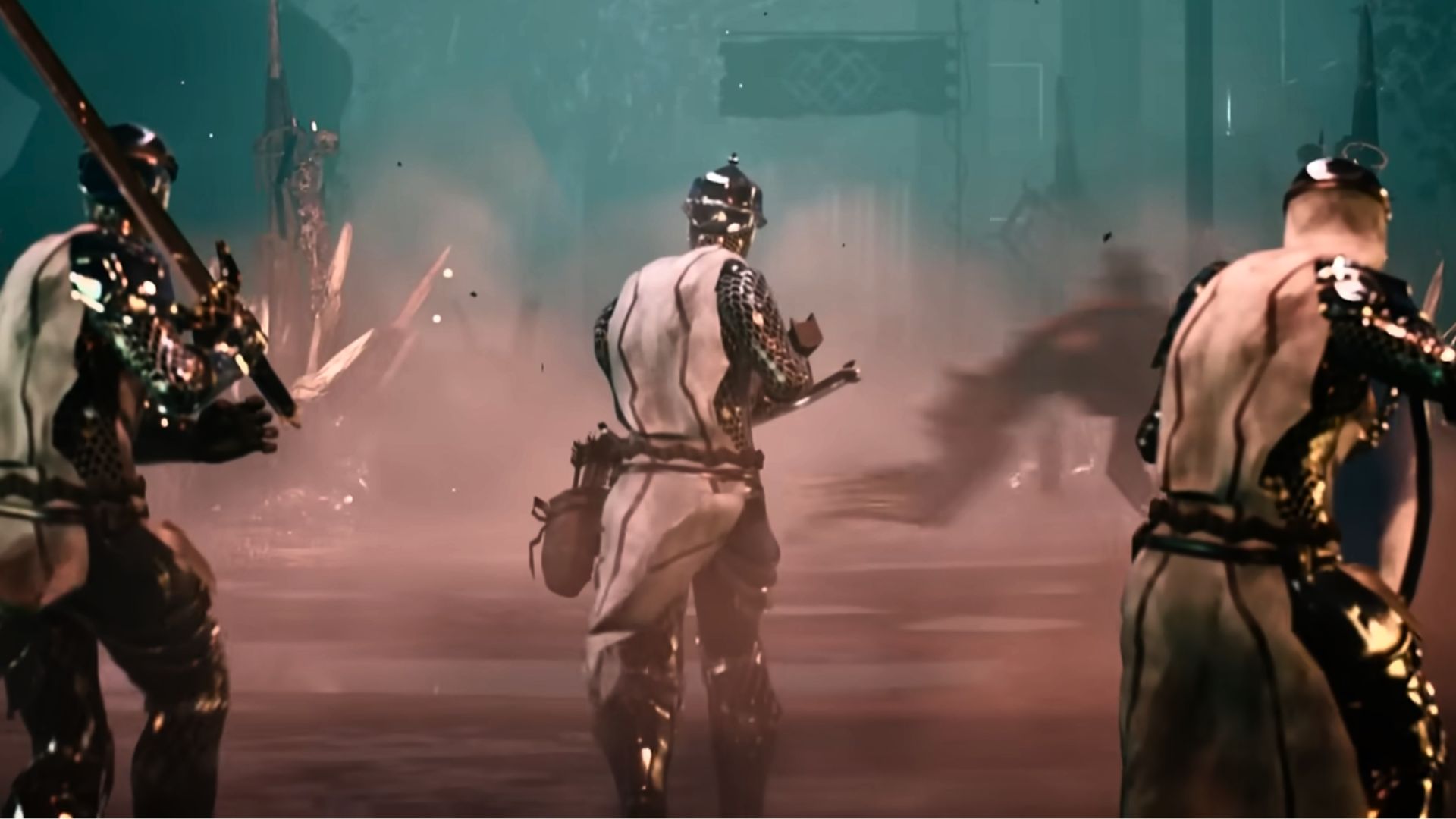
Deathbound brings several standout features to the Soulslike genre. First and foremost is its unique party-based system. Controlling multiple characters simultaneously adds a refreshing layer of strategy to combat. Each character has their own abilities and equipment, allowing for varied and dynamic gameplay.
The talent system is another highlight. Unlike traditional leveling systems, this system rewards exploration and interaction with the game’s world. Unlocking talent points through character interactions adds personalization to your characters, making progression more engaging.
Furthermore, the combat system is exciting and rewarding. Sync attacks, where you switch characters to perform powerful follow-up strikes, keep battles fast-paced and thrilling. Mastering these combos can lead to impressive and satisfying gameplay moments, adding fun to the fast-paced action game.
Verdict
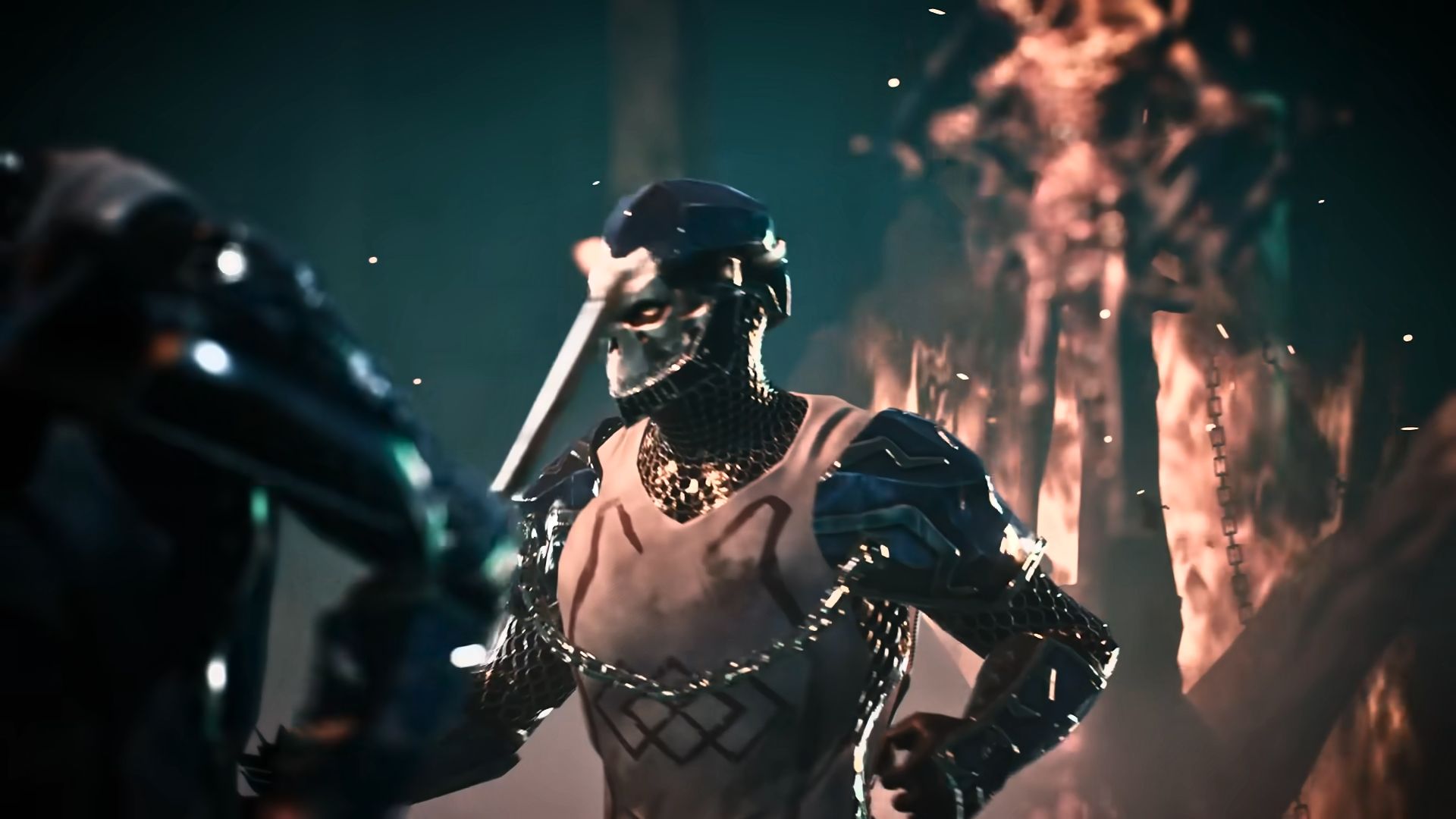
Now, here comes the verdict. Is it a game worth your time? Well, that depends on what you’re after. If you’re a Souls-like enthusiast craving something that dares to break the mold, Deathbound is definitely worth checking out. With its innovative combat system and immersive world-building, it offers a fresh spin on the genre, even if the execution doesn’t hit every mark perfectly.
However, if you are a person who values smooth and polished gameplay, Deathbound might not be for you. The game’s ambition is admirable but comes with its fair share of rough edges. The character-swapping mechanic, while innovative, can be frustrating to use. Its storytelling, too, doesn’t always pull off successfully.
The game is full of potential. But at the same time, it is still finding its footing. It’s a double-edged sword that can deliver both thrilling and frustrating highs.
Ultimately, Deathbound is worth your time if you enjoy a challenging gameplay and exploring the dark worlds. It’s not without flaws, but the unique mechanics and atmospheric setting make it a standout in the genre. Fortunately, too, that’s where patches come into play. Hopefully, Trialforge Studio will work hastily to resolve these issues. In conclusion, Deathbound delivers a tough but rewarding experience, and might be your next action RPG of choice.
Deathbound Review (PlayStation 5, Xbox Series X|S & PC)
Faith Meets Science
Deathbound offers a challenging and unique experience that’s sure to appeal to fans of dark fantasy games. While it has its flaws, the game’s character-swapping mechanic and atmospheric world make it stand out. If you’re up for a tough but rewarding adventure, Deathbound is worth your time.