Reviews
Civilization VII Review (Xbox Series X/S, PlayStation 5 & PC)


Civilization VII is finally here, and after nearly a decade in development, it brings some of the biggest changes the 4X strategy genre has seen in years. With a brand-new Ages system and refinements to city-building, diplomacy, and combat, Civilization VII feels familiar yet different. These changes have transformed the game in a way that offers a fresh take. But do these changes make it a better game? Have they struck the right balance between innovation and tradition? Or has it strayed too far from the historical strategy fans love? Let’s jump right into Civilization VII review and find out.
Historical Narrative

In Civilization VII, the story of your empire unfolds through the choices you make, but there’s no traditional narrative or central storyline. Instead, the game offers a sandbox experience, allowing players to shape the history of their civilization from the dawn of time to the modern era. Unlike other strategy games that may have scripted campaigns or specific plotlines, Civilization VII offers a more organic narrative.
The game’s story is driven largely by the Ages system, which divides the game into distinct historical eras. As your empire progresses, you will face various challenges, including Crisis Events, that reflect the consequences of your choices and the state of the world. This evolving timeline allows the story to feel dynamic as the game adapts based on the civilizations you interact with.
In comparison, earlier Civilization games had a similar sandbox style but were more into historical accuracy. Civilization VI and its predecessors focused on historical figures, leaders, and civilizations with unique traits and units. Furthermore, the story was largely shaped by real-world events. In our Civilization VII review, we find that the historical foundation remains, but the introduction of unique, evolving storylines through the Ages system marks a noticeable shift.
Civilizations and Leadership

One of the most significant changes in Civilization VII is how civilizations and leaders are handled. In previous games, picking a civ meant you got a specific leader, bonuses, and unique units tied to that nation. Now, in Civilization VII, leaders and civilizations are completely separate, allowing for unique combinations.
For example, you can have Benjamin Franklin leading Rome or Cleopatra ruling Japan. This opens up a lot of new strategic possibilities, as leaders bring their own abilities that stack with civilization bonuses. Essentially, it allows for more experimentation and prevents certain civilizations from being overpowered in every game.
However, this also breaks away from the historical realism that many Civilization players love. Seeing Genghis Khan leading England or Napoleon ruling Egypt might feel strange to some. While this system enhances gameplay flexibility, it sacrifices a bit of historical identity that defined previous entries.
Despite this, the change adds replayability and forces players to think beyond traditional civilization strengths. It also makes diplomacy more dynamic since leaders now have personalities and playstyles that may not always align with their civilizations’ abilities.
The Ages System

Perhaps the biggest departure from previous Civilization games is the introduction of the Ages system. Instead of a single, continuous timeline progressing from Ancient to Future, Civilization VII is divided into three major Ages: Antiquity (Early Game), Exploration (Mid-Game), and Modern (Late Game).
At the end of each Age, players must choose a new civilization, meaning they won’t stay with the same civ for the entire game. This is a massive shift in strategy, as it prevents players from snowballing early-game advantages. Some will love this system for keeping the game fresh, while others may find it frustrating. Having to adapt and switch civilizations mid-game can feel like a disruption, especially for those who enjoy playing a single civilization from start to finish.
Additionally, each age transition comes with crisis events, which are large-scale world events that introduce major changes. Thankfully, these aren’t as punishing as some feared. Several Crisis Events offer opportunities rather than just setbacks. They can introduce new policies, bonuses, or even free city acquisitions based on global conditions. For players who love dynamic gameplay, this system is a fantastic addition.
City-Building

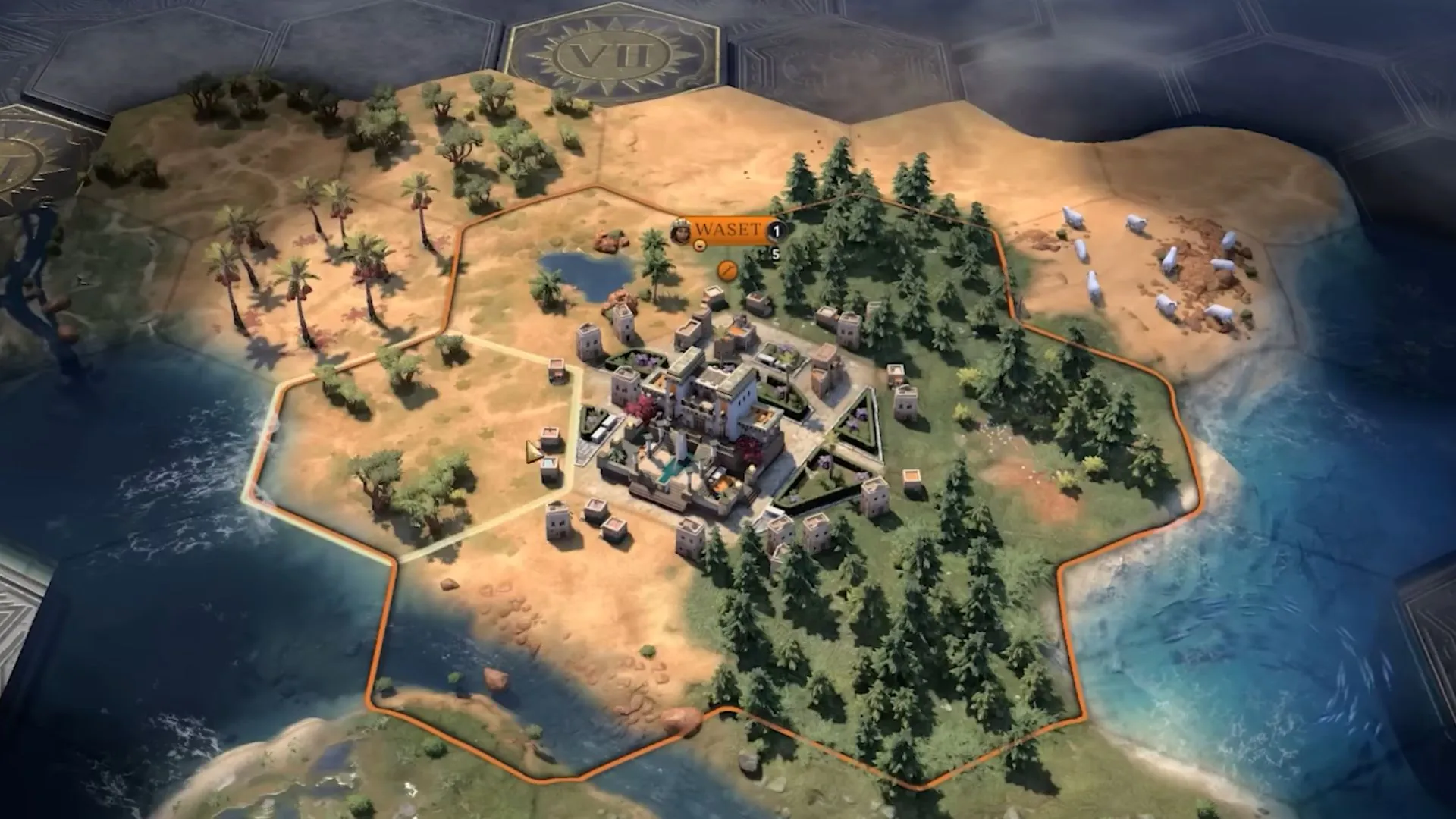
City-building has always been a cornerstone of the Civilization series, and Civilization VII refines this further with several new mechanics. The district system from Civilization VI returns but with key improvements. Cities are now divided into urban and rural zones, making placement more strategic. You can now place two buildings on a single tile, increasing flexibility in city layouts. Instead of founding full cities everywhere, you can now create smaller towns, which require less micromanagement but still offer strategic benefits.
The town system is one of the best additions to the game in our Civilization VII review. It allows for more structured expansion, reducing the overwhelming city management that plagued later-game matches. Players can now spread across the map more efficiently without managing dozens of complex cities.
This system makes Civilization VII feel more streamlined, especially for newcomers. However, longtime fans may need time to adjust to these changes, as traditional city-planning strategies may not work the same way.
Diplomacy vs AI
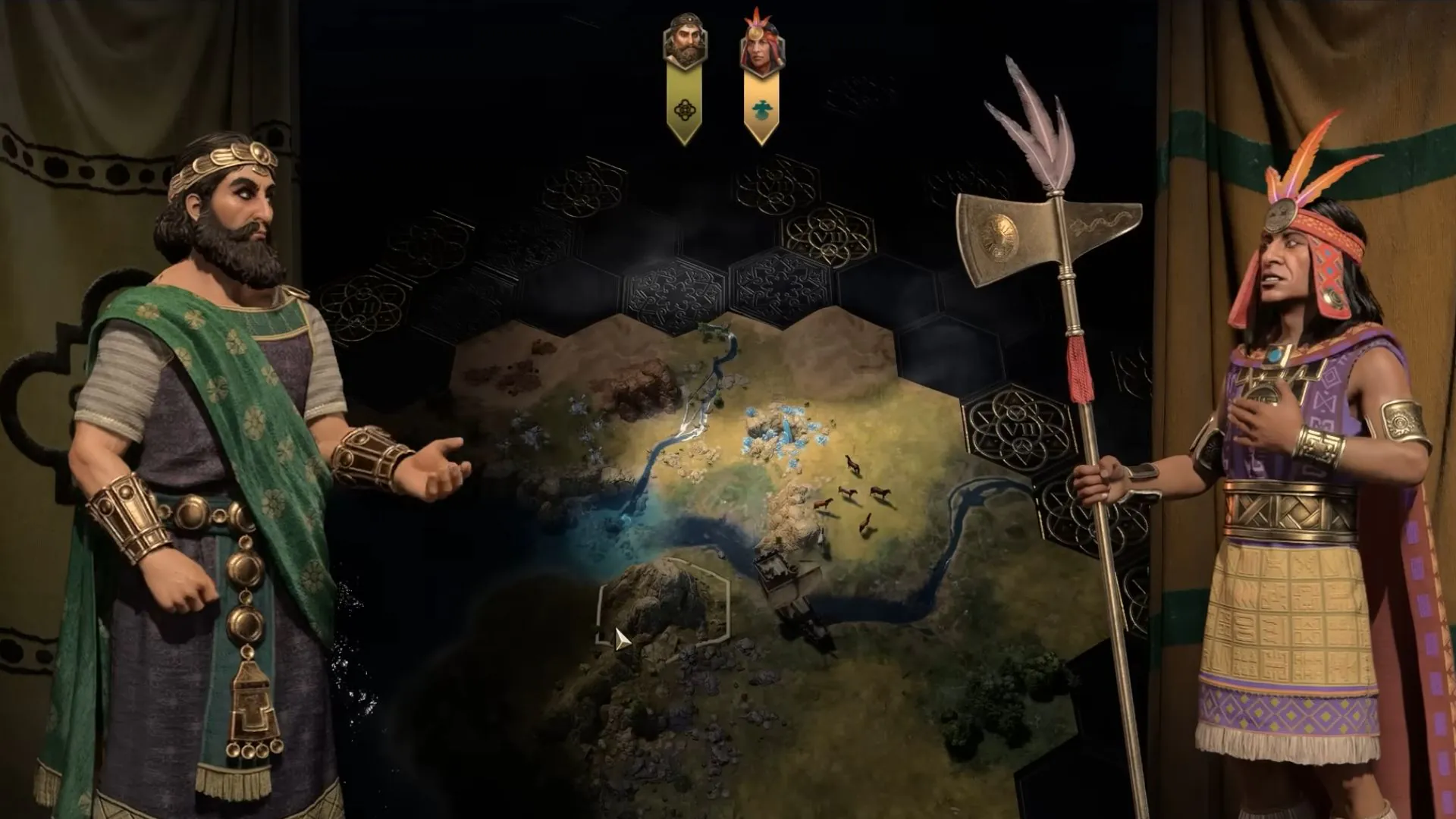
Diplomacy has always been a weak spot in Civilization games, but Civilization VII takes a significant step forward with its newly introduced Influence system. Firaxis Games has done a fantastic job improving how diplomacy works, making it more impactful and meaningful. The standout feature here is that Influence has become a dedicated resource that players can use to execute various diplomatic actions. It comes in handy when forging strong alliances with other civilizations. Similarly, it’s essential when pressuring rivals into beneficial deals or swaying global events and policies. Ultimately, Influence allows players to have a more active role in shaping international relations.
What makes this system particularly engaging is how it shifts diplomacy from a random, often arbitrary process to strategic decision-making. Rather than depending on the AI, players now have more control over their diplomatic actions. For instance, you can use influence to strengthen bonds with friendly nations or push through certain world agendas. This tactical approach makes the interactions more immersive and provides more opportunities for creative solutions.
That said, our Civilization VII review shows that AI still presents some challenges. While it performs better in managing cities and armies, it continues to struggle with long-term planning. On higher difficulties, the AI tends to rely on cheating mechanics, such as extra resources and production bonuses, which can feel a bit unfair. On the other hand, on lower difficulties, the AI seems overly passive. While diplomacy has certainly seen a positive evolution, the game’s AI still needs refinement, and we can hope future updates will address these issues.
The Commanders

Combat in Civilization VII has been overhauled, bringing several major improvements. The biggest change is the introduction of Commanders. These are hero units that lead armies, providing tactical advantages. They can stack units together for better movement and organization, gain promotions, and unlock powerful abilities over time.
There are separate Commanders for Land, Air, and Naval combat, making each type of warfare more distinct. This encourages smarter battles rather than just throwing units at enemies. Overall, combat in Civilization VII feels more engaging and strategic, avoiding the tedious unit spam that affected previous games.
DLC
Like many modern games, Civilization VII is launching with a DLC roadmap that promises regular content updates. The first major expansion is set for March 2025, just one month after the game’s release, with additional expansions following regularly throughout the year. This commitment to long-term support is a positive sign, indicating that Firaxis plans to keep the game fresh and engaging over time.
However, the frequent paid DLC raises some concerns. If new content is released every month, some players might feel like Civilization VII is moving toward a live-service model. While this model is common in many online games, it can be problematic for single-player strategy games like Civilization VII. Frequent DLC releases could quickly become costly, especially if the content feels essential to fully experience the game. This could leave players feeling pressured to keep spending in order to stay up-to-date with the game’s evolving content.
That said, if the expansions introduce meaningful new features, the DLC could be a great way to enhance the game. Ultimately, it will come down to the quality of the content the game delivers and whether players feel like it justifies the price. If the updates bring valuable additions that improve gameplay, they could make Civilization VII even more engaging in the long run.
Verdict

In this Civilization VII review, we reached a verdict that there are a lot of things to love about the game. The separation of leaders and civilizations opens up more strategy, the Ages system keeps gameplay fresh. Additionally, the city-building mechanics are more refined than ever. There is improvement in combat with the introduction of Commanders, and diplomacy finally feels like a meaningful part of the game.
However, not everyone will love the forced civilization changes between Ages. While the AI has improved, it still has room for growth. For those who love 4X strategy games and are open to change, Civilization VII is absolutely worth playing. However, if you’re a traditionalist who prefers the older Civilization structure, you may need time to adjust to these major changes.
Civilization VII Review (Xbox Series X/S, PlayStation 5 & PC)
A Bold New Era
Civilization VII introduces exciting new features that add fresh strategy experience to the game. It offers a unique experience that has the potential to keep players hooked for years, as long as the upcoming updates meet expectations.