Reviews
Frostpunk 2 Review (PlayStation 5, GeForce Now, Xbox Series X|S & PC)

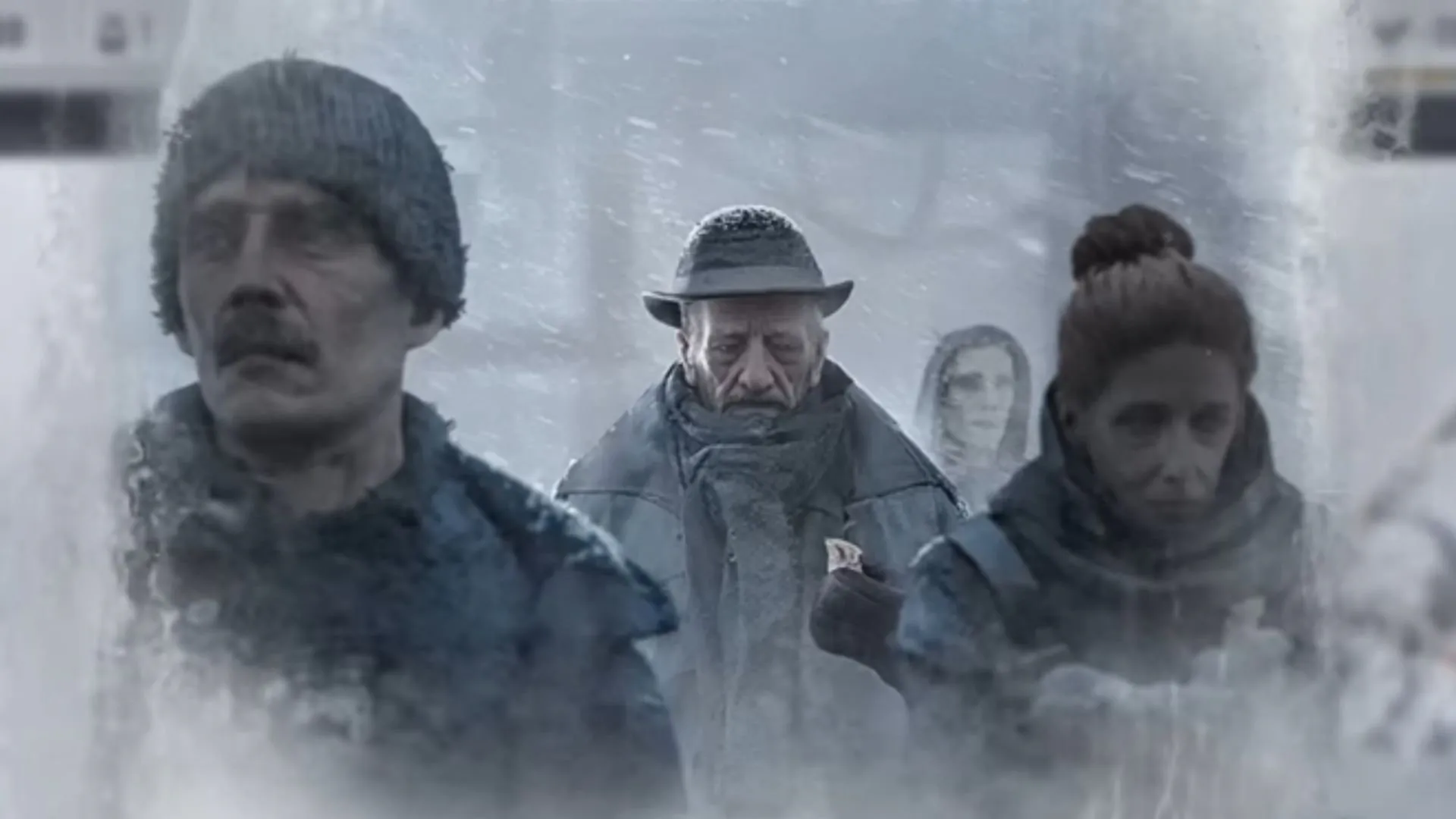
Frostpunk 2 had some mighty big boots to fill, with the original Frostpunk setting a high bar in the city-building genre. The original game quickly became a fan favorite, earning a remarkable 92% all-time rating on Steam with close to 100,000 reviews. The question is, does Frostpunk 2 live up to the legacy of its predecessor? In this review, we’ll explore whether Frostpunk 2 proves itself as a worthy successor.
Original Vs Latest

To truly appreciate where Frostpunk 2 stumbles or shines, it’s essential to understand what made the original Frostpunk such a vibe in the City-building genre. Unlike your typical city-building games, Frostpunk wasn’t just about expanding your settlement and managing resources. It was a brutal survival simulator where every choice you made carried immense moral weight.
One of the most remarkable aspects of the original Frostpunk was the connection you had to your citizens. They weren’t just nameless, faceless workers collecting coal or building homes. Each decision you made had a lasting impact on your community and weighed heavily on you as a leader.
In Frostpunk 2, however, this intimate connection with your citizens is noticeably absent. Instead of a small, tight-knit group of survivors, you’re managing a sprawling city with 8,000 people from the start. Gone are the days when you knew each worker’s role and could track their individual stories.
In Frostpunk 2, your citizens are reduced to faceless statistics. Actually, when a handful of them die from exposure to the cold, it doesn’t sting the way it did in the first game. The scale of the City has grown, but in doing so, the game loses that personal, emotional punch that made the first Frostpunk so compelling.
All About the City

At its core, Frostpunk 2 is still a city-builder, but with survival mechanics that keep you on edge. Don’t be fooled by the simple premise. There’s a lot to juggle. Right from the start, you have to gather resources and manage a heat generator. That generator is the lifeblood of your city.
Just like in the first game, the weather is your worst enemy. As temperatures drop, your generator will need more fuel to keep everyone warm. The cold doesn’t stay at one level, either. It constantly fluctuates, keeping you on your toes. When it really gets bad, White Out kicks in. That’s when the temperature drops to extreme lows, and you’ll burn through fuel reserves faster than you’d expect. If you’re not ready for these harsh periods, your city won’t stand a chance.
Resource management is more complex this time around. You have to balance fuel, food, and building materials. Each one is crucial. Fuel keeps the generator going, and food keeps your population healthy. On the other hand, building materials let you expand and maintain your city. Running out of any of these spells disaster.
For instance, if you run out of fuel, your people will start freezing. No food? Expect starvation and a lot of unhappy citizens. It’s all about maintaining that balance. The game also introduces oil and steam as new resources, adding to the already challenging task of survival. In short, managing resources in Frostpunk 2 is tough. You need to think ahead, stockpile, and prepare for the next cold snap. If you don’t, things go downhill fast.
Go Big
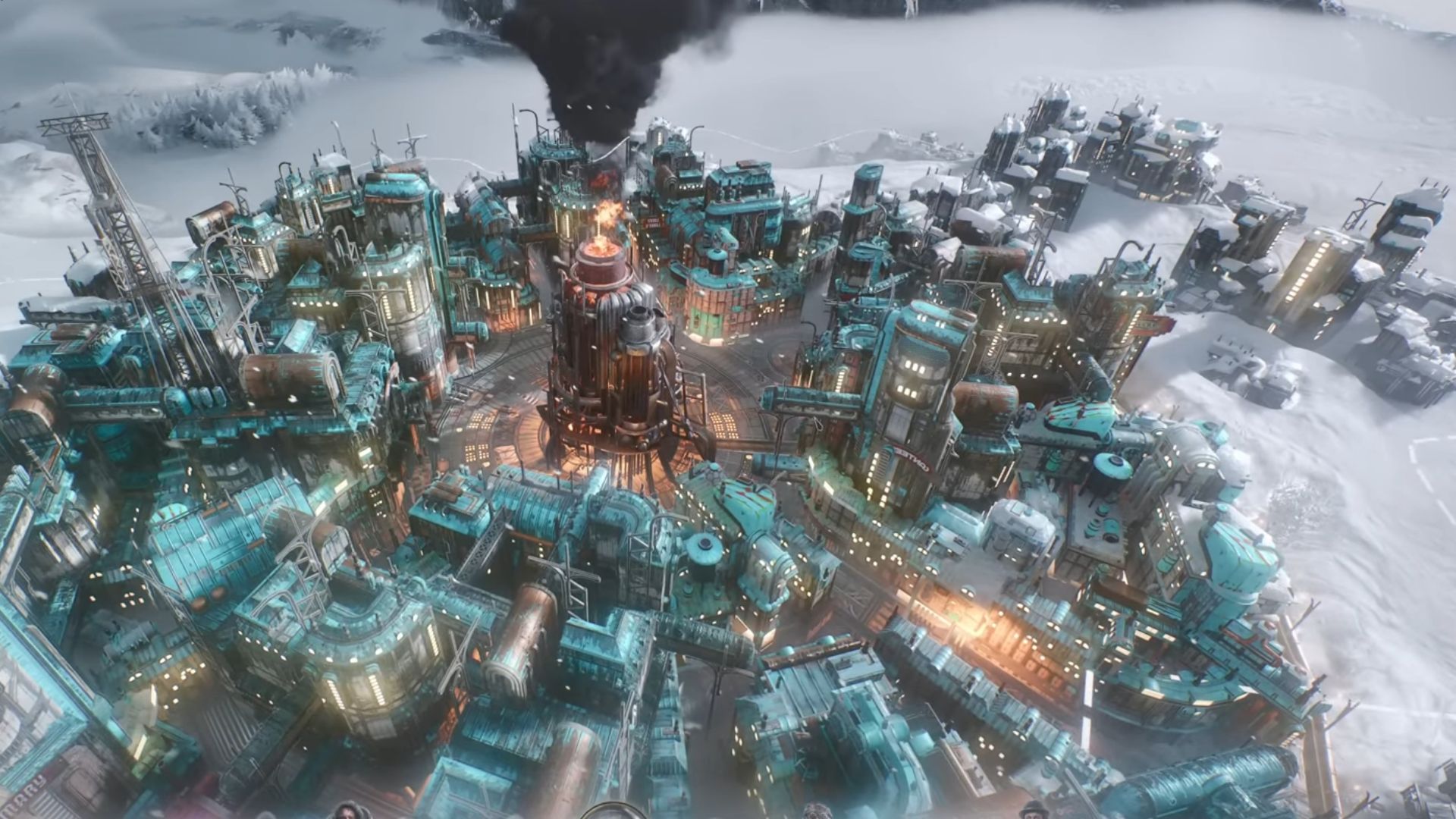
In Frostpunk 2, expanding your city works a bit differently from the first game. It introduces a grid-based system for building districts. These districts are crucial for managing resources. You place them over resource-rich areas, letting you mine resources like coal and food for longer. But keep in mind, resources eventually run out. So, you’ll need to expand further as time goes on.
The expansion mechanic lets you increase the size of a district. This allows you to build more facilities, like coal mines or greenhouses, which help boost production. It’s a clever way to increase efficiency, but there’s always a catch. Expanding too much can lead to quicker resource depletion, forcing you to venture out even further.
This new district system adds to the game’s strategy. Unlike the first game, you now need to think about which resources to focus on and how to arrange your buildings for the best results. For instance, placing districts close together reduces the heat needed, saving you valuable fuel. However, if you don’t plan your city layout carefully, you might end up with resource bottlenecks or worse.
Politics

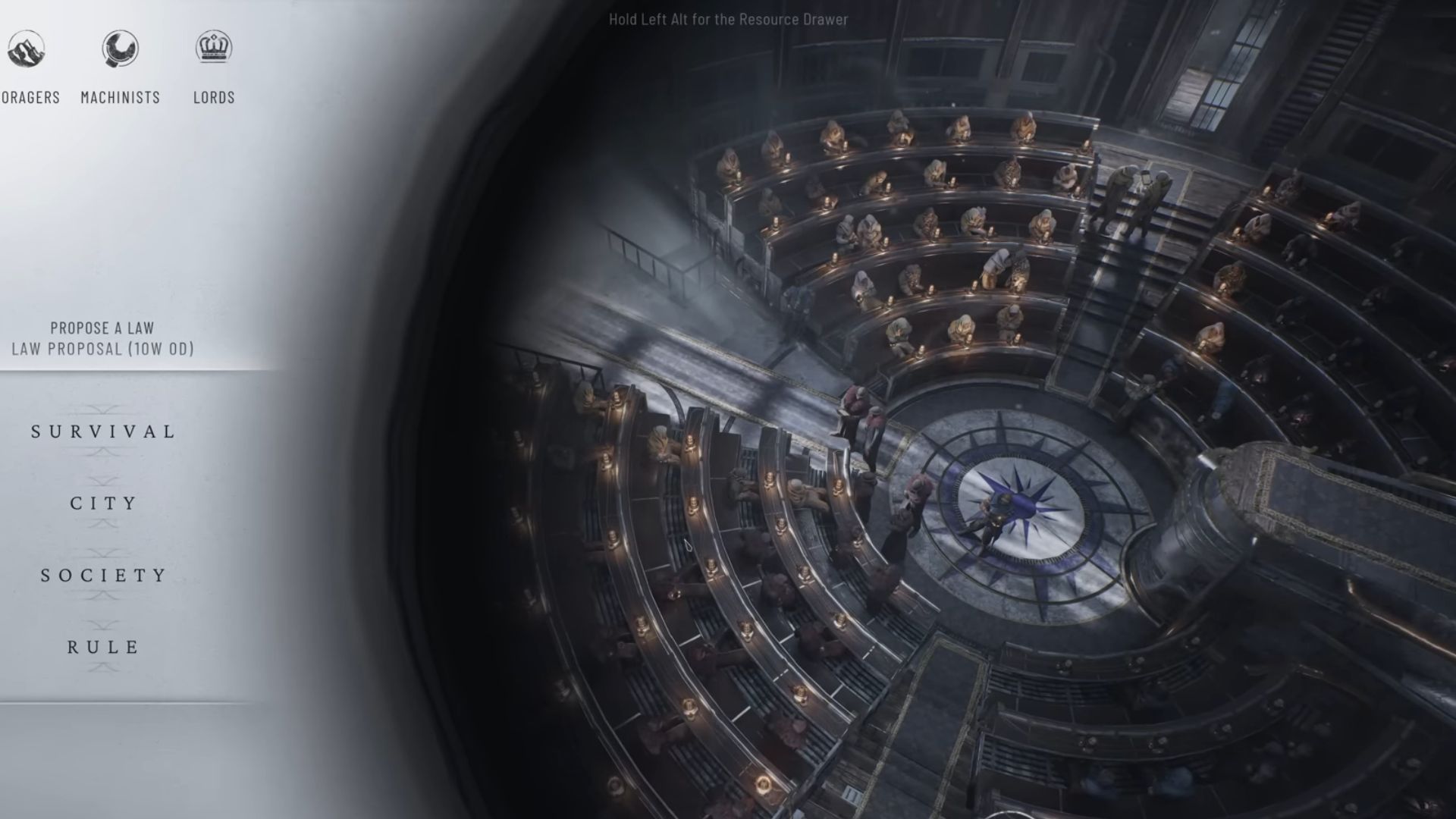
One of the big changes in Frostpunk 2 is the introduction of factions. As your city grows, various factions with different goals and ideals will emerge. Keeping these groups happy is essential. If you manage them well, they can provide useful bonuses, like increased productivity or a boost in your population. But if you anger them, expect trouble. Riots, strikes, and a huge drop in morale can quickly turn your city upside down.
Balancing the needs of these factions isn’t easy, but it’s definitely engaging. They often conflict with one another, forcing you to make tough choices about which demands to meet. Prioritizing one group over another can lead to friction, but it’s all part of the challenge. This political layer adds complexity to the game, turning it into more than just a city-builder. It’s also a test of leadership and people management.
On top of that, you have the power to pass laws that directly impact your citizens’ lives. Some laws can improve how you manage resources, reduce crime, or make your workforce more efficient. But here’s the catch: you need votes from the factions to pass these laws. This is where things get tricky. You might have to negotiate or promise certain perks in exchange for support. If you fail to deliver on those promises, you could face serious unrest.
The Heart of Survival

Frostpunk 2 is still about one thing: survival. In the game, every decision could mean life or death for thousands. The game constantly reminds you that leadership is not just about building a city; It’s about keeping hope alive in the harshest conditions.
Survival in Frostpunk 2 goes beyond resource management. You’re balancing coal, food, and fuel to keep the heat going. However, the real challenge lies in keeping your people from losing hope. As the leader, you’re faced with tough choices that test your morals. Do you sacrifice a few to save the many? Do you force your citizens to work in dangerous conditions or let productivity drop at the risk of losing everything? These decisions are at the heart of the game.
Additionally, there’s the constant threat of the cold. It’s relentless, and the White Out events take that threat to a new level. When the cold hits its peak, no matter how well-prepared you are, the survival of your city hangs in the balance. It’s a test of all the planning and tough choices you’ve made up to that point. Every resource spent, every law passed, and every faction managed comes to a head during these intense moments.
What keeps Frostpunk 2 gripping is this constant pressure. It’s not just about keeping your city running; it’s about ensuring that your people believe in a future, even when things seem hopeless. That’s the real heart of survival in Frostpunk 2.
Tech City
Frostpunk 2 isn’t just about surviving a frozen apocalypse. It’s about building a high-tech city while keeping society from falling apart. As the steward of this cold, struggling metropolis, you’re constantly balancing the need for new technologies with the complex demands of your people. Advanced systems, like automated factories and new energy sources, are key to survival. But as your tech grows, so do the challenges of keeping your citizens happy.
Every new tech decision has consequences. Building more efficient power grids might seem like the right call, but it could upset factions that prefer tradition. Keeping the peace while pushing for progress is what makes Frostpunk 2 so engaging. You’re not just managing resources; you’re trying to keep everything from spiraling out of control. The game forces you to think ahead, like running a real tech city, where progress and people don’t always mix.
Visually, the game nails the tech-city vibe. You’ll see your futuristic buildings emerge from the ice, blending survival with innovation. And with the new Utopia Mode, you can keep experimenting with different strategies long after the main story ends. Frostpunk 2 is more than just a survival game. It’s about pushing your city’s technology to the limit while juggling the messy reality of human nature.
Verdict

Frostpunk 2 successfully builds on the foundation laid by its predecessor. The game is challenging, complex, and immensely satisfying to play. The game retains the core elements that made Frostpunk a hit, including resource management and political maneuvering.
However, Frostpunk 2 has its share of challenges. The steep learning curve, packed with dense menus and complex systems, can overwhelm new and returning players. Managing the balance between advancing your city’s tech and keeping the factions in check can feel like an exhausting, constant battle. Camera issues during exploration also add unnecessary frustration to an already stressful experience.
If you enjoyed the original Frostpunk and love city-building survival games, Frostpunk 2 is a must-play. The intense difficulty may turn off casual players, but for those who thrive on challenges, this game delivers hours of frozen, heart-pounding fun.
Frostpunk 2 Review (PlayStation 5, GeForce Now, Xbox Series X|S & PC)
The Frozen City!
Frostpunk 2 brilliantly expands on its predecessor. It delivers a complex and rewarding experience that blends resource management, political tension, and technological advancement. While its steep learning curve and occasional frustrations may test your patience, the payoff is gratifying. It’s an unforgettable survival journey that fans of the genre shouldn’t miss.




