Best Of
Resonance: A Plague Tale Legacy — Everything We Know

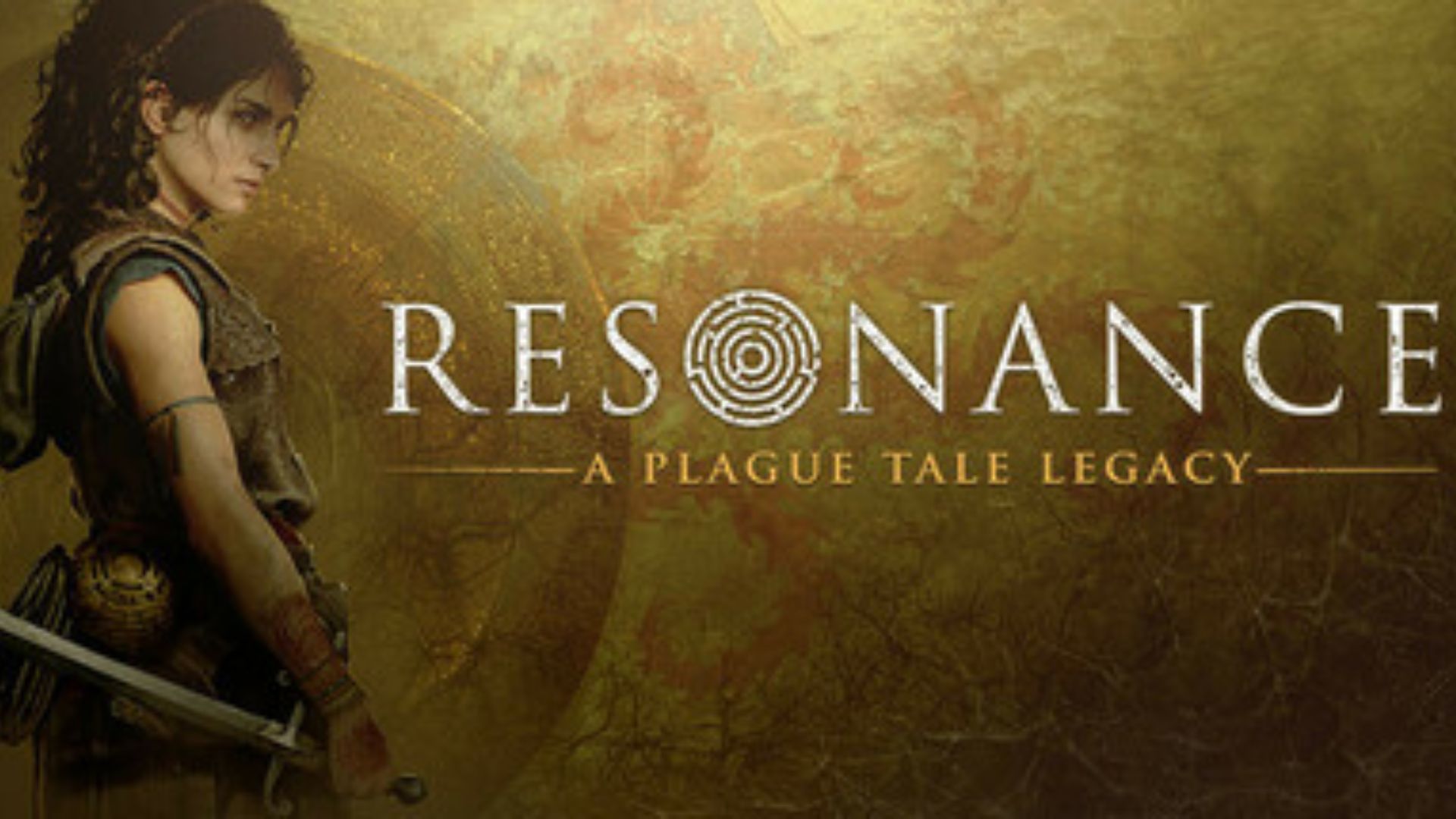
The A Plague Tale series has always known how to pull players into a haunting, emotional world. First, it was Amicia and Hugo’s desperate escape across plague-ridden France. Then came Requiem, which upped the stakes and deepened the myth. Now, Asobo Studio is diving back into the past, fifteen years before the first rat-infested tale, with Resonance: A Plague Tale Legacy. But this time, you’re not protecting a child or fleeing from inquisitors. You’re Sophia, a thief, a fighter, and someone whose past might be even more tangled than she thinks. Here’s everything we know so far about this myth-driven prequel.
What is Resonance: A Plague Tale Legacy?
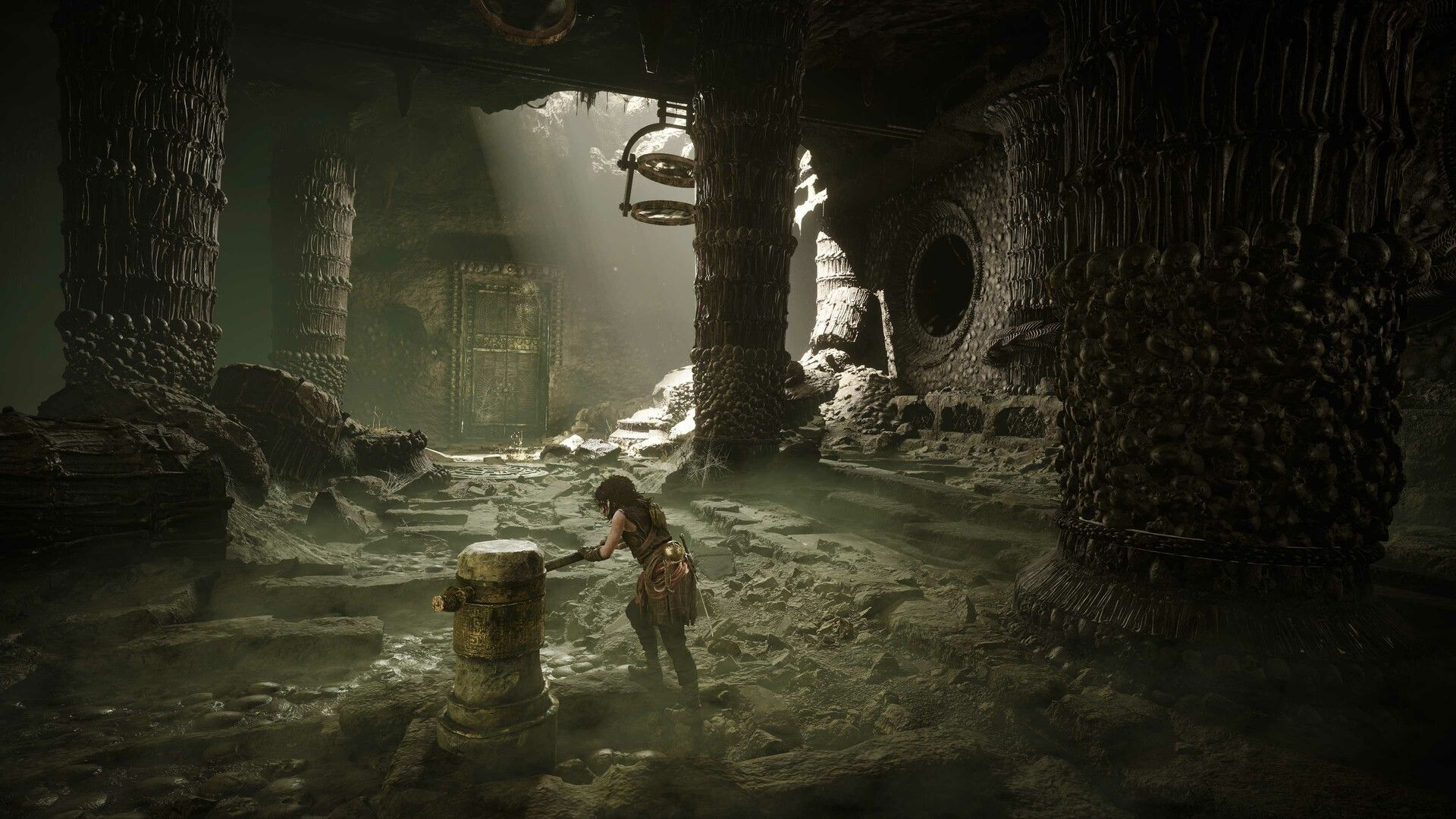
Resonance is a standalone prequel set in the same universe as Innocence and Requiem. But it’s not just more of the same. Asobo is changing direction here. Instead of the slow-burn stealth of previous titles, Resonance leans heavier into action-adventure territory. The gameplay still carries familiar puzzle-solving and tension-filled chases, but now combat plays a much larger role.
Story
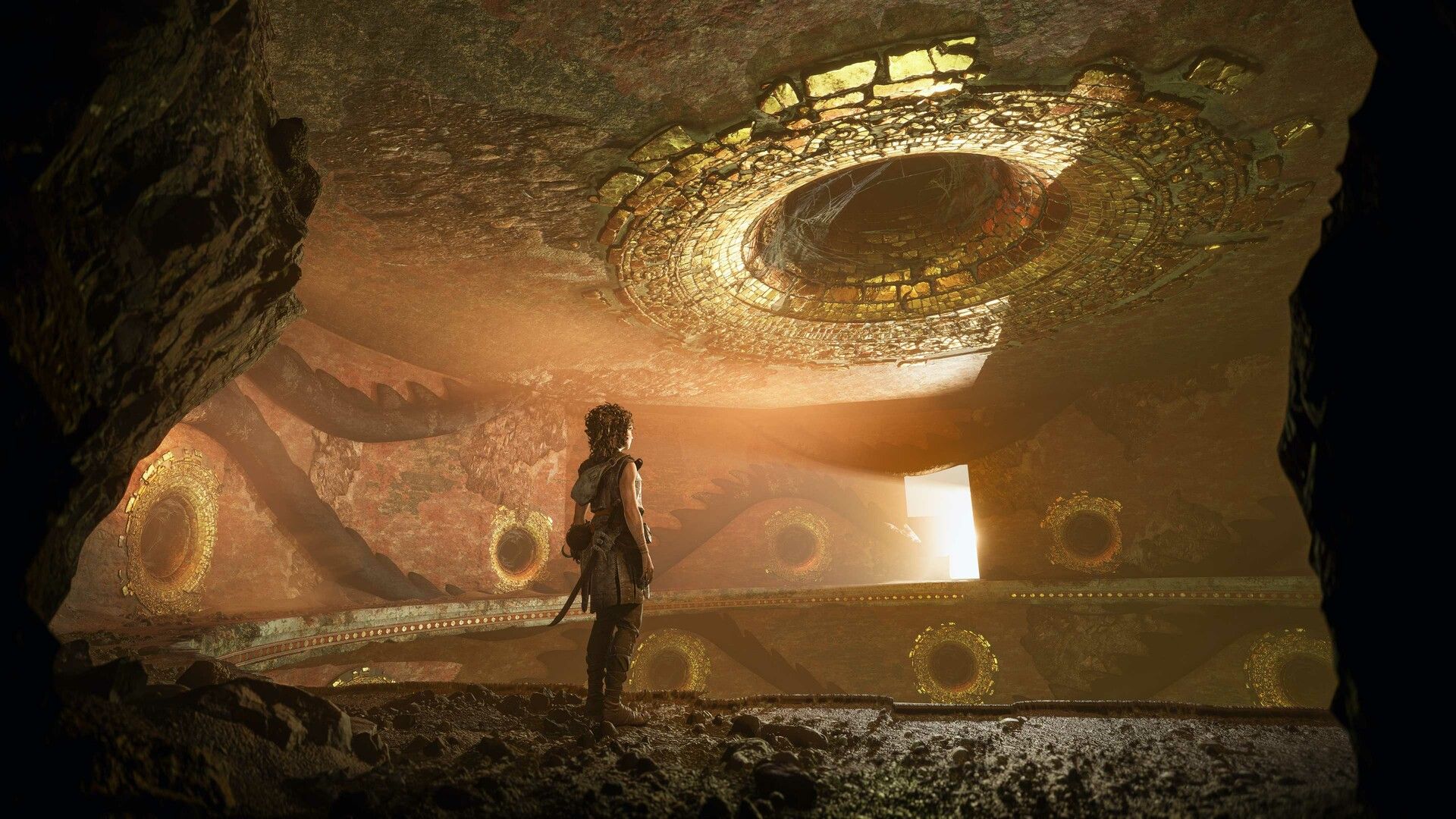
In Resonance: A Plague Tale Legacy, you play as a younger version of Sophia, the pirate and smuggler we met in Requiem. But this time, she’s still new to the world. She’s fast, clever, and tough. She also carries wounds from her past that haven’t fully healed. Sophia isn’t just looking for treasure; she’s searching for the truth about who she’s and where she came from.
Her journey takes her to a strange island that once belonged to the ancient Minoan civilization. The island is full of secrets, danger, and talk of a powerful curse. Many believe something dark lives there, hidden in the ruins. As Sophia explores, she begins to hear about the Macula, a strange sickness from the Plague Tale games that affects people’s blood and changes history. In this story, we learn that the Macula might have existed long before Hugo’s time, maybe even back to the days of legends and monsters.
Surprisingly, Sophia’s story isn’t the only one being told. She starts to see pieces of another life, someone from the ancient world who may be connected to her. Notably, the game tells both stories side by side. One takes place in the Middle Ages, the other in the distant past. As Sophia goes deeper into the island, these two timelines begin to connect.
Gameplay
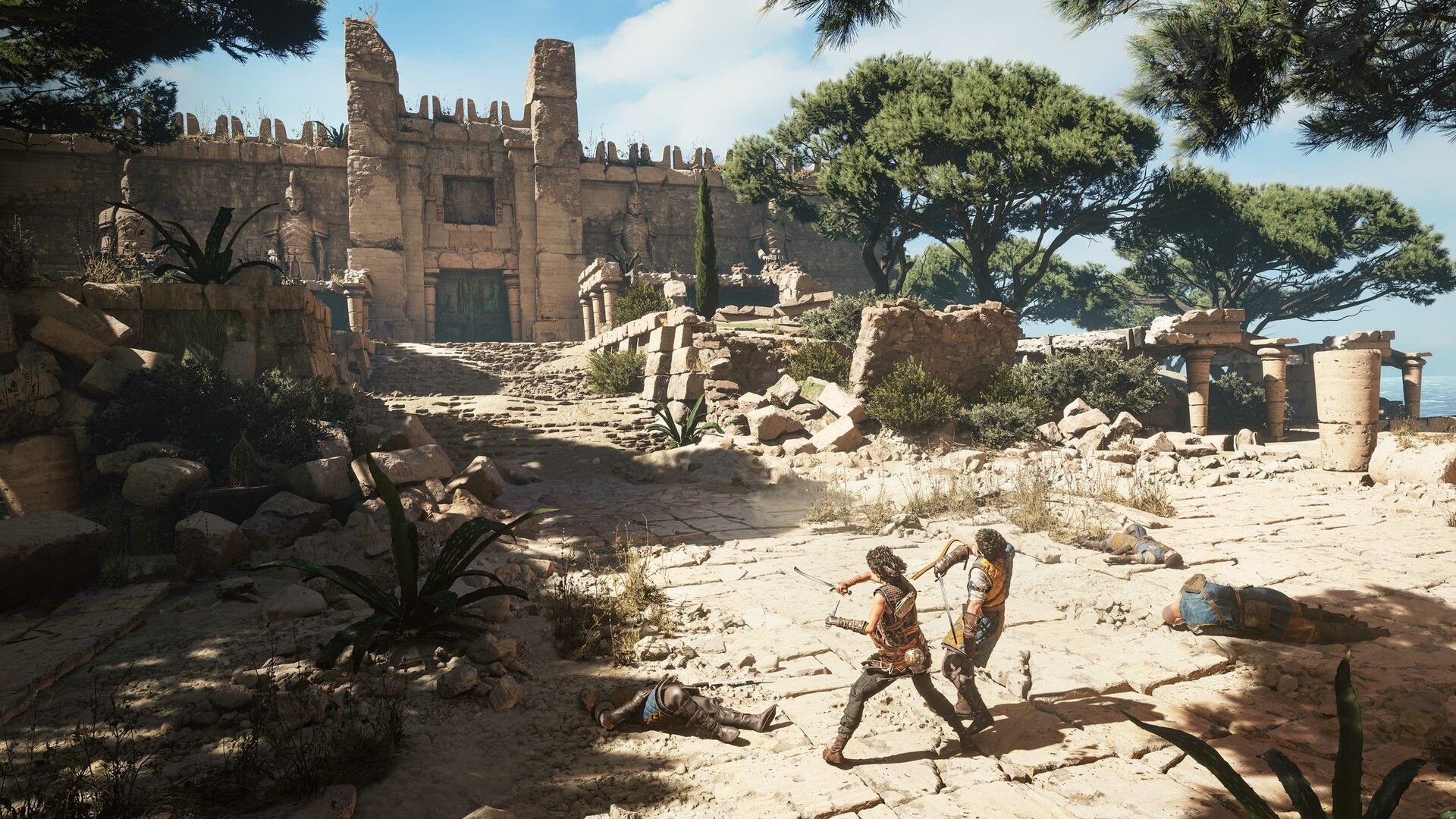
The older Plague Tale games were mostly about sneaking around, using tools, and staying out of sight. Hugo had his rat powers, and Amicia used things like fire and alchemy to survive. Resonance keeps some of that, but now it focuses more on fighting and solving puzzles.
Sophia isn’t hiding all the time; she’s ready to fight. She’s fast, skilled, and armed with weapons. Players can dodge attacks, block them, and strike back. Similarly, the combat is quick and intense, making Sophia feel stronger and more confident than the characters we’ve played before.
Stealth is not gone. Players must stay hidden in some parts, using the darkness or finding places to hide. Additionally, light plays a big role this time. Sophia uses a stolen Minoan tool, called a “sphere,” to move light beams around. This helps players solve puzzles and unlock new paths. Some of these puzzles are built into old ruins made by Daedalus, the famous inventor from Greek myths.
Additionally, exploring the island is a significant part of this action-adventure game as well. It’s not just one straight path. Players must find their way through tight spaces, hidden tunnels, and old traps. The island is full of secrets, and you’re not the only one searching. Other people, soldiers, treasure hunters, and enemies are also after what lies hidden on the island. Therefore, players will have to fight or outsmart them to stay ahead.
And then there’s the Minotaur. It’s not just a boss waiting at the end. The game makes it clear that this creature is watching you. It knows when you’re hiding. It seems to learn from your actions and may show up when you least expect it. This turns parts of the game into survival horror, where you’re constantly on edge, never sure when danger will appear.
Development
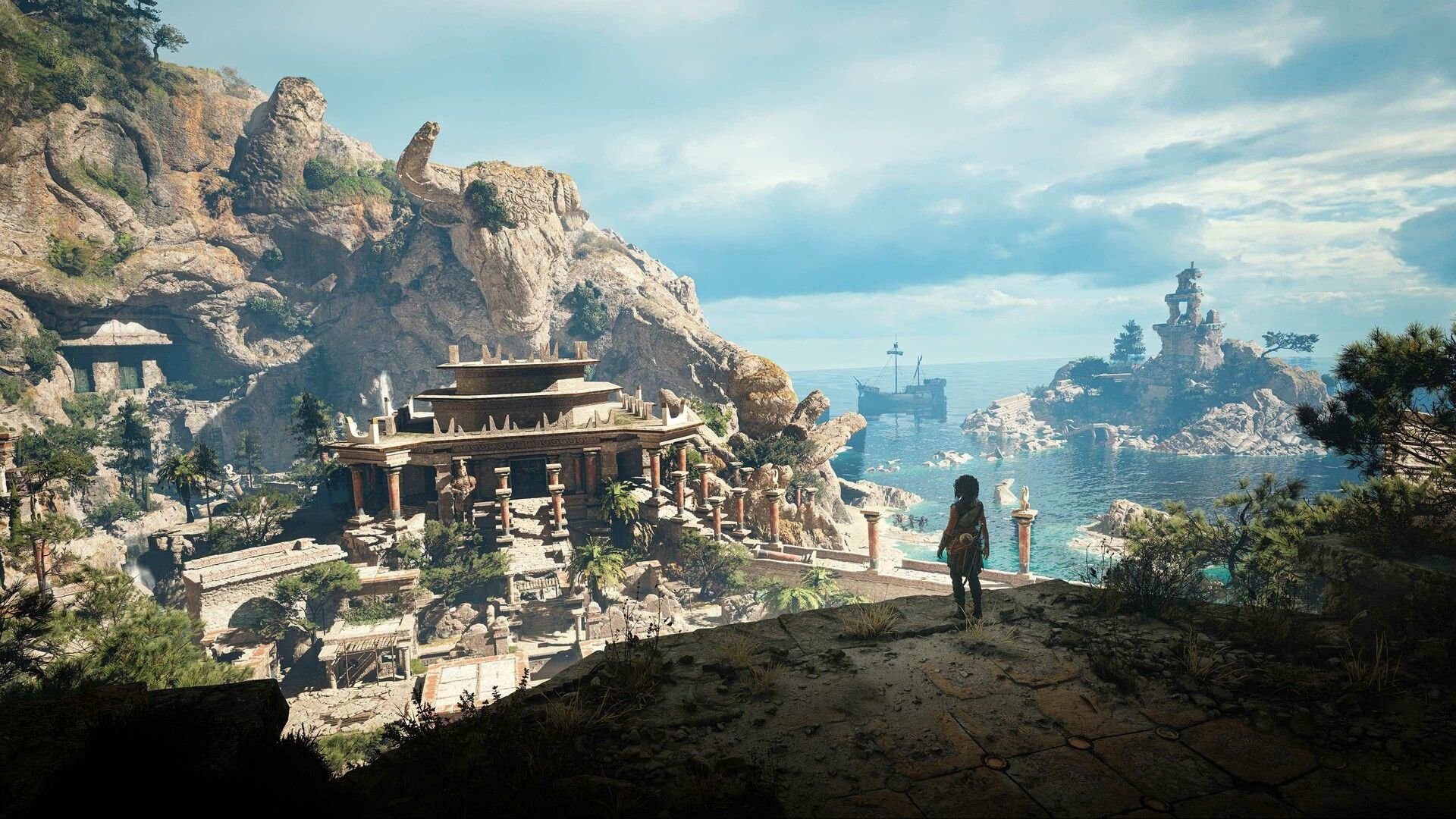
Asobo Studio has been building this universe since 2019, and Resonance looks like their most ambitious step yet. Where the original games used tightly scripted sequences and contained maps, Resonance seems to open things up. We’re not talking full open-world, but there’s clearly a bigger emphasis on exploration and interconnected environments.
The team is also pushing narrative design. With two timelines potentially running side-by-side, the game will likely dive deeper into how the Macula’s influence stretches across centuries. That alone could reshape what we thought we knew about this action-adventure game.
Trailer
The first trailer for Resonance: A Plague Tale Legacy was released in June 2025, and it sets the mood right away. It doesn’t give away too much, but it shows just enough to get fans excited. We see Sophia running through ancient ruins, fighting off enemies, solving light-based puzzles, and sneaking through dark places while something big and dangerous seems to be following her.
The island looks beautiful, but it is also dangerous; there are cliffs, caves, overgrown temples, and narrow paths full of traps. At one point, we see Sophia using the glowing Minoan sphere to move beams of light, unlocking hidden doors or activating old machines. The trailer also gives us a few fast glimpses of another timeline, possibly from the ancient past. A second character appears, dressed in older armor, standing in a stone hall. It’s still a mystery who they are, but the trailer hints that their story is connected to Sophia’s. Even though the trailer doesn’t show the full gameplay, it gives a strong idea of the tone: fast-paced, mysterious, and full of tension.
Release Date and Platforms
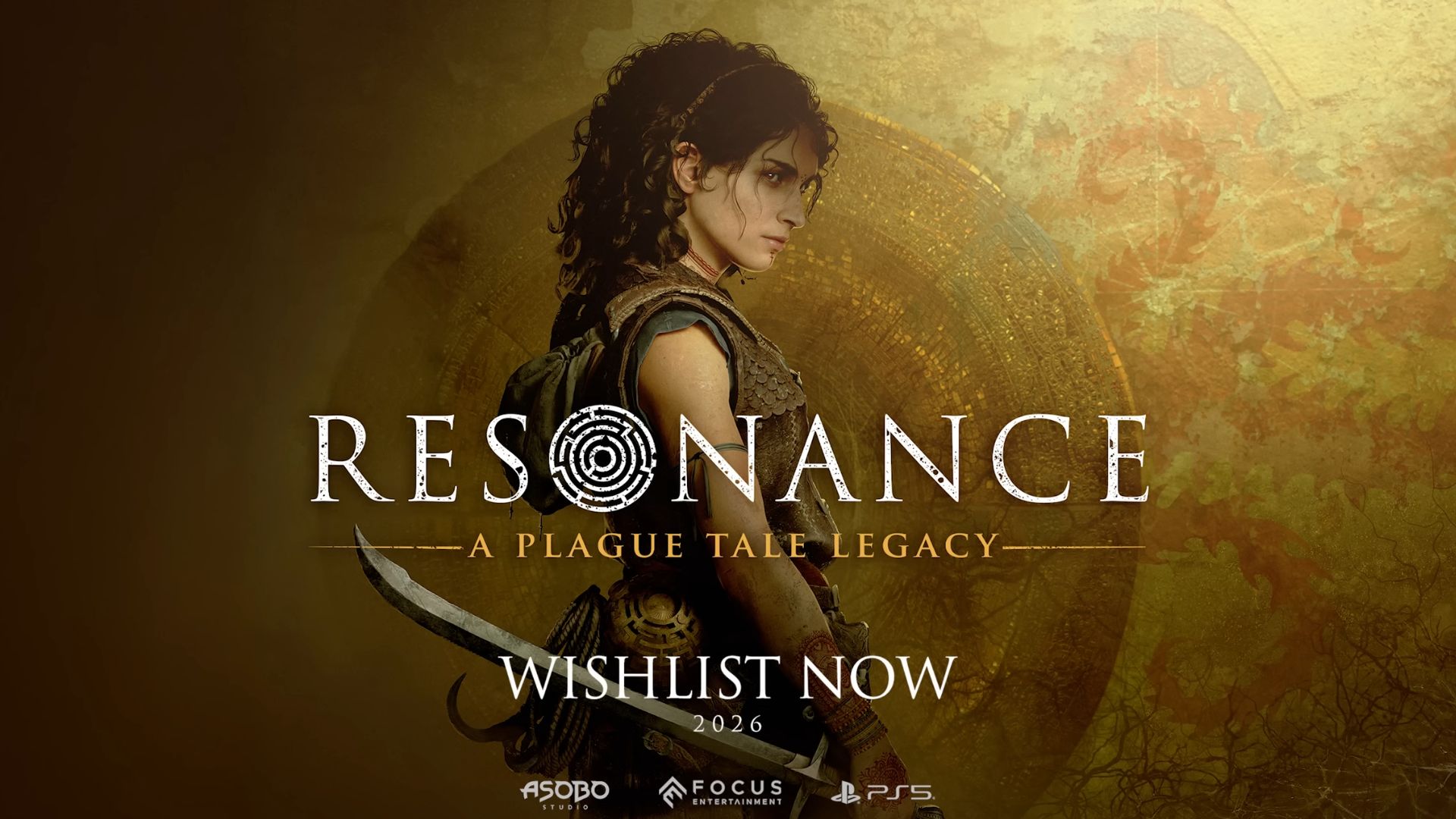
Resonance: A Plague Tale Legacy is scheduled to release sometime in 2026. No specific day or month has been confirmed yet. As for platforms, the game will be available for PlayStation 5, Xbox Series X|S, and PC. Given that Requiem skipped PS4 and Xbox One, this will almost certainly be current-gen only. That frees up Asobo to go bigger in terms of visuals and performance.