-
News
10 Largest Casinos in the World (2026)
Despite the popular belief that land-based casinos (or brick-and-mortar casinos, as they are also known) are... -
News
Top 10 Largest Casinos in the United States (2026)
While online casinos are far more convenient, many people still make an effort to travel across the country... -
News
Top 10 Largest Casinos in Canada (2026)
Online casinos are all the rage nowadays; not only are they easy to access but players can find tonnes of... -
Gambling
Las Vegas vs Macau Casinos
Las Vegas and Macau are both hugely popular destinations for casino goers. They both have more than their... -
News
Atlantic City Vs. Reno Casinos
More times than not, the first city that comes to mind in reference to "gaming capitals of the world" is Las... -
Gambling
Las Vegas vs. Atlantic City Casinos
Atlantic City vs Las Vegas is the East Side vs West Side casino battle in the USA. Both cities have built...

Behind the Casino
Casino Architecture: Designing Spaces for Play and Profit

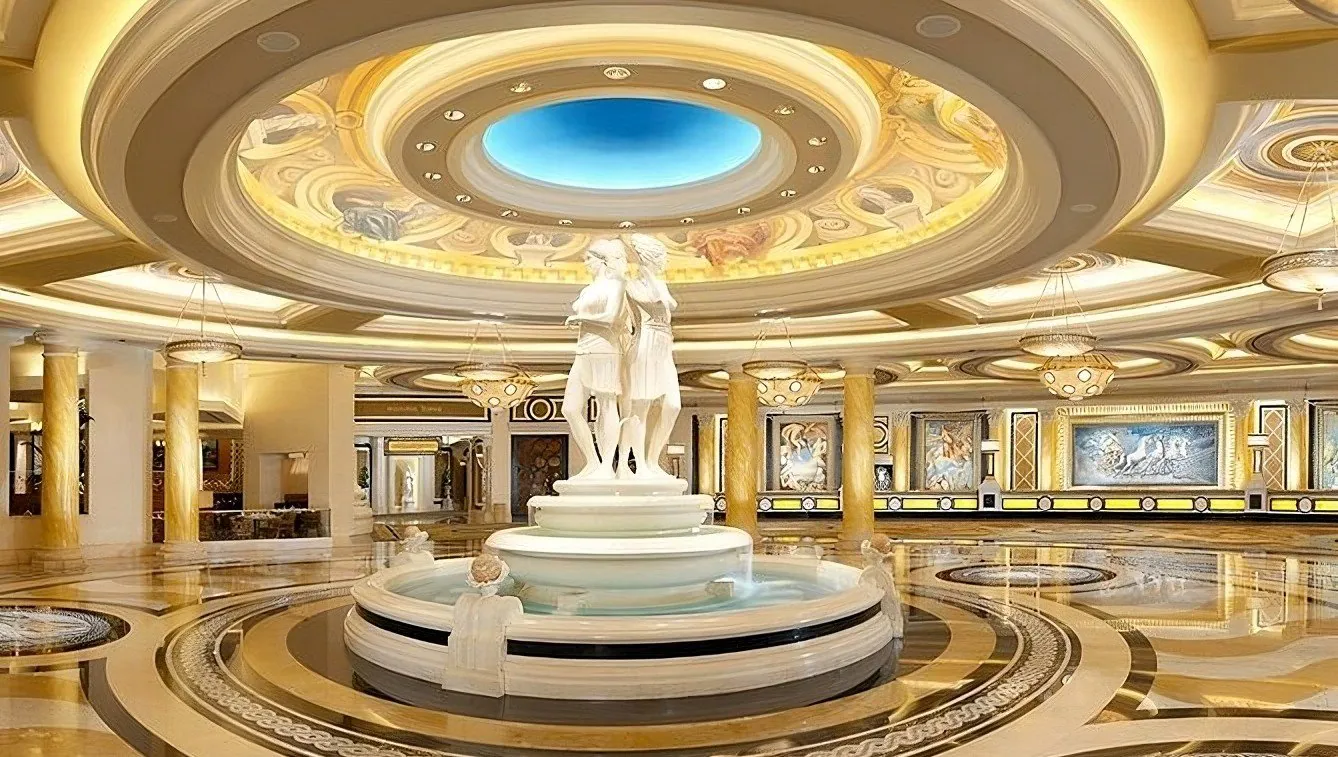
Casinos are designed to evoke feelings of luxury and grandeur. When entering the most prestigious casinos in the world, it feels like we are entering a palace of sorts. These bigger casinos often have their own themes, which is expressed through the furnishings, decor and design of the spaces.
Just like shopping malls, airports, offices and other establishments, casinos are designed for function, and not just aesthetic. Behind the staggering chandeliers or regal decor, there lies a meticulously designed gaming center that must serve its purpose. The casino must have spaces that allow organic circulation, encourage patrons to explore the various rooms, and are masterfully designed to host players for longer periods of time. The devil is in the details, and we will look into a few aspects of the design of a casino now. Then, we will debunk some common myths about casino design.
Functionality of Casino Spaces
Stripping all the colors and brilliant ornamentation, and there’s not much to distinguish a casino from a simple office or gym. There are grand open spaces, easy navigation and visibility, and a natural circulation around every corner of the establishment. Making open spaces is vital to creating a grand feeling on the casino floor. It makes the casino seem larger, and it is easier to spot different areas and zones.
Casino Zoning is vital to creating some organization for visitors. It makes it easier for guests to find what they are looking for, and to not get confused on the gigantic casino floor. Zoning includes the following categories:
- Gaming Machines
- Live Tables
- Electronic Tables
- Poker Rooms
- Exotic Games Rooms
- High Limit Areas
- Sportsbook

And then we haven’t factored in the other important auxiliary zones, which are vital for hosting visitors.
- Bathrooms
- Cashier Office/Windows
- Lounge
- Bars/Restaurants
- Staff Rooms
- Tech Rooms
- Storage
Maintenance and Sustainability
The biggest casinos in Vegas, or any other city with high gambling tourism, are generally open 24 hours a day. Sure, there are quieter times during the day, but when the traffic picks up in rush hour, everyone must be on high alert. The casino games must be fully functional and gaming standards must be kept. Staff rooms, storage and tech rooms are all important to ensure that the staff have the means to keep everything running smoothly.
The storage is an essential part of maintaining a casino. There must be replacement decks, dice and even roulette balls to maintain a high gaming standard. But then they can also store additional gaming machines or tables in the event that one on the casino floor is damaged or needs swift replacement. The show must go on for the visitors.
Designing Theme and Ambiance
Casinos must stand out from their competitors, and there are a number of ways that they can do this. Offering specialized games, extensive service, or providing more luxurious amenities can all help a casino distinguish itself. But having a theme is taking that to the next level.
Most bigger casinos have some kind of theme, whether it is ancient Rome, Italian palaces, colonial, or post-modern, they can emphasize this theme in virtually every fact you can think of. From designing the suites in a casino resort to the selection of slots, the theme can be expressed almost anywhere.
Themes do not necessarily need to stick to epochs or eras of architecture. Casinos such as Circus Circus and Studio City are based on circuses and DC/Marvel films. On the Las Vegas Strip, there are countless casino resorts with very specific themes. Luxor has an ancient Egyptian theme; The Venetian is based on the Italian city of Venice; and Paris Las Vegas has a mini Eiffel Tower and Parisian motifs. By picking a niche and exploring its every angle, casinos can really take gamers into a realm of their own invention.

Security and Maintaining a High Standard
Within the walls of a casino, huge sums of money change hands on a daily basis. These are spaces for entertainment and gaming, and a feeling of safety must be established. This is done through immense surveillance and vigilant security personnel within the casino. They can’t do this via armed guards and metal detectors, otherwise guests would feel like they are walking into a prison, rather than a luxurious gaming facility.
High quality cameras are spread out across the floor space, to monitor everything that is happening. This is not primarily done to ensure no one is cheating at any of the games, although that is also something that the pit bosses and casino personnel have to keep an eye on. These cameras have facial recognition technology to ensure that only people who are eligible to play can enter the casino. Anyone who has been suspended or is not eligible (either too young or on a self-exclusion register), will not be permitted to enter. Furthermore, these cameras are used to ensure no visitors damage any of the games, misbehave and disrupt others, or even steal from the casino or other guests.
Driving Profit Through Design
Every single nuance of the gaming experience must be considered when designing a casino. From how the floor space is zoned to the placement of the tables and machines. The aisles must be wide enough to allow organic circulation, and there must be ample signage for guests to locate the games they want to play. There are some areas that the designers can use to improve the appeal for any passers-by.
For example, they can place the high-traffic machines within view from the entrance, to encourage people to enter the casino. Nothing works more than a crowd of people, buzzing machines and a busy atmosphere that shows you the casino is open for business. It is the same in a shopping mall. We are more attracted to the shops that have customers than the dead silent shops where a bored cashier is sitting and waiting for someone to enter.
Lighting and open spaces are needed to make the casino visually appealing to enter. These are grand spaces in which you can leisurely stroll about or sit down to take in the ambiance. If they have tight aisles or seem overly crowded, then guests can feel slightly uncomfortable. Even the smallest notion of discomfort can turn away patrons from staying, or returning to the casino at any point in the future.
The successful casino is the one that not only welcomes guests and gives them a memorable experience, but encourages them to come back soon. The designers cannot simply fill the floor space with machines or cram in as many games as possible. They have to find a harmony between the number of games and the space available.
Common Myths About Casino Design
There are lots of conspiracies about brick and mortar casinos. For example, casinos have labyrinthine slots aisles and design spaces to make it difficult for players to exit. This is simply not true, as then it would be just as hard to enter the casino. A lot of casinos emphasize big spaces and easy navigation so that guests can traverse the spaces without getting lost or frustrated.
Another common myth is that casinos pump Oxygen onto the floor space to keep gamers alert and active. Or that they have ergonomic chairs at slots to ensure gamers are seated upright and can maintain their focus for longer periods. While ergonomics and comfort are essential, casino designers don’t pump Oxygen or use cheap tricks to keep players playing. They are more concerned about providing a positive gaming experience, that will keep the gamer coming back for more.
One myth that we have heard a lot is that the casino owners have “losse” machines, and place these strategically to lure in gamers. These games pay out more, but never jackpots or big sums of money. The idea is that newcomer will try them out and get on a winning streak. From there, they will want to go deeper into the casinos to see if their luck will continue on the progressives and jackpot slots. It is simply not true, as all gaming machines come fully tested and use complex algorithms to make each outcome fully randomized.
Conclusion
Ultimately, the designers must bring out the very best out of the space and resources they have. The designers create the spaces to bring the maximum profit, without overwhelming the guests. Or making it impossible to manage the operations.
Some casinos have fewer games, but their game choice and premium services are enough to beat casinos twice as big. It is not easy to create a casino with good functionality and navigability. All while dazzling the visitors with awesome lighting, grandiose spaces and thematic decor. But if all the expectations and conditions are met, a well designed casino will practically run itself.




