Reviews
Day of the Shell Review (PS5, Xbox Series X|S, PC, Switch)


These days, there’s no shortage of roguelikes. You’ve probably dodged countless bullets, raced through procedurally generated levels, and scooped up all sorts of random loot. However, every once in a while, a game comes along that truly stands out. That’s exactly what Day of the Shell does, and no, it’s not just because of the mutated crustaceans with laser cannons.
Developed by Craterhead Studios, Day of the Shell combines bullet hell action, fast-paced roguelike gameplay, and a surprisingly emotional sci-fi story. Additionally, it boasts a distinctive art style that falls somewhere between neon sludge and pixelated nightmare fuel. In short, it’s weird and wild, and somehow, it works. So, is this a shell worth cracking, or just another drop in the ocean? Let’s find out.
Story
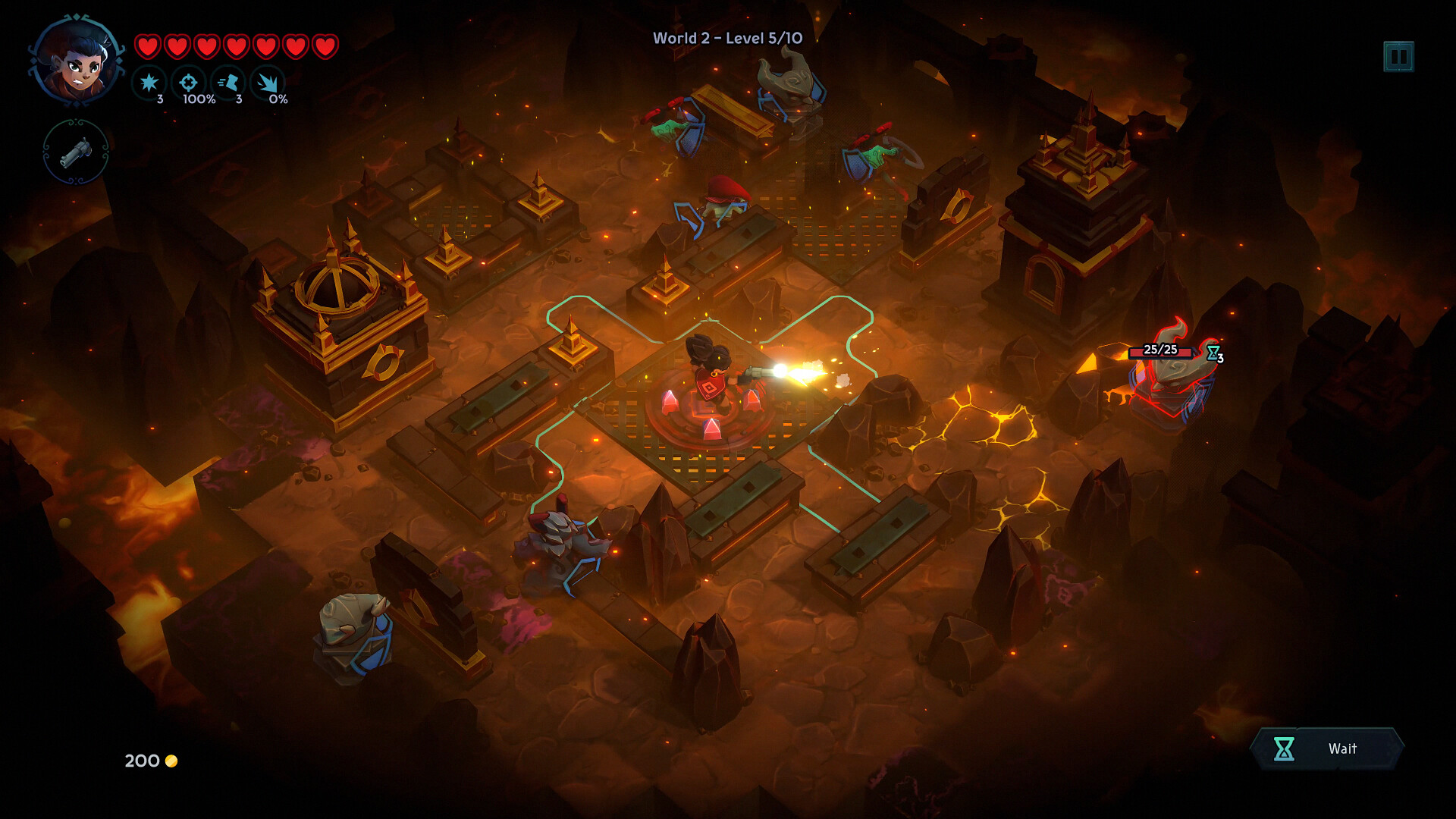
Day of the Shell sets the tone. You wake up in a flooded, rusted-out military facility with no memory, surrounded by the haunting remains of a world long since conquered. Instead of zombies or aliens, Earth’s downfall came courtesy of The Shell, a biomechanical force made up of hyper-evolved sea creatures. It’s as bizarre as it sounds, and yet it pulls you in instantly.
You play as a Shellwalker, a human-hybrid survivor outfitted with combat-grade shell armor and a mysterious connection to the invading force. Your goal? Fight your way through the remains of civilization, piece together your past, and just maybe find a way to end the reign of claws and corruption. Think Returnal meets Sundered, but with a dash of Teenage Mutant Ninja Terrors.
The environments are richly varied: drowned cities overtaken by coral, glowing abyssal research stations, and crustacean temples buried beneath tectonic fault lines. And each biome tells a story. Environmental storytelling is strong here, ruined billboards, flickering terminals, and drowned diaries hint at the fall of humanity without ever dumping exposition. It’s subtle but effective.
Gameplay Breakdown
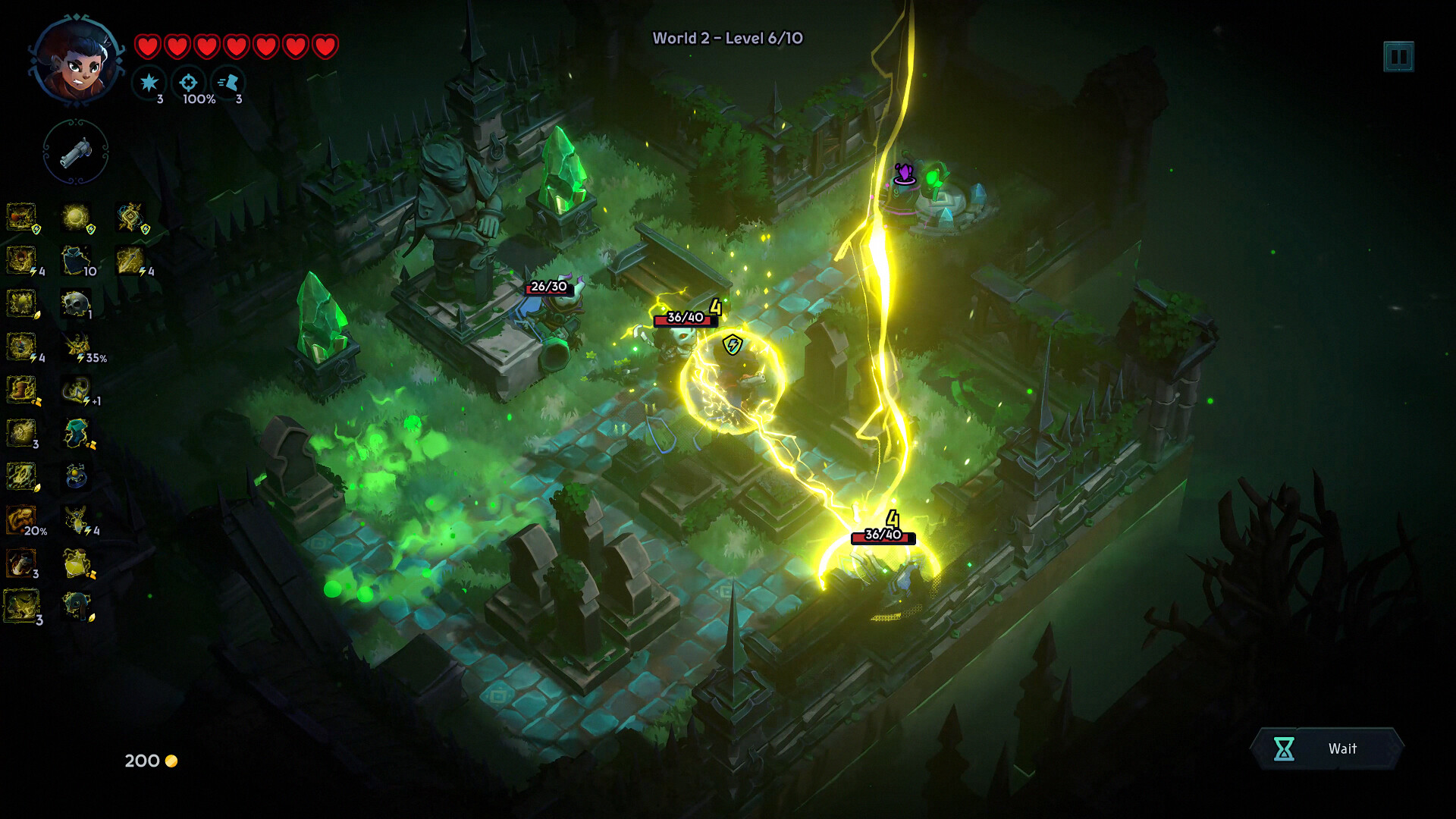
At its core, Day of the Shell is a rogue-action bullet hell shooter with tight twin-stick controls. Think Nuclear Throne meets Enter the Gungeon, but with a sci-fi shellfish twist. Every run throws you into procedurally generated environments, from flooded subway systems to coral-infested skyscrapers, each packed with enemies that evolve between playthroughs.
What makes it stand out, though, is the Shell System. Your character can pick up different mechanical “shells” mid-run, each one granting new abilities, weapons, and modifiers. Some boost speed and crit chance, and another turns you into a slow-moving tank with chain lightning claws. Each shell has strengths, weaknesses, and a unique skill tree you can build on during the run. You can only carry one at a time, though, so choosing wisely is key. It’s a smart risk-reward system that makes every decision matter.
This creates meaningful decision-making that goes far beyond weapon drops. Do you go with the safe option you’ve mastered, or switch to something new in hopes of countering that brutal boss waiting two levels ahead? It’s risk-reward done right, and it makes every run feel fresh. Bosses are another highlight. They’re big, bizarre, and completely unhinged. From a mantis shrimp that teleports and phases through walls to a crusty leviathan that fires ink-based mines, every fight is a spectacle. Patterns are learnable, but you’ll be sweating bullets by the end of each encounter, literally and figuratively.
The Grind That Doesn’t Feel Like One
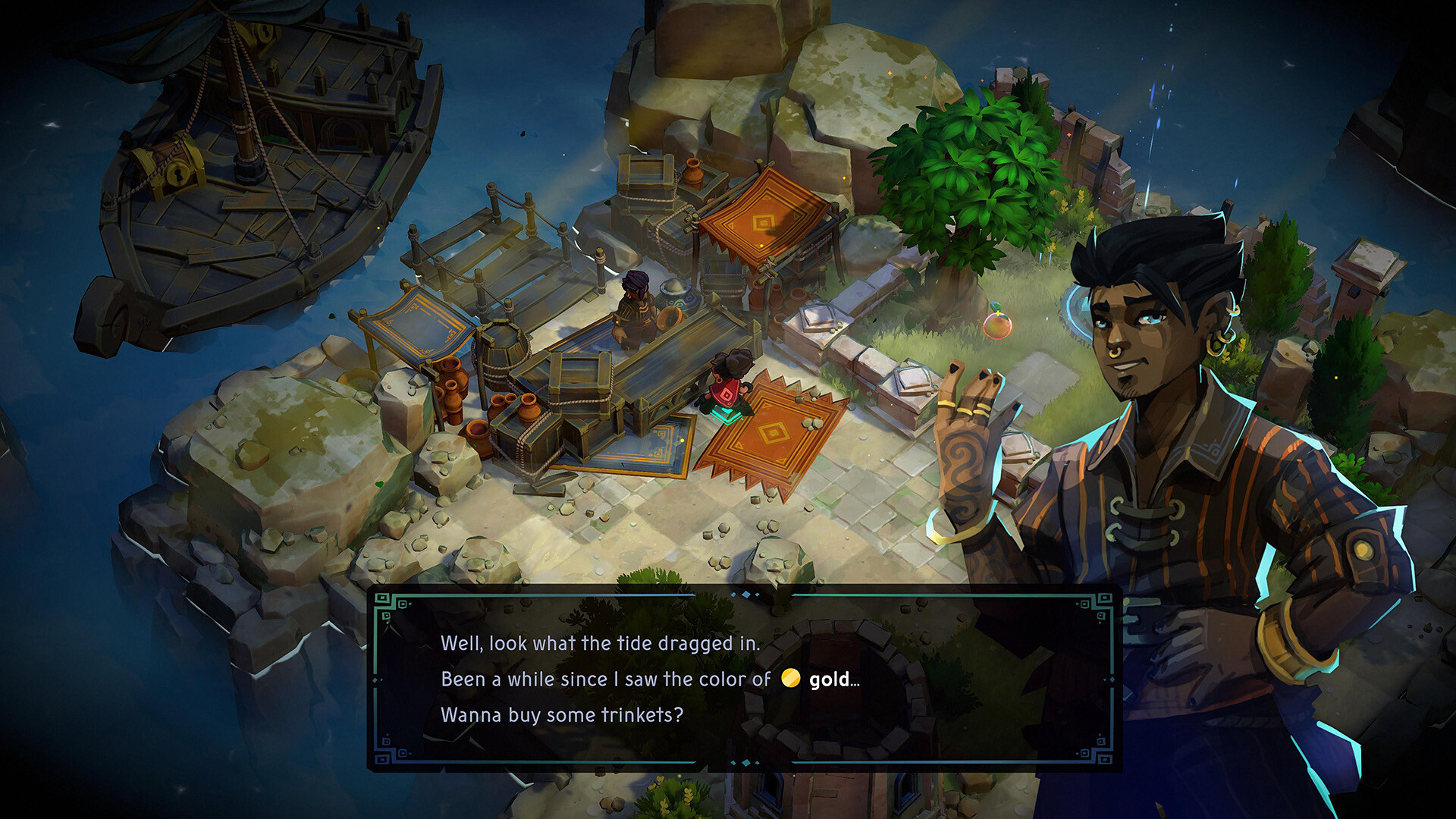
Progression in Day of the Shell is satisfying without being overly punishing. After each run, win or lose, you earn Shell Cores currency used to unlock new shells, permanent stat boosts, and world lore. You also gradually build out your home base, a flooded dockyard turned resistance hub. It’s a clever way to keep you invested even after a rough run.
And while the game doesn’t offer traditional checkpoints, you can unlock shell beacons that let you skip early levels after a few successful clears. It’s a smart compromise, one that respects the roguelike formula but avoids needless repetition. There’s also a New Game Plus mode unlocked after the first full clear. This adds mutation modifiers to every enemy type, environmental hazards, and even randomized shell damage systems. It’s chaotic in all the right ways and adds even more layers of challenge for hardcore players.
Pixel-Perfect Vibes & Sound That Hits
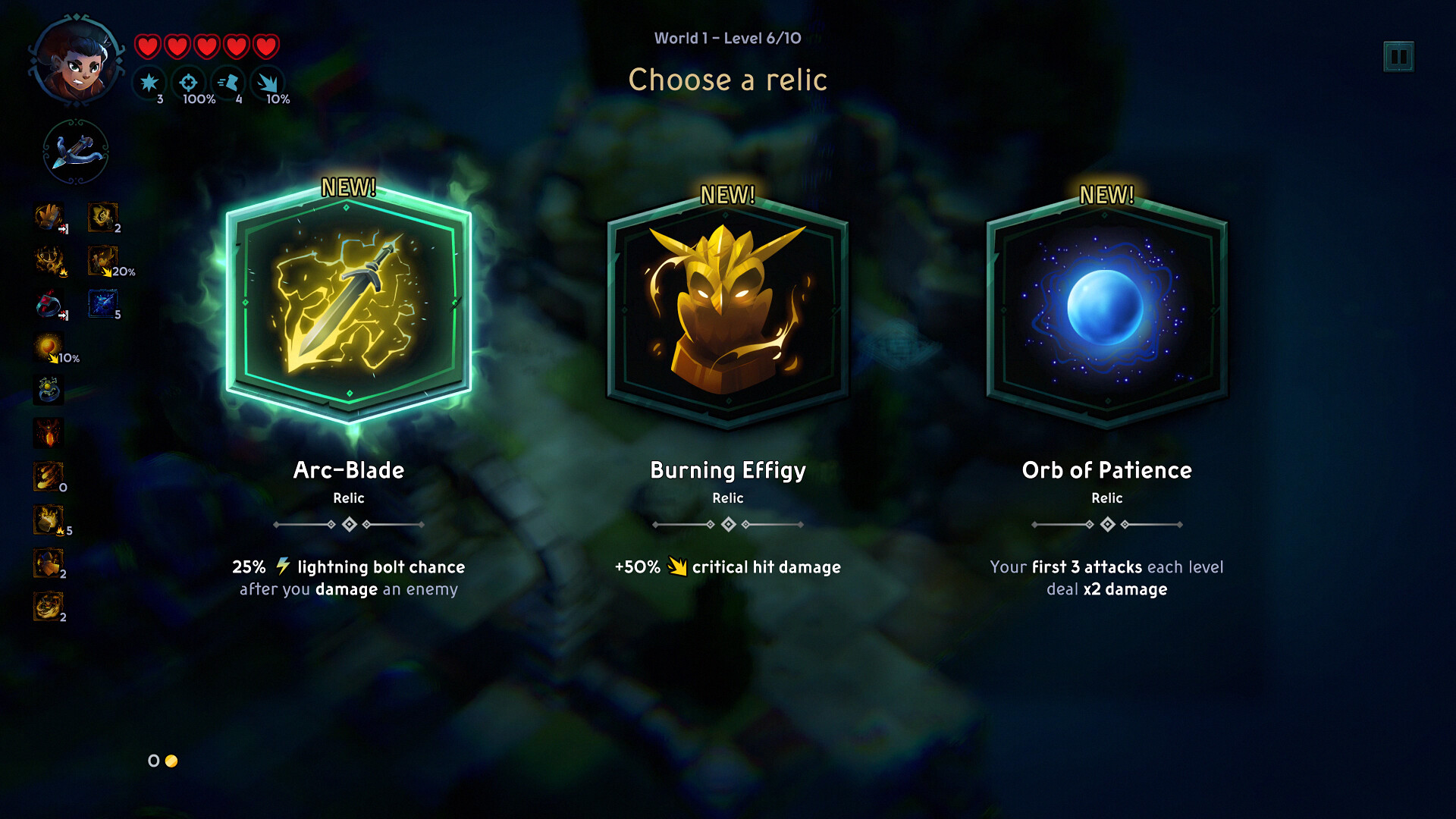
First off, Day of the Shell doesn’t aim for realism it goes for atmosphere, and it absolutely nails it. Instead of high-end graphics, the game leans into gritty pixel art, with smooth animations, moody lighting, and an underwater color scheme that gives everything a strange, glowing vibe. You’ll notice glowing coral that pulses, enemy eyes that flicker with menace, and wet metal surfaces that shine just enough to feel alive without overloading the screen.
What’s more, each area has its own identity. For example, the flooded megacity is all cold steel, broken walls, and collapsing rooftops, while the deep-sea research labs feel quiet and tense, lit only by flickering red lights and filled with a feeling that something’s not quite right. In short, every biome feels handcrafted and distinct, which keeps the game fresh each time you dive back in.
Then there’s the sound, which pulls everything together. The music shifts depending on what’s happening, quiet and eerie during exploration, then pulsing with intense electronic beats when combat kicks off. It’s not as aggressive as DOOM Eternal, but it still keeps you on edge in all the right ways.
Additionally, the sound design adds a layer of strategy. You can actually hear enemies before they appear, giving you just enough time to react. Even your shell’s footsteps sound different depending on the floor, metal, water, or sand. These small touches may not seem like much at first, but they add up to a world that feels alive, responsive, and totally immersive.
Progression, Lore & Why You’ll Keep Coming Back
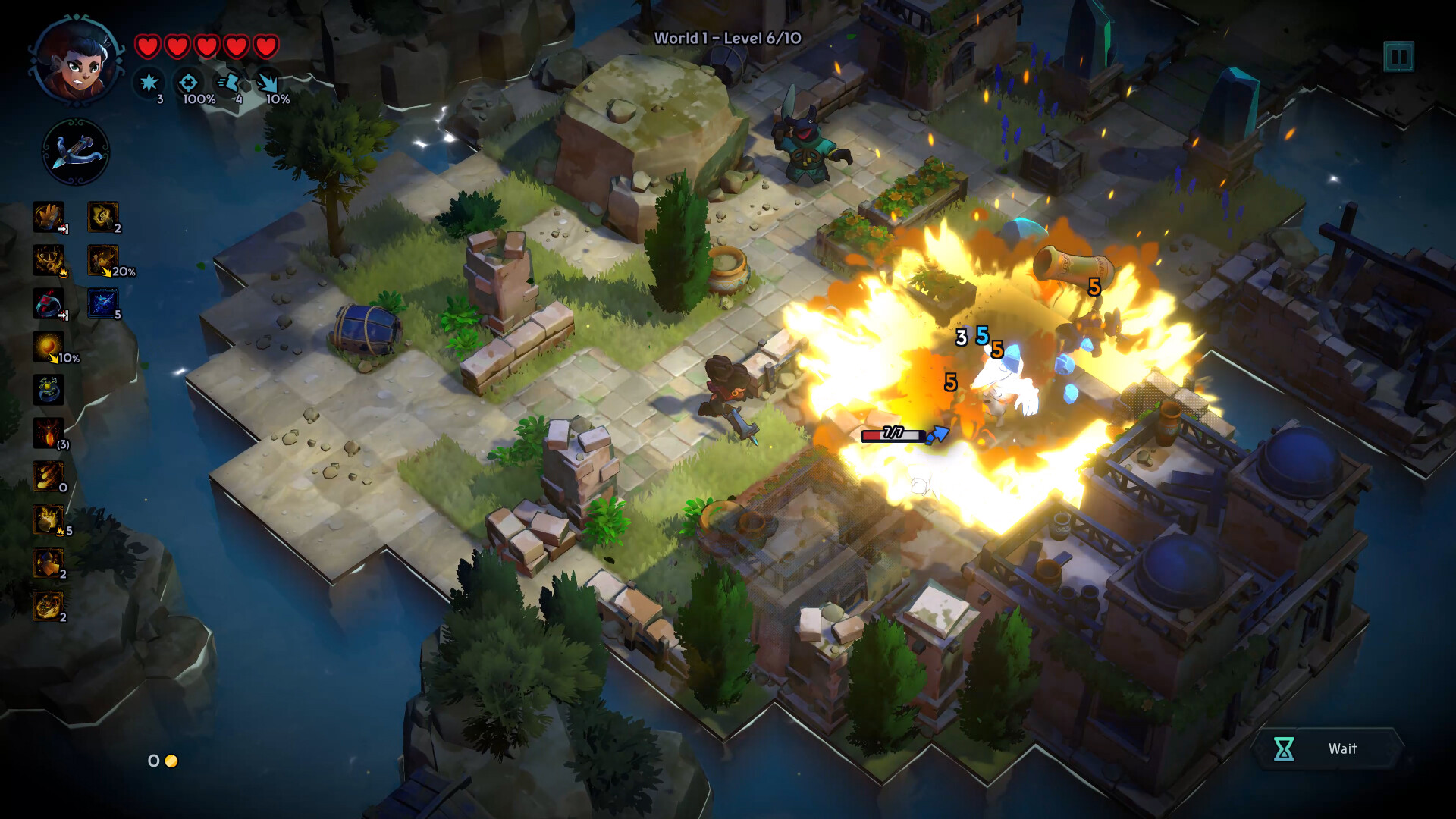
Every time you fall in Day of the Shell, it’s not really a loss. That’s because each failed run earns you Shell Cores, an in-game currency you can use back at base to unlock new gear, upgrade your shell, or snag blueprints for powerful weapons. It’s a familiar roguelike loop, sure, but it’s done right. You always feel like you’re moving forward, even when the ocean crushes you.
As you keep playing, things open up more. There’s a New Game Plus mode that spices things up with corruption modifiers, random effects that change each level, and pushes your reflexes to the limit. You’ll need to switch shells mid-fight, adapt on the fly, and learn which builds suit which threats. It’s tough, but it’s the good kind of tough, the one that makes you want to dive right back in. If you’ve played games like Hades or Dead Cells, you’ll feel right at home here.
But Day of the Shell doesn’t just thrive on gameplay. What really caught us off guard is how emotional and layered the story becomes. You’re not just blasting mutant crabs, you’re digging into a personal mystery. Through audio logs, scattered notes, and quiet cutscenes, you start to piece together a bigger picture. There’s a failed resistance movement, twisted experiments, and a character carrying a heavy loss. It’s dark, sure, but it’s handled with care.
To be clear, it’s not trying to be The Last of Us. It doesn’t need to be. The writing is sharp, the themes around memory and identity actually land, and if you push through to the true ending, there’s a real emotional payoff. And here’s the best part: if you’re not into lore, that’s okay too. You can skip the story bits and just focus on crushing enemies, upgrading your loadout, and seeing how far you can get. But if you are the kind of player who loves hunting for clues and piecing together a world’s backstory, Day of the Shell has a surprising amount to offer.
Bumps in the Coral
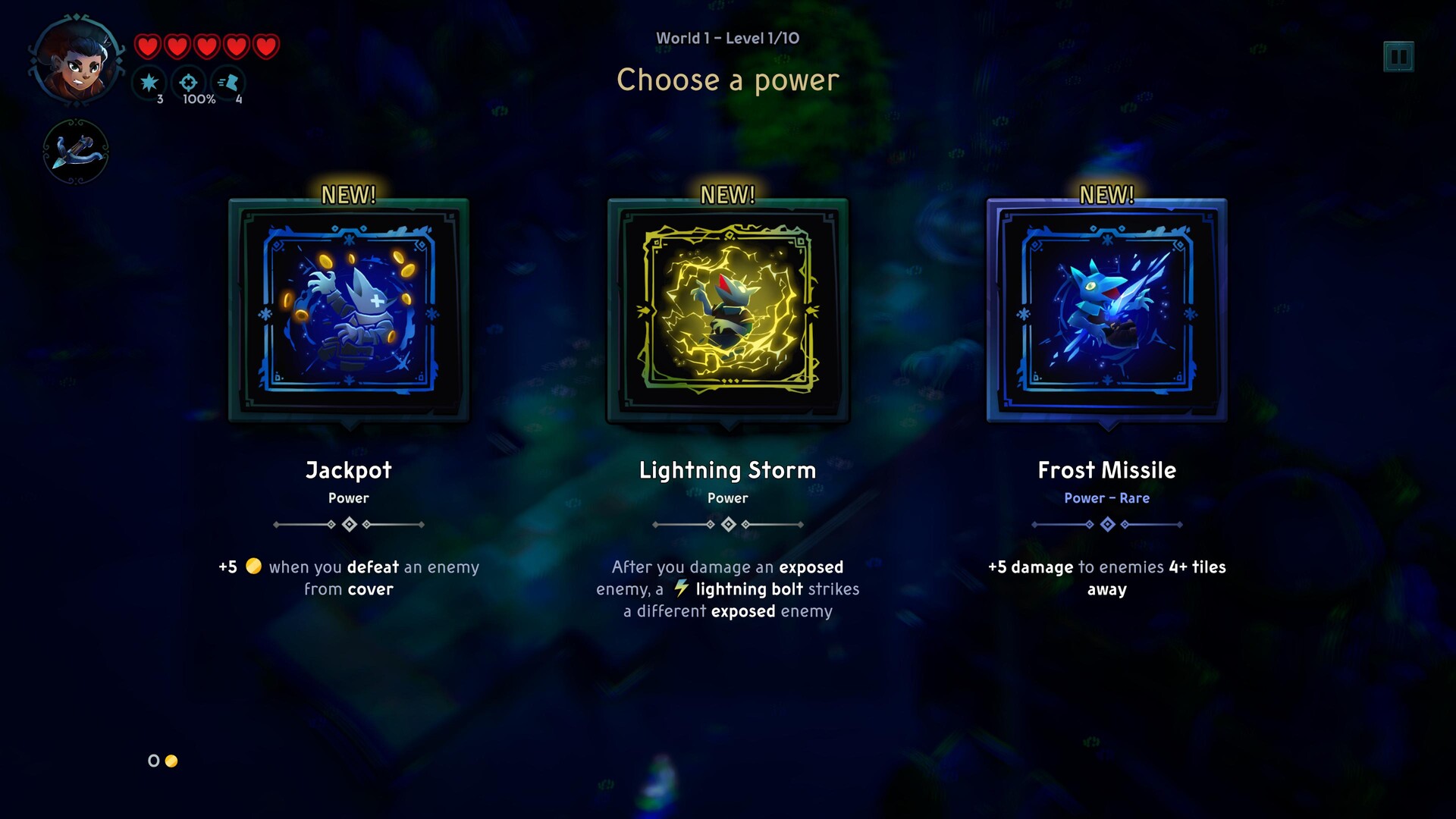
Day of the Shell might be a blast, but it doesn’t always play nice. The game throws you into the chaos like a rookie tossed into a shark tank with nothing but a snorkel and dreams. If you’re new to bullet hells, expect to die. A lot. It’s part of the charm or the trauma, depending on your patience level.
Another small gripe? There’s no multiplayer. While the solo design is tight and focused, it’s hard not to imagine how fun a co-op mode could be—two players combining shells for wild combos, tag-teaming bosses, and sharing resources mid-run. It’s not a dealbreaker by any means, but here’s hoping Craterhead Studios has something like that up its sleeve for a future update or sequel.
Still, minor issues aside, Day of the Shell shines where it counts. It could’ve easily been another quirky indie concept, mutated seafood, neon sludge, and some punchy pixel art. Instead, it delivers a fast, focused roguelike that’s both mechanically rich and surprisingly emotional. The shell system isn’t just a gimmick, it’s the backbone of a game that rewards experimentation. The world design stays fresh, the challenge keeps you hooked, and the story? Subtle, but unexpectedly powerful.
So whether you’re here for the deep lore, the crunchy combat, or just want to blast crustaceans in style, Day of the Shell is absolutely worth your time. If you’re after your next roguelike addiction, consider this one a must-crack.
Day of the Shell Review (PS5, Xbox Series X|S, PC, Switch)
Not Just a Gimmick
Day of the Shell could’ve easily been just another quirky indie concept with crab monsters. Instead, it delivers a sharp, satisfying roguelike with real depth both mechanically and emotionally. The shell system is more than a gimmick, the environments are consistently engaging, and the story, while subtle, hits harder than expected. If you’re looking for your next roguelike obsession or just want to shoot mutated seafood with purpose, this one’s well worth cracking open.