Reviews
Assassin’s Creed Series Review (Xbox, PlayStation & PC)

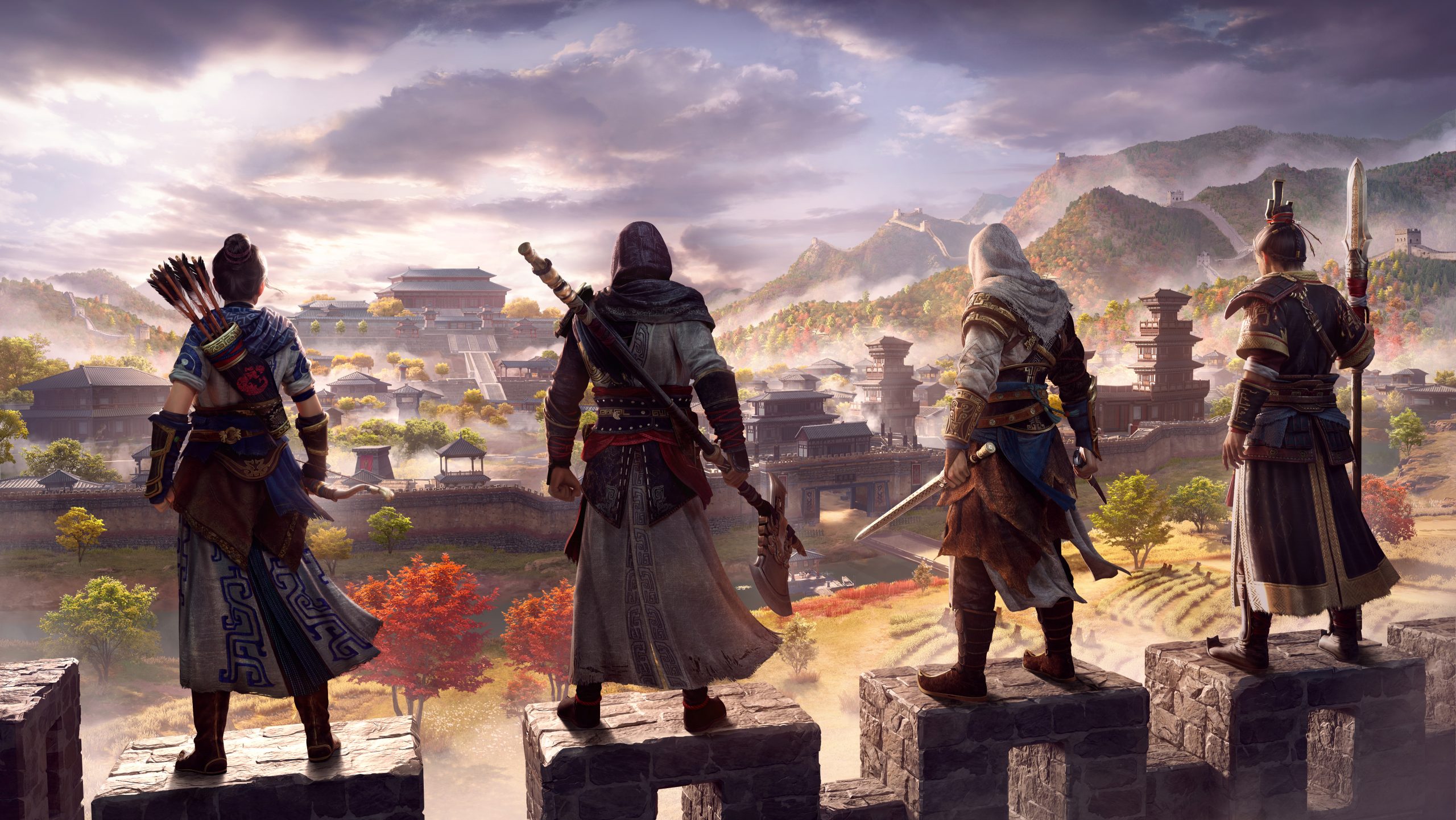
At one point I thought Ubisoft had the keys to a gold mine—a cash cow with an infinite supply of historical tales, dynamic cultures and interwoven characters. For the longest time—the Desmond era, to be more precise—I figured it could span countless timelines and still be able to regurgitate the same stories without losing its charm. And it did, at least for a short while. The Third Crusade lit the torch for the Italian Renaissance, and thus brought a whirlwind battle between two warring factions, Assassins and Templars. But then, just as soon as soon as it found its niche—the four pillars on which it could orchestrate a compelling narrative—it pivoted into another portal. Before long, stealth-based systems transformed into open-world RPGs with rich character development, and little by little, the franchise became something else entirely. And that, really, is where the great divide between two cliques became a major issue.
It’s no secret that Ubisoft has been working tirelessly to keep the flame alight for its poster child of historic sequences for decades. Take a firm look at the series as a whole, and you’ll quickly discover that, while the same signature format is still etched into its DNA, the faithful Animus has been an advocate for countless distinct themes and eras. Yet, there also comes a point when you have to ask yourself that all-important question: when is it time to send the Hidden Ones out to pasture? Should it have been after Revelations, Black Flag, or Unity? Was it significantly better as a linear franchise, or did the grand incubation of an open-world system change it for the greater good? Again, the divide between factions emerges here.
Hiding in Plain Sight

A lot of the time it feels as if Ubisoft has lost sight of what it wants to accomplish with its series. On the one hand, you have Valhalla—a massive open-world RPG with one of the most stacked campaigns of all time—and then, somewhere on the opposite end of the spectrum, you have Mirage—a subsequent expansion that just so happened to return to its roots, not to appeal to fans of the original anthology, but to test the waters for the sake of establishing whether or not the creators made a mistake. Shadows came shortly thereafter, and once again, it struggled to knuckle in on its own identity.
While I’m all for the idea of being able to hop between both sides of the Hidden Ones’ ever-shifting journey, I do understand the inconsistent nature that tends to plague the series’ abilities to remain grounded. And not only that, but the fact that, ever since the fall of series regular Desmond Miles, Ubisoft hasn’t been able to retain the Pieces of Eden timeline, let alone expand on it. Maybe that was the series’ greatest error: the fact that it abandoned its original premise and opted to take a stab in the dark to make historical fodder rather than keep to a formidable narrative with purpose and structure.
The Blades Falter

Frankly, there’s a fine line here between what makes Black Flag a perfect incarnation and what makes the likes of Origins a game changer for the franchise. On the one hand, the series more or less peaked with the golden age of piracy, whereas the adoption of the RPG format was crucial for the evolution of an otherwise dated formula. The question is, should it have fizzled out in the wake of supremacy, or was it right to alter the bone barrow to breathe just a speck of new blood into its seasoned carcass?
Don’t get me wrong, Assassin’s Creed is still one of Ubisoft’s best franchises to date. Granted, it’s one that has also, unapologetically, undergone significant changes in order to remain competitive among other open-world IPs. But, to give credit where it’s due, it has been able to finesse its signature formula over the years and transform a wooden infrastructure into a fluid and almost complete system with both satisfying parkour mechanics and smooth character progression to uphold its core values.
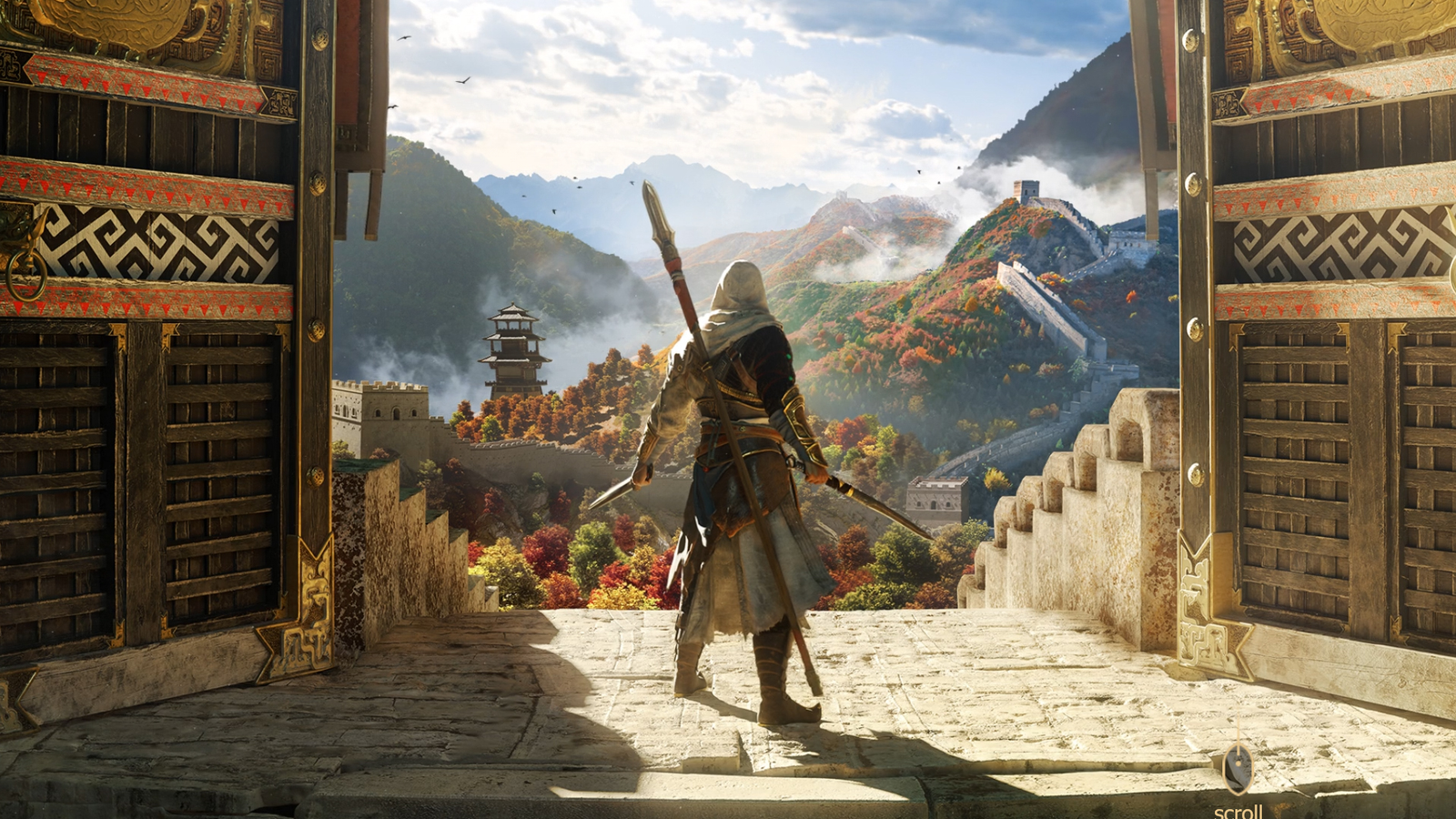
Gameplay-wise, Assassin’s Creed has been awfully accommodating to its one-track mind ever since its global inception. There’s a running joke here, in fact, that if it contains trailing quests, then it’s more than likely an Assassin’s Creed iteration. The point is, it doesn’t take much to clock the series’ primarily traits and rules of play. The settings and time periods may be different, true, but the code of practice is all too familiar and often comical. That isn’t to say that you won’t mindlessly subject yourself to the same routine several times over, mind you. Yet, there’s a pattern here, similar to that of Far Cry’s tediously designed radio towers or hostile camps that are, annoyingly, as common as the flu. But that’s Ubisoft, in a nutshell.
Verdict
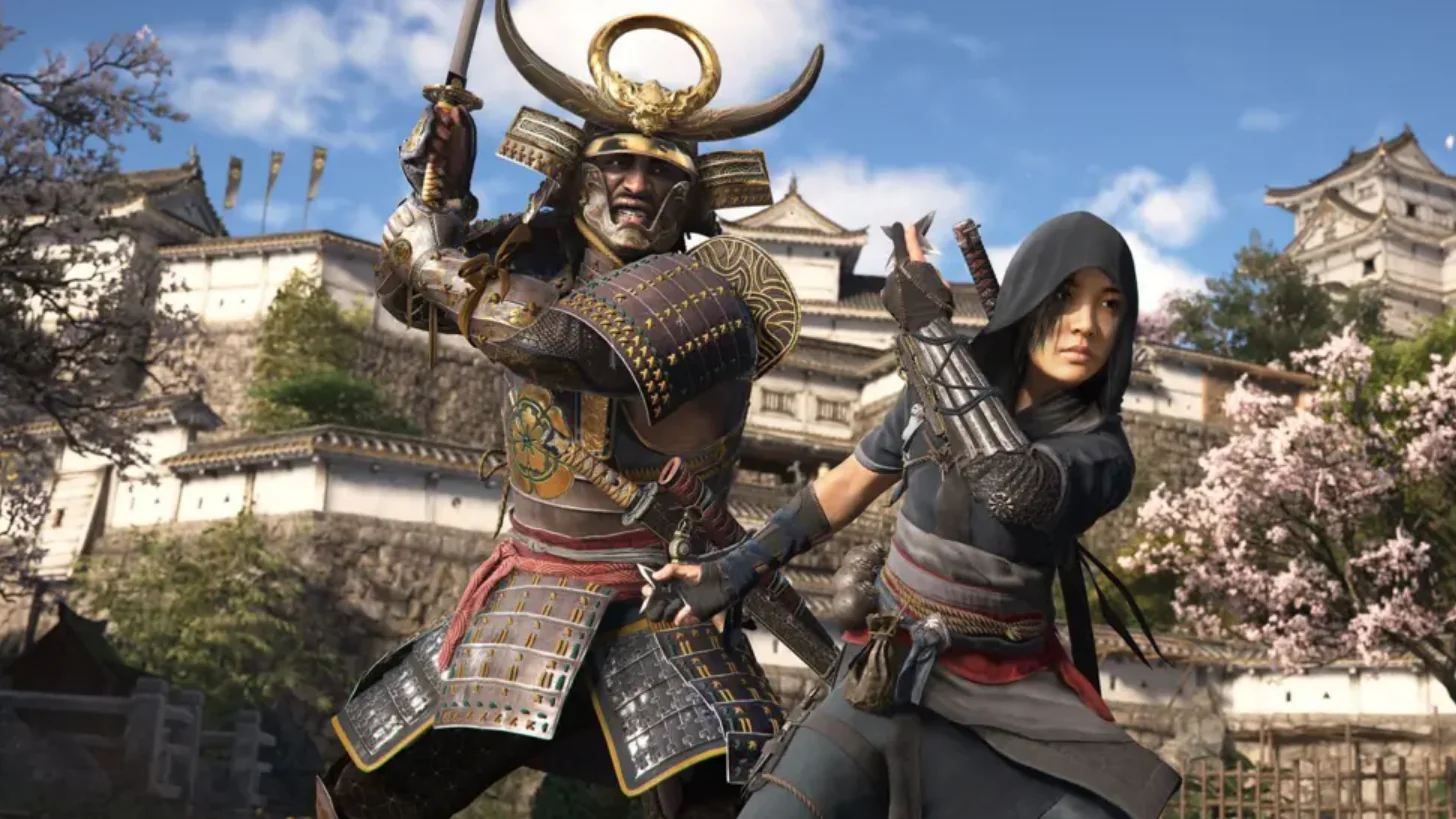
Assassin’s Creed defies the test of time as a historical series that openly refuses to let the Hidden Ones die gracefully. Although visually and oftentimes audibly beautiful, the series itself has sadly hit a plateau with its abilities to weave fresh tales and experiences, thus making the future of the franchise a difficult ball to swallow without first needing to juggle a plethora of inconsistent theories and concepts. Maybe that’s the nail in the coffin here: the fact that Ubisoft has bitten off more than it can chew and has no idea how to restore the original charm of its initial saga. Maybe, just maybe, it should have pivoted into a separate series after the death of Desmond Miles.
With all of the above said, what Ubisoft has in the palm of its hand is a pot of gold—an opportunity, if anything, to utilize the Animus to create hundreds, if not thousands of different themes and timelines. It seems to be going that way, too, with its Assassins already having influence over countless time periods and their fingers in one too many pies. The question is, how much more can Ubisoft do before the series finally runs out of steam? Is there still a future for the Hidden Ones, or would it have been better if they had buried their blades in the aftermath of piracy?
Assassin’s Creed Series Review (Xbox, PlayStation & PC)
Timeless, But Predictable
Assassin’s Creed defies the test of time as a historical series that openly refuses to let the Hidden Ones die gracefully. Although visually and oftentimes audibly beautiful, the series itself has sadly hit a plateau with its abilities to weave fresh tales and experiences, thus making the future of the franchise a difficult ball to swallow without first needing to juggle a plethora of inconsistent theories and concepts.



