News
Alarming New Report Reveals the Hidden Dangers Lurking in Your Child’s Favorite Online Games

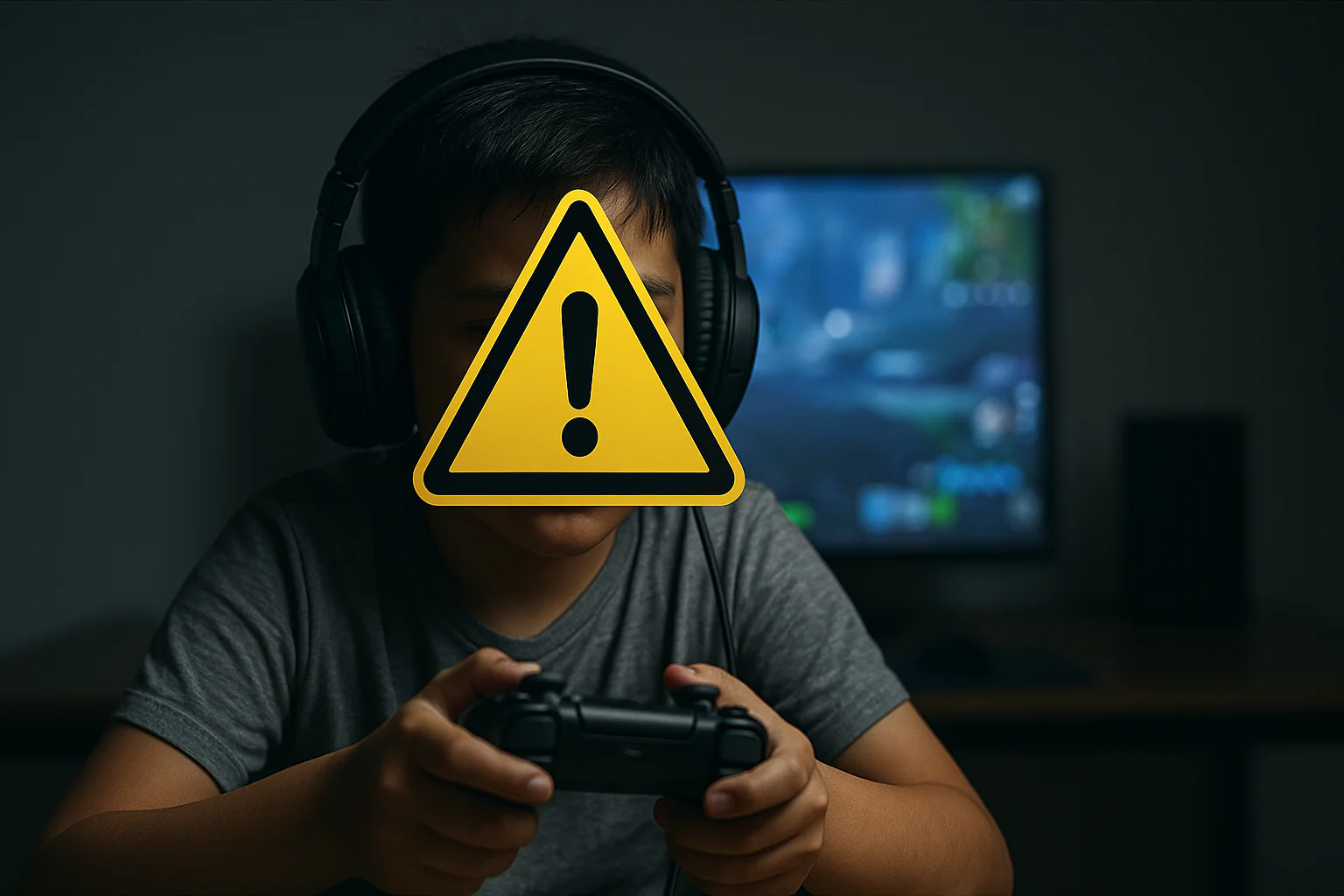
For millions of kids around the world, online gaming is more than just a pastime—it’s where they make friends, express creativity, and explore new worlds. But beneath the surface of these digital playgrounds lies a far more troubling reality. A new report from AI safety company Kidas has exposed the widespread dangers children face while gaming online—dangers that are often invisible to parents, educators, and even the platforms themselves.
In their Q1 2025 analysis of nearly 14 million text and voice conversations, Kidas detected thousands of serious safety threats across PC games, esports venues, and Discord communities. The findings are a wake-up call for anyone with a child who plays online.
The Top 3 Threats Every Parent Needs to Know
According to Kidas, three categories made up the bulk of the most alarming alerts:
-
Location Exposure (1,581 alerts)
Kids often share personal details—like their city, school, or neighborhood—without understanding how easily this information can be pieced together by strangers. For predators, even vague references can be enough to pinpoint a child’s location. -
Exposure to Sexual and Explicit Content (494 alerts)
Many children are exposed to sexually inappropriate comments, jokes, or images, even in mainstream gaming spaces. These interactions can be subtle or shockingly overt—and they’re happening in the very places parents assume are safe. -
Toxic and Violent Communication (249 alerts)
From death threats to racial slurs, aggressive online behavior has become normalized in many gaming communities. This environment can desensitize young players, making abuse seem like just another part of online culture.
A Real-World Example: One Child’s Disturbing Experience
One of the most sobering stories from the Kidas report involved a 13-year-old boy from Michigan who faced repeated harassment on Discord. After being insulted and exposed to sexual content, the child threatened to harm himself—not once, but on two separate occasions within days. Despite this, he continued interacting in the same toxic spaces, even sharing his personal social media accounts in chat.
It’s this kind of tragic loop that highlights the critical gap in awareness and intervention. Without tools like Kidas in place, parents often have no idea these interactions are even happening.
What Other Threats Are Hiding in Plain Sight?
Beyond the big three categories, Kidas uncovered a disturbing range of additional dangers:
- Account Security Breaches (184 alerts) – Unauthorized logins targeting kids’ gaming accounts, risking personal data and hard-earned digital assets.
- Scams & Financial Manipulation (152 alerts) – Fake in-game offers and phishing scams that trick kids into giving away passwords or even real money.
- Photo Sharing Vulnerabilities (141 alerts) – Innocent selfies can quickly lead to exploitation, especially in platforms lacking strong media controls.
On the emotional and psychological side:
- Hate Speech (138 alerts) – Discriminatory language that marginalizes players based on race, gender, or identity.
- Predatory Behavior (75 alerts) – Adults posing as peers to engage in grooming tactics or inappropriate conversations.
- Mental Health Crises (21 alerts) – Children expressing self-harm ideation or suicidal thoughts in gaming chats.
- Drug Mentions (29 alerts) – Conversations that casually normalize substance use among young audiences.
- Disclosure of Personal Information (29 alerts) – Real names, email addresses, and social media handles being shared without any filter.
Why This Matters — and What You Can Do
Ron Kerbs, CEO of Kidas, put it bluntly: “Behind every alert is a real child facing risks that could have devastating consequences… Gaming is more than entertainment—it’s where kids learn, grow, and connect. But those same spaces can also be incredibly dangerous if left unmonitored.”
Kidas’ AI-powered ProtectMe software offers one of the most advanced tools for helping families navigate this digital minefield. It silently monitors in-game voice and text chats across hundreds of popular titles and generates custom reports—weekly, monthly, or instantly when urgent threats are detected.
Parents are emailed summaries that clearly show whether their child encountered predatory behavior, privacy concerns, or harmful language. It’s a noninvasive, behind-the-scenes solution that puts control back in the hands of caregivers.
Even better, Kidas also developed the ProtectMe Bot—the first of its kind for Discord—that offers real-time moderation of both chat and voice channels, helping protect entire communities from toxicity.
Final Thoughts: Be Informed, Be Involved
“There’s no guarantee a child won’t encounter harmful behavior online,” said Caren M. Schiffman, Assistant Attorney General for the District of Columbia, “but caregivers can reduce the risk by staying actively involved in their child’s digital activities.”
That means:
- Learning the games your child plays.
- Setting clear expectations and safety rules.
- Talking openly about online interactions.
Online gaming should be fun, creative, and safe. But as Kidas’ Q1 2025 report makes heartbreakingly clear, we have a long way to go. By staying informed and taking action, parents can reclaim peace of mind—and help build a gaming culture where children can thrive without fear.




