Psychology
The Paradox of Choice: How Too Many Options Affect Gambling Decisions


There are lots of things we gravitate to when browsing top online casinos or sportsbooks. The size of the bonuses, special gaming or betting features, mobile compatibility, even the variety of payment options. Bonuses and promotions rank high up on that list, and they are very eye catching. One of the other aspects that ranks pretty high up is how many games an online casino has in their repertoire. Or, for sports bettors, the number of sports categories covered and betting markets for individual games.
The more games or sports bets a platform has, the more perceived value it has above the competition. It is really quite a paradox, as the average gamer is not going to try thousands of games. You may not even play 100 games at an online casino. Yet still it feels more worth your time to sign up to the casino with 3,000+ games than the one with a “measly” 300+ games. Funnily enough, choosing the platform with more games or more bets can backfire on you.
When Too Much Choice Works Against You
The main focus of a sportsbook or casino is to maximise engagement and cater to as many gamblers as possible. For casino operators, this means bulking up on their games catalog, bringing in titles of all genres, and adding new games on a regular basis. That way, even the pickiest player will find a handful of options that do the trick. It is quite similar for sports betting. Cover as many types of sports as possible, and supply bets on domestic leagues, regional competitions, international events, and more. For each event, offer as many betting markets as possible.
Statistically, there will be a huge pile of games and sports events or betting markets that are only going to attract a small demographic. So technically speaking, the effort that goes into putting these out is not matched by the engagement. But having more is a sign of prestige, as an online casino with 5,000 titles appears more well-rounded than one with just 500 games.
All of these options and games can put you into a paradox of choice. This term, coined by psychologist Barry Schwartz, is used for scenarios in which too much choice can be harmful. It can make it more difficult to make decisions, create a greater sense of regret, and tire out the person who has to make the decision. With too many possibilities to pick from, it can make you overthink the options and cloud your judgment. Which can lead to bad decision making, or failing to make any decision at all.

Too Many Casino Games and Variants
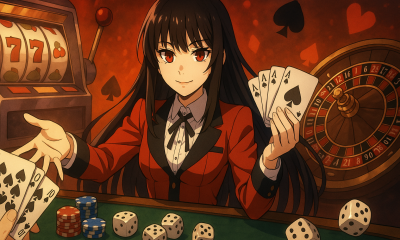
With casino games, the paradox of choice is immediately apparent. You open the online casino on your mobile app or desktop, and you don’t know which game to play. It may be because you are sick of the game you were playing before, and want to try something new. So you browse through the different titles, and you find a plethora of options. For slots players, there are tons of aspects to consider. The grid size, extra features, payout structure, bonus rounds, and even the mechanics. All of these tiny details can change the entire rollercoaster experience of the slot machine.
In classic casino games, such as baccarat, roulette, blackjack or craps, the experience is similarly overwhelming. You may find heaps of variants of each game, adding in rule deviations, side bets, special jackpot games, and more. And then we haven’t even talked about the table limits, which are perhaps the most important aspect of the game for players using a bankroll strategy.
Of course, you may have a favorite go-to game and just head straight there without playing any other title. But say you run into a losing streak, and start to second guess your choice. If you picked another game would you have the same streak of bad luck? What if you quit now and open another game, will you come into some good luck? Or do you need to stick to this game now, until the variance reduces and the results balance out to reflect the true RTP.
There are many paradoxes, even whilst gaming, and these can affect your confidence, concentration, and even the joy you get out of gaming.
Overloaded with Sports Bets and Decisions
When you view the betting markets on a single game, and start looking around at prop bets, alternate lines, and player wagers. Some betting sites may offer over 500 bets on a single game. Sure, a good 20-30 of those may just be point spreads; a further 15 are correct score wagers; and you may find a good amount are just options for Half Time/Full Time or quarters combinations. Some, you write off immediately as you never place those bets and think they are too obscure anyway.
But there are lots of bets left, and plenty that can seem tempting to place. And many of these are very, very similar. For instance, soccer bettors may spin their heads on Goal Scorer bets vs Total Player Shots, Total Player Shots on Goal, or Player to Make an Assist or Score a Goal. The conditions for each are very different, but they are all viable options.
Or, in games such as NBA, NFL or CFL, where games are higher scoring and teams can win by huge margins. It opens up all kinds of spread betting (handicap) opportunities. The closer you can get to predicting the final margin, the longer your returns will be. All the major sports have niche markets, props, alternate lines and player bets to expand your betting horisons. And where there are lots of markets, there are infinitely more parlay and SGP opportunities.

Cognitive Overload and Decision Making
In both sports betting and casino gaming, the paradox of choice is about flooding you with options. With a greater choice to pick from, it becomes far more difficult to make a decision that you will be truly happy with, because there are just so many variables to consider. Gambling is all about chance, so making a decision that you will second guess can harm your confidence and future decision making skills significantly.
Decision Fatigue
Gambling has known physical impacts on us, such as altering our dopamine regulation and increasing cortisol, thus our stress levels. Paradox of choice similarly impacts us physically, as it overloads our brain with variables and possibilities. It builds more anticipation, something that can raise our dopamine levels. Though all this dopamine and stress is physically demanding.
We can tire ourselves out browsing and assessing the opportunities, all without even placing a single bet. Often, this kind of psychological overload can lead to gamblers breaking from their original bankroll or making riskier decisions.
More Choices to Regret
When we make money and win our bets or games, it pays off all the more. Because it feels like we have done our homework and made the right choices. This can lead to some gambler’s conceit, or overconfidence in players. Or, it can build an optimism bias, in that we think we have the skills necessary to outsmart the house and land important wins. But that is not the case at all, it is just the emotional response of a tired mind that is still reeling from the win.
And if we lose, it feels all the more crushing because we had more options to pick from. In slots or casino games, you can ponder over whether the other game you looked at would have brought you more luck or not. But thankfully, there is no conclusive evidence that tells you otherwise. Sports betting, on the other hand, is not as merciful.
Because you can check the results and immediately spot whether or not your other planned bet would have won or not. In hindsight, it is always easier to spot the clues and read the narrative of why the game went that way. But when you had to make the decision, you may have been flooded with options, and chose one that you weren’t necessarily committed to. The psychology of losing fills you with doubt, dissatisfaction, and an urge to try again. Chasing your losses is a very straightforward urge, that may feel right at the time. It is something that, more often than not, leads to greater losses. And is a habit that could lead to compulsive betting.
The House Always Has the Edge
The funny thing about paradox of choice is that we are given greater freedom to do as we please. It naturally feels like you have the edge, as you have more resources at your disposal. But that is not the way the casino games or sports bets are designed.
The house always has an edge, in every gambling venture. In casino games, this is done by altering the amount you win from a payout. A fraction is skimmed off the potential winnings, so you have to win that bet more often than the math suggests to be in a profit. For example, a casino would not offer even money on a coin toss. If you won 5 out of 10 rounds, you should break even. But sportsbooks will often assign odds of -110 (1.909) so that you have to win more than 50% of the time to break even.
In sports betting, the house creates an edge by applying juice. They skim off a small fraction of the winnings from the bet, and this is enough to make the book a profit. Over the course of hundreds or thousands of bets, they will get their cut. It doesn’t mean the odds are bent against you. Or that the sportsbook has any influence on the game, as they don’t. But by cutting off a few cents from all the betting lines offered, they can make their profit.
Therefore, when looking at the sheer volume of games or bets, you shouldn’t just think about it in terms of you having more tools at your disposal. On the other side, it means more gambles through which the house can profit.

Finding Your Way to Bet or Play
Paradox of choice is not necessarily a bad thing. Though we have written about all the dangers and how harmful it can be. You are right to gravitate to casinos with more games or sportsbooks with better coverage. It does expand your options, and it can definitely enhance the experience.
But what you cannot do is fall victim to decision fatigue and make poor choices because of the paradox of choice. If you are hesitant about what to play or are having a hard time picking your bets, you are better off taking a break. Don’t feel bad about opening a betting app and then closing it 10 minutes later without making a bet. If the conditions are not to your liking, then save your money for your future predictions.
Or, if you don’t think you will have fun playing because you are drowning in choices, then don’t play right now. After taking a break and a big step back, you should be able to come back and choose the game you want to play. Without any regret or second guessing.
If this decision fatigue and overthinking happens just a little too often, you may be signed up to the wrong platform. Some casinos or sportsbooks try to use their sheer volume of products as a means to engage, but they do it too aggressively. It may be time to look for an alternate sportsbook or casino. Perhaps one with a smaller repertoire, but with fewer bells and whistles to throw you off.
Safer and Responsible Gambling
You should also always remember to keep your wits about you when gambling. Where there is a lot of room for choice, some players may zone out and spend vast periods of time just browsing options without playing the games they want or placing any bets. Don’t fall into these loops. You can always set reality checks to keep an eye on the clock and take breaks more frequently to keep a fresh mind.
Also, always use deposit limits to ensure you don’t end up overspending with your gaming. The biggest danger of having too many options is that you will become frustrated and break from the plan. Make more aggressive bets or stake larger bets, and end up with heavier losses. Paradox of choice teaches us that quality beats quantity. And in gambling, that information can make a massive difference on enjoying a risk-taking pastime, or falling prey to a scheme where you end up losing your money.