Reviews
Samurai Warriors Series Review (Xbox, PlayStation, Nintendo & PC)


Samurai Warriors capitalizes on our insatiable desire for mindless button mashing with a rolling anthology of genre-defining iterations and digestible storylines, memorable figures and sickeningly satisfying combat sequences. Like the Warriors saga, in general, it sidelines authenticity in favor of a bold, brash, and downright bizarre blueprint—a schematic that looks a lot like a historical timepiece, but also has the vigor of a toddler with a temper tantrum. It’s a history lesson, a pantomime, and an exaggerated bonanza all in one. It is, rather simply, a digital embodiment of Omega Force’s greatest hallmarks—a powerhouse that raises the argument that you don’t need to alter the formula if it’s within spitting distance of a flawless spectrum with palatable ingredients.
For the record, Samurai Warriors isn’t a flawless series; it’s a typical Warriors saga, if anything, meaning, it proudly flaunts its scars and bruises like a badge of honor, knowing full well that it isn’t in possession of a great network of riveting innovations. Instead, it rolls with what it has: a familiar narrative, a cast of prolific war heroes and tyrants, and a combat system that puts most, if not all rivaling hack and slash franchises to shame. It isn’t without its flaws, mind you. No, because, like other entries in the KT anthology—Dynasty Warriors, for example—Japan’s personal time capsule (Samurai Warriors, that is) harbors a few loose screws and wonky components. The action might be there, and not to mention the epic battles and invigorating brawling techniques — but the wooden movements, the awkward camera angles, and the regurgitated plot points, however, all remain permanent fixtures in the framework itself.

If you can accept the fact that Samurai Warriors isn’t the perfect action saga in the world, but rather, an excellent hack and slash series that outshines a lot of its biggest adversaries, then you can, in all honesty, find a platform that’s worth falling in love with here. The Sengoku period, of course, is a bit like a candy bar — it’s sweet on the surface, and it feels great to waffle down as an after delight to a much larger meal. But, the more you consume that same confection, the more you begin to feel an alluring sense of nausea. You know it like the back of your hand, but before long it begins to lose its taste, its shape, and its value. That, frankly, is sort of how Samurai Warriors plays its cards — with the same candy bar, the same story, and the same heroes and tyrants.
Of course, you could quite easily argue that familiarity is a good thing. Take Dynasty Warriors, for example. The Romance of the Three Kingdoms has been retold dozens of times across both its mainline chapters and its Empires spin-offs. Yet, even with the same ball of yarn and the same battles, each new addition has always been able to push the narrative just that little bit further, whether it’s with a slew of quality of life upgrades, better mechanics, or heftier features that serve only to boost replay value. Samurai Warriors, although a younger series with half the installments, isn’t all that different. The only thing that sets the two series apart, of course, is the era. The classic 1v1000 combat formula, however, is almost identical, minus perhaps the character-locked special abilities and swordplay elements. It’s still textbook button mashing either way.
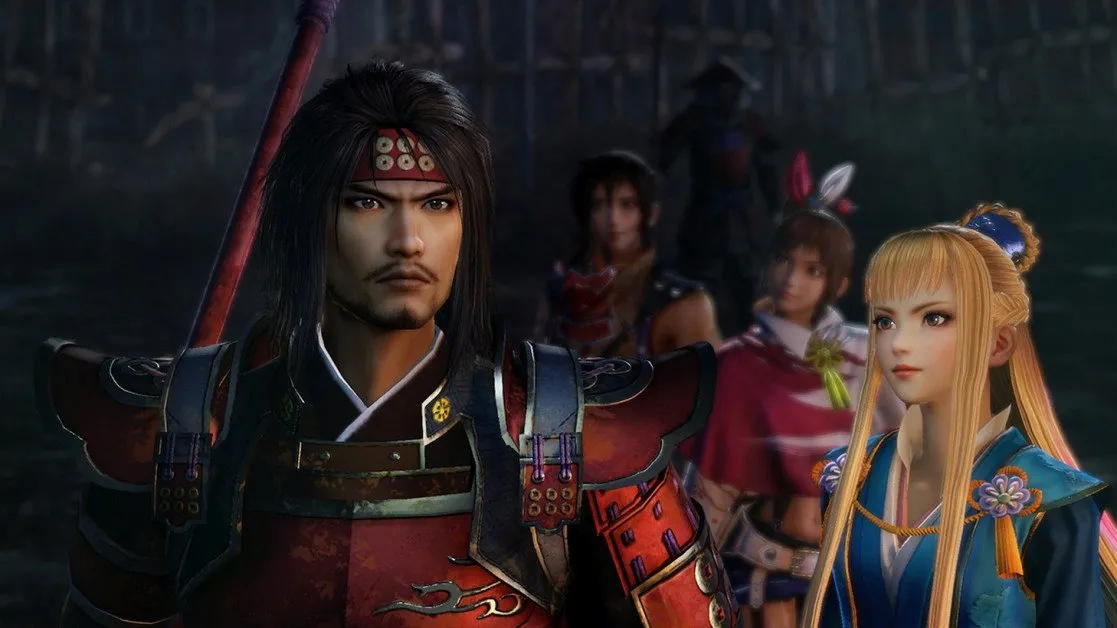
Although both Omega Force and KT haven’t exactly gone above and beyond to bolster the narrative with anything particularly special in the past decade or so, the studios have, rather gracefully, established fresh lines to further enhance the experience as a whole. In addition to providing loftier campaigns and greater variety in the character department, each new chapter has also latched onto vast improvements in the overall gameplay portion, with more versatile combat options and special abilities, weapons and upgrades, for example. And sure, while it isn’t much, it is enough to keep the likes of Samurai Warriors and its closest kin on an upward trajectory. The question is, how many times can Omega Force tell the same story without ever attempting to reinvent the wheel, so to speak?
Frankly, Samurai Warriors is a bit like old yeast extract, in that it fosters a bold flavor that you will either love or loathe. It’s very much a series that you will either immediately fall into and want to spiral down for the long haul, or one that you will actively pretend to like whilst waiting for it to get better as time marches forward. For the most part, though, it is a fantastic series that does a stellar job of keeping up with its Warriors counterparts. The mood might be a tad darker than the classic Romance of the Three Kingdoms, and the figureheads might not be as universally popular as those depicted in Dynasty Warriors. But, for what it’s worth, Samurai Warriors is one of Omega Force’s all-time greats, even though it has been reforged and redistributed several times over. That’s typical of KT, though, really.
Verdict
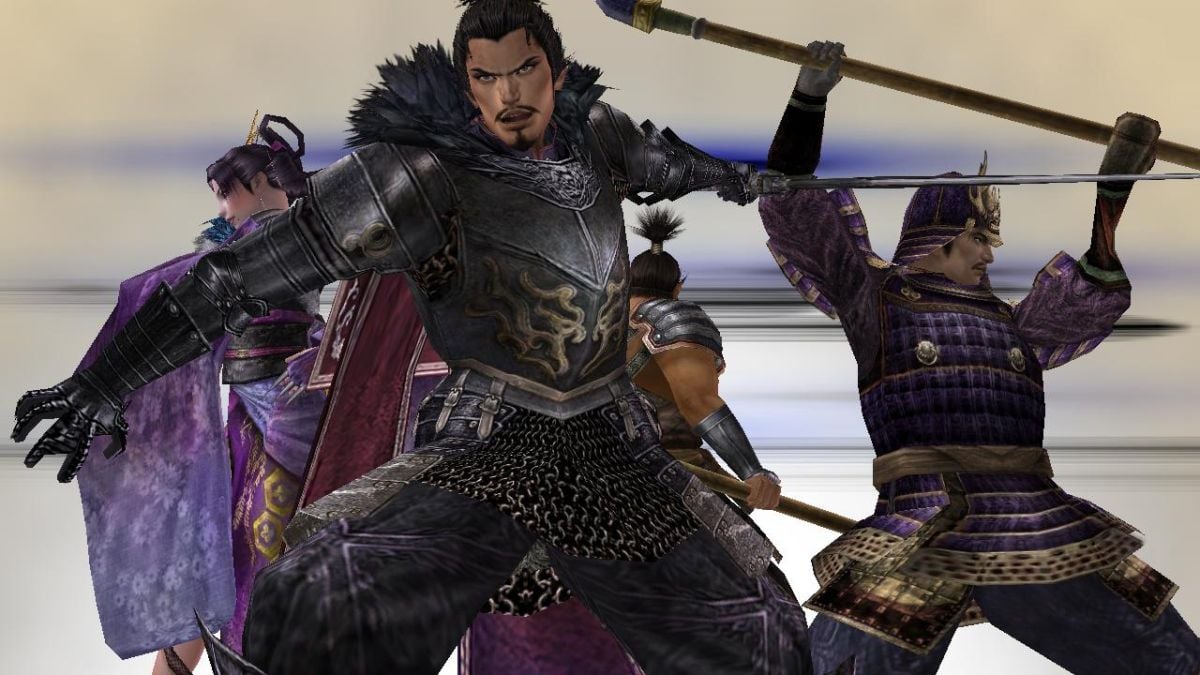
Samurai Warriors’ playfully bombastic retelling of the Sengoku period waxes the best of Omega Force’s oh-so-satisfying hack and slash combat with the full weight of an enormous campaign that bears the brunt of a ridiculously appealing format. Again, while the narrative hasn’t changed all that much since its global inception, KT’s beloved underling has made an effort to unlock numerous technological advancements to propel its weakest nodes and revolutionize the field. It’s still textbook Omega Force, so a bit of salt on the surface is to be expected. That said, for a series that is much smaller than, say, Dynasty Warriors, I’d say that it does still manage to execute a remarkable job of shifting the balance of power in its favor. Is it the better of the two? It’s hard to say. To put it simply, though, if you enjoy Dynasty Warriors or, in broader context, any Warriors series that falls beneath Omega Force’s familiar umbrella, then I have no doubt in my mind that you will enjoy slipping into the Sengoku era, too.
Samurai Warriors Series Review (Xbox, PlayStation, Nintendo & PC)
Textbook Omega
Samurai Warriors’ playfully bombastic retelling of the Sengoku period waxes the best of Omega Force’s oh-so-satisfying hack and slash combat with the full weight of an enormous campaign that bears the brunt of a ridiculously appealing format. Again, while the narrative hasn’t changed all that much since its global inception, KT’s beloved underling has made an effort to unlock numerous technological advancements to propel its weakest nodes and revolutionize the field.



