Reviews
Let It Die: Inferno Review (PS5 & PC)


Every fan knows the feeling, that strange mix of nostalgia, excitement, and nerves when a game you loved years ago suddenly makes a comeback. Let It Die: Inferno is exactly that kind of return. The original Let It Die was chaotic, a bit clumsy, stylish in the best ways, and full of personality. When Inferno appeared, it felt like someone had dug up a cult classic and decided to revive it for modern audiences. And honestly? Part of that energy is still here.
But after an hour, the realization hits: something has changed. Inferno looks like Let It Die and sounds like it, yet it never fully plays like it. And that disconnect sits at the center of nearly every praise and criticism the game has earned so far. Below is a full breakdown of Let It Die: Inferno.
A Return Nobody Expected
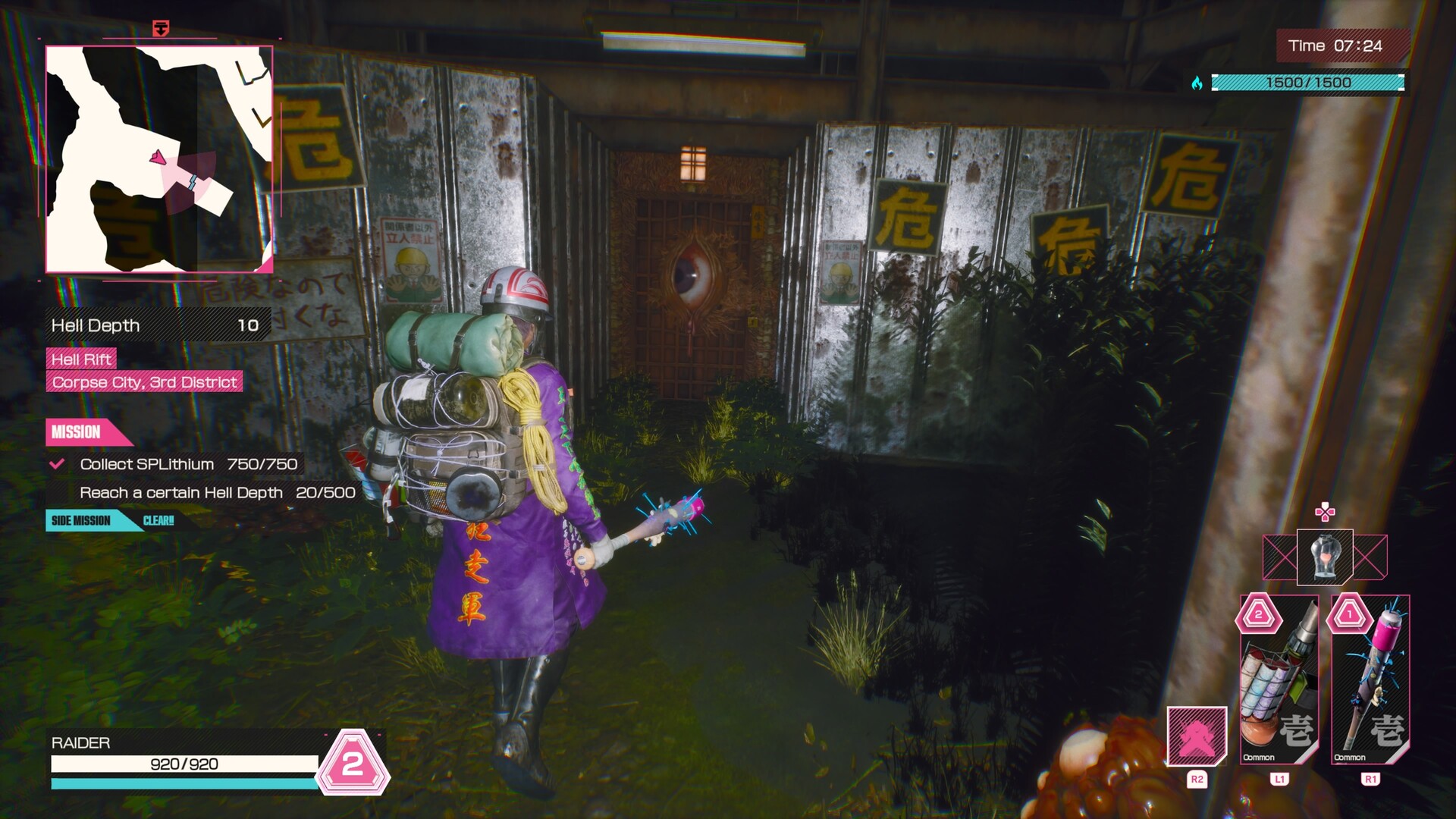
There’s a special kind of hope that comes with booting up a revival of a weird cult favorite. I went into Let It Die: Inferno, rooting for it before I even pressed “Start.” The original game had this punk-rock, DIY charm that made it unforgettable. It was a dungeon crawler wrapped in comic brutality and slapstick nonsense, and somehow that combination worked.
To Inferno’s credit, the game absolutely nails the atmosphere. Uncle Death is still an unhinged mascot with a skateboard and a gravelly whisper. The environments are stillty, neon-stained nightmares. The tone still swings wildly between goofy and weird. And for the first 10 minutes, I genuinely thought this was going to be a strong comeback. The cutscenes popped. The humor landed. The chaos felt right.
But then the cracks started to show. It wasn’t just one thing; it was the absence of rhythm. The original game had a strange heartbeat to it, a sense of momentum even in its messiness. Inferno mimics the surface-level charm, but the underlying pulse feels faint. It’s like meeting an old friend who tells the same jokes and wears the same clothes, but the spark in their eyes is gone.
Still, the effort is there. The world feels alive, the visual style is genuinely great, and the presentation shows real love for the original. The issue isn’t the tone, it’s everything that happens once you actually start playing.
The Live-Service Structure
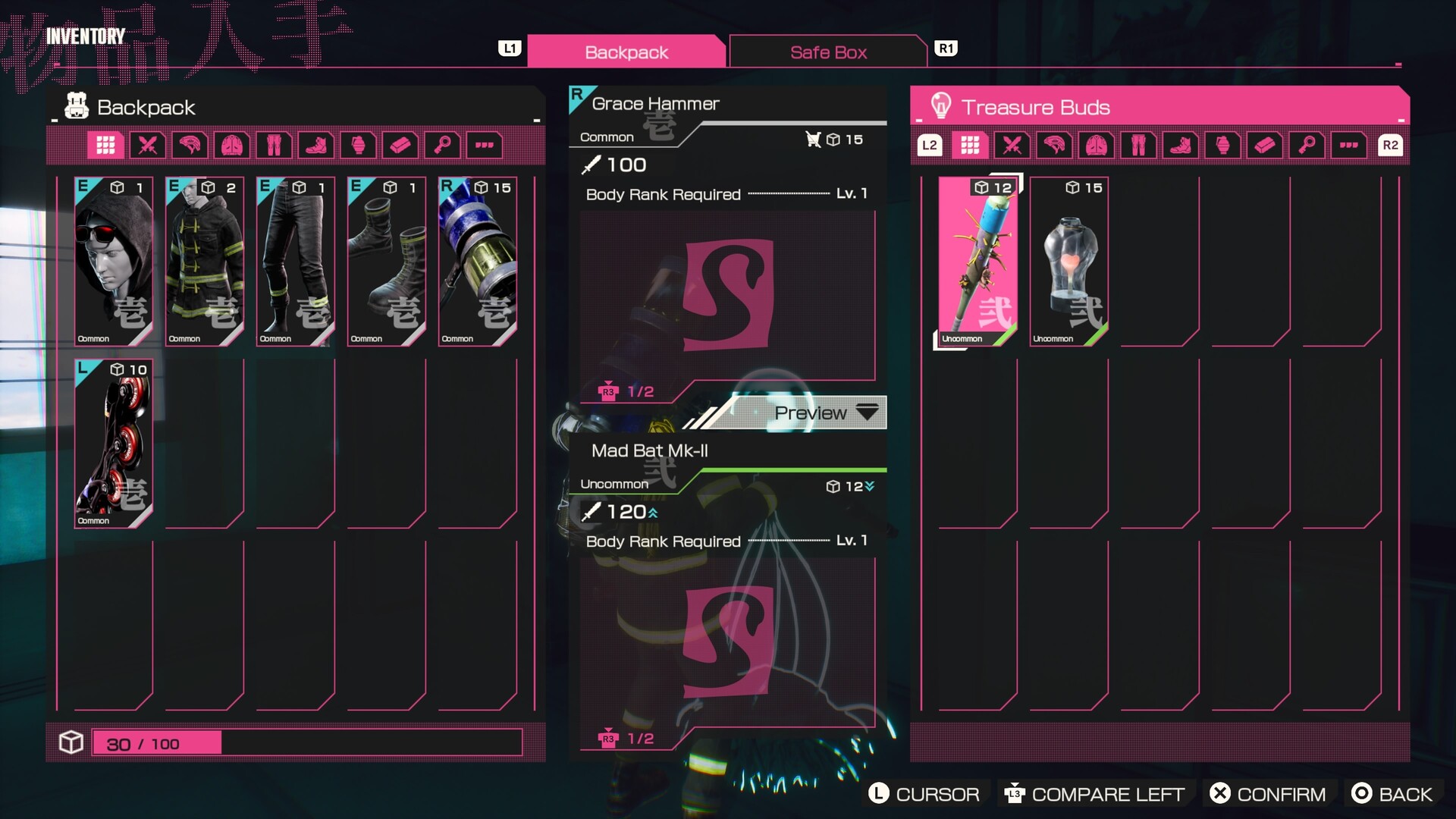
One of the biggest surprises is how dramatically Inferno shifts genres. The original was a roguelike climb with permanent progression. Inferno is an extraction-based live-service game with seasons, daily rotations, and reset loops.
On paper, this could’ve been a cool evolution. Extraction games thrive on tension: players dive into danger, gather loot, and try to escape alive. When Inferno puts you in that rush, sprinting toward an evac pod while enemies flood the room, the game actually shines. Those moments feel frantic and satisfying.
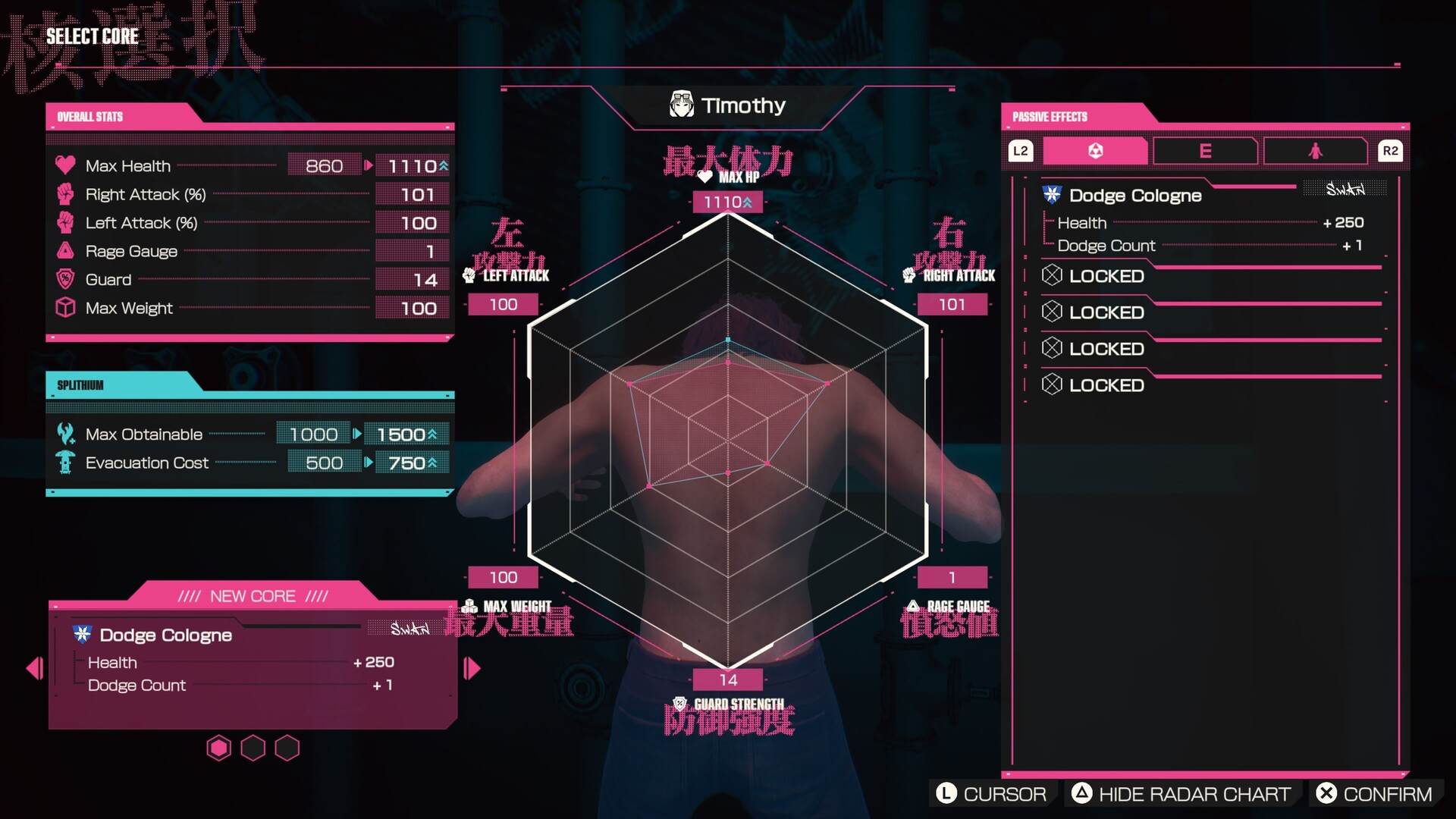
But the structure around that loop feels confused. The biggest issue is the seasonal wipe. Just as you start to build a character, strengthen gear, and make meaningful progress, the game resets almost everything at the season’s end. Cosmetics carry over, but the meaty stuff doesn’t. Unlike roguelikes, this isn’t a “creative reset.” It doesn’t feel like a new adventure. It feels like lost time.
It doesn’t help that Inferno is not free-to-play. The game charges a full upfront price, then immediately introduces paid boosts, paid bodies, and consumables with stat advantages. Nothing crosses into hard pay-to-win territory, but you feel the influence. Paying for time-savers in a game that resets your progress every few weeks is a tough pill to swallow.
Still, the live-service idea isn’t entirely flawed. The daily rotating “Body of the Day” system introduces interesting build diversity. The extraction structure creates moments of genuine panic and excitement. And the concept of evolving seasons could keep the game fresh in theory.
But right now, none of it fully gels. The loop asks for long-term commitment, the season wipe destroys it, and the monetization undermines it. There’s fun here — it’s just trapped inside a framework that doesn’t trust itself.
Shaky Combat
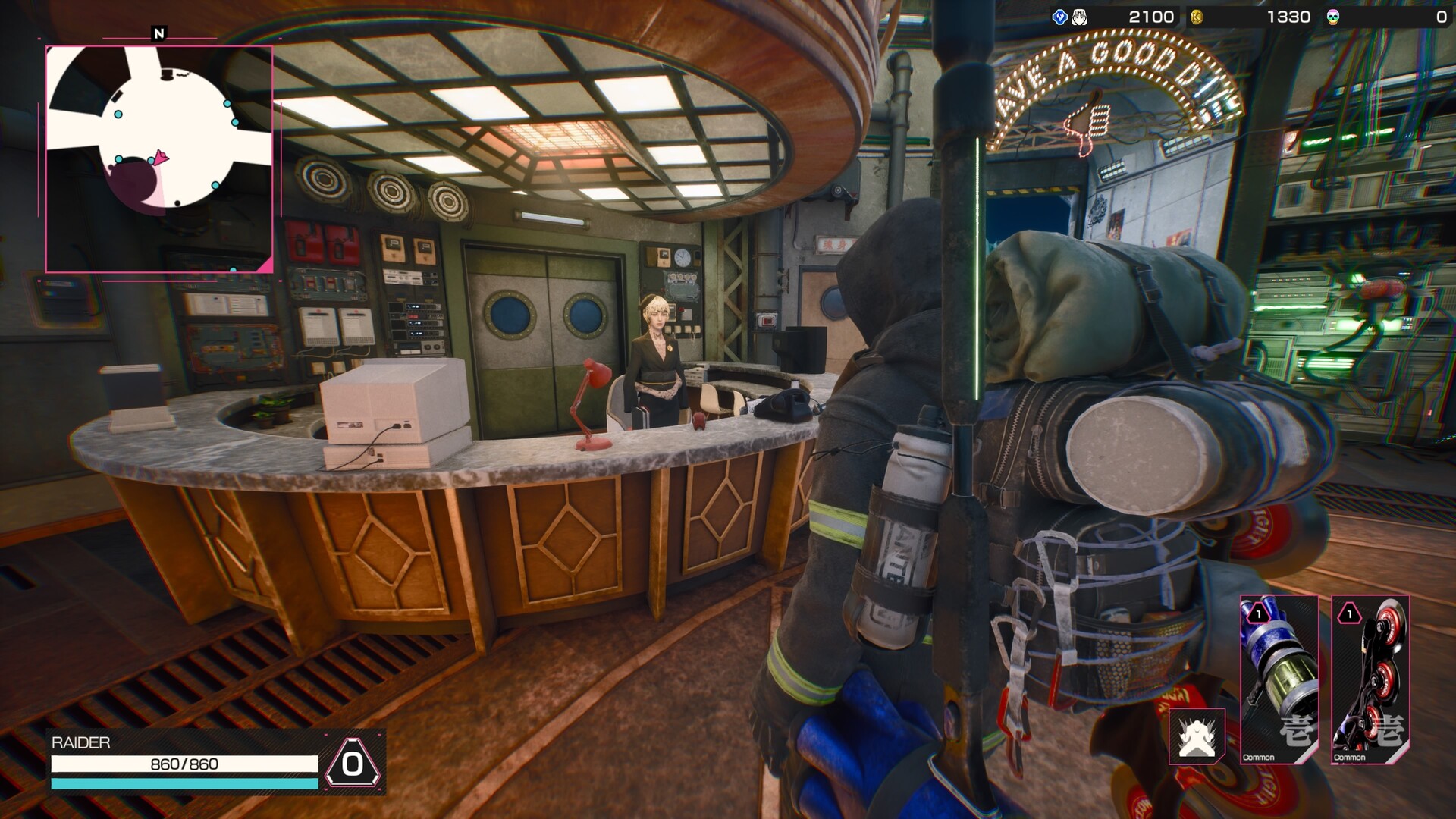
Now to the highlight: the combat. In Let It Die: Inferno, fighting feels dramatically better than before, thanks to one major addition: default dual-wielding. Being able to equip any two weapons and combine their strengths completely transforms the rhythm of combat. You might pair a heavy, staggering weapon with a quick slashing blade, or mix a mobility-focused tool with a heavy armor-breaker. The game clearly encourages experimentation, especially since loot drops remain random.
The combat’s positives are abundant. It’s faster, more fluid, and more exciting than anything the series has done before. Enemy variety is impressive, with disguised creatures, unpredictable beasts, and environmental hazards that keep you on your toes. Movement feels more responsive, and the general flow of fights is simply fun. Unreal Engine 5 also elevates everything visually. Lighting, atmosphere, textures, all of it contributes to a world that feels dangerous and stylistically unique.
That said, the system isn’t perfect. Weapon durability is extremely aggressive, meaning you’re forced to rotate weapons constantly, whether you want to or not. While this randomness creates exciting improvisational moments, it also risks feeling frustrating when a weapon you enjoy breaks too quickly. Of course, not every weapon pairing feels balanced, and a few combos can feel clunky or underwhelming. Still, from both a design perspective and my own experience, combat is undeniably the strongest part of the game. When everything clicks, it feels incredible.
Lagging Performance
Even with better gameplay, Inferno is still dealing with one huge problem: performance. On PC, the game struggles in ways that feel surprising for something this visually simple. Cutscenes stutter. Frame pacing is inconsistent. Input lag pops up randomly. Movements sometimes feel delayed even when the frame rate looks fine.
There’s a certain type of “ghost lag” that happens in games where animations and frame updates don’t line up, and Inferno has that constantly. You press dodge. The animation starts. But the dodge doesn’t actually register at the right time. It feels like everything is happening half a second after it should.
Action games rely on smooth feedback. A beat-’em-up style game especially needs strong, responsive inputs. And Inferno just doesn’t hit that standard yet on PC. Ironically, PS5 players have a much cleaner experience. If the PC version had been delayed and the console version launched alone, this might have been a softer landing. But as it stands, the shaky performance only makes the already-clunky combat feel worse.
And that frustration is only amplified by the history surrounding the series. Some Let It Die fans already felt burned after Deathverse: Let It Die shut down not long after launch. Many are understandably cautious about spending money again on a game tied to the same universe. The fact that players are actively looking up refund options says a lot about the experience they’re having. In the end, performance issues don’t just make Inferno look rough. They drag down the entire feel of the game.
The Sound of Survival
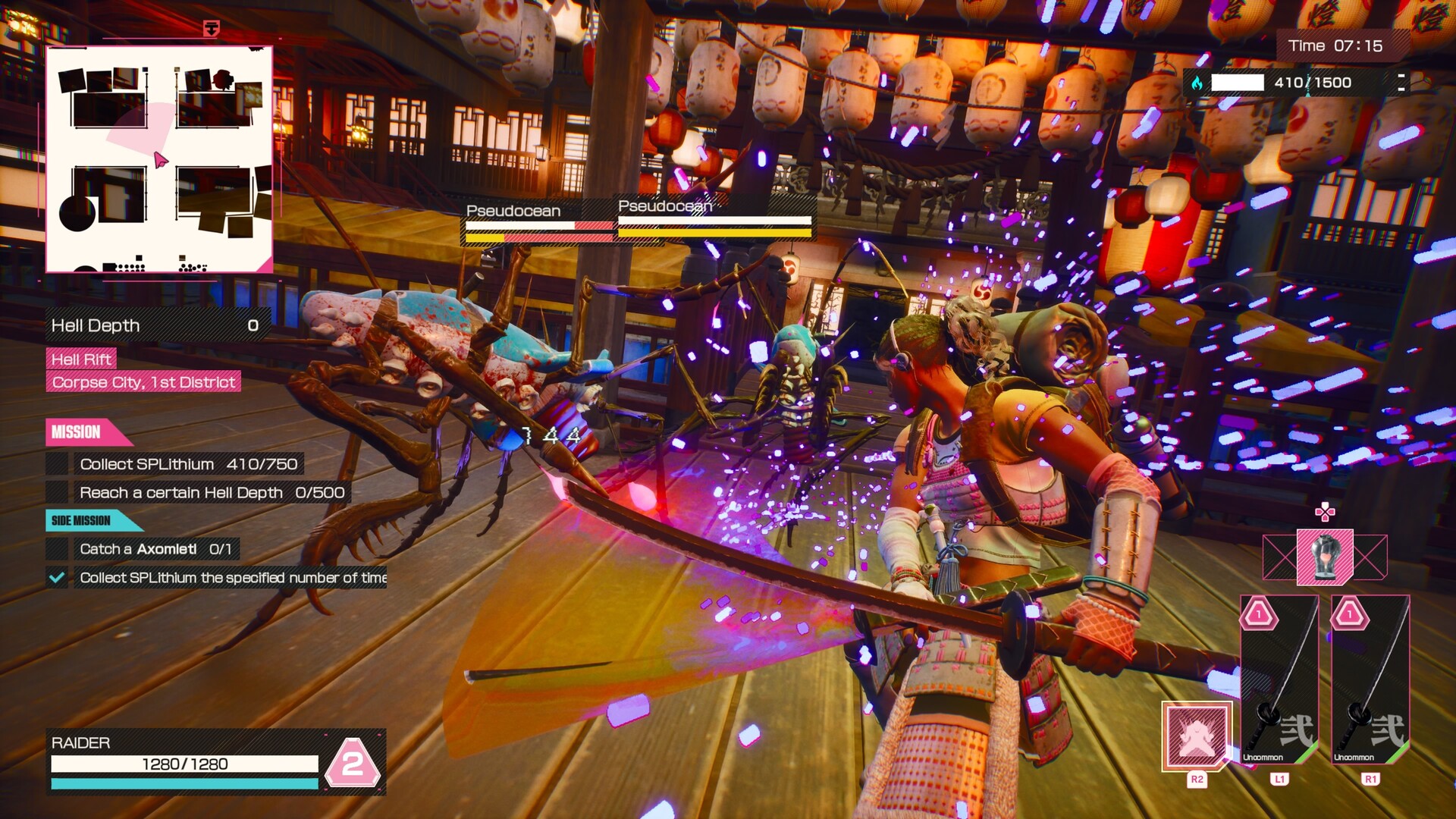
One thing the game consistently nails is its sound design. The whole audio landscape feels cool, metal doors groan open, and enemies growl or shriek just enough to keep you on edge. Combat sounds hit exceptionally well. Every swing, crack, and impact lands with a crunchy sort of weight that makes fights feel more physical than the animations sometimes show. It’s the kind of feedback that keeps you moving even when the action gets chaotic.
The music also deserves credit. The soundtrack features electronic beats and distorted guitar loops that fit the tone perfectly. It’s energetic without being overwhelming, pulsing into life during battles and easing back during exploration. It may not be as wild or experimental as the original game’s soundtrack, but it still brings its own personality and momentum.
Voice acting is a mixed bag, though mostly positive. Uncle Death remains the standout with his mischievous delivery, while a few side characters sound a bit flat. Even so, the overall audio experience lifts the atmosphere in a big way.
Verdict
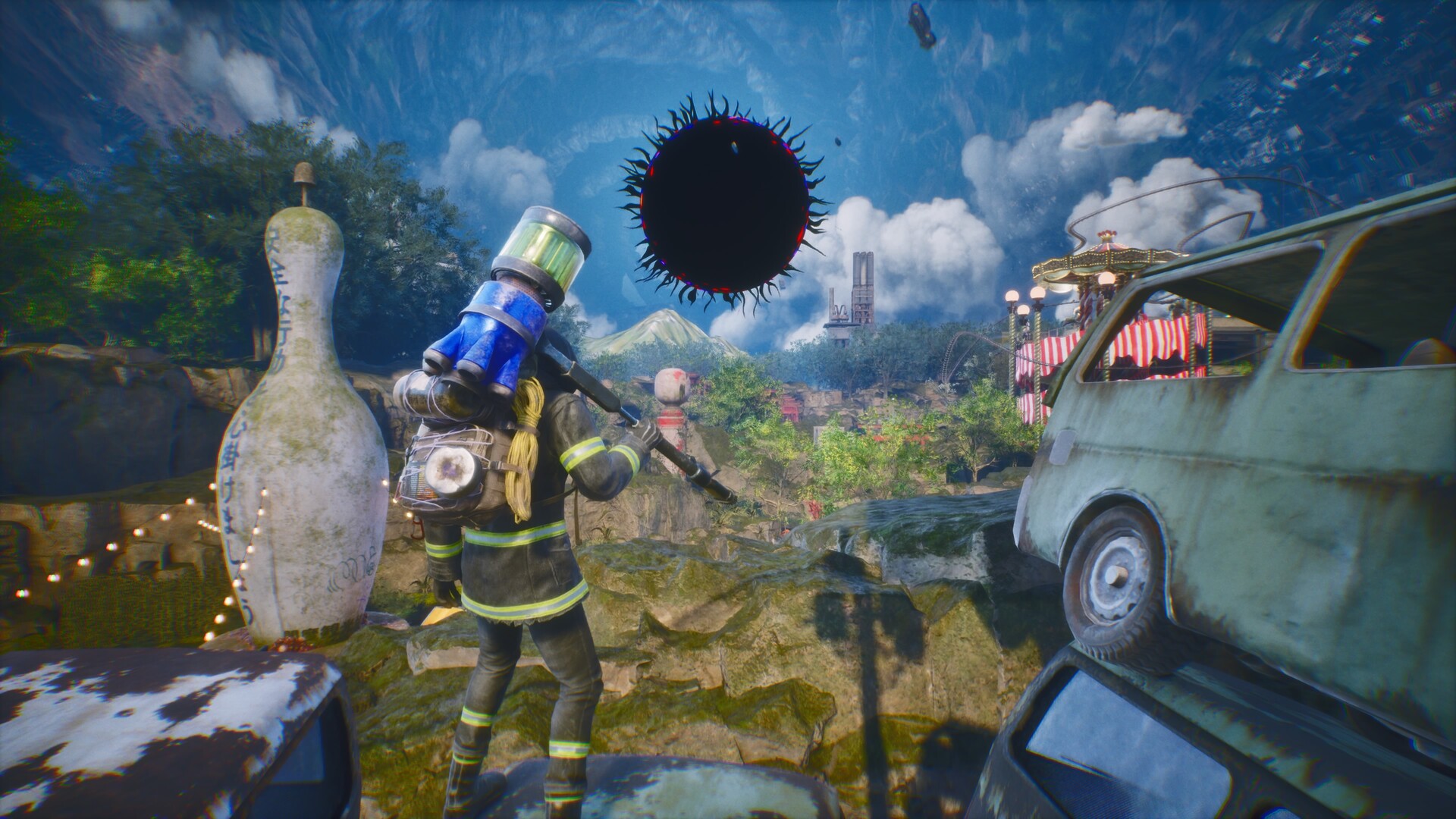
By the time I stepped away from Let It Die: Inferno, I wasn’t angry, just conflicted. There’s so much here that genuinely shines: the weird humor, the sharp artection, and the stylish weapon designs. On the flip side, the combat lacks the weight it desperately needs. The progression never settles into anything meaningful. The movement feels just a bit too loose to be fully satisfying. All these little shortcomings stack up, pulling the experience away from what it could’ve been.
This isn’t a broken action game, nor is it an outright bad one. It’s a confused one, stylish, funny, and bursting with charm, but unsure of what it truly wants to be at its core. There is a better version of this concept buried beneath the surface. Maybe patches can bring it out. Maybe future seasons will refine it.
If you’re a longtime fan, the disappointment may hit harder. If you’re new, you might still stumble into some fun if you’re willing to look past the jank and awkward edges. For now, Inferno isn’t there yet.
Let It Die: Inferno Review (PS5 & PC)
The Dying Inferno
In the end, Let It Die: Inferno is a game with a handful of genuinely fun moments, but it struggles to bring them all together. There’s potential here, but it’s wrapped in too many rough edges to shine fully right now. It’s an action game that could still grow into something extraordinary, even if it’s not quite there yet.