Reviews
Five Nights at Freddy’s Series Review (Xbox, PlayStation & PC)

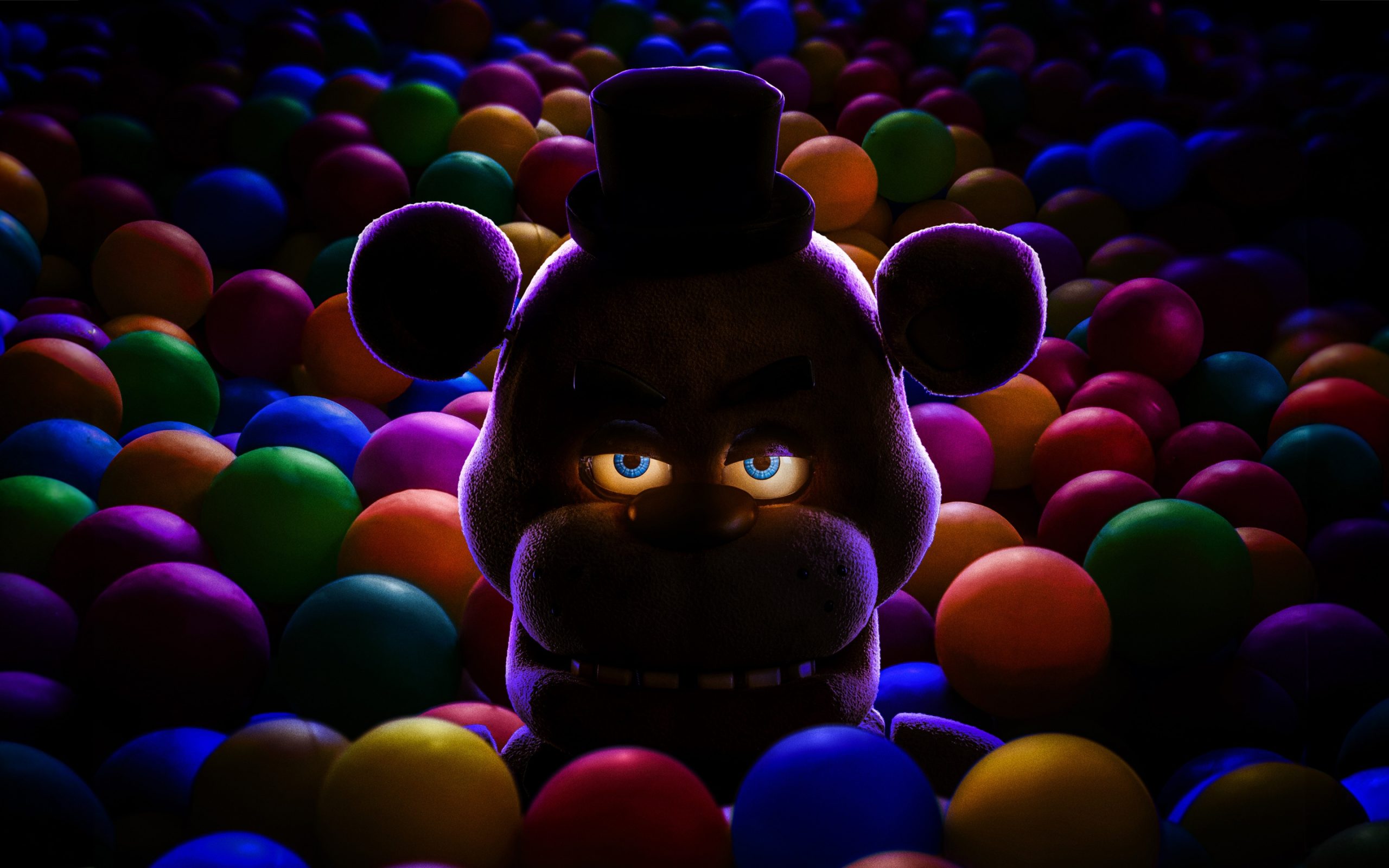
It all began with a simple idea: a surveillance room, a pizzeria, and a troupe of mischievous mascots with a taste for the downfall of a guard with a lack of control over an electrical circuit. It started like that, but then quickly snowballed into an anthological explosion that ultimately led to the formation of a universe with oh-so-many notches on its belt. A pizzeria opened the portal for a plethora of locations across multiple time periods; a familiar mascot suddenly blazed the trail for a seemingly endless parade of characters; a camera soon became a network of technological devices; and a little slice of indie horror somehow transitioned into a cult staple among creators and streamers. Five Nights at Freddy’s launched its weight into the spotlight, and what came after, really, was fodder for its throne.
There’s a success story here that you can’t help but think about whenever the words “mascot horror” jolt to the forefront of a conversation. Although the genre as a whole has evolved into an absurdly popular pylon in recent years, there is still one series that continues to represent its roots and remain as ironclad as ever. And yes, it is Five Nights at Freddy’s—a franchise that has, at least since its inception, become one of the most critically acclaimed of its kind, with more than enough novels, merchandise, spin-offs, and movie adaptations to cloak an entire subsidiary within the world of fiction and horror.
After Dawn

While Five Nights at Freddy’s did evolve from humble beginnings, with as little as a simple concept and a liminal gameplay style serving as its lead weight, Scott Cawthon was able to grasp the fundamentals of a cult classic formula that would eventually become the most recognizable blueprint within the realm of mascot horrors. It started out with a basic idea, true, but with a memorable roster of characters and an intriguing plot that bore the potential to expand into countless pockets of lore, it began to fall headfirst into uncharted waters and latch onto vast possibilities that would ultimately change the medium.
Over its surpassingly short lifespan, Five Nights at Freddy’s has plodded into a lot of territories—a first-person glam-rock horror; an eighties side scroller; a VR-centric carousel comprising numerous mini-games; a book series containing dozens of stories; and multiple iterations spanning various eras and locales. Granted, there is a lot of lore behind the series, which means that newcomers do have the rather painful task of having to navigate its world outside of the ever-famous pizza joint. For the average person, though, it can be as transparent as you want it to be. As if butter wouldn’t melt, each title includes animatronics, and a hopeless protagonist who has little choice but to tiptoe and outsmart their possessed enemies via a journey of stealth, scavenging, and tactical maneuvers. Frankly, you can leave it at that and still feel the weight of its underlying properties.
Franchising Opportunities

Although the original entries in the series had a lot of similarities and generic gimmicks—buttons, cameras, and familiar jump scares and sound effects—there was something awfully special about them, particularly in the manner in which they presented their characters. Tough as nails—the fifth nights, naturally—yet equally compelling and more-ish, each episode brought about new challenges and an additional layer of lore, with more animatronics, more mechanics, and other opportunities for the player to indulge in an evolving experience. That was the original saga—a five-piece series that, after a number of years of finessing its formula, eventually pivoted more towards different synergies and gameplay elements. What came after that wasn’t just fodder for its canon; it was extra pages for its ludicrously bulky encyclopedia.
Of course, while you could argue that Five Nights at Freddy’s has stumbled into a trap of its own making with one too many plot points and nonsensical arcs, there’s still no denying the fact that, from a general perspective, the series has been consistently good at producing annoyingly compelling and stream-worthy moments. And not just that, but in its ability to weave through various forms and still capture the essence of the source material. Security Breach, for example, took that signature formula and lathered an entirely separate layer to it, which in turn gave the series a new lease on life and fresh avenues to ponder.

Security Breach opened a portal to a new corridor within the Freddy’s universe—an area that effectively bore the capacity to form new technologies and ideas, animatronics and puzzles. From there, we had Help Wanted, Into the Pit, and Secret of the Mimic, all of which continued to establish its identity and flesh out the lore, all whilst working to explore different aspects and gameplay elements. And that’s something that I’ve often enjoyed about the series: the fact that it doesn’t pour all of its eggs into the one basket, but instead peppers its eggs into dozens of coops and hatches them into canonical diamonds. Gameplay-wise, the series has never been perfect. But, to give credit where it’s due, it has always gone above and beyond to make each episode feel memorable and entertaining. And the best part is, even with a wealth of titles already beneath its belt, there is still more than enough room to expand beyond the fifth night, so to speak.
Verdict

Five Nights at Freddy’s proudly sports the crown for mascot horrors as a force to be reckoned with among modern franchises, with its formidable animatronics and dynamic gameplay forming the backbone for a truly iconic series that has the power to pivot the genre into vast new worlds and beyond. Despite its frequent gameplay jitters and inability to find a solid anchor point for its ever-evolving narrative, the series remains an excellent lesson on how to explore vast ideas and concepts and still retain a presence in the community. It’s a little confusing, true, but that isn’t to say that it’s a bad series.
Suffice it to say, with the keys to endless worlds at its disposal and the iron fist of a global fan base at its fingertips, Five Nights at Freddy’s can more or less veer into any corridor it pleases and still find liquid gold between the crags and crevices of its wildest ideas. The question is, where will it plant roots next? Given its unpredictable nature, mind you, it seems as if the jury’s out on that one.
Five Nights at Freddy’s Series Review (Xbox, PlayStation & PC)
A Friend in Freddy
Five Nights at Freddy’s proudly sports the crown for mascot horrors as a force to be reckoned with among modern franchises, with its formidable animatronics and dynamic gameplay forming the backbone for a truly iconic series that has the power to pivot the genre into vast new worlds and beyond.