Reviews
Dynasty Warriors Series Review (Xbox, PlayStation, Switch & PC)

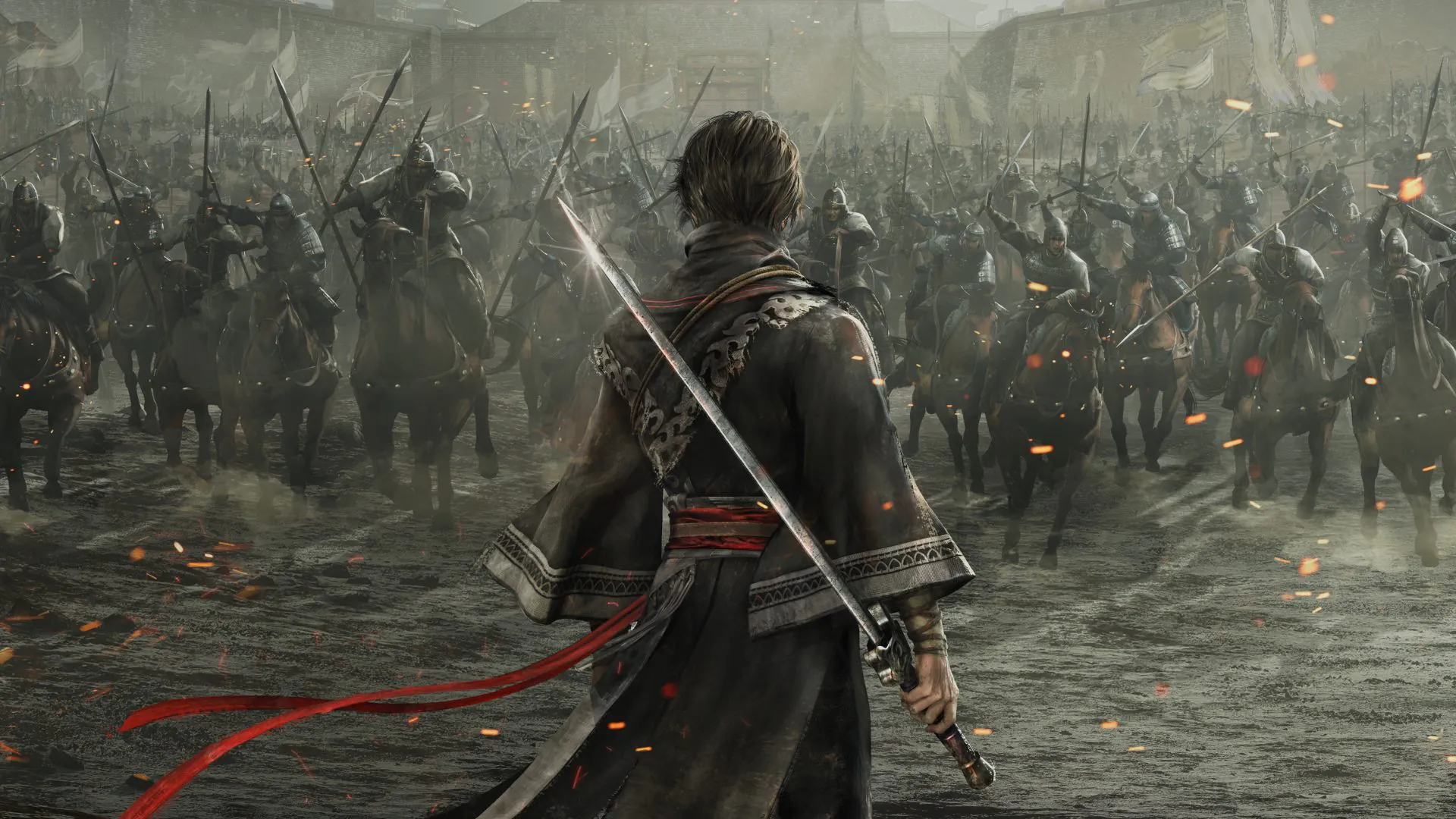
Dynasty Warriors didn’t just spearhead the concept of a one-versus-thousands battle; it found the means to finesse the formula and capture the beating heart of a rampant era of conquerors and kingdoms, ravenous warriors and morally ambiguous warring factions. Oh, it didn’t just brand itself as a run-of-the-mill hack-and-slash series; it took the initiative to build worlds and cram them with historical figures and facts, epic stories and powerful moral arguments befitting an ancient scroll à la Romance of the Three Kingdoms. It wanted to be an educational tool, an ode to Chinese culture and, above all, a pioneer in the business of transforming grand-scale bouts into immensely satisfying combat-driven experiences.
Believe it or not, it wasn’t a high school teacher who coerced me into studying history; it was Omega Force. Scratch that. It wasn’t Omega Force, but the way that the developer made the lulls of the Three Kingdoms era come across as epic ballads of metal and blood, high-octane power solos and insufferable conditions. It was back then, sometime during the launch of the first chapter in the recycled anthology, when I learned that Dynasty Warriors wasn’t just about mercy killing thousands of foes with the simple nudge of a button, but about opening your eyes to a countrywide affair that ultimately led to the formation of an empire.
Of course, while it’s certainly no secret that Dynasty Warriors unapologetically embraces its roots with a quarterly release of a new chapter for its anthological retelling of the same tale, the series as a whole has been able to find various ways to alter the narrative, so to speak. The Romance of the Three Kingdoms is still the backbone, yet with each passing installment, it seems that another piece of the jigsaw puzzles steps out to rekindle the fire and add something new to the cobbles. A missing piece of dialogue between factions; an untimely death of an officer; a cutscene depicting a pivotal alliance; and more often than not, a conflict that we would have previously heard about, but never witnessed in the virtual flesh.
The Romance of the Three Kingdoms, Reborn
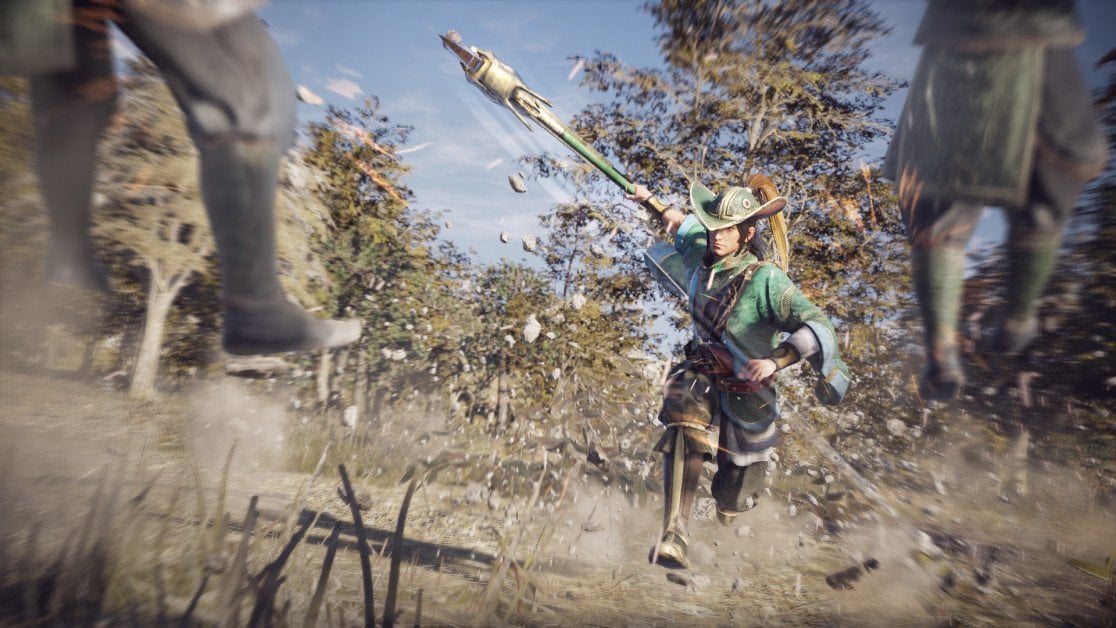
Suffice it to say that, for a series that makes no real effort to reinvent the wheel or rebuild the narrative, Dynasty Warriors has an extraordinary talent for breathing life into regurgitated stories. The fact of the matter is, between the original incarnation and the most recent, there are no major differences in the core. It’s still the same ol’ tale, and sure enough, both idle in receipt of the same historical figures, battles, and sequences. And yet, despite its timeline of events being embroidered in the back of our heads, the series continues to seek out opportunities to bridge the gaps and expand its scope.
Boy, I couldn’t possibly tell you how many times I’ve thwarted the Yellow Turbans, or even how many times I’ve daringly approached Lu Bu at the foot of Hu Loa Gate. The battle conditions; the synergies between officers; the almighty army of soldiers; and all of the minor details laced between. Truth be told, I could tell you all that there is to know about each of the entries in the series. Yet, the point that I’m trying to illustrate is simple: Dynasty Warriors doesn’t fabricate the narrative; it tells you the facts, and it continues to fill your head with details about the era until you’re an advocate for Chinese history and are able to memorize the lectures.
Forged by Heritage
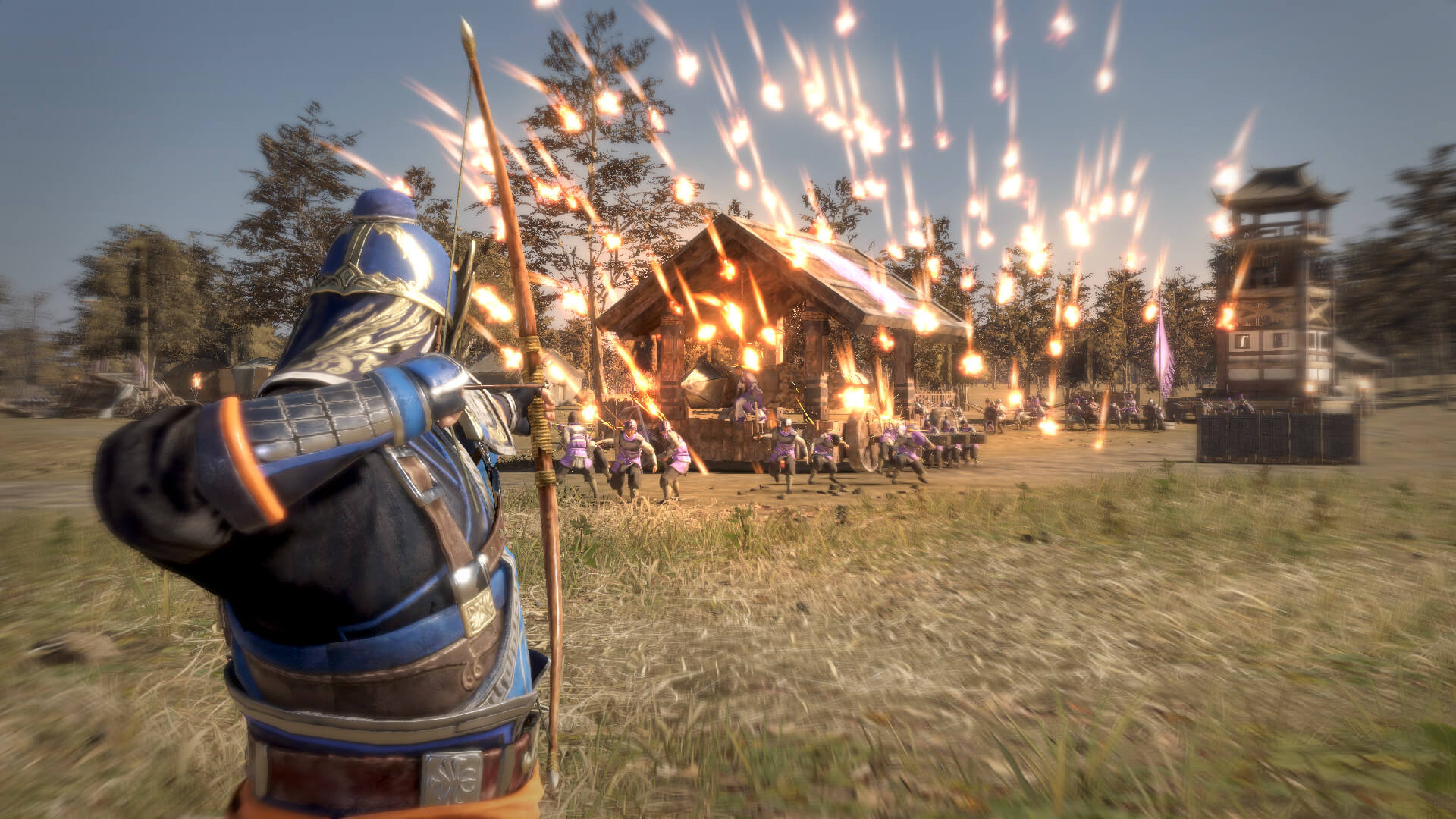
Gameplay-wise, Dynasty Warriors has undergone a huge transformation since its inception. Thankfully, the one-versus-thousands format hasn’t changed all that much since the beginning. However, Omega Force has made several improvements to the formula over the years, with additions that include Empire spin-offs—a separate branch that grants fledgling rulers the chance to shape their own version of China via a conduit of strategic alliances and battles—and countless quality of life upgrades that alter the combat system, stage layout, and even the manner in which you progress and evolve your character. Thanks for that, Origins.
There’s this old saying: if you’ve played one game in a hack-and-slash series, then you’ve played ‘em all. In Dynasty Warriors, though, there’s this peculiar thing that makes you want to venture back and rekindle the same flames. The formula is simple, true, but it’s the little signature details that make it difficult to part ways with—the satisfying combat mechanics; the epic clashes with a thousand officers; the screaming metal ballads and fret-busting solos; and the simple rhythm that rains hellfire over the crescendos as you gradually carve through jam-packed stages and knuckle in on that all-important ruler, blade in hand and Musou gauge fully replenished. Frankly, you could replicate those same things dozens of times over and still find a way to make it work. And, when all’s said and done, Dynasty Warriors has been able to capture that essence time and time again.
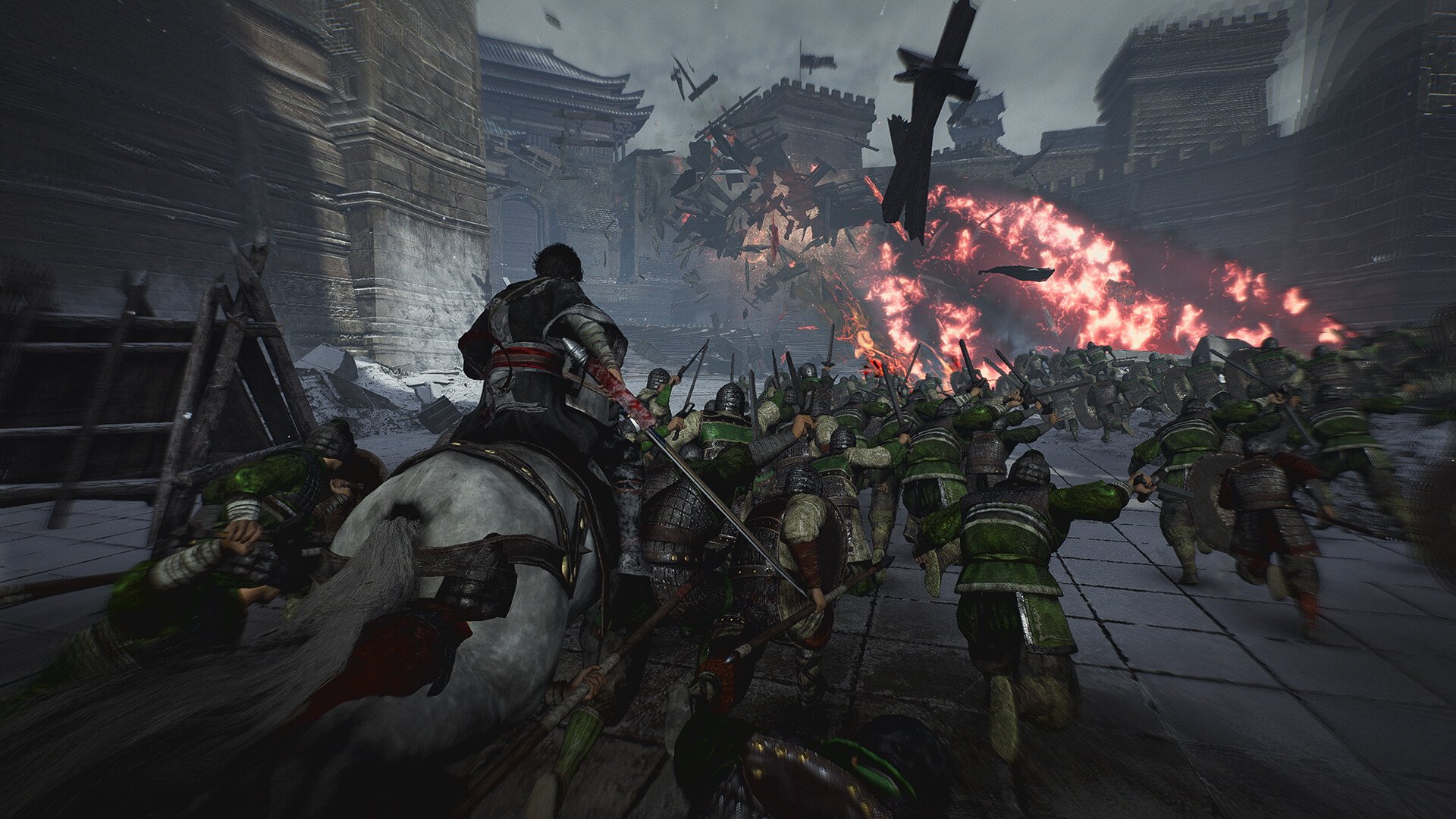
Let it be said that, while Origins was the first chapter in the series to truly broaden the scope and dominate modern hardware, Dynasty Warriors had undergone significant changes in the past, with its underling saga (otherwise known as the Xtreme Editions) offering more battles, kingdom arcs, and avenues of play to help expand the game’s replay value. And, thankfully, all of these gradual changes have finally culminated in an absolutely enormous crescendo for Omega Force. It’s still Dynasty Warriors, but it’s bigger, sharper, and better than ever.
Verdict
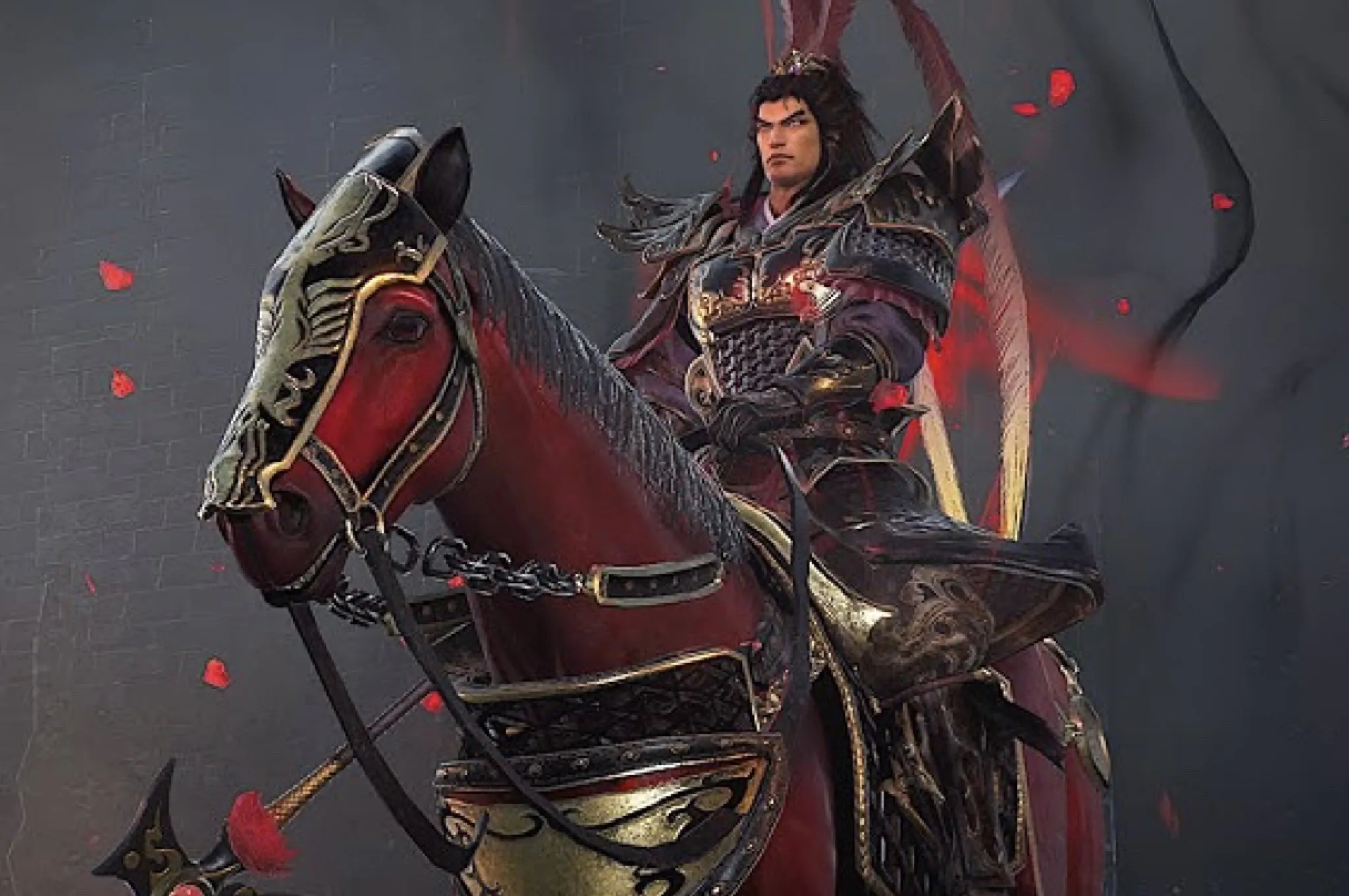
We’ve toyed with the idea of knuckling in on separate reviews for each of the installments in the saga, but honestly, a review of the series as a whole feels like the most suitable way to celebrate its success, its legacy, and its potential as a genre-defining franchise. It’s a dated anthology, true, but it’s also one that still feels as refreshing and as rewarding as it was back in the golden age of PSX.
The truth is, where most series have often failed to outlive and surpass their adversaries with the same formula, Dynasty Warriors is one of the few that has not only been able to survive the battle, but conquer it. Perhaps it isn’t to everyone’s liking, but for the most part, it’s a rightful heir that deserves a spot on the throne. The question is, can it evolve in the wake of Origins’ launch? Only time will tell on that one.
Dynasty Warriors Series Review (Xbox, PlayStation, Switch & PC)
The Kingmaker of Hack and Slash
Dynasty Warriors may not have coined the hack and slash movement, but it certainly is one of the few instrumental tools that has aided its rapid development, with its 1v1000 format and epic feuds befitting its cultural heritage and Romance of the Three Kingdoms source material. It’s big, epic, and above all, a kingmaker in its chosen field.



