Reviews
Anno 117: Pax Romana Review (PS5, Xbox Series X|S & PC)


Anno 117: Pax Romana marks the boldest shift the series has taken in years. Moving the franchise into the Roman Empire isn’t just a cosmetic change; it’s an entirely different atmosphere. Instead of chasing bigger maps or faster progression, it slows things down and drops players into the Roman Empire at its peak, a world built on power and politics.
From the moment you establish your first dusty outpost, it’s clear this isn’t another routine Anno expansion. In Anno 117: Pax Romana, every decision feels tied to the expectations of Rome, the needs of your citizens, and the pressure of keeping an entire province running smoothly. With that in mind, let’s dive into the full review.
All About Rome
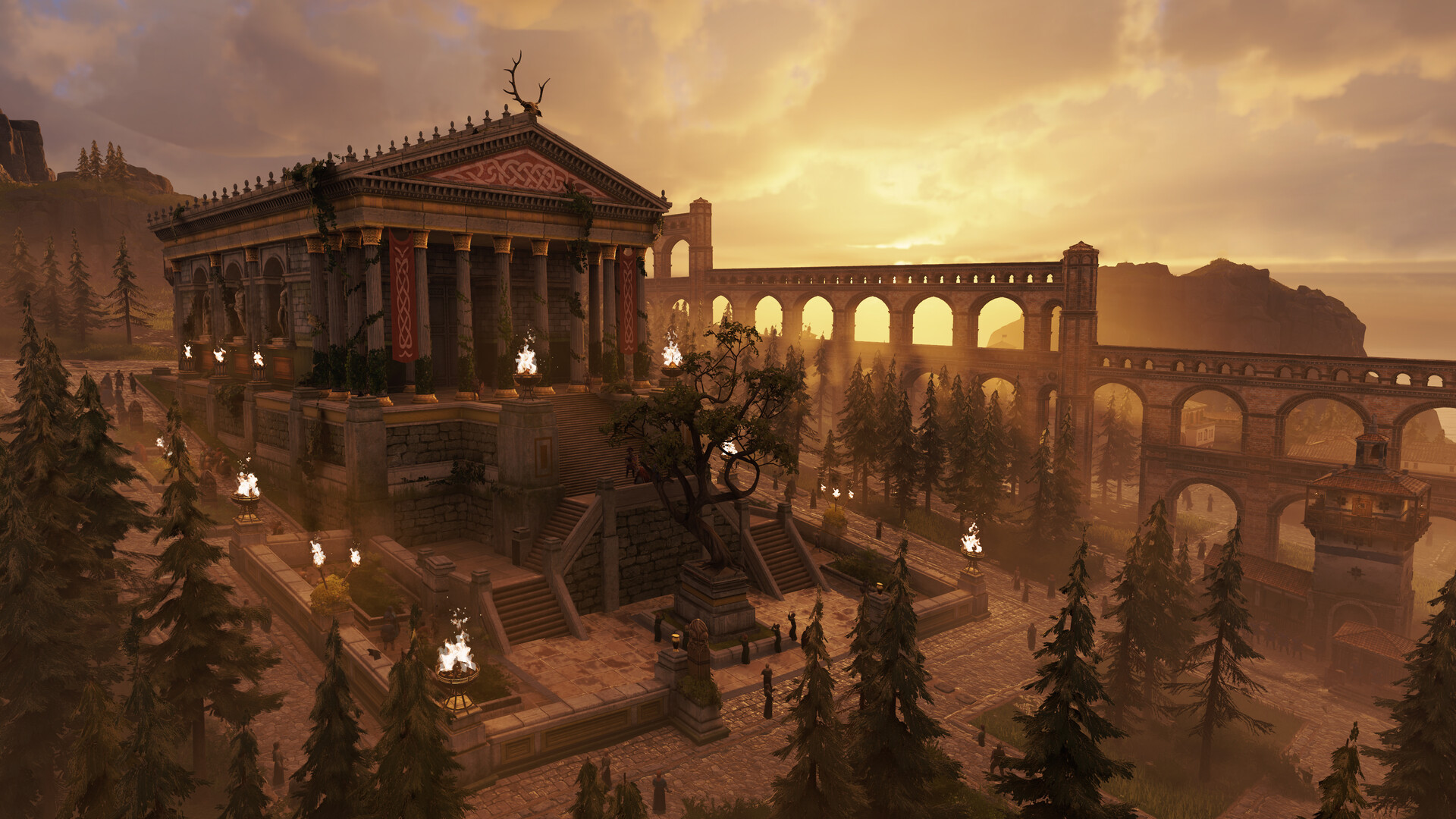
Anno 117: Pax Romana really leans into its Roman set-up in a way the series hasn’t done before. This isn’t just about red banners or marble statues; the time period affects almost everything you do. Your decisions, whether placing a farm or setting up trade routes, have real consequences for both your citizens and Rome itself.
Being a governor feels demanding without being overwhelming. You need to balance resources, growth, and citizen satisfaction, while also keeping the empire’s expectations in mind. Even simple choices, like where to build a warehouse or a road, matter more than they might seem at first.
Notably, each region also feels different. Latium has a sense of polish and order, while frontier areas feel rougher, with unique challenges and opportunities. These differences make you think carefully about how to expand, where to specialize, and how to connect settlements. It’s a city-building game that rewards thought, not just fast building.
Politics and Power
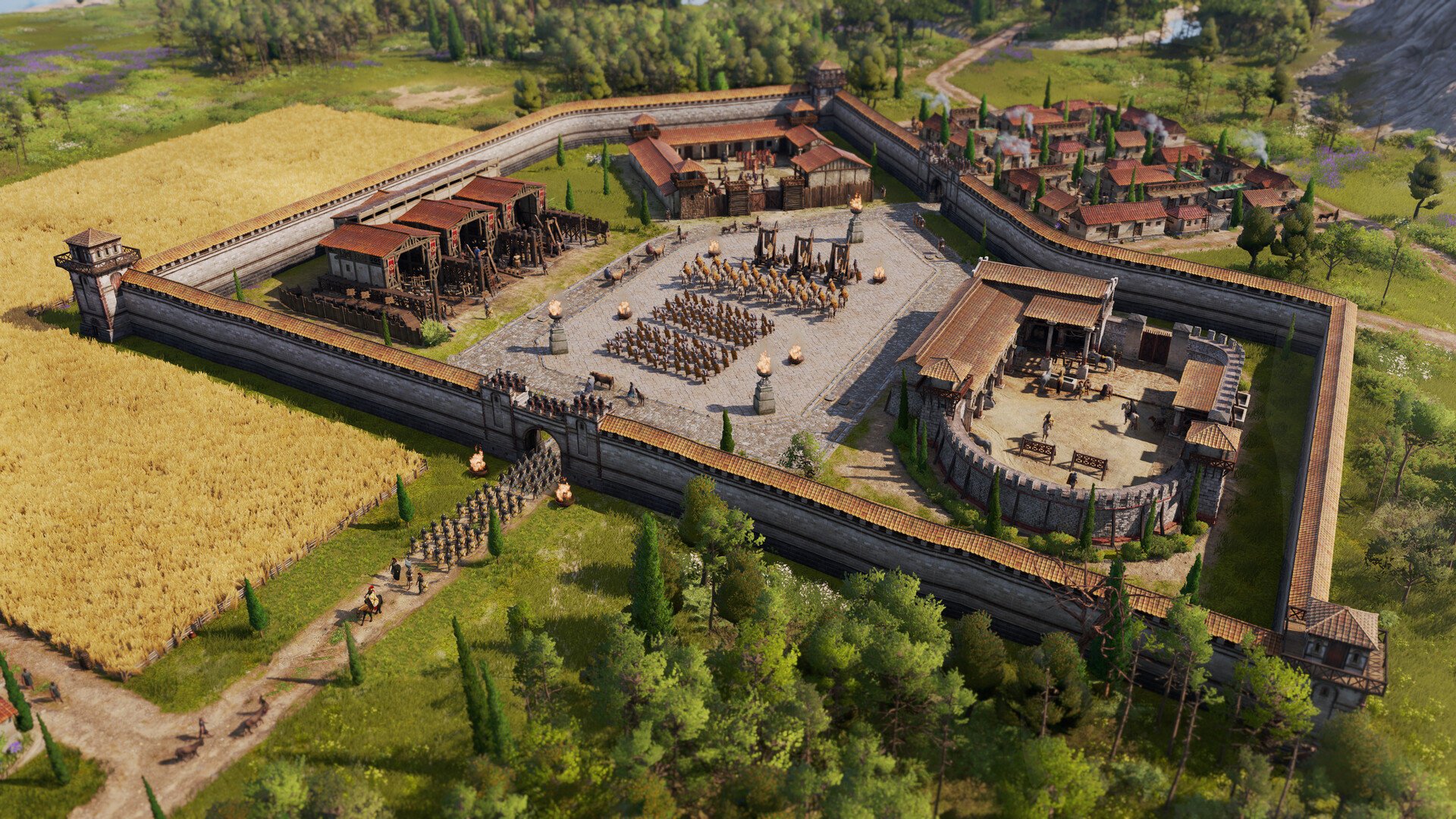
What truly separates Pax Romana from its predecessors is how deeply it leans into governance. Past Anno games flirted with political systems, but here, politics is not a side mechanic; it is the real deal. Your citizens belong to defined social classes, each with their own expectations. Commoners look for basic stability and access to food; artisans want comfort, entertainment, and infrastructure; Roman elites expect luxury, loyalty, and constant displays of imperial authority. Meeting these needs isn’t simply about building the right workshop.
It’s about anticipating how each class reacts to your decisions and how Rome, always watching from afar, interprets your leadership. In the game, loyalty becomes a constant concern. Neglecting the needs of the upper class might lead to unrest. Ignoring the pressures of Rome itself can cause imperial investigators to arrive, questioning your choices and occasionally forcing your hand. The game nails this sense of being both powerful and constrained. You’re the governor, but you’re still just one piece of the empire.
On the other hand, diplomacy has more charm than in previous entries. Frontier provinces feel alive with tension. Local tribes push back against Roman presence, demanding negotiations, tribute, or territorial compromises. Interestingly, these interactions rarely feel like simple menu clicks; they have real consequences and shape the tone of your expansion. Even if some diplomacy systems feel lighter than they could be, they do succeed in making the world feel less static.
A City That Grows
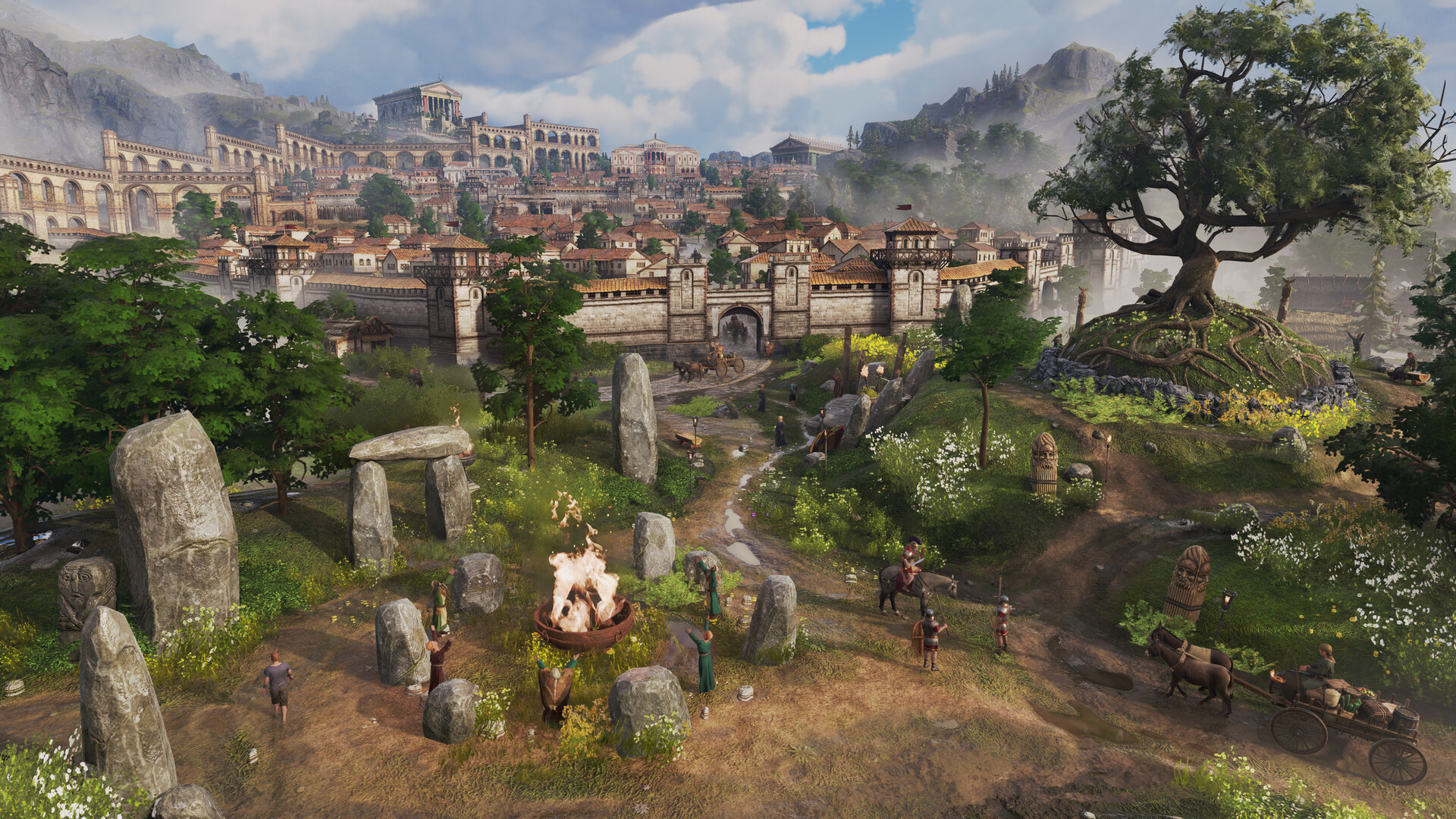
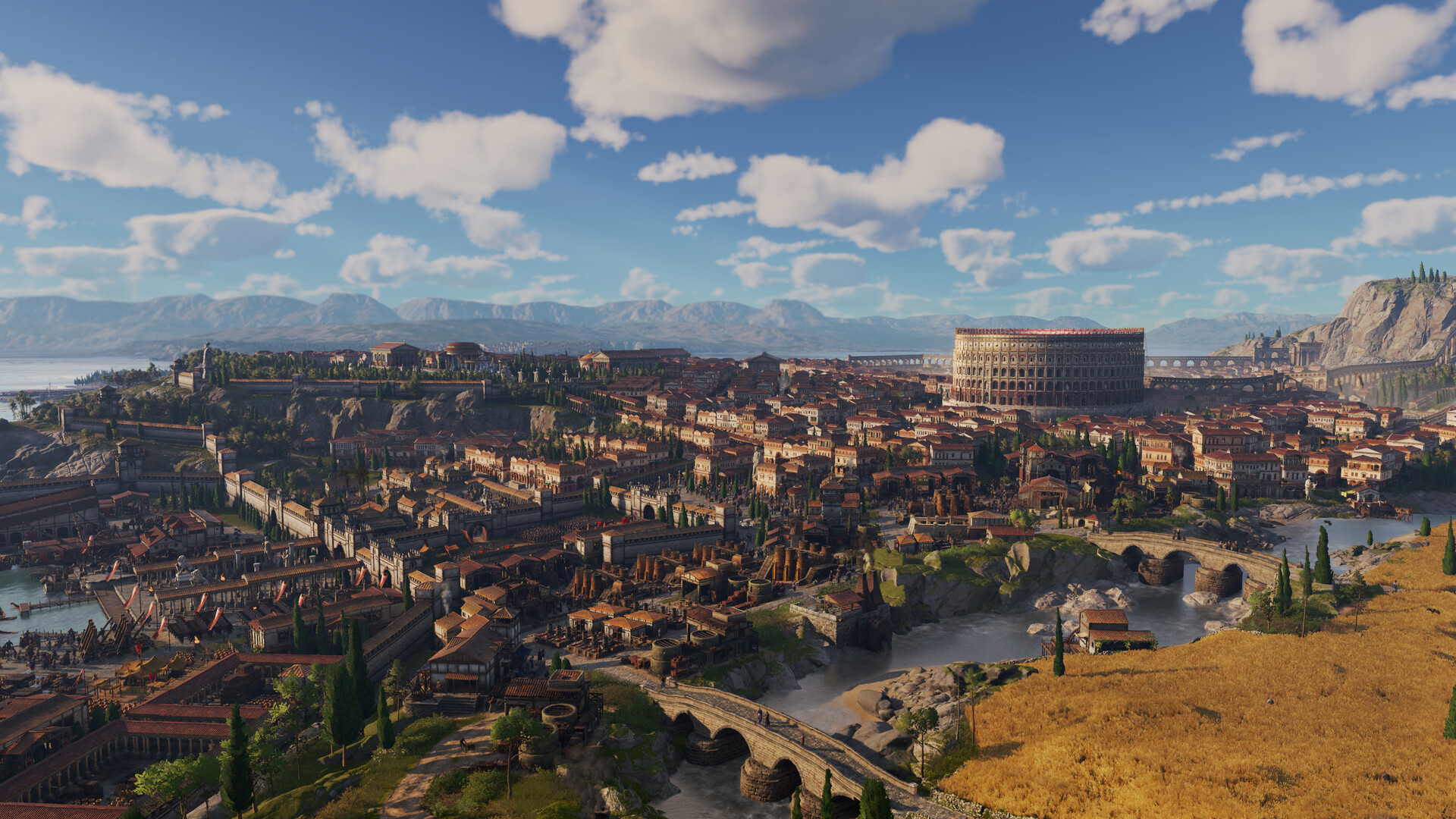
The bread and butter of any Anno game has always been city-building, and Pax Romana delivers wonderfully here. Settlements begin as dusty frontier towns, a few tents, scattered wooden buildings, and bare dirt paths. Over time, those rough beginnings transform into bustling Roman centres filled with stone houses, decorated plazas, and markets full of life.
The growth feels organic. Roads tighten into grids, plazas expand naturally, and districts begin to take shape around key structures. Notably, the game does a great job of showing your progress without overwhelming the player with unnecessary decorations or clutter. Roman architecture brings a unique rhythm to your layouts. Villas sit on gentle slopes, aqueducts arc over long distances, and monuments provide natural anchors for districts.
The visual fidelity adds a lot of charm. Fields shift color based on season, workers carry goods visibly between warehouses, and city centers buzz with activity. Even small touches, like citizens gathering at bathhouses or patrolling soldiers walking the border, make your province feel lived-in. This is the most alive an Anno game has felt in years.
While the art direction is impressive, performance remains stable even in larger cities. Zooming in to street level feels like peeking into a diorama. Zooming out gives you that classic Anno satisfaction of overseeing everything at once. It’s an excellent balance.
Economics and Logistics
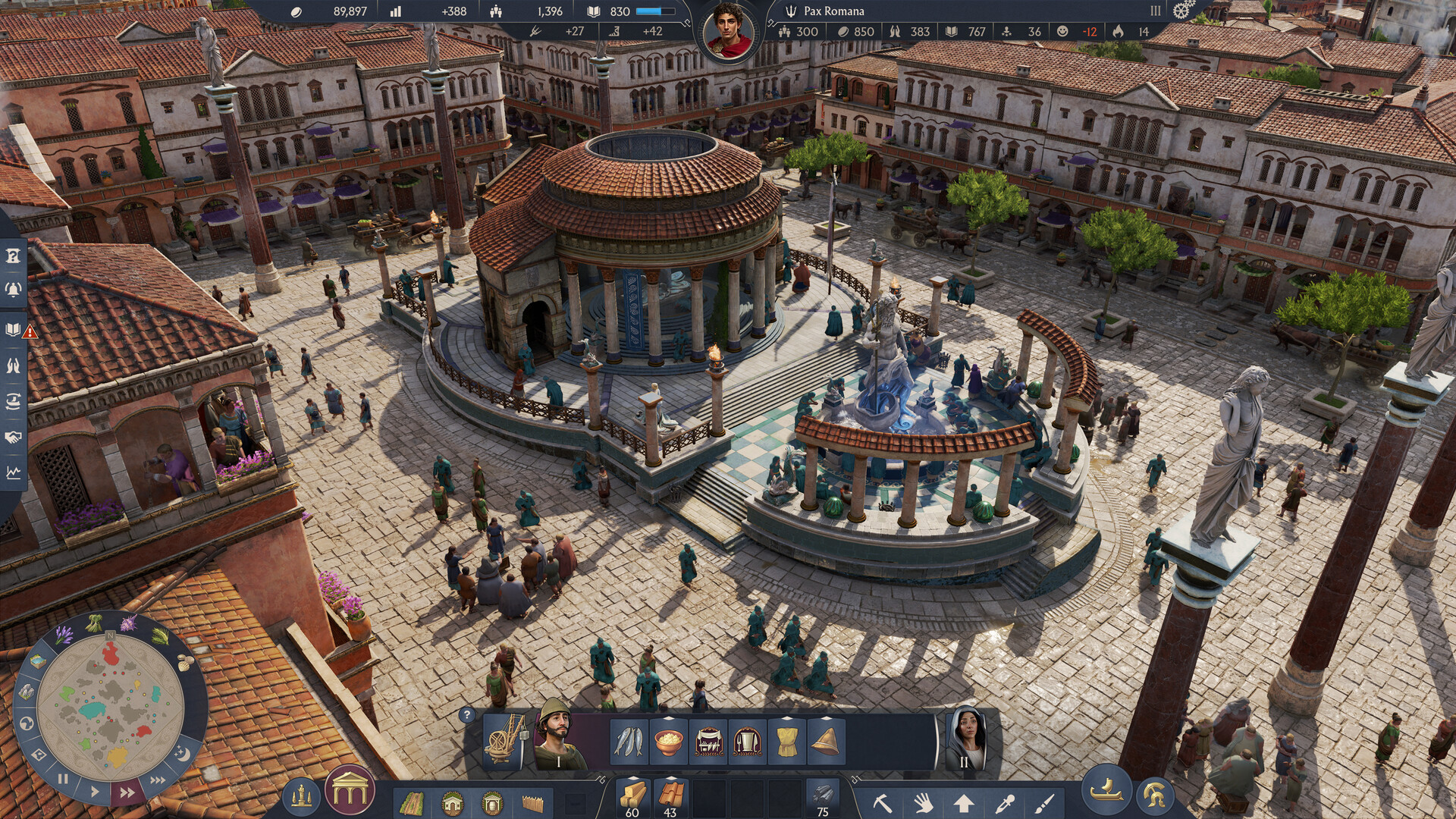
The Anno series always tests your ability to create tight, efficient economies, and Pax Romana continues that tradition with fresh twists. The Roman setting brings new production chains, olive presses, pottery workshops, vineyards, and textile mills. Surprisingly, each links together in ways that reward smart placement and forward planning.
Additionally, trade routes are more contextual this time. Instead of simply shipping goods for profit, you often ship them to fulfil obligations, placate Rome, or support neighbouring provinces. This transforms trade from a purely economic tool into a diplomatic and political one. Balancing multiple regions becomes a consistent challenge, especially as more settlements develop their own needs and personalities.
Logistics also plays a bigger role. Roads matter, and so does the river access. Warehouses need to be positioned thoughtfully, or bottlenecks will slow everything to a crawl. It’s the kind of challenge that gives the game long-term depth. Mastery doesn’t come quickly, and it shouldn’t.
The pacing can be uneven, though. Early-game progress is slower than in most Anno titles due to cultural milestones that gate some key buildings. While the intention is to make you consider each step carefully, it can occasionally feel like waiting for the game to permit you to expand. Once the mid-game arrives, things open up dramatically, and the progression becomes far smoother. Ultimately, when everything clicks, your trade routes flow, and the industries hum, the satisfaction is undeniable.
A New Wider World
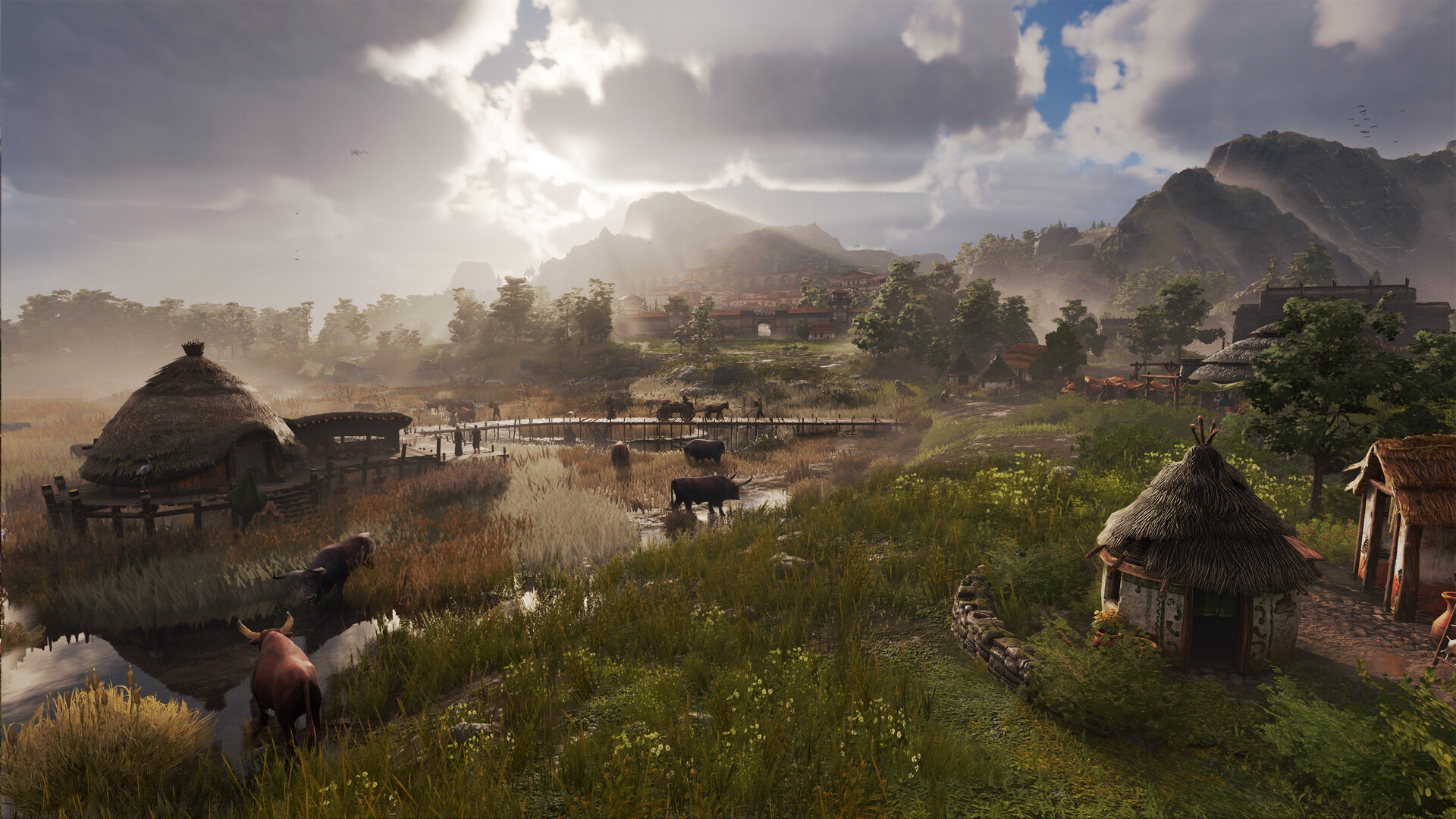
While Anno has never been a pure exploration series, Pax Romana takes a different approach to expansion. Instead of hopping between islands searching for new resources, players often expand across provinces with their own cultural identities and terrain challenges. These regions feel distinct. Frontier territories are raw and unpredictable, sometimes resistant to Roman influence. Established regions offer stability but demand more political finesse. On the other hand, mountainous areas force creative thinking about space and logistics, while fertile regions give you room to experiment with agricultural variety.
Exploration now feels like a negotiation with the world rather than a resource grab. You’ll encounter local factions who don’t see Rome as a serious force. How you handle them through diplomacy, trade, or eventually force, shapes the feel of your campaign. Even though not all these encounters are deeply complex, they add much-needed flavor and context to your expansion.
There are moments when you wish the world pushed back a little harder in response to your decisions. Sometimes it feels like the game is holding back just when things are getting interesting. Even so, the system ends up making the map feel wider, more reactive, and more alive than in earlier Anno games..
Pacing
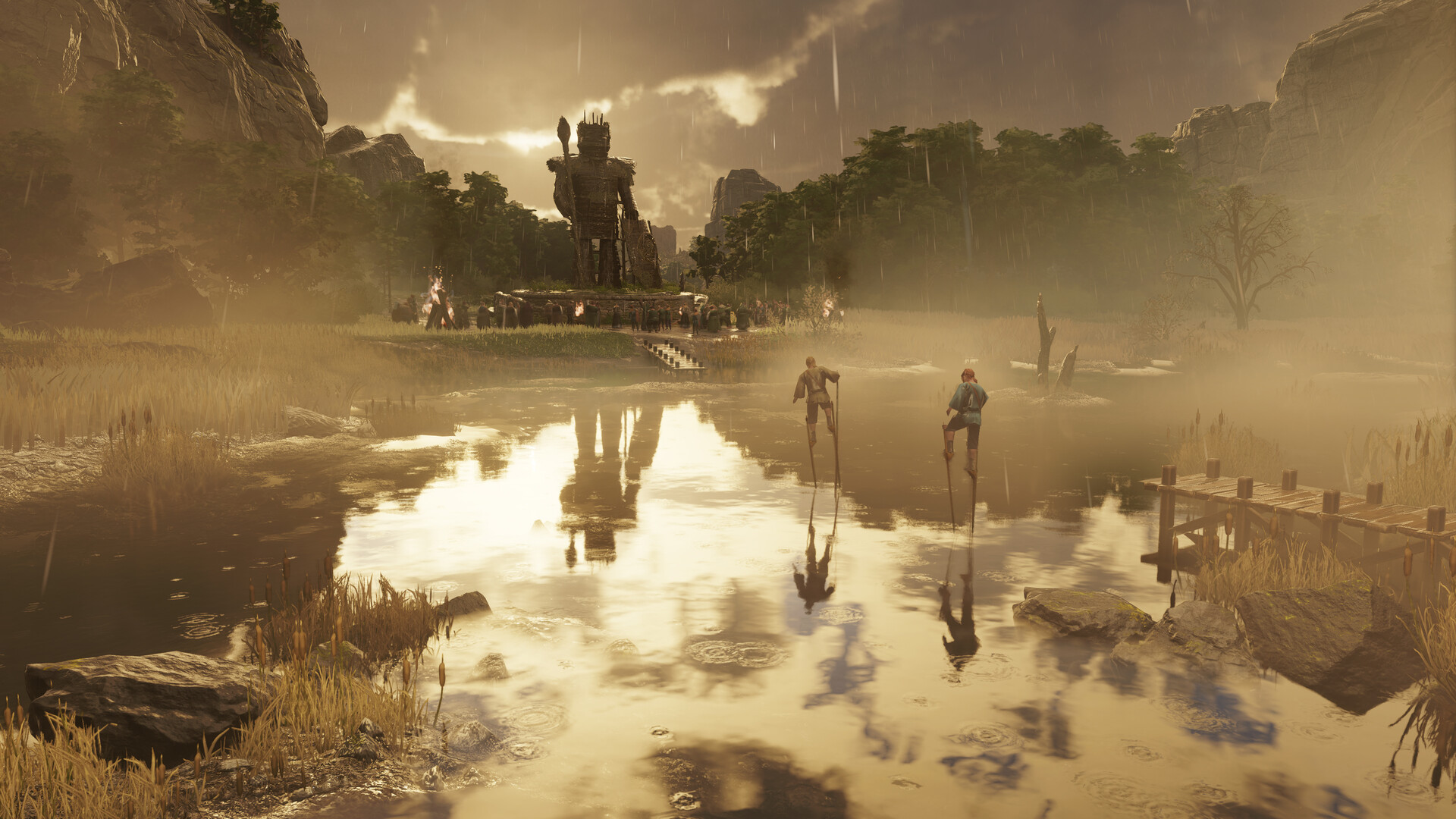
The pacing of Pax Romana won’t be for everyone. It takes its time, especially in the first few hours, emphasizing learning, planning, and adjusting to the new political systems. Some players may feel constrained early on, waiting for cultural milestones before unlocking core buildings. It’s a more measured approach that might challenge series veterans who prefer faster openings.
But once the game reaches the middle stretch, it blossoms. Your city gains momentum, your political influence stabilizes, and your production chains hit a beautiful rhythm. The back half of the experience becomes a satisfying balance of expansion, refinement, and problem-solving.
By the end, your province genuinely feels like something you shaped. Not a random city, not a generic settlement, but a Roman world forged through political maneuvering, economic mastery, and steady persistence. The long tail of the campaign is rewarding, and the journey leaves a lasting impression.
The Bad
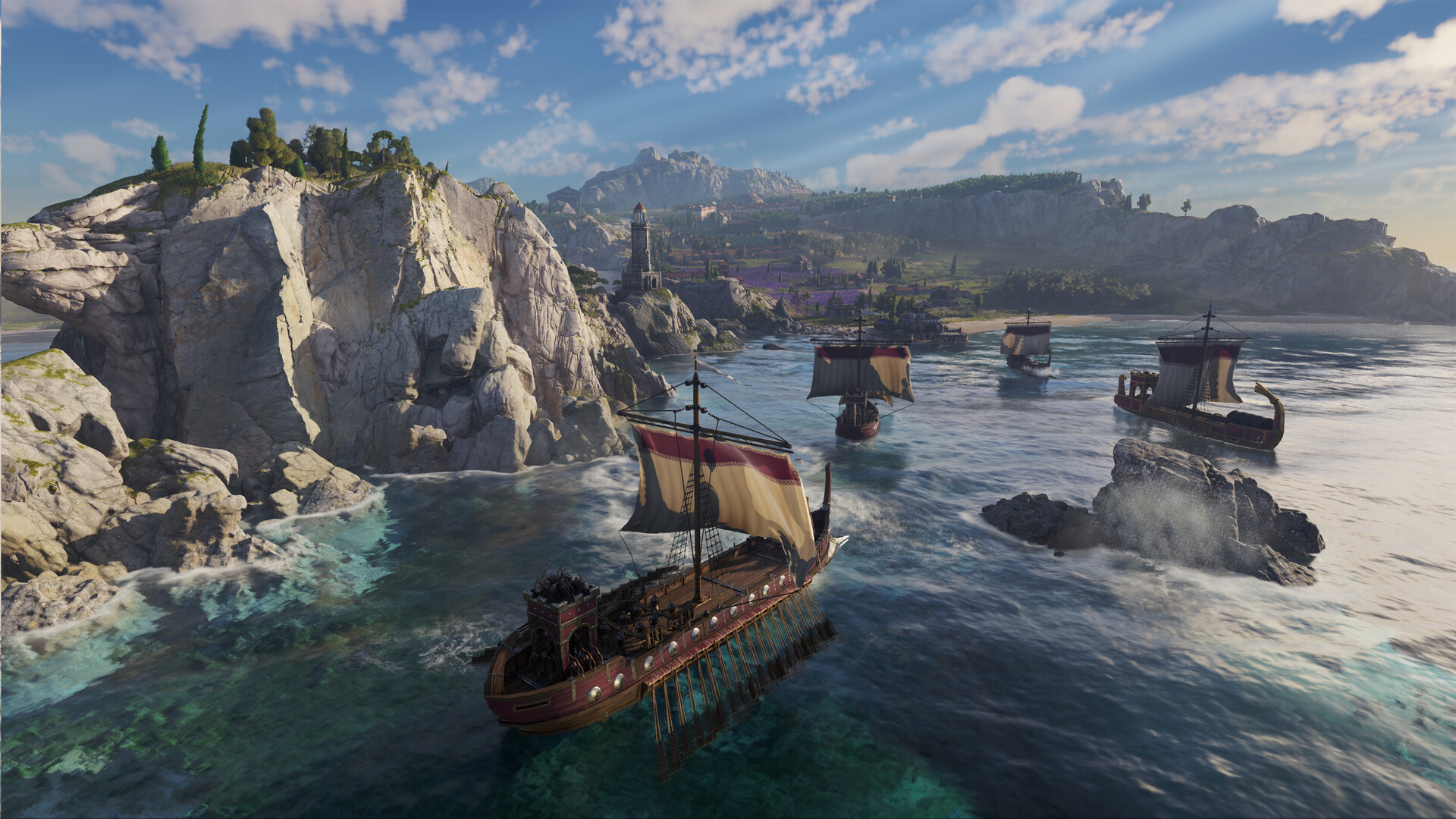
For all its ambition, Anno 117: Pax Romana leaves a few gaps you can’t ignore. Some of the new systems feel like they were introduced with big ideas in mind, but never fully stretched to their limits. The game often hints at political tension, moral pressure, or economic strain, yet the follow-through isn’t always there. You’ll make a decision expecting real pushback from rival factions or citizens, only for the impact to fizzle out sooner than it should.
A few mechanics also struggle to justify their presence. They don’t necessarily hurt the experience, but they linger in that space between “nice idea” and “worth mastering.” The pacing can wobble too; certain chapters drag just long enough to break the momentum the game works so hard to build.
Verdict
Anno 117: Pax Romana Anno stands out as one of the series’ most confident entries. The political decisions carry real weight, the city-building feels satisfying, and the Roman setting gives everything a clear sense of character. It isn’t perfect; some sections move slowly, and the diplomacy can feel a bit thin, but the game’s detail and atmosphere make up for most of that.
At its core, it’s a calm, steady city-builder that rewards careful planning. It’s all about how your choices affect the people who live under your rule. And when everything starts working in sync, Pax Romana becomes a genuinely rewarding strategy game.
Anno 117: Pax Romana Review (PS5, Xbox Series X|S & PC)
The Roman Empire Adventure
Anno 117: Pax Romana rewards patience and careful planning. Every choice matters, and watching your province grow is genuinely satisfying. It’s a thoughtful city-builder that balances strategy, politics, and everyday life in a way few games do.