Connect with us

around the world

Pung: The Traditional Korean Card Game of Skill and Chance

The most well known card based games were shaped and popularised in Europe. When talking about card games, we think of blackjack, baccarat, poker, video poker, and the many variants of casino poker or poker cash games. Though playing cards were not a European invention. They hail from China and the far East, where there are entire families of card based games that some have never encountered. Korea has a rich culture of card gaming, one of the most famous examples of which is Pung, or Go-Stop.

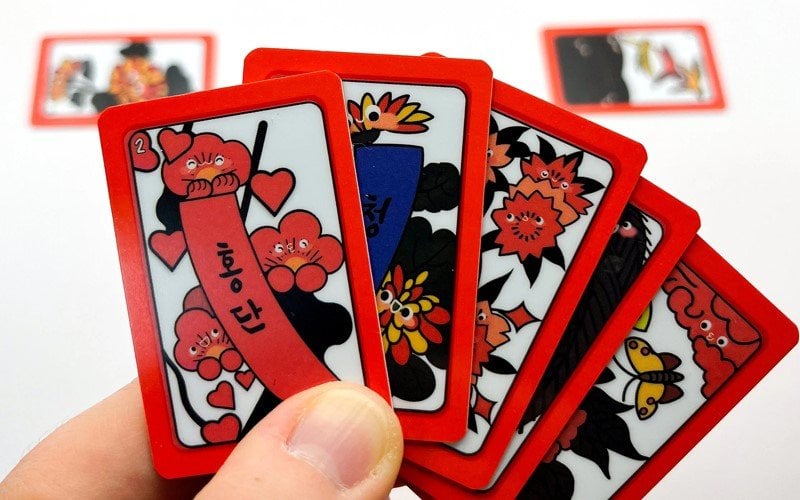
This game uses a Hwatu deck, where instead of numbered and royal suits, you have months and types. Instead of drawing cards and forming hands, you are trading and capturing cards on a table. Combining strategy with the luck of the draw, and potential to bluff or outwit, Pung has all the makings of an exhilarating card game. And it is still hugely popular in Korea today.

Hwatu Deck and How to Play

Before analysing Pung, its important to understand how the Hwatu decks work. The Korean Hwatu deck is based on Japanese Hanafuda cards. These cards can be used in a number of Japanese games, including Koi Koi or Hachi Hachi. Hwatu decks have 48 cards in which there are 12 months of the year, and 4 cards for each month. If we are comparing it to standard French-suited playing cards, the months are the suits. This is a card matching game, and you will need to pair a January with another January card. But it doesn’t stop there.

There are 4 further categories in which you can match cards and score points. These are the Bright, Animal, Ribbon, Junk, and Double Junk groups. Basically, for all of the cards, you need to collect a certain threshold of cards to unlock 1 point, and then each additional card in your set earns +1 point after that. For example, for Ribbon and Animal card sets, you get 1 point for collecting 5 cards. If you have 6, you get 2 points, and 7 will earn you 3 points.

The rules are nearly the same for all categories except for the Bright cards, which are the rarest to draw and most valuable. A group of 3 bright cards can earn you 2 points, 4 bright cards are 4 points, and all five brights is the real jackpot. Collecting all five brights can be worth 15 up to 50 points, depending on the variant you are playing.

go stop pung korea game of chance strategy cards around the world

Pung Gameplay and Goal

Players are dealt cards depending on how many are sitting at the table. A two player game will deal each player 10 cards, whereas if it is three players, they each get 7 cards. The dealer will also place a number of cards faced up on the table. These are the cards the players will be trying to capture or match. The number of cards on the table depends on how many people are playing, but generally you get 7 or 6 cards faced up. Pung, or Go Stop, is a turn based game, in which you play one card per turn, trying to match it with any faced up card. If you don’t have a match, your card is added to the pool and you draw another card from the deck, trying to capture another card.

Go – Stop Dynamic in Pung

For each game, a minimum point threshold is set up. This is a number of points you are racing to. Once a player hits the threshold, they can decide whether to “Go” or “Stop”. This is where the strategic element comes in. If you say Stop, you are ending the round immediately and settle for the number of points you have. It is a clean win, and you are safe. But you have won with the minimum number of points.

Saying Go allows the game to continue to the next threshold. In most cases, the first threshold is 3 points and the next is 7. The number of thresholds can vary, but generally there are 4, motivating players to keep going to rack up those additional points. However, you should be careful. Say you reach the threshold, decide to keep going, and then another player beats you to the next. They will get a Go penalty bonus, earning extra points for beating you to the punch.

gambling card games pung korea strategy

Pung Gambling Elements

The gambling element in this game can vary greatly. Families or social groups can play pung with gaming chips. And then players win or lose chips to each other based on how many points they won in a round. Real money pung is highly popular too, although pung is not really offered at any casinos. This is a peer to peer game, and not one you can play against the house. If Korean gaming parlors did serve Pung, they would only provide dealers or croupiers to oversee the action, and take a rake, or percentage of each pot as a commission. That way, the house has its edge and make money. And the gamers are playing to win money off their peers.

The gameplay invites all kinds of decision making and strategy building. You can choose your matches, decide which cards you want to play or discard, and even bluff your peers into thinking you have a better or worse hand. Savvy players aren’t looking to get those 3 point first thresholds. No, they want to bait other players and then overtake them to the extra Go points.

Of course, your skill and ability to deceive only go so far. The game revolves around drawing cards. Counting cards is possible to a lesser extent, but it is not as simple in Pung as, say blackjack. In blackjack, you have to keep an eye on 12 months or the 4 subcategories, and any crossovers. Skill and experience naturally help players out quite a bit. And a seasoned Pung player will know when to quit while they are ahead, or lull their opponents into keeping playing. But their game plan can be thwarted or severely compromised with poor variance on the draw.

Similar Games and Casino Alternatives

Pung falls into the same family as games like Japanese Hanafuda, or Chinese Pai Gow or Mahjong. Though Mahjong is tile based and doesn’t use cards. The most similar games that you will find at a casino are probably any version of peer to peer poker. In these games, you are playing against other players, and not against the house. Texas Hold’em and Omaha poker are similar, but the betting is more prominent in the games.

In pung you are winning or losing money after rounds end, based on who won how many points. Poker is more complex, as betting happens during rounds, and the money that exchanges hands at the end of a round can be much larger.

Video poker is also comparable to pung in some aspects, though it is far simpler. This is a game played against the house, in which you are trying to form poker hands based on drawn cards. Though the rounds are simplified and only last a few seconds. You are dealt 5 cards, can choose whether you want to discard any or all of them, and then these are replaced by other cards. The goal is to form one of the winning poker hands, each of which have their own payouts.
korea pung go stop strategy card game#

Strategy in Casino Games and Gambling

Ultimately, pung is a highly engaging and somewhat compelling type of card game. It is not your average rummy or poker game. The Go Stop elements add a competitive and strategic edge that is completely unique. And there are countless ways to integrate gambling and betting into pung.

But with any gambling game that has a skill based element, it is easy to get carried away. Or, fall into the belief that you can guarantee wins based on skill alone. That is never the case with any of these card games, as the luck of the draw will ultimately define whether you will get your winning match or not. So play carefully, and don’t underestimate the role of luck and randomness in this game. Always make a bankroll for your gaming, and never spend more than you can afford to lose.


Daniel has been writing about casinos and sports betting since 2021. He enjoys testing new casino games, developing betting strategies for sports betting, and analyzing odds and probabilities through detailed spreadsheets—it’s all part of his inquisitive nature.

In addition to his writing and research, Daniel holds a master’s degree in architectural design, follows British football (these days more out of ritual than pleasure as a Manchester United fan), and loves planning his next holiday.

around the world

El Juego de Cartas Tradicional Coreano de Habilidad y Azar

Los juegos de cartas más conocidos se moldearon y popularizaron en Europa. Cuando hablamos de juegos de cartas, pensamos en blackjack, bacará, póquer, video póquer y las muchas variantes de póquer de casino o juegos de póquer por dinero. Aunque las cartas no fueron un invento europeo. Provienen de China y el Lejano Oriente, donde existen familias enteras de juegos de cartas que algunos nunca han conocido. Corea tiene una rica cultura de juegos de cartas, uno de los ejemplos más famosos es el Pung, o Go-Stop.

Este juego utiliza una baraja Hwatu, donde en lugar de palos numerados y figuras, tienes meses y tipos. En lugar de robar cartas y formar manos, intercambias y capturas cartas en una mesa. Combinando estrategia con la suerte de la robo, y el potencial para farolear o ser más astuto, Pung tiene todos los ingredientes de un juego de cartas emocionante. Y todavía es enormemente popular en Corea hoy en día.

Baraja Hwatu y Cómo Jugar

Antes de analizar Pung, es importante entender cómo funcionan las barajas Hwatu. La baraja coreana Hwatu se basa en las cartas Hanafuda japonesas. Estas cartas se pueden usar en varios juegos japoneses, incluidos Koi Koi o Hachi Hachi. Las barajas Hwatu tienen 48 cartas en las que hay 12 meses del año, y 4 cartas para cada mes. Si lo comparamos con las cartas francesas estándar, los meses son los palos. Este es un juego de emparejar cartas, y necesitarás emparejar una carta de enero con otra carta de enero. Pero no se detiene ahí.

Hay 4 categorías adicionales en las que puedes emparejar cartas y anotar puntos. Estos son los grupos de Cartas Brillantes, Animales, Cintas, Comunes y Dobles Comunes. Básicamente, para todas las cartas, necesitas recolectar un cierto umbral de cartas para desbloquear 1 punto, y luego cada carta adicional en tu conjunto otorga +1 punto después de eso. Por ejemplo, para los conjuntos de cartas de Cinta y Animal, obtienes 1 punto por recolectar 5 cartas. Si tienes 6, obtienes 2 puntos, y 7 te dará 3 puntos.

Las reglas son casi las mismas para todas las categorías excepto para las cartas Brillantes, que son las más raras de robar y más valiosas. Un grupo de 3 cartas brillantes puede darte 2 puntos, 4 cartas brillantes son 4 puntos, y las cinco brillantes es el verdadero premio mayor. Recolectar las cinco brillantes puede valer de 15 a 50 puntos, dependiendo de la variante que estés jugando.

go stop pung korea game of chance strategy cards around the world

Jugabilidad y Objetivo de Pung

Se reparten cartas a los jugadores dependiendo de cuántos haya en la mesa. Un juego de dos jugadores reparte 10 cartas a cada uno, mientras que si son tres jugadores, cada uno recibe 7 cartas. El repartidor también colocará varias cartas boca arriba en la mesa. Estas son las cartas que los jugadores intentarán capturar o emparejar. El número de cartas en la mesa depende de cuántas personas jueguen, pero generalmente hay 7 o 6 cartas boca arriba. Pung, o Go Stop, es un juego por turnos, en el que juegas una carta por turno, intentando emparejarla con cualquier carta boca arriba. Si no tienes un emparejamiento, tu carta se agrega al pozo y robas otra carta de la baraja, intentando capturar otra carta.

Dinámica de Go – Stop en Pung

Para cada juego, se establece un umbral mínimo de puntos. Este es un número de puntos al que estás compitiendo para llegar. Una vez que un jugador alcanza el umbral, puede decidir si “Go” o “Stop”. Aquí es donde entra el elemento estratégico. Si dices Stop, estás terminando la ronda inmediatamente y te conformas con el número de puntos que tienes. Es una victoria limpia y estás a salvo. Pero has ganado con el número mínimo de puntos.

Decir Go permite que el juego continúe hasta el siguiente umbral. En la mayoría de los casos, el primer umbral es de 3 puntos y el siguiente es de 7. El número de umbrales puede variar, pero generalmente hay 4, motivando a los jugadores a seguir adelante para acumular esos puntos adicionales. Sin embargo, debes tener cuidado. Digamos que alcanzas el umbral, decides seguir adelante y luego otro jugador te gana al siguiente. Ellos obtendrán una bonificación de penalización Go, ganando puntos extra por ganarte de mano.

gambling card games pung korea strategy

Elementos de Apuestas en Pung

El elemento de apuestas en este juego puede variar enormemente. Familias o grupos sociales pueden jugar pung con fichas de juego. Y luego los jugadores ganan o pierden fichas entre sí según cuántos puntos ganaron en una ronda. El pung por dinero real también es muy popular, aunque el pung no se ofrece realmente en ningún casino. Este es un juego entre pares, y no uno que puedas jugar contra la casa. Si los salones de juego coreanos ofrecieran Pung, solo proporcionarían repartidores o crupieres para supervisar la acción, y tomarían una comisión, o porcentaje de cada bote como comisión. De esa manera, la casa tiene su ventaja y gana dinero. Y los jugadores juegan para ganar dinero de sus pares.

La jugabilidad invita a todo tipo de toma de decisiones y construcción de estrategias. Puedes elegir tus emparejamientos, decidir qué cartas quieres jugar o descartar, e incluso engañar a tus compañeros haciéndoles creer que tienes una mano mejor o peor. Los jugadores astutos no buscan alcanzar esos primeros umbrales de 3 puntos. No, quieren tentar a otros jugadores y luego superarlos para obtener los puntos Go adicionales.

Por supuesto, tu habilidad y capacidad para engañar solo llegan hasta cierto punto. El juego gira en torno a robar cartas. Contar cartas es posible en menor medida, pero no es tan simple en Pung como, digamos, en blackjack. En blackjack, tienes que vigilar 12 meses o las 4 subcategorías, y cualquier cruce. La habilidad y la experiencia naturalmente ayudan bastante a los jugadores. Y un jugador experimentado de Pung sabrá cuándo retirarse mientras va ganando, o adormecer a sus oponentes para que sigan jugando. Pero su plan de juego puede verse frustrado o severamente comprometido con una mala varianza en el robo.

Juegos Similares y Alternativas de Casino

Pung pertenece a la misma familia que juegos como el Hanafuda japonés, o el Pai Gow chino o Mahjong. Aunque el Mahjong se basa en fichas y no usa cartas. Los juegos más similares que encontrarás en un casino son probablemente cualquier versión de póquer entre pares. En estos juegos, juegas contra otros jugadores, y no contra la casa. Texas Hold’em y Omaha poker son similares, pero las apuestas son más prominentes en esos juegos.

En pung ganas o pierdes dinero después de que terminan las rondas, según quién ganó cuántos puntos. El póquer es más complejo, ya que las apuestas ocurren durante las rondas, y el dinero que cambia de manos al final de una ronda puede ser mucho mayor.

El video póquer también es comparable con pung en algunos aspectos, aunque es mucho más simple. Este es un juego que se juega contra la casa, en el que intentas formar manos de póquer basadas en cartas robadas. Aunque las rondas se simplifican y solo duran unos segundos. Se te reparten 5 cartas, puedes elegir si quieres descartar alguna o todas, y luego estas son reemplazadas por otras cartas. El objetivo es formar una de las manos ganadoras de póquer, cada una de las cuales tiene sus propios pagos.

korea pung go stop strategy card game#

Estrategia en Juegos de Casino y Apuestas

En última instancia, pung es un tipo de juego de cartas muy atractivo y algo fascinante. No es tu juego promedio de rummy o póquer. Los elementos de Go Stop añaden un borde competitivo y estratégico que es completamente único. Y hay innumerables formas de integrar las apuestas y las jugadas de dinero en pung.

Pero con cualquier juego de apuestas que tenga un elemento basado en la habilidad, es fácil dejarse llevar. O, caer en la creencia de que puedes garantizar victorias basándote solo en la habilidad. Ese nunca es el caso con ninguno de estos juegos de cartas, ya que la suerte del robo finalmente definirá si obtendrás tu emparejamiento ganador o no. Así que juega con cuidado, y no subestimes el papel de la suerte y la aleatoriedad en este juego. Siempre establece un presupuesto para tu juego, y nunca gastes más de lo que puedes permitirte perder.

Daniel has been writing about casinos and sports betting since 2021. He enjoys testing new casino games, developing betting strategies for sports betting, and analyzing odds and probabilities through detailed spreadsheets—it’s all part of his inquisitive nature.

In addition to his writing and research, Daniel holds a master’s degree in architectural design, follows British football (these days more out of ritual than pleasure as a Manchester United fan), and loves planning his next holiday.

around the world

Le jeu de cartes traditionnel coréen alliant compétence et hasard

Les jeux de cartes les plus connus ont été façonnés et popularisés en Europe. Lorsque l’on parle de jeux de cartes, on pense au blackjack, au baccara, au poker, au vidéo poker et aux nombreuses variantes de poker de casino ou de cash game. Cependant, les cartes à jouer ne sont pas une invention européenne. Elles sont originaires de Chine et de l’Extrême-Orient, où il existe des familles entières de jeux de cartes que certains n’ont jamais rencontrées. La Corée possède une riche culture du jeu de cartes, dont l’un des exemples les plus célèbres est le Pung, ou Go-Stop.

Ce jeu utilise un jeu de Hwatu, où au lieu de couleurs numérotées et royales, vous avez des mois et des types. Au lieu de tirer des cartes et de former des mains, vous échangez et capturez des cartes sur une table. Alliant stratégie et chance du tirage, avec la possibilité de bluffer ou de déjouer l’adversaire, le Pung possède tous les ingrédients d’un jeu de cartes palpitant. Et il reste extrêmement populaire en Corée aujourd’hui.

Jeu de Hwatu et comment jouer

Avant d’analyser le Pung, il est important de comprendre comment fonctionnent les jeux de Hwatu. Le jeu coréen de Hwatu est basé sur les cartes japonaises Hanafuda. Ces cartes peuvent être utilisées dans plusieurs jeux japonais, dont Koi Koi ou Hachi Hachi. Les jeux de Hwatu comportent 48 cartes représentant les 12 mois de l’année, avec 4 cartes pour chaque mois. Si on le compare aux cartes à jouer françaises standard, les mois sont les couleurs. C’est un jeu d’appariement de cartes, et vous devrez associer une carte de janvier avec une autre carte de janvier. Mais cela ne s’arrête pas là.

Il existe 4 autres catégories dans lesquelles vous pouvez apparier des cartes et marquer des points. Ce sont les groupes des Cartes Lumineuses, des Animaux, des Rubans, des Ordinaires et des Doubles Ordinaires. En gros, pour toutes les cartes, vous devez collecter un certain seuil de cartes pour débloquer 1 point, puis chaque carte supplémentaire dans votre ensemble rapporte +1 point. Par exemple, pour les ensembles de cartes Ruban et Animal, vous obtenez 1 point pour avoir collecté 5 cartes. Si vous en avez 6, vous obtenez 2 points, et 7 vous rapporteront 3 points.

Les règles sont presque les mêmes pour toutes les catégories, sauf pour les Cartes Lumineuses, qui sont les plus rares à tirer et les plus précieuses. Un groupe de 3 cartes lumineuses peut vous rapporter 2 points, 4 cartes lumineuses valent 4 points, et les cinq cartes lumineuses constituent le vrai jackpot. Collecter les cinq cartes lumineuses peut valoir de 15 à 50 points, selon la variante que vous jouez.

go stop pung korea game of chance strategy cards around the world

Déroulement et objectif du jeu Pung

Les cartes sont distribuées aux joueurs en fonction du nombre de personnes à table. Une partie à deux joueurs donne 10 cartes à chaque joueur, tandis qu’à trois joueurs, chacun reçoit 7 cartes. Le donneur place également un certain nombre de cartes face visible sur la table. Ce sont les cartes que les joueurs vont tenter de capturer ou d’apparier. Le nombre de cartes sur la table dépend du nombre de joueurs, mais généralement il y a 7 ou 6 cartes face visible. Le Pung, ou Go Stop, est un jeu au tour par tour, où vous jouez une carte par tour, en essayant de l’apparier avec une carte face visible. Si vous n’avez pas d’appariement, votre carte est ajoutée à la pioche et vous tirez une autre carte du jeu, en essayant d’en capturer une autre.

La dynamique Go – Stop dans le Pung

Pour chaque partie, un seuil de points minimum est fixé. C’est un nombre de points que vous devez atteindre. Lorsqu’un joueur atteint ce seuil, il peut décider de “Go” ou “Stop”. C’est là qu’intervient l’élément stratégique. Si vous dites Stop, vous mettez fin immédiatement à la manche et vous contentez du nombre de points que vous avez. C’est une victoire nette, et vous êtes en sécurité. Mais vous avez gagné avec le nombre minimum de points.

Dire Go permet au jeu de continuer jusqu’au seuil suivant. Dans la plupart des cas, le premier seuil est de 3 points et le suivant de 7. Le nombre de seuils peut varier, mais généralement il y en a 4, incitant les joueurs à continuer pour accumuler des points supplémentaires. Cependant, il faut être prudent. Imaginons que vous atteigniez le seuil, décidiez de continuer, et qu’un autre joueur vous devance au seuil suivant. Il recevra un bonus de pénalité Go, gagnant des points supplémentaires pour vous avoir devancé.

gambling card games pung korea strategy

Éléments de jeu d’argent dans le Pung

L’élément de jeu d’argent dans ce jeu peut varier considérablement. Les familles ou les groupes sociaux peuvent jouer au pung avec des jetons de jeu. Ensuite, les joueurs gagnent ou perdent des jetons entre eux en fonction du nombre de points remportés dans une manche. Le pung avec de l’argent réel est également très populaire, bien que le pung ne soit généralement pas proposé dans les casinos. C’est un jeu de pair à pair, et non un jeu contre la maison. Si les salles de jeu coréennes proposaient le Pung, elles ne fourniraient que des croupiers pour superviser l’action, et prendraient un rake, ou un pourcentage de chaque pot en commission. De cette façon, la maison a son avantage et gagne de l’argent. Et les joueurs jouent pour gagner de l’argent auprès de leurs pairs.

Le gameplay invite à toutes sortes de prises de décision et d’élaboration de stratégies. Vous pouvez choisir vos appariements, décider quelles cartes jouer ou défausser, et même bluffer vos pairs en leur faisant croire que vous avez une meilleure ou une moins bonne main. Les joueurs avisés ne cherchent pas à atteindre ces premiers seuils de 3 points. Non, ils veulent appâter les autres joueurs puis les dépasser pour obtenir les points Go supplémentaires.

Bien sûr, votre compétence et votre capacité à tromper ont des limites. Le jeu tourne autour du tirage des cartes. Le comptage des cartes est possible dans une certaine mesure, mais il n’est pas aussi simple au Pung que, par exemple, au blackjack. Au blackjack, vous devez garder un œil sur 12 mois ou les 4 sous-catégories, et les éventuels chevauchements. La compétence et l’expérience aident naturellement beaucoup les joueurs. Et un joueur de Pung expérimenté saura quand s’arrêter pendant qu’il est en tête, ou endormir ses adversaires pour qu’ils continuent à jouer. Mais leur plan de jeu peut être contrecarré ou sérieusement compromis par une mauvaise variance au tirage.

Jeux similaires et alternatives de casino

Le Pung appartient à la même famille que des jeux comme le Hanafuda japonais, ou le Pai Gow chinois ou le Mahjong. Bien que le Mahjong soit basé sur des tuiles et n’utilise pas de cartes. Les jeux les plus similaires que vous trouverez dans un casino sont probablement n’importe quelle version de poker de pair à pair. Dans ces jeux, vous jouez contre d’autres joueurs, et non contre la maison. Le Texas Hold’em et le Omaha poker sont similaires, mais les paris sont plus importants dans ces jeux.

Au pung, vous gagnez ou perdez de l’argent après la fin des manches, en fonction de qui a gagné combien de points. Le poker est plus complexe, car les paris ont lieu pendant les manches, et l’argent qui change de mains à la fin d’une manche peut être beaucoup plus important.

Le vidéo poker est également comparable au pung à certains égards, bien que beaucoup plus simple. C’est un jeu joué contre la maison, où vous essayez de former des mains de poker à partir des cartes tirées. Cependant, les manches sont simplifiées et ne durent que quelques secondes. Vous recevez 5 cartes, pouvez choisir d’en défausser certaines ou toutes, et elles sont ensuite remplacées par d’autres cartes. L’objectif est de former l’une des mains de poker gagnantes, chacune ayant ses propres paiements.

korea pung go stop strategy card game#

Stratégie dans les jeux de casino et le jeu d’argent

En fin de compte, le pung est un type de jeu de cartes très engageant et assez captivant. Ce n’est pas un jeu de rami ou de poker ordinaire. Les éléments Go Stop ajoutent un aspect compétitif et stratégique tout à fait unique. Et il existe d’innombrables façons d’intégrer le jeu d’argent et les paris au pung.

Mais avec tout jeu de hasard comportant un élément de compétence, il est facile de se laisser emporter. Ou de tomber dans le piège de croire que l’on peut garantir des victoires par la seule compétence. Ce n’est jamais le cas avec aucun de ces jeux de cartes, car la chance du tirage définira en fin de compte si vous obtiendrez votre appariement gagnant ou non. Jouez donc prudemment et ne sous-estimez pas le rôle de la chance et du hasard dans ce jeu. Fixez toujours un budget pour vos jeux et ne dépensez jamais plus que ce que vous pouvez vous permettre de perdre.

Daniel has been writing about casinos and sports betting since 2021. He enjoys testing new casino games, developing betting strategies for sports betting, and analyzing odds and probabilities through detailed spreadsheets—it’s all part of his inquisitive nature.

In addition to his writing and research, Daniel holds a master’s degree in architectural design, follows British football (these days more out of ritual than pleasure as a Manchester United fan), and loves planning his next holiday.

around the world

O Tradicional Jogo de Cartas Coreano de Habilidade e Sorte

Os jogos de cartas mais conhecidos foram moldados e popularizados na Europa. Quando falamos de jogos de cartas, pensamos em blackjack, bacará, pôquer, video poker e as muitas variantes de pôquer de casino ou cash games de pôquer. No entanto, os jogos de cartas não são uma invenção europeia. Eles são originários da China e do Extremo Oriente, onde existem famílias inteiras de jogos baseados em cartas que alguns nunca encontraram. A Coreia tem uma rica cultura de jogos de cartas, um dos exemplos mais famosos sendo o Pung, ou Go-Stop.

Este jogo utiliza um baralho Hwatu, onde, em vez de naipes numerados e reais, temos meses e tipos. Em vez de comprar cartas e formar mãos, os jogadores trocam e capturam cartas em cima da mesa. Combinando estratégia com a sorte da compra, e o potencial para blefar ou superar em astúcia, o Pung tem todos os ingredientes de um jogo de cartas emocionante. E ainda é extremamente popular na Coreia hoje em dia.

Baralho Hwatu e Como Jogar

Antes de analisar o Pung, é importante entender como funcionam os baralhos Hwatu. O baralho coreano Hwatu é baseado nas cartas Hanafuda japonesas. Essas cartas podem ser usadas em vários jogos japoneses, incluindo Koi Koi ou Hachi Hachi. Os baralhos Hwatu têm 48 cartas, representando os 12 meses do ano, com 4 cartas para cada mês. Se compararmos com o baralho francês padrão, os meses são os naipes. Este é um jogo de combinação de cartas, e você precisará emparelhar uma carta de janeiro com outra carta de janeiro. Mas não para por aí.

Existem 4 categorias adicionais nas quais você pode combinar cartas e marcar pontos. São os grupos Bright (Claras), Animal (Animais), Ribbon (Fitas), Junk (Comuns) e Double Junk (Comuns Duplas). Basicamente, para todas as cartas, você precisa coletar um certo número de cartas para desbloquear 1 ponto, e cada carta adicional no seu conjunto concede +1 ponto depois disso. Por exemplo, para os conjuntos de cartas Ribbon e Animal, você ganha 1 ponto por coletar 5 cartas. Se tiver 6, ganha 2 pontos, e 7 concederá 3 pontos.

As regras são quase as mesmas para todas as categorias, exceto para as cartas Bright, que são as mais raras de obter e mais valiosas. Um grupo de 3 cartas Bright pode render 2 pontos, 4 cartas Bright valem 4 pontos, e todas as cinco Bright são o verdadeiro jackpot. Colecionar todas as cinco Bright pode valer de 15 a 50 pontos, dependendo da variante que está a jogar.

go stop pung korea game of chance strategy cards around the world

Jogabilidade e Objetivo do Pung

As cartas são distribuídas aos jogadores dependendo de quantos estão à mesa. Um jogo para dois jogadores dá 10 cartas a cada um, enquanto que, se forem três jogadores, cada um recebe 7 cartas. O dealer também colocará um número de cartas viradas para cima na mesa. Estas são as cartas que os jogadores tentarão capturar ou combinar. O número de cartas na mesa depende de quantas pessoas estão a jogar, mas geralmente são 7 ou 6 cartas viradas para cima. Pung, ou Go Stop, é um jogo baseado em turnos, no qual você joga uma carta por turno, tentando combiná-la com qualquer carta virada para cima. Se não tiver uma combinação, a sua carta é adicionada ao monte e você compra outra carta do baralho, tentando capturar outra carta.

Dinâmica Go – Stop no Pung

Para cada jogo, é estabelecido um limite mínimo de pontos. Este é um número de pontos que você está a tentar alcançar. Quando um jogador atinge o limite, pode decidir se “Go” ou “Stop”. É aqui que entra o elemento estratégico. Se disser Stop, está a terminar a ronda imediatamente e fica com o número de pontos que tem. É uma vitória limpa e está seguro. Mas venceu com o número mínimo de pontos.

Dizer Go permite que o jogo continue para o próximo limite. Na maioria dos casos, o primeiro limite é de 3 pontos e o seguinte é de 7. O número de limites pode variar, mas geralmente são 4, motivando os jogadores a continuar para acumular esses pontos adicionais. No entanto, deve ter cuidado. Digamos que atinge o limite, decide continuar, e depois outro jogador o vence no próximo. Esse jogador receberá um bónus de penalidade Go, ganhando pontos extras por o ter batido.

gambling card games pung korea strategy

Elementos de Aposta no Pung

O elemento de jogo de azar neste jogo pode variar muito. Famílias ou grupos sociais podem jogar pung com fichas de jogo. E depois os jogadores ganham ou perdem fichas entre si com base em quantos pontos ganharam numa ronda. O pung por dinheiro real também é muito popular, embora o pung não seja realmente oferecido em casinos. Este é um jogo peer to peer, e não um jogo contra a casa. Se as salas de jogo coreanas oferecessem Pung, elas apenas forneceriam dealers ou crupiês para supervisionar a ação, e tirariam uma rake, ou percentagem de cada pote, como comissão. Dessa forma, a casa tem a sua vantagem e ganha dinheiro. E os jogadores estão a jogar para ganhar dinheiro dos seus pares.

A jogabilidade convida a todo o tipo de tomada de decisões e construção de estratégia. Pode escolher os seus pares, decidir quais cartas quer jogar ou descartar, e até blefar os seus pares para pensarem que tem uma mão melhor ou pior. Jogadores astutos não procuram apenas atingir esses primeiros limites de 3 pontos. Não, eles querem isçar outros jogadores e depois ultrapassá-los para obter os pontos extras do Go.

Claro, a sua habilidade e capacidade de enganar têm limites. O jogo gira em torno de comprar cartas. Contar cartas é possível até certo ponto, mas não é tão simples no Pung como, por exemplo, no blackjack. No blackjack, você tem de acompanhar 12 meses ou as 4 subcategorias, e quaisquer sobreposições. A habilidade e a experiência naturalmente ajudam bastante os jogadores. E um jogador experiente de Pung saberá quando parar enquanto está à frente, ou iludir os seus oponentes para continuarem a jogar. Mas o seu plano pode ser frustrado ou severamente comprometido com uma variância desfavorável na compra.

Jogos Similares e Alternativas de Casino

O Pung pertence à mesma família de jogos como o Hanafuda japonês, ou o Pai Gow chinês ou o Mahjong. Embora o Mahjong seja baseado em peças e não use cartas. Os jogos mais similares que encontrará num casino são provavelmente qualquer versão de pôquer peer to peer. Nestes jogos, você joga contra outros jogadores, e não contra a casa. O Texas Hold’em e o Omaha poker são semelhantes, mas as apostas são mais proeminentes nesses jogos.

No pung, você ganha ou perde dinheiro após o fim das rondas, com base em quem ganhou quantos pontos. O pôquer é mais complexo, pois as apostas acontecem durante as rondas, e o dinheiro que muda de mãos no final de uma ronda pode ser muito maior.

O video poker também é comparável ao pung em alguns aspetos, embora seja muito mais simples. Este é um jogo jogado contra a casa, no qual você tenta formar mãos de pôquer com base nas cartas compradas. Embora as rondas sejam simplificadas e durem apenas alguns segundos. Você recebe 5 cartas, pode escolher se quer descartar algumas ou todas elas, e depois estas são substituídas por outras cartas. O objetivo é formar uma das mãos vencedoras de pôquer, cada uma com os seus próprios pagamentos.

korea pung go stop strategy card game#

Estratégia em Jogos de Casino e Apostas

Em última análise, o pung é um tipo de jogo de cartas altamente envolvente e algo cativante. Não é o seu jogo de rummy ou pôquer comum. Os elementos Go Stop adicionam um toque competitivo e estratégico que é completamente único. E existem inúmeras formas de integrar o jogo de azar e as apostas no pung.

Mas, como em qualquer jogo de azar que tem um elemento baseado em habilidade, é fácil exceder-se. Ou, cair na crença de que pode garantir vitórias apenas com habilidade. Isso nunca é o caso com nenhum destes jogos de cartas, pois a sorte da compra acabará por definir se você conseguirá ou não o seu par vencedor. Portanto, jogue com cuidado e não subestime o papel da sorte e da aleatoriedade neste jogo. Estabeleça sempre um bankroll para o seu jogo e nunca gaste mais do que pode perder.

Daniel has been writing about casinos and sports betting since 2021. He enjoys testing new casino games, developing betting strategies for sports betting, and analyzing odds and probabilities through detailed spreadsheets—it’s all part of his inquisitive nature.

In addition to his writing and research, Daniel holds a master’s degree in architectural design, follows British football (these days more out of ritual than pleasure as a Manchester United fan), and loves planning his next holiday.

around the world

기술과 운이 공존하는 한국의 전통 카드 게임

가장 잘 알려진 카드 게임들은 유럽에서 형성되어 대중화되었습니다. 카드 게임을 말할 때 우리는 블랙잭, 바카라, 포커, 비디오 포커, 그리고 다양한 카지노 포커나 포커 캐시 게임을 떠올립니다. 하지만 카드는 유럽의 발명품이 아닙니다. 카드는 중국과 극동 지역에서 유래했으며, 그곳에는 서양에서 접해보지 못한 카드 게임 계열이 존재합니다. 한국은 풍부한 카드 게임 문화를 지니고 있으며, 그중 가장 유명한 예가 바로 ‘Pung’ 또는 ‘고스톱’입니다.

이 게임은 화투 덱을 사용하는데, 숫자와 왕족 문양 대신 ‘월’과 ‘종류’로 구성되어 있습니다. 카드를 뽑아 패를 만드는 대신, 테이블 위의 카드를 교환하고 획득하는 방식입니다. 전략과 드로우의 운, 블러핑이나 상대를 속일 수 있는 가능성이 결합된 Pung은 짜릿한 카드 게임의 모든 요소를 갖추고 있습니다. 그리고 오늘날 한국에서도 여전히 매우 인기 있는 게임입니다.

Hwatu Deck and How to Play

Pung을 분석하기 전에, 화투 덱이 어떻게 작동하는지 이해하는 것이 중요합니다. 한국의 화투 덱은 일본의 하나후다 카드를 기반으로 합니다. 이 카드는 고이 고이 또는 하치 하치를 포함한 여러 일본 게임에 사용될 수 있습니다. 화투 덱은 48장의 카드로 구성되어 있으며, 1년의 12개 월과 각 월당 4장의 카드가 있습니다. 표준 프렌치 슈트 카드와 비교하자면, ‘월’이 문장에 해당합니다. 이는 카드 짝 맞추기 게임으로, 1월 카드를 다른 1월 카드와 짝지어야 합니다. 하지만 여기서 그치지 않습니다.

카드를 맞추고 점수를 얻을 수 있는 4가지 추가 카테고리가 있습니다. 바로 광, 열끗, 띠, 피, 그리고 쌍피 그룹입니다. 기본적으로, 모든 카드에 대해 특정 임계치의 카드를 모아야 1점을 얻을 수 있으며, 그 후 세트에 추가되는 각 카드마다 +1점을 추가로 얻습니다. 예를 들어, 띠와 열끗 카드 세트의 경우, 5장을 모으면 1점을 얻습니다. 6장이면 2점, 7장이면 3점을 얻습니다.

규칙은 가장 드물게 뽑히고 가장 가치 있는 광 카드를 제외한 모든 카테고리에서 거의 동일합니다. 광 3장을 모으면 2점, 광 4장은 4점을 얻으며, 광 5장 모두가 진정한 대박입니다. 광 5장을 모두 모으면 플레이하는 변형 규칙에 따라 15점에서 최대 50점까지의 가치가 있습니다.

go stop pung korea game of chance strategy cards around the world

Pung Gameplay and Goal

플레이어는 테이블에 앉은 인원 수에 따라 카드를 받습니다. 2인 게임의 경우 각 플레이어에게 10장의 카드를, 3인 게임의 경우 각각 7장의 카드를 나눠줍니다. 딜러는 또한 여러 장의 카드를 테이블 위에 앞면으로 배치합니다. 이 카드들이 플레이어들이 잡거나 맞추려고 할 카드들입니다. 테이블 위 카드의 수는 게임 인원에 따라 다르지만, 일반적으로 7장 또는 6장이 앞면으로 놓입니다. Pung 또는 고스톱은 턴제 게임으로, 한 턴에 한 장의 카드를 내서 앞면으로 놓인 카드와 짝을 맞추려고 합니다. 짝이 맞는 카드가 없다면, 내놓은 카드는 공용 패에 추가되고 덱에서 다른 카드를 한 장 뽑아 다른 카드를 잡으려고 시도합니다.

Go – Stop Dynamic in Pung

각 게임마다 최소 점수 임계치가 설정됩니다. 이것은 플레이어들이 목표로 하는 점수입니다. 한 플레이어가 임계치에 도달하면, “고” 또는 “스톱”을 결정할 수 있습니다. 여기에 전략적 요소가 들어옵니다. 스톱을 선언하면 즉시 해당 라운드를 종료하고 현재까지 획득한 점수로 승부를 냅니다. 깔끔한 승리이며 안전합니다. 하지만 최소 점수로 승리한 것입니다.

고를 선언하면 게임이 다음 임계치까지 계속됩니다. 대부분의 경우, 첫 번째 임계치는 3점이고 다음은 7점입니다. 임계치의 수는 다양할 수 있지만, 일반적으로 4개가 있어 플레이어들이 추가 점수를 쌓기 위해 계속하도록 동기를 부여합니다. 그러나 조심해야 합니다. 임계치에 도달한 후 계속하기로 결정했는데, 다른 플레이어가 다음 임계치를 먼저 달성한다면 그 플레이어는 고 패널티 보너스를 받아, 당신보다 먼저 성공함으로써 추가 점수를 얻게 됩니다.

gambling card games pung korea strategy

Pung Gambling Elements

이 게임의 도박 요소는 크게 달라질 수 있습니다. 가족이나 친목 모임에서는 게임 칩을 걸고 Pung을 즐길 수 있습니다. 그리고 플레이어들은 한 라운드에서 획득한 점수에 따라 서로 칩을 따거나 잃게 됩니다. 실제 돈을 거는 Pung도 매우 인기가 많지만, Pung은 사실상 어떤 카지노에서도 제공되지 않습니다. 이는 피어 투 피어 게임으로, 카지노(하우스)와 대결하는 게임이 아닙니다. 만약 한국의 게임장에서 Pung을 제공한다면, 그들은 단지 게임 진행을 감독하는 딜러나 크루피에를 제공하고, 레이크 또는 각 판의 일정 비율을 수수료로 가져갈 것입니다. 그렇게 하여 카지노는 우위를 점하고 수익을 냅니다. 게이머들은 동료들로부터 돈을 따기 위해 플레이하는 것이죠.

게임 플레이는 모든 종류의 의사 결정과 전략 구축을 요구합니다. 어떤 카드를 맞출지 선택하고, 어떤 카드를 내거나 버릴지 결정하며, 심지어 상대에게 자신의 패가 더 좋거나 나쁘다고 생각하도록 속일 수도 있습니다. 영리한 플레이어들은 그 첫 3점 임계치를 달성하는 데만 관심 있는 것이 아닙니다. 아니요, 그들은 다른 플레이어들을 미끄러뜨린 후 추가 고 점수를 위해 그들을 추월하려고 합니다.

물론, 상대를 속일 수 있는 당신의 기술과 능력에도 한계가 있습니다. 게임은 카드를 뽑는 것을 중심으로 돌아갑니다. 카드 카운팅이 어느 정도 가능하지만, Pung에서는 예를 들어 블랙잭처럼 간단하지는 않습니다. 12개 월이나 4개의 하위 카테고리, 그리고 그 교차점을 모두 주시해야 합니다. 기술과 경험은 당연히 플레이어들에게 상당한 도움이 됩니다. 그리고 노련한 Pung 플레이어는 언제 승리한 상태에서 그만둘지, 또는 상대를 계속 플레이하게 유도할지 알 것입니다. 하지만 그들의 게임 계획은 드로우의 불운한 변동성으로 좌절되거나 심각하게 훼손될 수 있습니다.

Similar Games and Casino Alternatives

Pung은 일본의 하나후다, 중국의 파이거우 또는 마작과 같은 게임 계열에 속합니다. 마작은 타일 기반이며 카드를 사용하지 않는다는 점이 다릅니다. 카지노에서 찾을 수 있는 가장 유사한 게임은 아마도 어떤 버전의 피어 투 피어 포커일 것입니다. 이러한 게임에서는 다른 플레이어들과 대결하며, 카지노와 대결하지 않습니다. 텍사스 홀덤오마하 포커는 유사하지만, 베팅이 게임에서 더 두드러집니다.

Pung에서는 라운드가 끝난 후 누가 몇 점을 얻었는지에 따라 돈을 따거나 잃습니다. 포커는 더 복잡한데, 베팅이 라운드 중에 이루어지며, 라운드 종료 시 손을 바꾸는 돈의 규모가 훨씬 더 클 수 있습니다.

비디오 포커도 일부 측면에서 Pung과 비교할 수 있지만, 훨씬 더 단순합니다. 이는 카지노와 대결하는 게임으로, 뽑은 카드를 기반으로 포커 핸드를 만드는 것을 목표로 합니다. 라운드가 단순화되어 있으며 몇 초만 지속됩니다. 5장의 카드를 받고, 어떤 카드든 전부 버릴지 여부를 선택한 후, 그 카드들이 다른 카드로 교체됩니다. 목표는 승리하는 포커 핸드 중 하나를 만드는 것이며, 각 핸드는 자체적인 지급금을 가지고 있습니다.

korea pung go stop strategy card game#

Strategy in Casino Games and Gambling

궁극적으로, Pung은 매우 매력적이고 어느 정도 강렬한 유형의 카드 게임입니다. 평범한 러미나 포커 게임이 아닙니다. 고-스톱 요소는 완전히 독특한 경쟁적이고 전략적인 면모를 더합니다. 그리고 Pung에 도박과 베팅을 접목할 수 있는 방법은 무수히 많습니다.

하지만 기술 기반 요소가 있는 어떤 도박 게임이든, 쉽게 흥분하여 빠져들 수 있습니다. 또는 기술만으로 승리를 보장할 수 있다는 믿음에 빠질 수 있습니다. 어떤 카드 게임에서도 그런 경우는 결코 없습니다. 왜냐하면 드로우의 운이 궁극적으로 당신이 승리할 짝을 얻을지 여부를 결정하기 때문입니다. 그러므로 신중하게 플레이하고, 이 게임에서 운과 무작위성의 역할을 과소평가하지 마십시오. 항상 게임용 자금을 따로 마련하고, 감당할 수 있는 이상으로 지출하지 마십시오.

Daniel has been writing about casinos and sports betting since 2021. He enjoys testing new casino games, developing betting strategies for sports betting, and analyzing odds and probabilities through detailed spreadsheets—it’s all part of his inquisitive nature.

In addition to his writing and research, Daniel holds a master’s degree in architectural design, follows British football (these days more out of ritual than pleasure as a Manchester United fan), and loves planning his next holiday.

around the world

プン:韓国の伝統的な技と運のカードゲーム

最もよく知られているカードゲームは、ヨーロッパで形作られ普及しました。カードゲームと言えば、ブラックジャック、バカラ、ポーカー、ビデオポーカー、そしてカジノポーカーやポーカーキャッシュゲームの多くのバリエーションを思い浮かべます。しかし、トランプはヨーロッパの発明ではありません。その起源は中国や極東にあり、そこには多くの人が出会ったことのないカードゲームの一族全体が存在します。韓国には豊かなカードゲーム文化があり、その最も有名な例の一つが「プン」、または「ゴーストップ」です。

このゲームは花札(ファトゥ)デッキを使用し、数字や絵札の代わりに、月と種類があります。カードを引いて手札を形成するのではなく、テーブル上のカードを交換したり獲得したりします。戦略と引きの運、ブラフや相手を出し抜く可能性を組み合わせたプンは、興奮を呼ぶカードゲームの要素をすべて備えています。そして今日でも韓国で非常に人気があります。

花札デッキと遊び方

プンを分析する前に、花札デッキの仕組みを理解することが重要です。韓国の花札デッキは、日本の花札に基づいています。これらのカードは、こいこいや八八を含む多くの日本のゲームで使用できます。花札デッキには48枚のカードがあり、1年の12ヶ月、各月に4枚のカードがあります。標準的なフランス式のトランプと比較するなら、月がスーツに相当します。これはカード合わせゲームであり、1月のカードを別の1月のカードとペアにする必要があります。しかし、それだけではありません。

カードを合わせてポイントを獲得できるカテゴリーがさらに4つあります。それらは「光」、「タネ」、「短冊」、「カス」、「ダブルカス」のグループです。基本的に、すべてのカードについて、一定の枚数を集めて1ポイントを獲得し、その後、セット内の追加カード1枚ごとに+1ポイントが加算されます。例えば、短冊とタネのカードセットでは、5枚集めると1ポイントです。6枚なら2ポイント、7枚なら3ポイントを獲得します。

ルールは、最もレアで価値の高い「光」のカードを除くすべてのカテゴリーでほぼ同じです。光のカード3枚のグループで2ポイント、4枚で4ポイント、そして5枚すべてが本当の大当たりです。5枚すべての光を集めると、プレイするバリアントによって15ポイントから最大50ポイントの価値があります。

go stop pung korea game of chance strategy cards around the world

プンのゲームプレイと目的

プレイヤーには、テーブルに座っている人数に応じてカードが配られます。2人プレイでは各プレイヤーに10枚、3人プレイでは各プレイヤーに7枚が配られます。ディーラーはまた、数枚のカードを表向きでテーブルに置きます。これらはプレイヤーが獲得または合わせようとするカードです。テーブル上のカードの枚数はプレイ人数によりますが、一般的に7枚または6枚が表向きで置かれます。プン、またはゴーストップはターン制のゲームで、各ターンに1枚のカードを出し、テーブル上の表向きのカードと合わせようとします。合うカードがない場合、そのカードは場に加えられ、デッキから別のカードを引き、他のカードを獲得しようとします。

プンにおける「ゴー」と「ストップ」の駆け引き

各ゲームでは、最低ポイントの閾値が設定されます。これはプレイヤーが目指すポイント数です。プレイヤーがその閾値に達すると、「ゴー」か「ストップ」を決めることができます。ここが戦略的要素が発揮される部分です。「ストップ」と言えば、そのラウンドを即座に終了し、現在のポイントで決着をつけます。明確な勝利であり、安全です。しかし、最低限のポイント数での勝利となります。

「ゴー」と言うと、ゲームは次の閾値まで続行されます。ほとんどの場合、最初の閾値は3ポイントで、次は7ポイントです。閾値の数は様々ですが、一般的には4つあり、プレイヤーに追加ポイントを積み上げるために続行する動機を与えます。しかし、注意が必要です。閾値に達して続行を決めた後、他のプレイヤーが次の閾値に先に達したとします。そのプレイヤーは「ゴー」ペナルティボーナスを得て、先手を打ったことによる追加ポイントを獲得します。

gambling card games pung korea strategy

プンのギャンブル要素

このゲームのギャンブル要素は大きく異なります。家族や社交グループは、ゲーミングチップを使ってプンをプレイできます。そしてプレイヤーは、ラウンドで獲得したポイント数に基づいて、互いにチップを勝ち取ったり失ったりします。現金を使ったプンも非常に人気がありますが、プンは実際にはどのカジノでも提供されていません。これはピア・ツー・ピアのゲームであり、胴元(ハウス)に対してプレイするゲームではありません。もし韓国のゲーミングパーラーがプンを提供するなら、彼らはアクションを監督するディーラーまたはクロウピエを提供し、レイク、つまり各ポットの一定割合を手数料として徴収するだけでしょう。そうすることで、胠元は優位性を持ち、収益を得ます。そしてゲーマーは仲間からお金を勝ち取るためにプレイします。

このゲームプレイは、あらゆる種類の意思決定と戦略構築を促します。どのカードを合わせるか、どのカードをプレイするか捨てるかを選択し、さらには手札が良く見えるように、または悪く見えるように仲間を欺くことさえできます。賢いプレイヤーは、最初の3ポイントの閾値を得ようとはしません。彼らは他のプレイヤーをおびき寄せ、追加の「ゴー」ポイントで追い抜こうとするのです。

もちろん、スキルと欺く能力には限界があります。ゲームはカードを引くことに中心があります。カードカウンティングはある程度可能ですが、例えばブラックジャックほど単純ではありません。ブラックジャックでは、12ヶ月または4つのサブカテゴリー、そしてそれらの交差部分に目を光らせる必要があります。スキルと経験は当然、プレイヤーを大いに助けます。そして熟練のプンプレイヤーは、勝っているうちにやめる時や、相手をプレイ続けさせるように仕向ける時を知っています。しかし、彼らのゲームプランは、引きの悪い分散によって挫折したり、大きく損なわれたりする可能性があります。

類似ゲームとカジノの代替ゲーム

プンは、日本の花札や中国のパイゴー、麻雀などと同じ一族に属します。ただし麻雀は牌を使い、カードは使いません。カジノで見つかる最も類似したゲームは、おそらくあらゆるバージョンのピア・ツー・ピアポーカーでしょう。これらのゲームでは、他のプレイヤーと対戦し、胠元とは対戦しません。テキサスホールデムオマハポーカーは似ていますが、これらのゲームではベッティングがより顕著です。

プンでは、ラウンド終了後に誰が何ポイント獲得したかに基づいて、お金を勝ち取ったり失ったりします。ポーカーはより複雑で、ベッティングはラウンド中に行われ、ラウンド終了時に手渡されるお金ははるかに多額になる可能性があります。

ビデオポーカーもいくつかの点でプンと比較できますが、はるかにシンプルです。これは胠元に対するゲームで、引いたカードに基づいてポーカーの役を形成しようとします。ただし、ラウンドは簡略化されており、数秒しか続きません。5枚のカードが配られ、どのカードを捨てるか、あるいはすべてを捨てるかを選択でき、その後それらのカードは別のカードに置き換えられます。目標は、それぞれが独自の配当を持つ勝利のポーカーの役の一つを形成することです。

korea pung go stop strategy card game#

カジノゲームとギャンブルにおける戦略

結局のところ、プンは非常に魅力的で、ある程度強く引き込まれる種類のカードゲームです。それは普通のラミーやポーカーゲームではありません。「ゴーストップ」の要素は、完全に独自の競争的で戦略的な側面を加えます。そして、プンにギャンブルやベッティングを組み込む方法は無数にあります。

しかし、スキルベースの要素を持つあらゆるギャンブルゲームでは、夢中になりやすいものです。あるいは、スキルだけで勝利を保証できるという信念に陥りがちです。それはこれらのカードゲームのいずれにおいても決して当てはまりません。引きの運が、最終的に勝利の組み合わせを得られるかどうかを決定するからです。ですから、注意深くプレイし、このゲームにおける運とランダム性の役割を過小評価しないでください。常にゲーミング用の資金を用意し、失っても構わない額以上を使わないようにしましょう。

Daniel has been writing about casinos and sports betting since 2021. He enjoys testing new casino games, developing betting strategies for sports betting, and analyzing odds and probabilities through detailed spreadsheets—it’s all part of his inquisitive nature.

In addition to his writing and research, Daniel holds a master’s degree in architectural design, follows British football (these days more out of ritual than pleasure as a Manchester United fan), and loves planning his next holiday.

around the world

Das traditionelle koreanische Kartenspiel aus Geschick und Glück

Die bekanntesten kartengestützten Spiele wurden in Europa geformt und populär gemacht. Wenn wir über Kartenspiele sprechen, denken wir an Blackjack, Baccarat, Poker, Video Poker und die vielen Varianten von Casino Poker oder Poker Cash Games. Doch Spielkarten sind keine europäische Erfindung. Sie stammen aus China und dem Fernen Osten, wo es ganze Familien von kartengestützten Spielen gibt, die manche nie kennengelernt haben. Korea hat eine reiche Kartenspielkultur, eines der berühmtesten Beispiele dafür ist Pung oder Go-Stop.

Dieses Spiel verwendet ein Hwatu-Deck, bei dem es anstelle von nummerierten und königlichen Farben Monate und Typen gibt. Anstatt Karten zu ziehen und Hände zu bilden, tauscht und fängt man Karten auf dem Tisch. Mit einer Kombination aus Strategie und Ziehglück sowie der Möglichkeit zu bluffen oder zu überlisten, hat Pung alle Zutaten für ein mitreißendes Kartenspiel. Und es ist in Korea bis heute äußerst beliebt.

Hwatu-Deck und Spielweise

Bevor man Pung analysiert, ist es wichtig zu verstehen, wie die Hwatu-Decks funktionieren. Das koreanische Hwatu-Deck basiert auf japanischen Hanafuda-Karten. Diese Karten können in einer Reihe japanischer Spiele verwendet werden, darunter Koi Koi oder Hachi Hachi. Hwatu-Decks haben 48 Karten, in denen es 12 Monate des Jahres gibt, und 4 Karten für jeden Monat. Wenn wir es mit standardmäßigen französischen Spielkarten vergleichen, sind die Monate die Farben. Dies ist ein Kartensammelspiel, bei dem man einen Januar mit einer anderen Januar-Karte paaren muss. Aber es hört hier nicht auf.

Es gibt 4 weitere Kategorien, in denen man Karten sammeln und Punkte erzielen kann. Dies sind die Gruppen der Bright-, Animal-, Ribbon-, Junk- und Double Junk-Karten. Grundsätzlich muss man für alle Karten eine bestimmte Anzahl an Karten sammeln, um 1 Punkt freizuschalten, und jede weitere Karte in Ihrem Set bringt danach +1 Punkt. Für Ribbon- und Animal-Kartensets erhält man beispielsweise 1 Punkt für das Sammeln von 5 Karten. Bei 6 Karten erhält man 2 Punkte und bei 7 Karten 3 Punkte.

Die Regeln sind für alle Kategorien fast gleich, außer für die Bright-Karten, die die seltensten zu ziehenden und wertvollsten sind. Eine Gruppe von 3 Bright-Karten kann 2 Punkte einbringen, 4 Bright-Karten sind 4 Punkte, und alle fünf Brights sind der wahre Jackpot. Das Sammeln aller fünf Brights kann je nach gespielter Variante 15 bis 50 Punkte wert sein.

go stop pung korea game of chance strategy cards around the world

Pung-Spielablauf und Ziel

Den Spielern werden Karten ausgeteilt, abhängig davon, wie viele am Tisch sitzen. Bei einem Zweispielerspiel erhält jeder Spieler 10 Karten, bei drei Spielern erhält jeder 7 Karten. Der Geber legt auch eine Anzahl von Karten offen auf den Tisch. Dies sind die Karten, die die Spieler zu fangen oder zu matchen versuchen. Die Anzahl der Karten auf dem Tisch hängt davon ab, wie viele Personen spielen, aber im Allgemeinen sind es 7 oder 6 offen liegende Karten. Pung oder Go Stop ist ein rundenbasiertes Spiel, bei dem man pro Zug eine Karte ausspielt und versucht, sie mit einer offenen Karte zu matchen. Wenn man kein Match hat, wird die Karte zum Pool hinzugefügt und man zieht eine weitere Karte vom Deck, um eine andere Karte zu fangen.

Go-Stop-Dynamik in Pung

Für jedes Spiel wird ein Mindestpunkteschwellenwert festgelegt. Dies ist eine Punktzahl, auf die man zusteuert. Sobald ein Spieler den Schwellenwert erreicht, kann er entscheiden, ob er “Go” oder “Stop” sagt. Hier kommt das strategische Element ins Spiel. Wenn man Stop sagt, beendet man die Runde sofort und begnügt sich mit der erreichten Punktzahl. Es ist ein klarer Sieg und man ist auf der sicheren Seite. Aber man hat mit der Mindestpunktzahl gewonnen.

Wenn man Go sagt, geht das Spiel zum nächsten Schwellenwert weiter. In den meisten Fällen ist der erste Schwellenwert 3 Punkte und der nächste 7. Die Anzahl der Schwellenwerte kann variieren, aber im Allgemeinen gibt es 4, was die Spieler motiviert, weiterzumachen, um zusätzliche Punkte zu sammeln. Man sollte jedoch vorsichtig sein. Angenommen, man erreicht den Schwellenwert, entscheidet sich weiterzuspielen, und dann schlägt einen ein anderer Spieler zum nächsten. Dieser erhält dann einen Go-Strafbonus und verdient zusätzliche Punkte dafür, dass er einem zuvorgekommen ist.

gambling card games pung korea strategy

Glücksspielelemente in Pung

Das Glücksspielelement in diesem Spiel kann stark variieren. Familien oder soziale Gruppen können Pung mit Spielchips spielen. Und dann gewinnen oder verlieren Spieler Chips untereinander, basierend darauf, wie viele Punkte sie in einer Runde gewonnen haben. Echtgeld-Pung ist ebenfalls sehr beliebt, obwohl Pung in Casinos eigentlich nicht angeboten wird. Dies ist ein Peer-to-Peer-Spiel und kein Spiel gegen das Haus. Wenn koreanische Spielhallen Pung anbieten würden, würden sie nur Dealer oder Croupiers bereitstellen, um das Geschehen zu überwachen und einen Rake oder Prozentsatz jedes Pots als Provision zu nehmen. Auf diese Weise hat das Haus seinen Vorteil und verdient Geld. Und die Spieler spielen, um Geld von ihren Mitspielern zu gewinnen.

Das Gameplay lädt zu allen Arten von Entscheidungsfindung und Strategieentwicklung ein. Man kann seine Matches wählen, entscheiden, welche Karten man spielen oder abwerfen möchte, und sogar seine Mitspieler bluffen, um sie glauben zu lassen, man habe eine bessere oder schlechtere Hand. Clevere Spieler versuchen nicht unbedingt, diese ersten 3-Punkte-Schwellenwerte zu erreichen. Nein, sie wollen andere Spieler ködern und sie dann überholen, um die zusätzlichen Go-Punkte zu erhalten.

Natürlich reichen Geschick und Fähigkeit zu täuschen nur bis zu einem gewissen Punkt. Das Spiel dreht sich um das Ziehen von Karten. Kartenzählen ist in begrenztem Umfang möglich, aber in Pung nicht so einfach wie zum Beispiel in Blackjack. Man muss 12 Monate oder die 4 Unterkategorien und etwaige Überschneidungen im Auge behalten. Geschick und Erfahrung helfen Spielern natürlich sehr. Und ein erfahrener Pung-Spieler weiß, wann er aufhören muss, während er in Führung liegt, oder seine Gegner dazu verleiten kann, weiterzuspielen. Aber sein Spielplan kann durch schlechte Varianz beim Ziehen vereitelt oder stark beeinträchtigt werden.

Ähnliche Spiele und Casino-Alternativen

Pung gehört zur gleichen Familie wie Spiele wie japanisches Hanafuda oder chinesisches Pai Gow oder Mahjong. Obwohl Mahjong steinbasiert ist und keine Karten verwendet. Die ähnlichsten Spiele, die man in einem Casino finden wird, sind wahrscheinlich jede Version von Peer-to-Peer-Poker. In diesen Spielen spielt man gegen andere Spieler und nicht gegen das Haus. Texas Hold’em und Omaha Poker sind ähnlich, aber das Wetten ist in diesen Spielen ausgeprägter.

In Pung gewinnt oder verliert man Geld nach Rundenende, basierend darauf, wer wie viele Punkte gewonnen hat. Poker ist komplexer, da das Wetten während der Runden stattfindet und das Geld, das am Ende einer Runde den Besitzer wechselt, viel größer sein kann.

Video Poker ist in einigen Aspekten auch mit Pung vergleichbar, obwohl es viel einfacher ist. Dies ist ein Spiel gegen das Haus, bei dem man versucht, Pokerhände basierend auf gezogenen Karten zu bilden. Allerdings sind die Runden vereinfacht und dauern nur wenige Sekunden. Man erhält 5 Karten, kann wählen, ob man welche oder alle davon abwerfen möchte, und diese werden dann durch andere Karten ersetzt. Das Ziel ist es, eine der gewinnenden Pokerhände zu bilden, die jeweils ihre eigenen Auszahlungen haben.

korea pung go stop strategy card game#

Strategie in Casinospielen und Glücksspiel

Letztendlich ist Pung ein sehr fesselndes und einigermaßen packendes Kartenspiel. Es ist nicht dein durchschnittliches Rommé- oder Pokerspiel. Die Go-Stop-Elemente verleihen ihm eine wettbewerbsorientierte und strategische Komponente, die völlig einzigartig ist. Und es gibt unzählige Möglichkeiten, Glücksspiel und Wetten in Pung zu integrieren.

Aber wie bei jedem Glücksspiel mit einem geschicklichkeitsbasierten Element ist es leicht, sich mitreißen zu lassen. Oder in den Glauben zu verfallen, man könne allein durch Geschick Gewinne garantieren. Das ist bei keinem dieser Kartenspiele der Fall, da das Ziehglück letztendlich bestimmt, ob man sein gewinnendes Match erhält oder nicht. Also spiele vorsichtig und unterschätze nicht die Rolle von Glück und Zufall in diesem Spiel. Lege immer ein Bankroll für dein Spiel fest und gib niemals mehr aus, als du dir leisten kannst zu verlieren.

Daniel has been writing about casinos and sports betting since 2021. He enjoys testing new casino games, developing betting strategies for sports betting, and analyzing odds and probabilities through detailed spreadsheets—it’s all part of his inquisitive nature.

In addition to his writing and research, Daniel holds a master’s degree in architectural design, follows British football (these days more out of ritual than pleasure as a Manchester United fan), and loves planning his next holiday.

Advertiser Disclosure: Gaming.net is committed to rigorous editorial standards to provide our readers with accurate reviews and ratings. We may receive compensation when you click on links to products we reviewed.

Please Play Responsibly: Gambling involves risk. Never bet more than you can afford to lose. If you or someone you know has a gambling problem, please visit GambleAware, GamCare, or Gamblers Anonymous.


Casino Games Disclosure:  Select casinos are licensed by the Malta Gaming Authority. 18+

Disclaimer: Gaming.net is an independent informational platform and does not operate gambling services or accept bets. Gambling laws vary by jurisdiction and may change. Verify the legal status of online gambling in your location before participating.