News
Michigan’s Bone Fide Law to Legalize Social Betting Pools

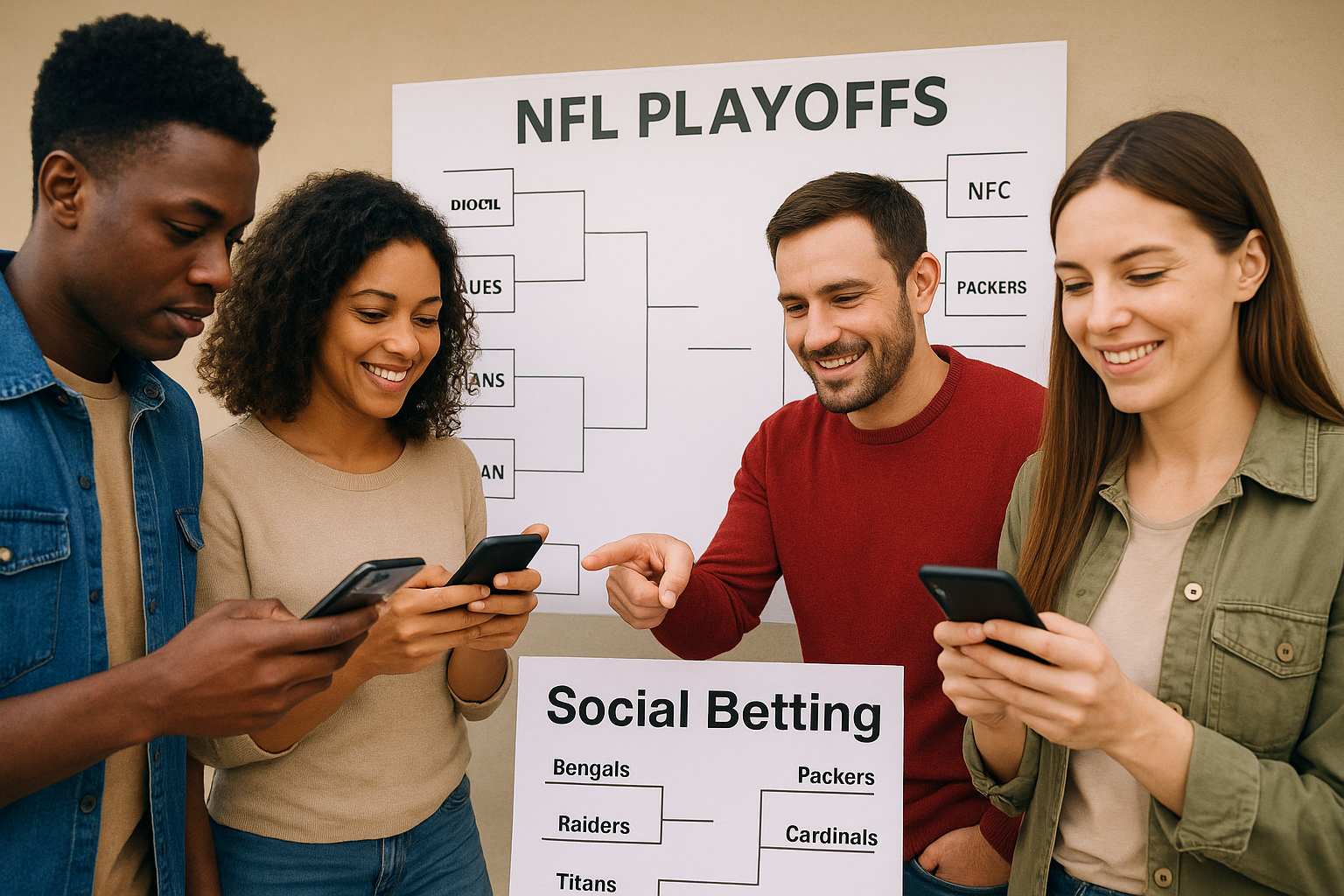
On the back of a surge in gross online gambling revenue, Michigan is seeking to legalize small scale social bets and pools. State Senator Veronica Klinefelt introduced Senate Bill 511 this month, with the intention of lessening the state’s strict laws where social betting is concerned. The Bone Fide bill will make it legal for peers to make bets between themselves. Prior to that, private betting parties could be punishable by fines of up to $1,000 and even face a year in prison for providing illicit gambling activities.
It is not all plain sailing for the so called Bona Fide bill, as operators will have mixed feelings about it. Klinefelt insisted the practice occurs anyway, and that “nobody is making any money” at the hearing. But allowing low stakes wagers on brackets and squares may divert some revenue from the operators. And thus, it could have a knock-on effect for the state’s online gambling revenue.
Online Gambling Hits New Highs in Michigan
In August, Michigan posted a new benchmark for its online gambling industry. The state generated $312.5 million in gross revenue in August 2025, representing a nearly 40% increase from August 2024. Online casinos and the iGaming sector hit over $263.3 million, with sports betting contributing $49.3 million. Sports betting grew nearly 80% from this time last year, a testament to Michigan’s ever growing sports betting industry.
The sports betting handle reached $338 million in August 2025, an increase from last year’s $280 million. For greater context, the yearly sports betting handle in 2024 was over $5.3 billion. In 2025, following August’s update, the sports betting handle is already at $3.13 billion.
September, October, November and December always see a big spike, with the NFL and NBA regular seasons in full swing, and MLB concluding with the World Series at the end of October. Just think about how many people bet on the NFL towards the end of the regular season. Or the betting frenzy on the NBA at the start of the season. While MLB betting will reach a climax in October with the highly anticipated World Series.
Michigan’s Regulated Online Sports Betting
Michigan legalized sports betting following the passing of the Lawful Sports Betting Act HB 4916 in 2019. The first retail sportsbooks opened their doors in March 2020, and in 2021 January, online sports betting sites were officially launched. The Michigan Gaming Control Board regulates all sports betting in the state, and online sportsbooks must be tethered to landbased casinos or tribal casinos. Currently, there are 12 operators in Michigan, (15 with iGaming operators), including big players like:
- BetMGM – MGM Grand Detroit
- BetRivers – Little River Band of Ottawa Indians
- Caesars/WSOP – Grand Traverse Band of Ottawa and Chippewa Indians
- DraftKings – Bay Mills Indian Community
- Fanatics – Lac Vieux Desert Band of Lake Superior Chippewa Indians
- FanDuel – MotorCity Casino
- Penn – Hollywood Casino at Greektown
Michiganders over the age of 21 can sign up to sportsbooks and place online bets. They are allowed to place all kinds of bets, including futures, pregame wagers, live bets, player props, and parlays. College sports fans can bet on all major events, including March Madness and the College Football Playoffs. Michigan is one of the more laid back states where betting on college sports is concerned. You can even bet on in-state college teams, like the Michigan Wolverines of Michigan State Spartans.
Michigan Sports Betting Tax
Sports betting in Michigan is subject to both federal taxes (around 24% for winnings over $5,000) and state taxes. Operators pay 8.4% tax on adjusted gross sports betting receipts. And for sports fans, winnings are taxable at the flat income tax rate of 4.25%. Sports betting is tax-deductible, and the tax itself is pretty low considering what bettors pay in other states.
Where social betting is concerned, under the new bill, the winnings from betting pools would still be considered taxable income. As they are informal, you wouldn’t receive a W-2G form for your winnings. However, you are responsible for declaring any winnings and reporting the additional income you make from social betting pools.
Bona Fide Bill and Allowances
To make it clear, Klinefelt is not looking to legalize unregulated betting pools or unlicensed operators. The bill would legalize social wagers placed between private parties, with a set of guidelines as to what the betting could entail:
- No more than 100 people per betting pool
- Maximum wager per person capped at $25
- Entire amount is paid to one or more participants
- The organizer must be a participant
- The money pools and transfers cannot be held inside a casino, restaurant, bar, or entertainment venue
- These are strictly private and not promoted by businesses
The bill would also raise the fine for conducting illegal sports betting pools up to $5,000. So while it does open up the possibility for legalized friendly wagers, it also clamps down strictly on any operators trying to exploit a loophole. The intention is not to open up the space for betting exchanges or peer to peer operators. It is aimed at decriminalizing friendly wagers between peers, and any wagers that are made outside the framework of organized betting operators.

Defining Social Betting Pools, Brackets and Squares
Social betting could cover a wide range of betting types and contests. It can range from two people exchanging wagers against each other in a back-lay format. But it can also involve popular betting pools, brackets and squares.
- Brackets: Generally used for tournaments or playoffs. Participants predict the outcome of each matchup, with prize pools for the best performing entries
- Squares: Common in NFL betting, especially the Super Bowl. You buy squares on a grid, and winners are determined by the last digits of the teams’ scores at the end of each quarter in a game
- Fantasy Contests: Assemble fantasy lineups and score points based on your players’ performances. Your points determine your place in the leaderboards, and the best performing lineup(s) win prizes from a pool
- Survivor Pools: Knockout pools where you pick a team to win each week, and are eliminated if the team loses. It carries on through the season until only one person remains
Could the New Bill Impact Operators and Tribal Casinos
Operators provide many similar types of social betting contests, or real money DFS games. But, if organized between friends, the pools and prizes will not be commissioned by a third party. In the sportsbook’s case, that is the house, or the operator.
Thus, you are getting bets without juice, contests without commissions, and better value for your money. Though you have to take into account, social sports betting pools in Michigan would be capped at $1,000 per contest. The max wager, or DFS entry, would be capped at $25.
The fear, especially among tribal casinos, is that these “affordable wagers” would hurt their business. The Bona Fide bill may shift some small stakes betting away from regulated platforms, and it could put pressure on operators to expand their products and sports betting experiences. Though the crucial point working in the operator’s favor is that they can offer much larger prizes, and great parlay betting opportunities, which you wouldn’t find in these small scale peer betting operations. The lawmakers have seemingly agreed it will not hurt revenue, and that if anything, it will only make more opportunities for Michiganders.
It may prompt operators to expand their games, or look for worthy alternatives to win players away from low scale betting pools. But one thing is definite. Michigan’s sports betting scene is on the up and up. The Bona Fide law will most likely make Michigan an even more attractive destination for sports bettors.




