Game Guides
SULFUR: 10 Beginner Mistakes to Avoid on Your First Runs
Avoid ten common SULFUR beginner mistakes with practical advice on equipment risk, ammunition, cooking, weapon upgrades and learning each run.

 Add Gaming.net to your preferred sources on Google
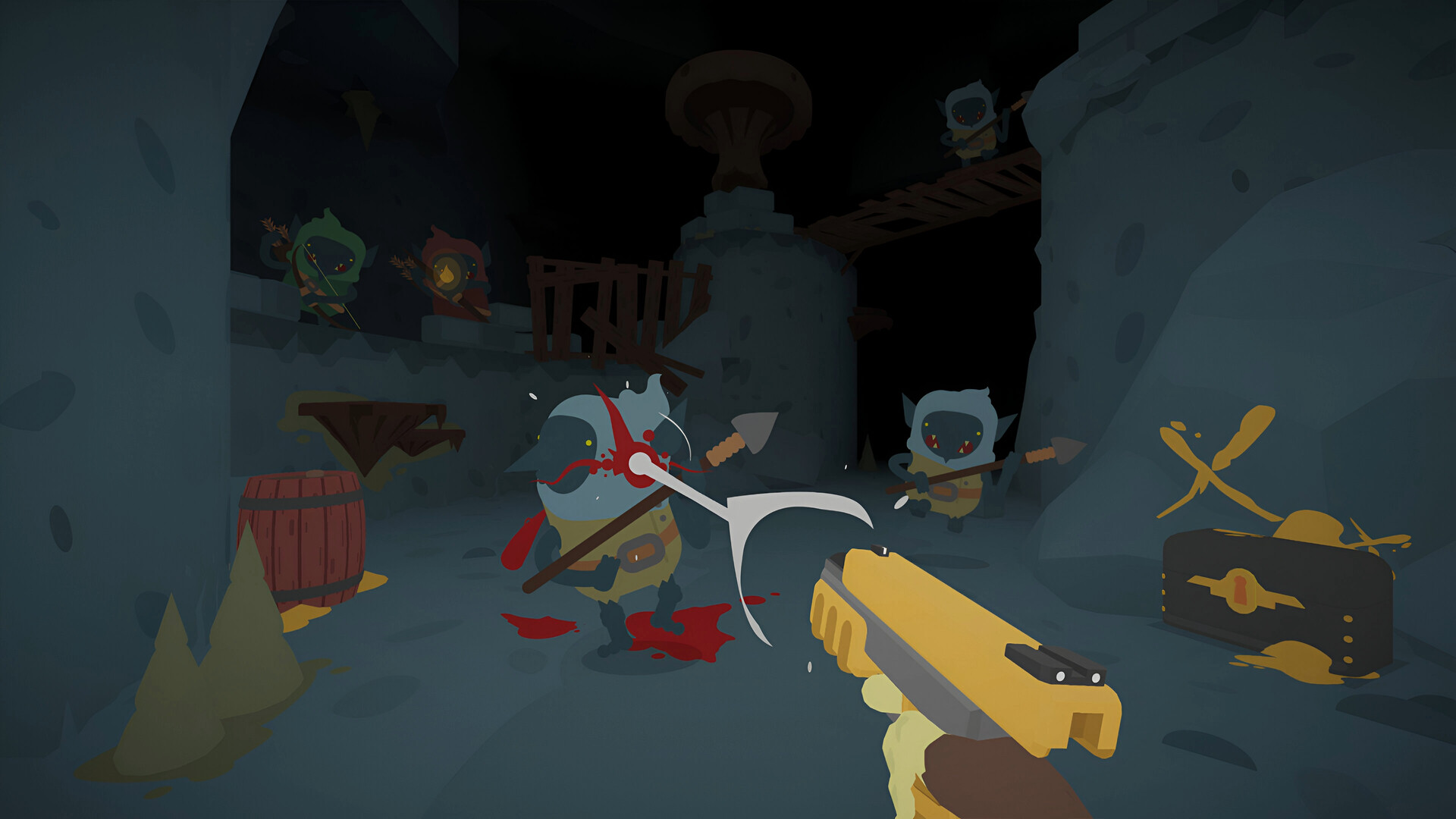
SULFUR makes an expedition feel like a wager. A useful weapon can help you get farther, but taking your favorite equipment also means putting it at risk. The first few runs are easier to understand when you stop measuring progress only by how much ground you cover and start asking what each decision costs.
These ten beginner mistakes focus on preparation, combat habits, and managing that risk. They draw on the official description of SULFUR’s equipment and build systems, rather than promising a particular weapon will solve every encounter. For more games built around repeated attempts, explore our PC roguelike recommendations.
1. Taking Your Most Valuable Gear on Every Run
The equipment you bring can be lost when a run goes wrong. That makes your loadout a decision about what you can afford to risk, not simply a contest to equip the strongest things you own. A powerful item is only useful if you understand how you intend to use it.
Before leaving, give the run a clear purpose. Are you learning an unfamiliar area, gathering supplies, or attempting a more ambitious push? Choose equipment that supports that goal. Keeping a useful alternative in reserve can make a failed attempt easier to recover from without turning the next outing into another desperate gamble.
2. Leaving Without an Ammunition Plan
A firearm and the resources to keep using it belong in the same plan. Check what your chosen weapons need before setting off, then think about how often you expect to use each one. Two appealing guns do not automatically make a practical combination.
During a run, notice how quickly your supplies are disappearing. If an ordinary encounter consumes more than expected, that is information about your setup or your approach. Adjust the next fight rather than assuming a lucky discovery will fix the problem. A deliberate shot is often worth more than a hurried burst into a position you barely checked.
3. Treating Every Weapon Upgrade as an Automatic Improvement
Attachments and enchantments let you shape weapons into different builds. The important question is how a change fits the way you fight. An effect that looks impressive in isolation may not help with the problem you are currently trying to solve.
Read the description, make one considered change, and pay attention to the result. Changing several parts of a setup at once makes it harder to understand what worked. A simple weapon you know well can be a better learning tool than an elaborate combination whose strengths and weaknesses you have not yet separated.
4. Ignoring Cooking Until Supplies Become Urgent
Cooking belongs to SULFUR’s broader preparation loop. Give ingredients and their possible uses some attention before treating them as spare clutter. When you are still learning the game, it is easy to recognize an obvious weapon upgrade while overlooking the supplies that support the rest of the expedition.
Use item descriptions and the cooking options the game actually shows you. Keep useful discoveries in mind for future runs instead of assuming an ingredient has only one purpose. Avoid building a plan around an untested recipe when you have little room for error; learn the result when you can afford to experiment.
5. Rushing Into an Unread Room
A fast entry can leave you trying to understand the layout, identify the threats, and choose a response at the same time. Slow the opening moment down when you can. Look at available space and consider what would happen if you needed to retreat.
That does not mean every encounter should become a cautious crawl. It means giving yourself enough information to choose the pace. If an approach repeatedly gets you surrounded or trapped, change where the fight begins. Learning a safer position is useful progress even when the run ends before you reach a new destination.
6. Continuing a Fight Without Reassessing the Cost
An encounter can begin on reasonable terms and become expensive very quickly. Keep checking your position and remaining resources instead of allowing the first decision to dictate everything that follows. Success is more useful when it leaves you capable of handling what comes afterward.
After an awkward fight, pause before pushing straight into another one. Ask what made it awkward: poor visibility, unfamiliar equipment, unnecessary exposure, or a threat you misunderstood. Change one part of the approach. Repeating the same expensive exchange is a habit you can correct, even before you have access to a more elaborate build.
7. Carrying Loot Without Understanding Its Use
Loot can represent immediate help, a future build, or something you do not yet understand. Read enough to tell those possibilities apart. A collection of unfamiliar objects is less useful than a smaller collection whose role in your plan is clear.
Make a habit of reviewing discoveries during a sensible break in the action. Which item supports the current expedition, and which belongs to a different experiment? You do not need to memorize every possibility immediately. Recognizing why you are keeping something makes later equipment decisions much easier and reduces the temptation to treat every new object as equally important.
8. Copying a Build Without Learning Its Assumptions
A build recommendation may assume particular gear, a specific combination of effects, or familiarity with encounters you have not learned yet. Copying only its most visible weapon can miss the parts that make the whole setup work.
Use another player’s idea as a question to investigate. What problem is the build solving, and can your current equipment solve it in the same way? If not, simplify. Developing a dependable setup from the resources you understand is more helpful than trying to imitate a finished arrangement while missing the pieces that hold it together.
9. Turning One Good Run Into an Unplanned Gamble
Finding something valuable can tempt you to take a bigger risk immediately. Before doing that, look again at the expedition’s original purpose and what you have already achieved. The value of another encounter depends on what you would be putting at stake.
Use the game’s available return and progression options deliberately, following their current rules and prompts. Avoid assuming that an exit works exactly like one in another extraction game. The useful habit is making a conscious decision about continuing, rather than letting excitement make that decision for you while your attention is on the newest piece of loot.
10. Finishing a Failed Run Without Taking a Lesson From It
A failed expedition can still give you something practical: a better route, a clearer understanding of an enemy, or a reason to change your loadout. Pick one lesson before starting again. “I need better gear” is less useful than identifying the moment when the plan stopped working.
Then make the next run a small test of that lesson. Bring the right supplies, use a different position, or spend more time learning an unfamiliar weapon. Improvement becomes easier to recognize when you change something specific. You are building judgment as well as collecting equipment, and that judgment survives a bad outing.
Start with a loadout you understand, give each expedition a purpose, and leave room to learn. For a wider selection of demanding adventures, see our best survival games on PC.