Best Of
10 Best Games With Satisfying Parry Combat
Compare 10 games with satisfying parry combat, from sword-fighting duels and martial arts to reactive turn-based battles.

 Add Gaming.net to your preferred sources on Google
A satisfying parry makes defense feel like a decision with momentum. You read an attack, commit at the right moment, and turn an opponent’s pressure into an opportunity. The best examples give that exchange a clear sound, a readable response, and a reason to keep improving.
These ten games build on that idea in different ways. Some call the action a deflection or a perfect guard, while others combine timing with directional inputs or turn-based encounters. The ranking considers feedback, depth, and how central the mechanic feels to the wider combat. It is a comparison of distinct systems, so expect each game to ask you to learn its own rhythm.
10. Thymesia
Thymesia rewards a willingness to stay close to danger. Its deflection system belongs to a combat loop that also asks you to maintain pressure with the tools available to Corvus. Defensive timing feels useful because it helps you stay engaged in the encounter rather than repeatedly retreating to a safe distance.
Pick it if you enjoy a compact action RPG with a demanding rhythm to learn. The game’s plague-themed abilities give you other ways to express an approach, but reading attacks remains important. It is a good fit when you want fast exchanges and are happy to practice a particular enemy until its movements begin to make sense.
9. Furi
Furi builds its identity around boss encounters, giving you plenty of time to become familiar with a single opponent. Parrying sits alongside dodging, shooting, and close-range attacks, so defensive timing is one part of a wider conversation with each boss. The clear presentation helps make improvement noticeable.
Its appeal is the concentration of the experience. You are learning an opponent’s patterns without a large equipment-management layer separating one attempt from the next. Choose it if you want intense duels with a strong audiovisual identity, and if finding the rhythm of a difficult phase sounds more rewarding than searching for a different build.
8. Wo Long: Fallen Dynasty
Wo Long makes deflection a major part of its Spirit-based combat. A well-read attack can change the balance of the exchange, giving defense an active role alongside your own strikes and abilities. The mechanic feels especially important when an enemy commits to a dangerous move that demands your attention.
Choose it if you enjoy action RPG progression but still want timing to matter in the moment. Learning when to hold your ground and when to reposition is part of the attraction. Its wider selection of equipment and abilities gives you decisions between encounters, while deflection keeps the actual fighting focused on what is happening directly in front of you.
7. Stellar Blade
Stellar Blade gives its defensive actions a crisp role in the flow of a fight. Perfect Parry rewards learning an enemy’s attack sequence, and the resulting pressure helps create opportunities for a more forceful response. The animation and sound make successful timing easy to recognize.
It is a strong option if you want stylish presentation alongside a readable defensive challenge. You still need to distinguish the game’s different attack cues and response options rather than applying one input to everything. Pick it for encounters where understanding the enemy can make your own attacks look more deliberate, especially as repeated attempts turn an unfamiliar sequence into something you can anticipate.
6. Clair Obscur: Expedition 33
Expedition 33 shows how much an active defense can change a turn-based RPG. Enemy turns ask for attention, with dodges and parries creating a choice between a more forgiving response and a more demanding reward. Successful parries feed into the party’s ability to answer back.
That makes it an appealing choice if you like character builds and party decisions but want your reactions involved as well. The contrast is the point: you can plan your own turn carefully, then find yourself studying the rhythm of the next incoming attack. Choose it for a different setting in which to practice timing, with the wider narrative and RPG systems giving the battles context.
5. Metal Gear Rising: Revengeance
Metal Gear Rising makes parrying feel inseparable from Raiden’s aggressive movement. Its directional approach asks you to respond toward an incoming attack, giving defense a physical connection to the opponent you are facing. Learning it changes how confidently you can stay in the middle of a fight.
The presentation turns those exchanges into part of the spectacle, but the useful pleasure comes from understanding what an enemy is asking you to do. Choose it if you want a fast action game whose defensive system encourages engagement. It rewards attention to positioning and timing rather than treating the safest response as simply backing away from every threat.
4. Sifu
Sifu turns close-range defense into a conversation about timing, spacing, and structure. Deflecting or parrying an attack can create a very different exchange from avoiding it, and learning when to use each response is a large part of getting comfortable with a fight.
Its hand-to-hand focus gives those decisions an immediate sense of contact. There is little distance between reading a shoulder movement and dealing with the consequences. Pick it if you enjoy practicing a room until your choices become cleaner. Successful defense feels especially satisfying when you begin managing several opponents without losing track of who is about to act.
3. Lies of P
Lies of P gives Perfect Guard a prominent place beside ordinary guarding and dodging. Learning an opponent’s timing can help you manage pressure and work toward openings, while the impact of a successful guard makes the exchange feel substantial. Different weapons also let you find a fighting style that suits the rest of your approach.
It is a good choice for players who want parrying inside a more traditional action-RPG adventure. Expect to study unfamiliar timings rather than rely on one rhythm for the whole game. The reward is the moment a difficult sequence stops feeling arbitrary and starts to feel like something you can read and answer.
2. Nine Sols
Nine Sols places deflection at the center of a precise two-dimensional action game. Its Qi and talisman systems give successful defense a connection to your own offensive opportunities. You are learning how to turn a sequence of incoming attacks into the resources and openings for a response.
The side-on view helps concentrate attention on spacing and timing, while demanding encounters give you a reason to refine both. Choose it if you want defensive mastery to be a central part of exploration and boss fights. Its strong identity comes from how naturally parrying belongs to the whole combat design, rather than appearing as an optional flourish.
1. Sekiro: Shadows Die Twice
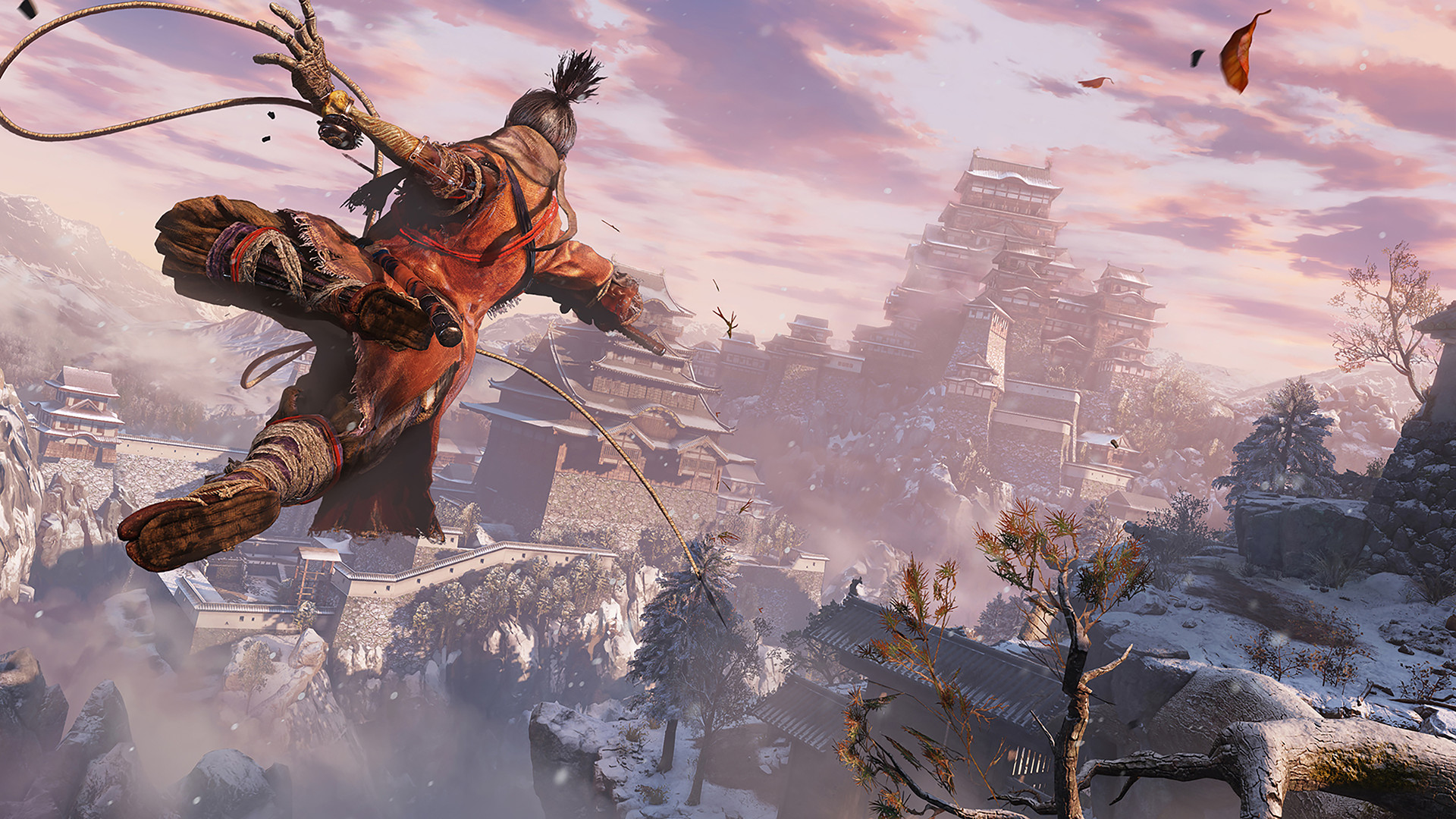
Sekiro makes the clash of blades the language of its combat. Deflection and posture keep offense and defense closely connected, so standing your ground can be a way of advancing the fight. A successful exchange feels like you have understood the opponent, not simply avoided losing health.
It takes our top spot because its major encounters give that idea room to develop. You learn an enemy’s rhythm, recognize the attacks that require a different response, and become more deliberate about maintaining pressure. Choose it if you want a game built around that learning process and the satisfaction of turning an intimidating duel into a sequence you can confidently participate in.
Looking for another combat system to learn? Our Phantom Blade Zero combat guide explains its core ideas, while our games like Nine Sols offer more demanding adventures.