Game Guides
Remothered: Red Nun’s Legacy — 10 Survival Tips for Beginners
Understand Remothered: Red Nun’s Legacy with 10 spoiler-light beginner tips covering stalkers, exploration, puzzles and hypnosis abilities.

 Add Gaming.net to your preferred sources on Google
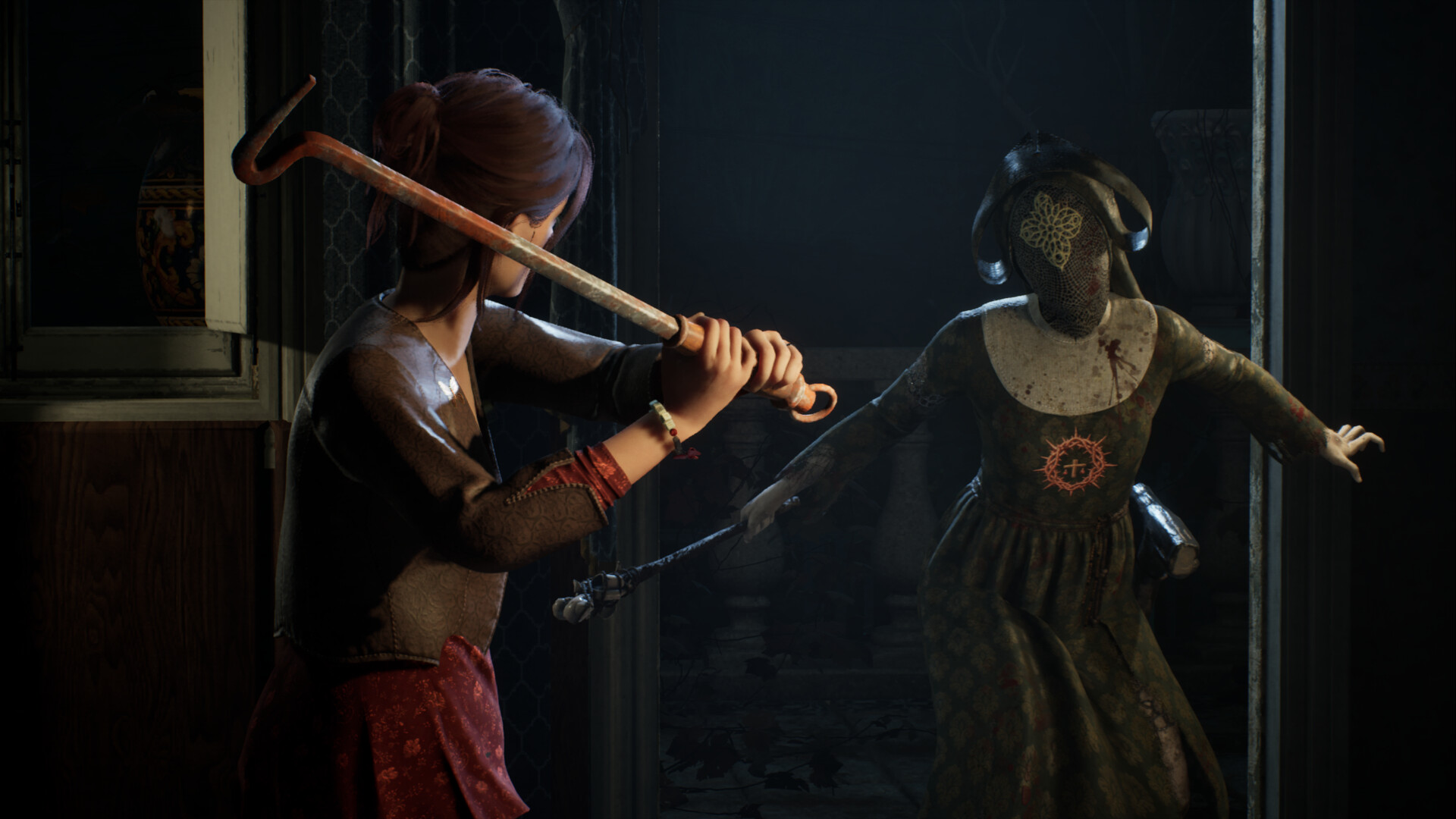
Remothered: Red Nun’s Legacy places Susan Harper’s search for her daughter inside a place full of danger, hidden history, and unreliable appearances. Staying alive means paying attention to the environment as well as the figure pursuing you. A useful discovery can be a way forward, a clue to a puzzle, or simply a better understanding of where to go when things turn bad.
These ten spoiler-light tips focus on the officially described survival and investigation systems, including retrocognition, mirror abilities, and moth manipulation. Specific prompts and ability rules should come from the game as you unlock them. For the broader setting and premise, see our Remothered: Red Nun’s Legacy overview.
1. Think About Survival Before Confrontation
The official description emphasizes hiding, evading, and fighting back in critical moments. That is a useful way to set your expectations: an opportunity to resist a stalker does not mean every encounter should become a prolonged fight. Begin by looking for a way to keep the search moving.
When entering an unfamiliar space, take a moment to understand what you are trying to reach and what could obstruct the return journey. That simple habit gives you a practical objective if danger interrupts the investigation. Decide where you want to go before reacting only to whatever is closest.
2. Learn Routes While You Have Time to Look
A route you have already inspected is easier to use under pressure. Notice doorways, connecting rooms, and recognizable objects as you explore. Try to remember how the area fits together rather than collecting a separate mental picture of each room without knowing what connects them.
You do not need a perfect map. A clear sense of the next doorway and the route back to a familiar area is already useful. If you find yourself becoming disoriented, use a distinctive landmark to rebuild that sense of direction before pushing farther into a location you barely recognize.
3. Listen Before Committing to an Investigation
Give the audio room to provide information. If you hear a change nearby, pause the search long enough to work out whether you understand its direction and context. Treat sound as another clue alongside what you can see, rather than as proof that a particular area is definitely safe.
This is especially helpful when your attention has been on a puzzle or a small object. It is easy to become so focused on one task that you stop noticing the surrounding scene. A quick check of the room, the route, and the sounds around you can help you choose the next action more deliberately.
4. Treat Hiding as a Decision About Position
Look for opportunities to hide while you are learning a space, then consider how you would actually reach them. A hiding place is less useful if getting to it requires an uncertain run through an unfamiliar route. Preparation matters as much as recognizing the option itself.
If a pursuer has already seen where you went, avoid assuming that pressing an interaction button automatically solves the encounter. Pay attention to the game’s feedback and the stalker’s behavior. The aim is to make a considered escape decision, with room to reassess when the situation does not unfold as expected.
5. Use Defensive Opportunities to Create an Exit
When the game offers a chance to fight back, consider what it lets you do next. A brief opening may be most valuable as time to move, regain orientation, or get past an obstruction. Judge the action by whether it improves your position, not only by whether it connects with the threat.
Read the relevant item or interaction description before relying on it during a dangerous moment. Learn what the game actually permits instead of assuming every object works as a reusable weapon. Once you have created space, use it for a clear purpose and return attention to the route you planned.
6. Keep Key Items Connected to Their Locations
Exploration involves finding clues and key items that open further progress. When you collect something significant, connect it with the place you found it and any unresolved problem it resembles. That association is more useful than remembering only that your inventory contains one more object.
If the game provides descriptions or other readable context, use them before trying the item against every possible interaction. A short note of an unresolved mechanism can also help when several discoveries arrive close together. Keep the notes descriptive rather than assuming a solution before you have enough information to support it.
7. Read a Puzzle’s Surroundings Before Guessing
The environment is part of the investigation. Before testing a random sequence, inspect what the room places around the problem: nearby writing, objects, visual relationships, and clues from the story. Try to identify which details appear connected rather than treating every decoration as equally important.
When an attempt fails, change a reasoned assumption instead of repeating the same approach faster. Ask what the game has actually shown you and what you have merely inferred. This makes progress easier to understand and helps you notice when a missing clue, rather than a difficult input, is the thing holding you up.
8. Use Retrocognition to Understand What the Present Hides
Retrocognition is one of the confirmed hypnosis abilities, giving Susan a way to uncover forgotten memories. Treat those discoveries as information to interpret. Notice which people, objects, and locations gain a different meaning after you have seen something connected to the past.
Follow the ability’s in-game introduction carefully, then consider how the new information relates to the investigation you were already pursuing. The useful question is what changed in your understanding of the place. That keeps the mechanic connected to solving the mystery instead of reducing it to an effect you trigger without examining the result.
9. Inspect What Mirror Abilities Change
Mirror abilities are another part of the official hypnosis feature set. When the game introduces them, look carefully at what the interaction changes about the environment and your available options. Avoid carrying assumptions from another horror game about exactly how its mirrors must behave.
Once you understand the demonstrated rule, connect it with the obstacle in front of you. Observe first, then try a deliberate action and inspect the result. That approach is more reliable than treating every unusual surface as the same type of doorway or assuming that a familiar visual effect always has an identical purpose.
10. Give Moth Manipulation a Specific Purpose
Moth manipulation belongs to Susan’s confirmed set of abilities for interacting with the environment. Read the relevant prompts and look for the relationship between the ability and the situation where it is introduced. Your first priority is understanding what the game is asking you to influence.
Then bring that understanding back into the wider survival loop. If an ability reveals a path or changes the scene, pause long enough to recognize the new route before moving through it. The most useful habit across all three powers is the same: notice the change, understand its purpose, and keep the next safe step in mind.
For help making the presentation comfortable before a longer session, see our horror game settings checklist. Take the investigation one room at a time, keep clues connected, and let the game teach the exact rules of each new ability.