Game Guides
Phantom Blade Zero: 7 Combat and Build Systems Explained Before Launch
Understand seven confirmed Phantom Blade Zero combat and build systems, including Phantom Edges, reforging and difficulty options.

 Add Gaming.net to your preferred sources on Google
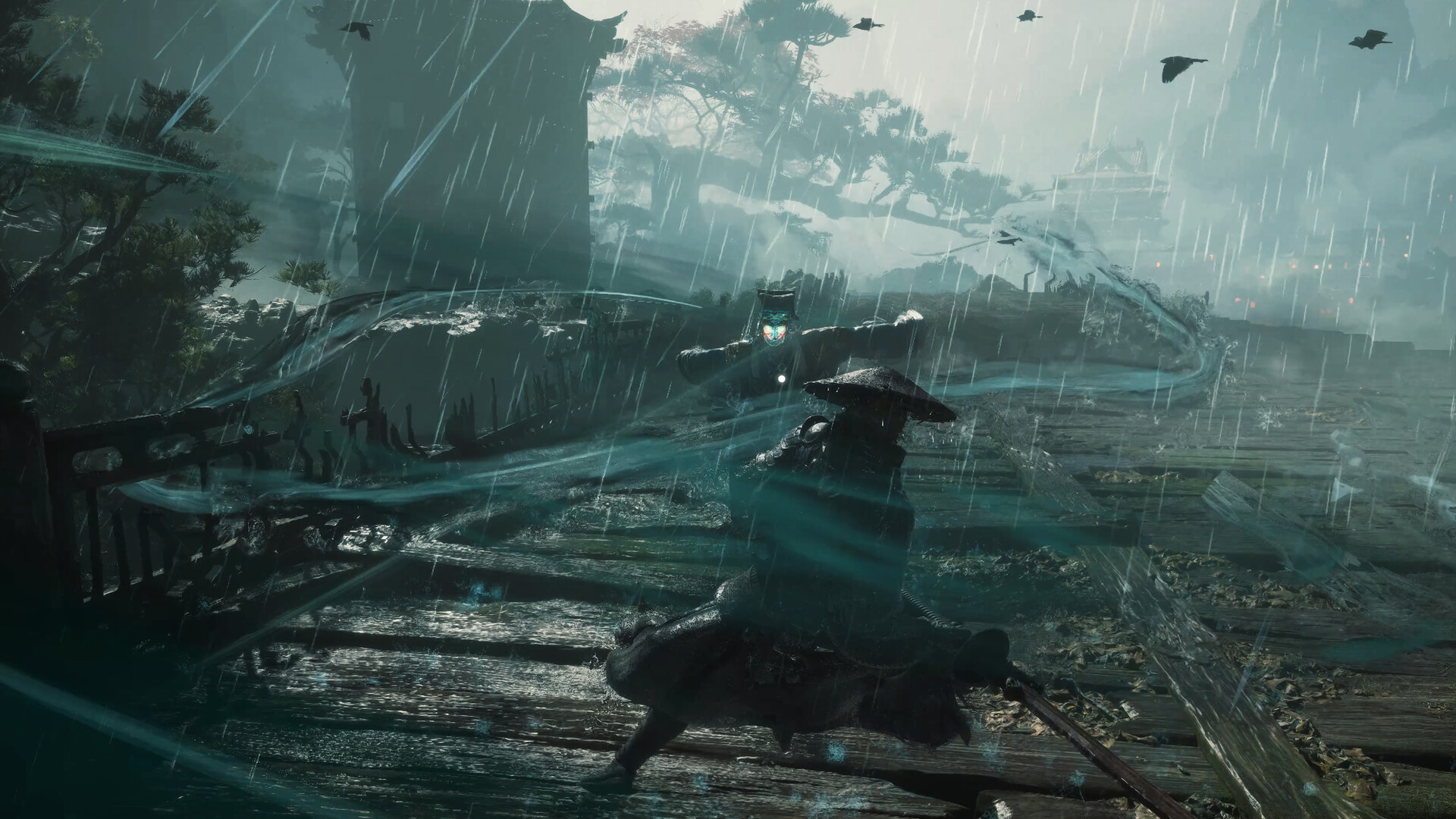
Phantom Blade Zero’s fast-moving fights are built around more than a single sword. Ahead of its October 29 release, with October 28 applying in the US and selected regions, S-GAME has explained how weapons, secondary tools and build choices fit together. Those details give you a useful starting point before stepping into the Wulin.
This guide brings together the developer’s State of Play breakdown and official combat introduction. These are explanations of confirmed systems, with practical questions to keep in mind as you learn them after launch.
1. Main Weapons Give You a Pairing to Learn
The combat introduction describes equipping two main weapons, while the later deep dive confirms an arsenal of more than thirty to unlock. Think of the equipped pair as the smaller set you need to understand first. The full collection can wait while you learn how your current options work.
When you find a new weapon, consider what it adds to the pairing you already have. You may want variety, familiarity or an approach that better suits the situation. There is no reason to assume that the newest weapon automatically replaces one you enjoy using.
2. Phantom Edges Add Another Layer of Choice
Phantom Edges are secondary weapons, with twenty-five confirmed in the later developer overview. The initial combat presentation describes bringing two of them into battle alongside your main weapons. They extend the ways you can approach an encounter rather than serving as another name for the same equipment.
The deep dive mentions ranged attacks and summons among the available possibilities. As you unlock tools, ask what job each one does in your setup. A secondary option becomes easier to use deliberately when you can explain why you brought it.
3. Upgrades Let You Invest in Familiar Equipment
S-GAME confirms that weapons can be upgraded. That gives you a reason to consider a weapon’s long-term place in your setup, rather than judging it only at the moment you find it. Learning something you like and investing in it can be part of the same process.
Before making an upgrade decision, spend enough time with the weapon to understand what appeals to you. Distinguish liking its appearance from enjoying how it fits your play. Both matter, but the latter helps you decide where you want your next investment to go.
4. Accessories Help Shape the Build
Weapons can be paired with different accessories. The developer presents this as part of creating a setup around your preferred approach to combat. Read what an accessory actually changes before treating it as an automatic improvement.
A useful first question is whether the accessory supports something you regularly do. An impressive effect may contribute very little if your usual approach rarely takes advantage of it. Build around interactions you understand, and change one part at a time when testing a new idea.
5. Reforging Returns Materials for Another Investment
The State of Play overview explicitly says that reforging lets you recover invested materials and put them into another weapon. That is an important piece of context when deciding whether to experiment. Your first investment does not have to become a permanent commitment.
If a weapon stops fitting the way you want to play, revisit the options rather than continuing solely because you have already spent materials. Check the in-game details of the reforging process when it becomes available. The confirmed material return makes flexibility part of the build discussion.
6. Defensive Timing Has a Role Alongside Attacks
The official combat introduction emphasizes reactive parrying and dodging. That gives you a second learning task alongside understanding your own attacks: reading what an opponent is about to do. A spectacular combo will be easier to enjoy when you also recognize an opening to use it.
Early on, give yourself time to observe a new encounter. Try to identify what prompted a successful defensive response and what you missed when it failed. Specific timings and matchup solutions will need to come from the released game, but paying attention is a useful habit from the start.
7. Difficulty Changes the Experience You Choose
The developer names Wayfarer for players who want to enjoy the story, Hellwalker for a tougher challenge with more adaptive enemy intelligence, and Sixty-Six Days as another demanding option. These are meaningful choices about the experience you want, rather than a reason to prove something before you have learned the controls.
Read the in-game descriptions and choose with your own goals in mind. If you are primarily interested in the Wulin and its characters, that is a valid starting point. If mastering difficult encounters is the attraction, you have options to explore once the basic systems feel familiar.
Playing on PC? Our Phantom Blade Zero requirements guide covers hardware preparation. For combat, start by understanding a small set of tools and let the wider arsenal give you new ideas as you go.