Game Guides
Escape from Playtime: 7 Things to Know Before Your First Co-op Run
Start Escape from Playtime with seven useful pointers on teamwork, scavenging, changing layouts and surviving your first co-op run.

 Add Gaming.net to your preferred sources on Google
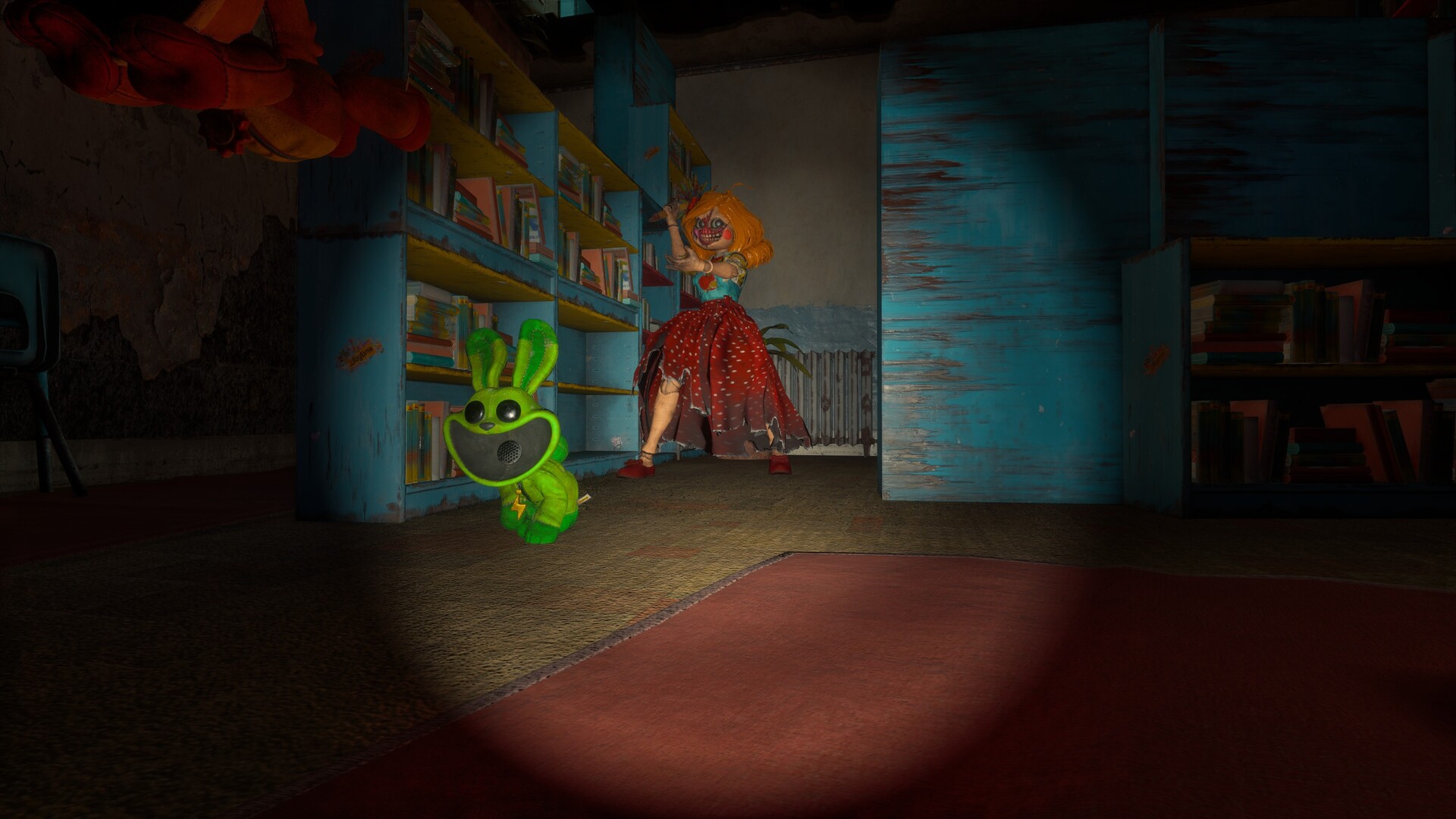
Escape from Playtime turns the toy factory into a problem you can share with friends. Your job sounds straightforward: head inside, collect what the mysterious Voice wants, and return alive. The creatures roaming the corridors have other plans.
Before the first panicked sprint, it helps to understand what sort of game you are entering. These seven pointers draw on the current official game description and offer a sensible starting approach, rather than a fixed route through a factory that changes between runs.
1. The Current Player Limit Is Eight
The current Steam listing supports solo play or a group of up to eight players. That matters if you have seen older announcements describing a four-player game: use the current listing when planning your session. In its post-beta feedback update, Mob Entertainment says the game is tuned around three to five players and describes solo play mainly as a way to explore, investigate lore and test items. Plan a group session if you want the intended cooperative experience.
For a first attempt, keep the plan simple. Choose a meeting point, make sure everyone can hear the same instructions, and avoid having several people talk over an important discovery. More teammates help only when useful information reaches them.
2. Bringing Resources Back Is Part of the Job
The Voice sends your group looking for parts and resources. The developer’s instructions describe delivering loot to Barry, the cart, and meeting a quota before leaving. Finding something valuable is therefore only one part of the trip; getting it back safely is the other. Treat a successful return as an objective in its own right instead of letting every side corridor become another detour.
A useful habit is to stop briefly after a promising find and ask whether the group should continue searching or head back. That conversation is much easier before a creature separates everyone. You do not need a perfect haul for a first run to teach you something.
3. Communicate Before Distance Becomes a Problem
Proximity voice chat is part of the experience. Think about that when deciding how far apart to search: the person who knows where to go may be nowhere near the teammate who needs directions. Short, specific callouts are more useful than a chorus of “over here.”
Describe the room you entered, the route you took, or the danger you spotted. If your group wants to split up, agree on when to regroup first. Those are teamwork habits, not a promise that one formation will beat every encounter.
4. Learn to Read Spaces, Not Memorize One Route
The factory uses procedural layouts that change with each run. Learning the general character of a classroom, warehouse or connecting corridor is useful; assuming yesterday’s exact path will work again is a shakier plan. Check your surroundings as you move.
Try to notice where a space offers cover, an alternate way through, or a place to regroup. Returning to a familiar-looking room should still prompt a quick look around. The safest route is the one you have actually checked during the current attempt.
5. Tools and Distractions Deserve Attention
The developer describes scavenging tools, finding hiding places and creating distractions as ways to survive. That is a good reason to inspect what you find rather than treating every object as background clutter. Read the information the game provides before relying on an unfamiliar item.
Avoid assuming that one response works against every creature. Observe what happens, share that information, and adjust together. A failed experiment can still be useful if the next person knows what you tried and why it did not work.
6. Your Size Changes How You Explore
You are exploring as a small toy, with crawling, jumping and climbing available. A room that looks blocked from one angle may deserve another look from a lower viewpoint. Watch for possible passages instead of judging every space as if you were a full-sized human.
Keep exploration deliberate during those early runs. If you discover a useful route, explain where it leads before disappearing down it. A clever shortcut is much less helpful when the rest of the group cannot find its entrance.
7. Expect the Early Access Version to Evolve
The launch description lists eight playable characters, a starter zone and a core enemy lineup. Mob Entertainment intends to expand and rebalance the game through Early Access. That makes the version you are playing relevant whenever you compare advice with an older video or playtest.
Check current patch notes when a familiar tactic stops working, and use the in-game reporting tools for reproducible bugs. Keep your first goals modest: understand the assignment, return with your group, and learn one new thing about the factory. There will be time for ambitious runs once the basics feel comfortable.
Looking for more games to tackle with friends? Our best PvE co-op games on PC list offers more ways to build your next group session.