Game Guides
We Were Here Tomorrow: 8 Communication Tips for Solving Puzzles Together
Solve together without spoilers: eight communication tips for We Were Here Tomorrow, from naming symbols to coordinating tools and checking assumptions.

 Add Gaming.net to your preferred sources on Google
“Press the thing next to the other thing” is a sentence every co-op puzzle partner eventually learns to regret. You know exactly what you mean. Your friend is looking at something entirely different. A simple task becomes a discussion about which left, which symbol, and whose room the conversation is even about.
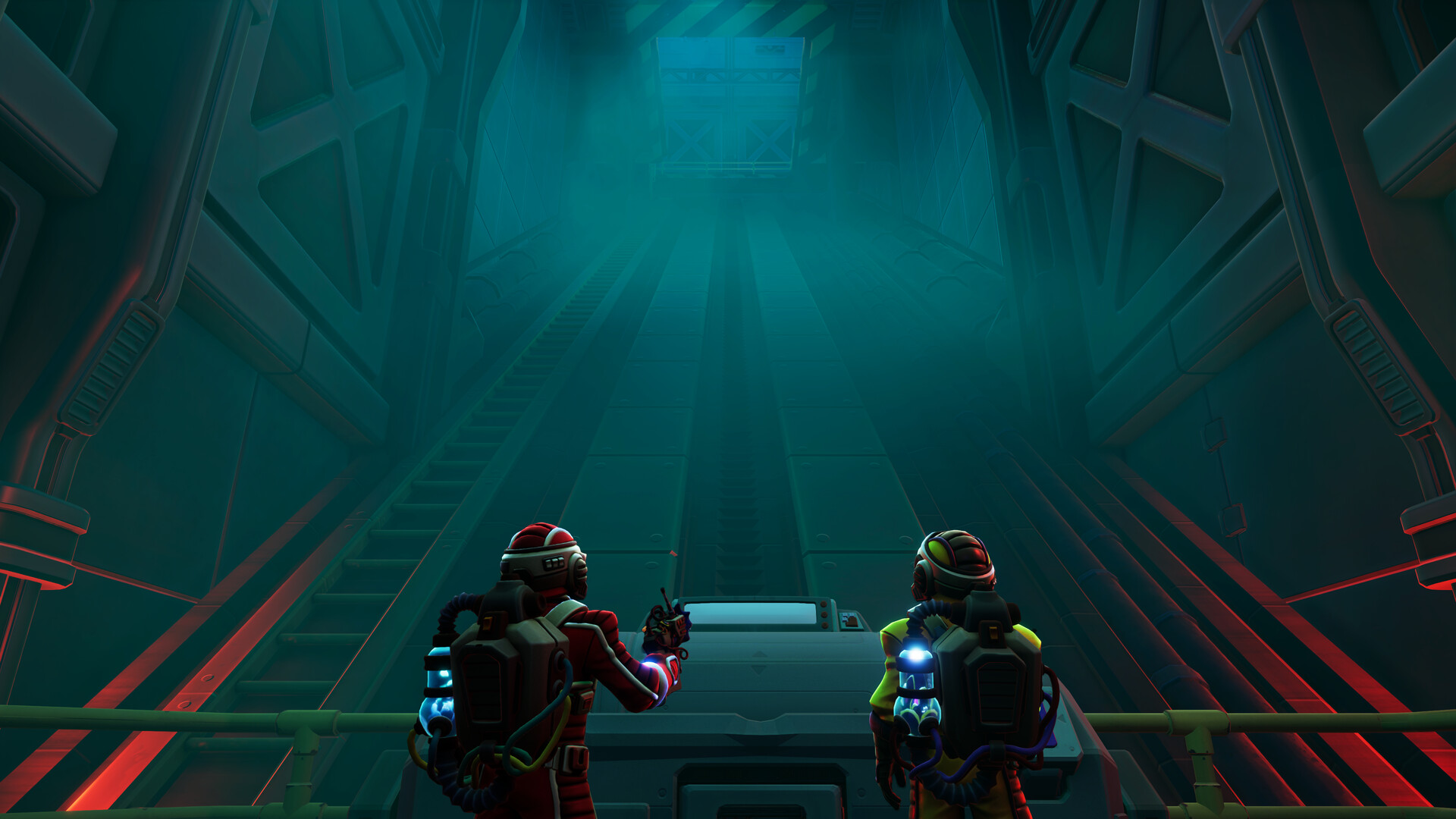
We Were Here Tomorrow gives its two Explorers different information and tools inside a retro-futuristic facility. These eight habits are designed for that asymmetrical setup. They will help you communicate clearly without giving away puzzle solutions or assuming both players can see the same thing.
8. Start by describing the room, not the solution
When you enter a new space, give your partner a quick overview before explaining your theory. Mention the main objects, anything you can interact with, and what appears to block your progress. Ask for the same overview in return.
That shared starting point prevents a surprisingly common problem: one player spends several minutes solving the wrong question because an important detail was never mentioned. Keep the description organized, perhaps moving around the room in one direction. Your partner should come away knowing what you can see, rather than trying to reconstruct the order in which you happened to notice it.
7. Agree on names for unfamiliar symbols
A symbol can look like a bird to one person and a broken arrow to another. Pick one short name together and keep using it. If two shapes are similar, describe the distinguishing detail before choosing the nickname.
Build a tiny shared vocabulary as you go. “Circle with a gap at the top” is a stronger starting description than “the weird one.” Once you have agreed what it looks like, a shorter label is fine. If an instruction produces an unexpected result, check that you are both referring to the same symbol before deciding the entire puzzle theory must be wrong.
6. Set a direction reference before giving instructions
Left and right need a reference point. You may be facing a panel while your partner imagines the same arrangement from the opposite side. Before directing a movement or selection, explain where your viewpoint begins.
For a row, agree which end counts as the start. For a grid, establish how you will name rows and columns. Keep the convention simple enough to remember during a busy exchange. If you need to change it, say so explicitly. A consistent reference system saves far more time than trying to speak faster when the instructions become complicated.
5. Use a short read-back for important instructions
After hearing a sequence, repeat the essential part before acting. This is particularly useful when several similar labels or positions are involved. A quick “top row, second position, then the open circle?” gives the other player a chance to catch a misunderstanding.
You do not need to repeat every sentence. Save the read-back for decisions that would be awkward to undo or easy to confuse. If your partner corrects you, restate the corrected instruction rather than trying to mentally patch a long sequence. Clear confirmation is faster than working backward through a mistake neither player noticed at the time.
4. Separate what you can see from what you think it means
“There are three marks under this image” is an observation. “The answer must be three” is a theory. Tell your partner which kind of information you are sharing. Both are useful, but they should not sound equally certain.
Try phrases such as “I can confirm” and “my guess is.” If a theory fails, you can return to the observations without arguing about who remembered what. This also makes it easier for your partner to connect something in their room with the information you have, instead of being nudged toward an explanation that may not fit.
3. Test one idea at a time
Before experimenting, describe what you are about to change and what result you expect. Let the other player check their side afterward. If you both start adjusting things at once, a useful reaction can become impossible to trace.
A good test is small enough to explain in one sentence. Change one input, observe the response, then compare notes. Even a failed test can narrow the possibilities if you know exactly what happened. If neither of you can remember what produced the current state, stop and establish a new reference point rather than adding more changes.
2. Coordinate your tools without assuming matching capabilities
Total Mayhem Games’ official announcement emphasizes a unique tool for each Explorer, alongside their walkie-talkies. Explain what your own tool appears able to do, and ask what your partner can do before proposing a sequence.
Turn the plan into a simple handoff: what one player will do, what the other should look for, and when to report back. Leave room for the answer to be unexpected. Different capabilities are the point of the partnership, so a useful instruction should make sense from the other person’s perspective as well as your own.
1. Reset the conversation when frustration takes over
If you keep repeating the same instruction with increasing volume, pause the puzzle discussion. Each player should name what they know, what remains uncertain, and the last action that produced a clear result.
Then choose a fresh question to investigate together. You might recheck a symbol, describe an overlooked object, or compare the order of two clues. Keep blame out of that conversation. The goal is to recover a shared understanding of the puzzle, not decide whose explanation was worse. A brief reset can restore the curiosity that made you want to play together in the first place.
If you are looking for another puzzle partnership afterward, our games like We Were Here Forever list offers some related options. For Tomorrow, start with one habit: explain your viewpoint before asking your friend to act on it.