Game Guides
Ratatan: 7 Tips for Your First Four-Player Co-op Runs
Make your first Ratatan co-op runs easier with seven tips on keeping the beat, positioning your army, communicating, and learning together.

 Add Gaming.net to your preferred sources on Google
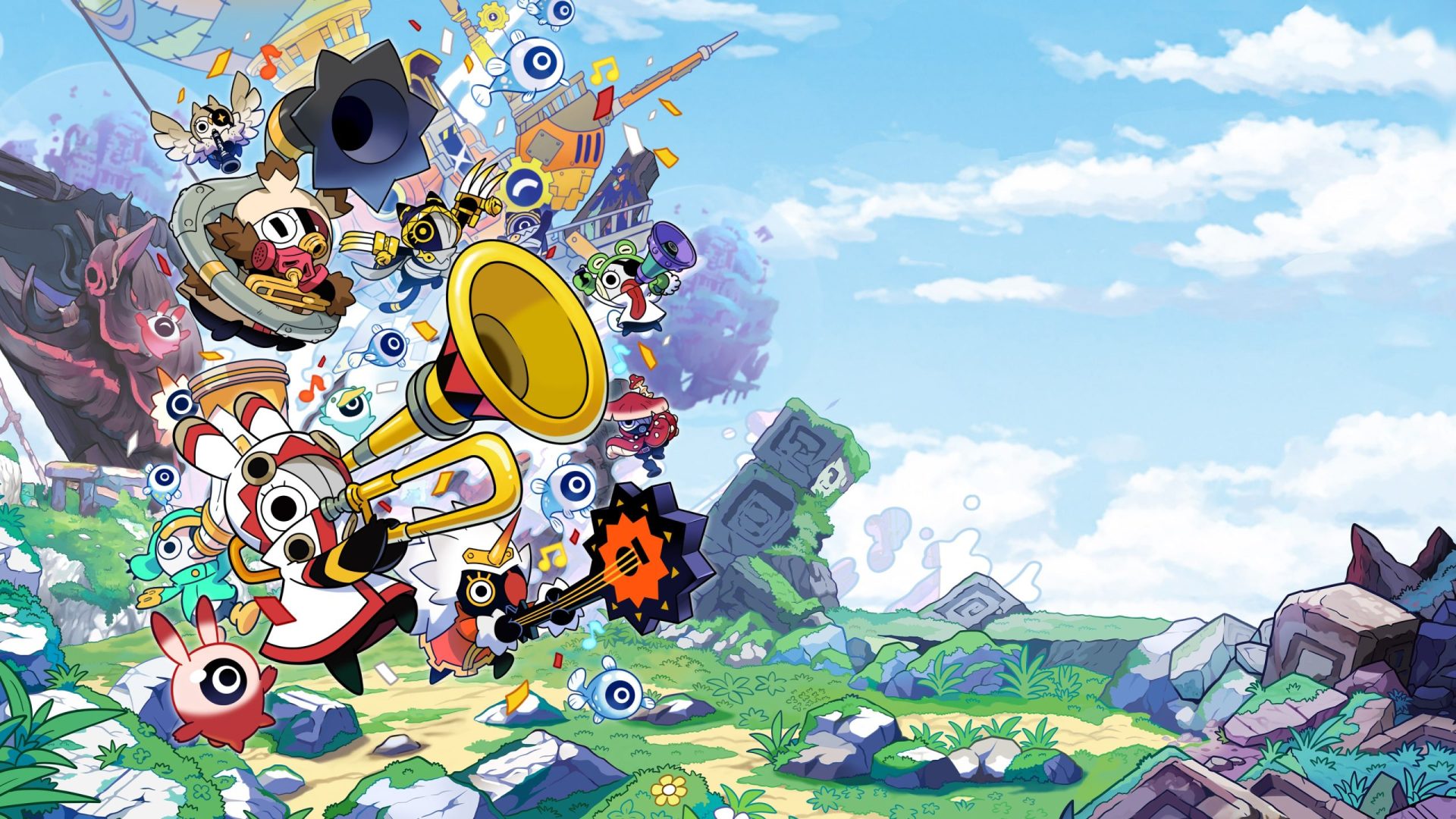
Four friends, a marching army, and a soundtrack that refuses to leave your head: Ratatan sounds like an easy plan for game night. Then everyone starts moving, the screen fills with characters, and somebody realizes they have been listening to the voice chat instead of the beat.
The game combines rhythm commands with freely controlled movement and online co-op for up to four players. With version 1.0 now available, these seven tips will help a new group settle in without turning every run into a shouting match. They are habits to practice together, rather than a prescribed team composition.
7. Learn the basic rhythm before the group gets busy
Give everyone a few minutes to understand their own inputs before asking them to keep up with three other players. Start with a simple command you can repeat comfortably, then add movement. Trying to learn both while following an excited friend is an easy way to miss what the game is teaching you.
If someone is struggling, bring the pace down and let them explain which part feels unclear. Are they losing the beat, pressing the wrong input, or watching another player’s character? Each problem needs a different adjustment. A short practice run can save a lot of confusion later.
6. Keep voice chat clear enough to hear the music
Music is useful information here. Set voice chat and game audio so that a conversation does not bury the rhythm you are trying to follow. Everyone should make that adjustment on their own setup; a mix that works through one headset may be uncomfortable through another.
During busy moments, use brief, specific calls such as “moving back” or “enemy on the right.” Save the longer explanation for a quieter stretch. You can still enjoy the conversation, but there is little benefit in four people describing the same problem over the part of the soundtrack that would help them solve it.
5. Agree where the group is going before moving
A Ratatan can move freely while rhythm sequences direct its Cobuns. The official description makes positioning and knowing when to retreat part of the challenge. Staying near your friends is only the beginning; you also need a shared idea of where the next safe position is.
Use clear landmarks when discussing movement. “Back to the left edge of this fight” is easier to follow than “over here.” Before pushing onward, take a glance at the rest of the party. If somebody is still dealing with an enemy behind you, a quick regroup is usually easier to coordinate than two separate battles.
4. Give each player one simple responsibility
You do not need to assign a permanent captain or force everyone into rigid roles. For a first session, divide attention instead. One player can call movement, another can flag new threats, and everyone can be responsible for saying when they have lost track of the group.
If you choose different Ratatans, compare the abilities the game shows you and talk about when you expect to use them. Treat that as a conversation, not a demand for a perfect team. It is easier to build coordination around characters your friends understand than to copy an unfamiliar combination and discover nobody knows how it is meant to work.
3. Build steady rhythm before chasing Fever
Keeping to the beat leads into Fever Mode, one of Ratatan’s central rhythm rewards. The temptation is to push harder as soon as the music and animation get exciting. Keep paying attention to the fight while enjoying the spectacle.
As a group, practice maintaining a comfortable sequence through a familiar section. If you lose it, recover the beat before trying to do anything elaborate. A useful call can be as simple as “settling back in.” Do not ask someone to copy your exact timing over voice chat; each player needs to follow the game’s own audio and visual feedback.
2. Use a failed run to pick the next practice goal
After a rough encounter, resist the urge to deliver four separate post-match speeches. Ask what broke down first. Did the party split, did somebody lose the beat, or did everyone keep attacking while a retreat was needed? Pick the earliest problem you can identify.
Then give the next run one shared goal. You might stay within a clearer area, shorten the calls, or spend more time watching an unfamiliar enemy. Keep an eye on that one change. A group can make substantial progress before its results improve, and a specific practice target makes those improvements easier for everybody to notice.
1. Finish each session with a plan everybody understands
Before starting another run, check whether the group wants to learn, experiment, or push for progress. Those are all worthwhile ways to play, but mixing them without saying so can be frustrating. One friend may be testing a new character while another assumes everyone is repeating a familiar strategy.
For your first session, keep the plan modest: understand your commands, make movement calls that people can follow, and stop losing one another in busy fights. Once that feels comfortable, change your character choices or experiment with a more ambitious approach. Good co-op gets easier when the group knows what it is trying to improve.
Coming from Patapon? Our Patapon 1 + 2 Replay review offers some useful series context. If the rhythm terminology itself is new, our rhythm game explainer is a helpful companion. In Ratatan, start by getting comfortable with your own beat, then give your friends room to find theirs.