Game Guides
Castlevania: Belmont’s Curse — Whip Combat and Traversal Guide
Get comfortable with Rose Belmont’s whip, learn how to read traversal opportunities, and build better combat habits without major story spoilers.

 Add Gaming.net to your preferred sources on Google
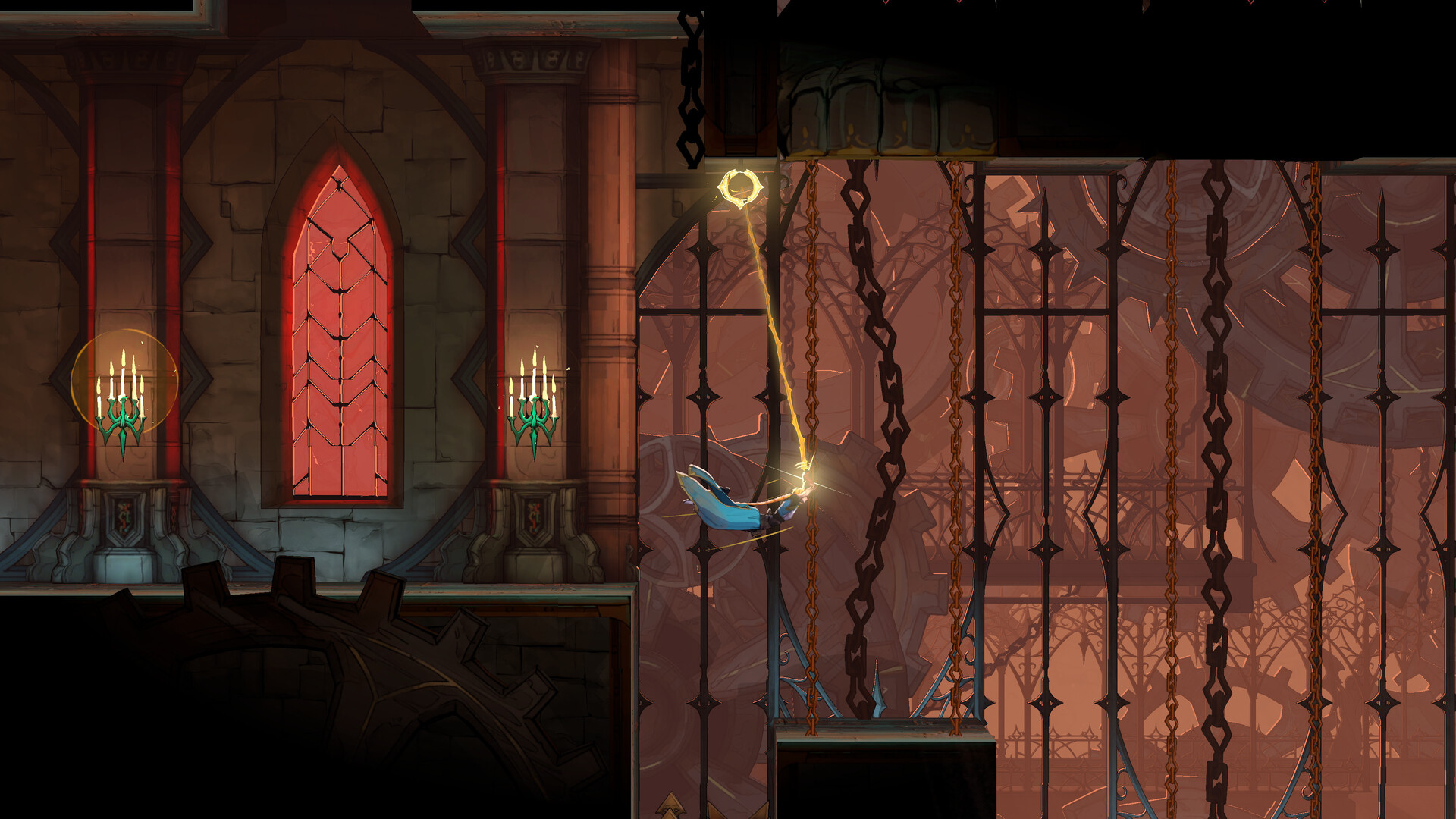
Rose Belmont’s whip has two jobs: keeping monsters away and helping her move through places a normal jump cannot reach. Getting comfortable with both makes Castlevania: Belmont’s Curse easier to read, especially when enemies and platforming hazards share the same room.
This guide focuses on spacing, observation, and practicing movement safely. It avoids late-game story details and specific button prompts, so you can apply the advice alongside the controls shown for your platform.
Castlevania: Belmont‘s Curse Gameplay & Commentary Trailer (ESRB) | KONAMI — Konami.
Understand What the Whip Can Do
Konami’s launch announcement describes Belmont’s Curse as an exploration-based 2D action game set in Paris in 1499. Rose uses a range of weapons and skills, while the Vampire Killer whip also supports traversal. Konami’s official gameplay overview specifically highlights swinging, reaching hidden areas, and attacking from unusual positions.
That combination changes what you should look for in a new room. Read the route above and around your character as carefully as the enemies standing in front of her. A useful movement opportunity may also give you a better place to approach a fight.
Learn Your Reach Before Chasing Damage
Find a straightforward encounter and concentrate on distance. Approach carefully, make a deliberate attack, and watch where the strike reaches. Your immediate goal is to understand the space you can threaten while leaving yourself room to react.
Avoid walking closer simply because the first attack misses. Pause and judge whether the enemy moved, whether you attacked from the wrong position, or whether the environment interrupted your approach. Correcting that one mistake is more useful than rushing into the same situation again.
When several enemies share a platform, look for a way to reduce the number you face at once. Use the room’s shape to keep the encounter manageable, and make sure your retreat does not lead straight into a hazard.
Read the Enemy Before Committing
Give an unfamiliar enemy a moment to show you its behavior. Look for the movement that comes before an attack, the area it threatens, and the pause afterward. Then choose a small opening you can use consistently.
A practical learning routine is to watch once, try one response, and reassess. If an approach works, repeat it until it feels comfortable. If it fails, change one part of the attempt: your distance, timing, or direction of approach. That makes it easier to identify what helped.
Practice Whip Traversal Away From Pressure
When the game introduces a traversal opportunity, take a moment to read the destination. Locate the next safe platform, check the surrounding hazards, and note any space you can use to recover your bearings.
Use the on-screen instructions to learn the required input on your platform. Start with a straightforward crossing and repeat it if the route allows. Focus on reaching a stable landing before trying to make the movement faster or combine it with a fight.
If a crossing goes wrong, think about the whole route rather than only the final jump. Were you approaching from a useful position? Did you understand where you needed to land? Was an enemy drawing your attention away from the path? A clear plan often helps more than a quicker reaction.
Separate Movement Practice From Combat Practice
A busy room can ask you to learn two things at once. Where possible, deal with an immediate threat before studying a crossing, or practice the movement in a quieter section first. Once each part makes sense, bringing them together becomes much less demanding.
Konami highlights attacks from unconventional positions as part of the whip’s appeal. Treat those possibilities as something to explore after you understand the room. A stylish approach is useful when it gives you a reliable advantage; it is less useful when you cannot tell where you will land.
Build an Exploration Habit
Before leaving a room, take one deliberate look at routes you have not used. Pay attention to upper ledges, side passages, and spaces you can see but cannot yet reach. Keep a brief note of anything worth returning to rather than repeatedly forcing the same unsuccessful approach.
Separate an unexplored route from a route you currently cannot complete. For the former, investigate carefully. For the latter, continue through accessible areas and return when you have a clearer understanding of your options. This keeps exploration moving without turning every uncertain jump into a long interruption.
A Quick Practice Checklist
- Check your attack reach against a manageable enemy.
- Watch a new attack pattern before committing to a long approach.
- Identify the landing before starting a crossing.
- Use your platform’s displayed prompts for traversal inputs.
- Revisit promising routes with a specific plan.
The whip becomes easier to use when you think about where it leaves Rose after each action. Build confidence with a few repeatable moves, then use them to investigate more ambitious routes. If the exploration leaves you wanting another gothic adventure, our best games like Castlevania: Belmont’s Curse list offers several directions, while our best Castlevania games ranking explores the wider series.