Game Guides
Tenebris Somnia: 8 Survival Tips Before Your First Playthrough
Begin Tenebris Somnia with eight spoiler-light survival tips covering room exploration, puzzle clues, combat spacing, and its unsettling live-action scenes.

 Add Gaming.net to your preferred sources on Google
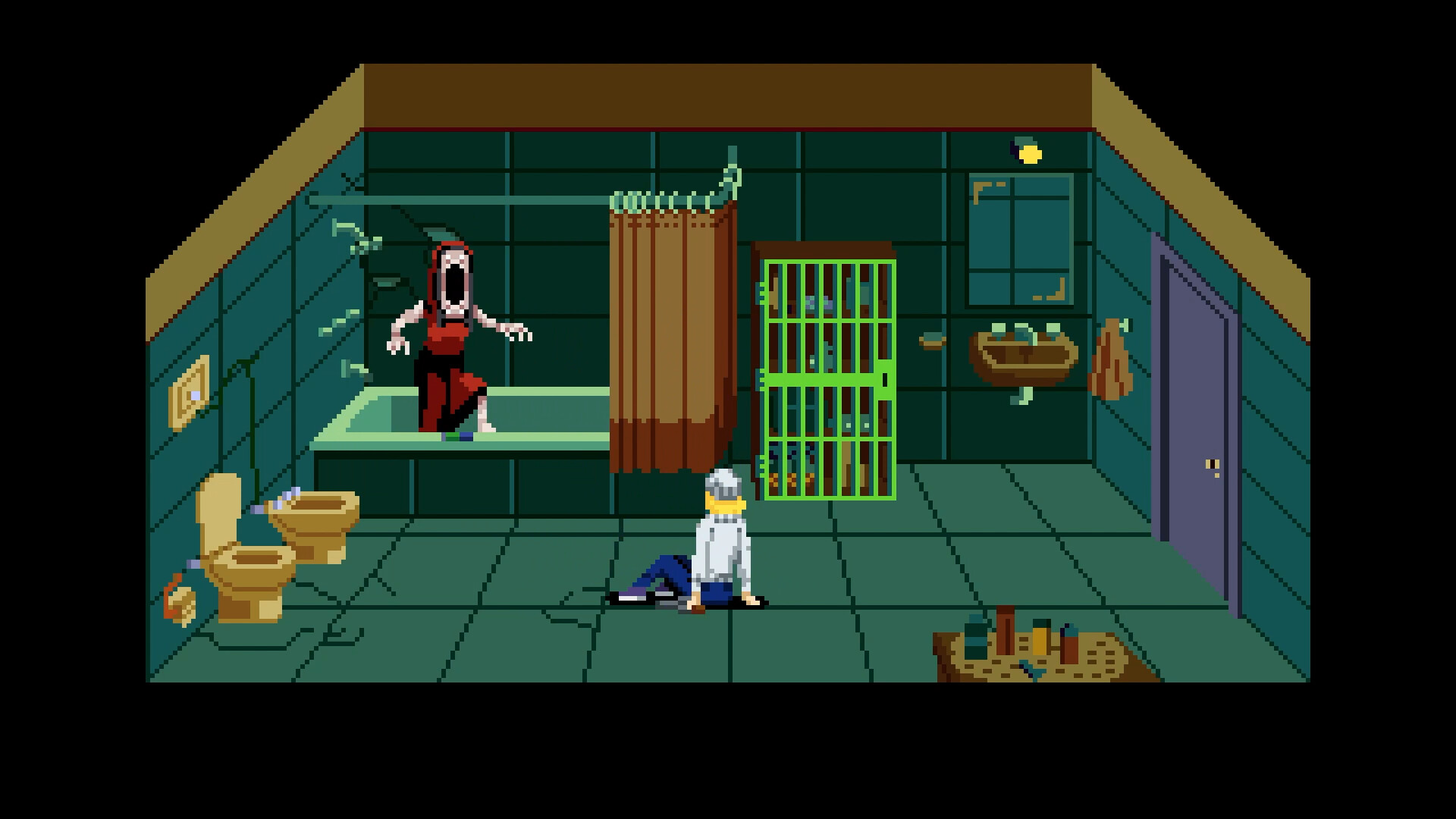
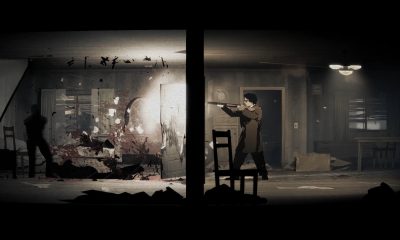
Tenebris Somnia has a nasty way of making a small room feel like somewhere you would rather leave immediately. The pixel art invites you to look closely, while the prospect of another live-action scene makes looking closely feel like a questionable decision. Take your time anyway. There is more to survival here than reacting to the next scare.
The official game description presents a retro 2D survival horror adventure built around puzzles, dangerous creatures, and filmed sequences with real actors and practical effects. These eight tips are spoiler-light habits for a first playthrough, rather than a walkthrough with puzzle answers or late-game revelations.
8. Read a room before you rush through it
When you enter a new space, spend a moment understanding its shape. Find the entrances, look at the objects that stand out, and notice where movement could become awkward. A small room can be easy to recognize and surprisingly easy to misread when something starts moving toward you.
Try a deliberate sweep instead of running straight to the most obvious object. Check one side, then the other, and remember anything that seems worth returning to. That gives the room a useful structure in your head. You will spend less time wandering in circles if you need to revisit it under pressure.
7. Separate a puzzle clue from a guess
Before trying to solve something, say what you actually know. You may have noticed a repeated shape, found an object that appears relevant, or seen an interaction you cannot complete yet. Keep those observations separate from your explanation of what they mean.
A quick note can be enough: the location, the clue, and your current idea. If that idea fails, return to the clue instead of building more guesses on top of it. This is especially useful when the atmosphere has you rushing. One accurate observation is more valuable than ten increasingly complicated explanations for an object you have barely examined.
6. Give yourself room before testing an attack
A new creature is easier to understand when you can see what it is doing and still have somewhere to move. Before getting close, look at the space between you and it. Avoid turning your first attempt to learn an attack into a desperate scramble against the edge of the room.
Take a short exchange, then reassess. Was the problem your distance, your timing, or a second threat you stopped watching? Keep the next adjustment specific. You do not need to solve every encounter immediately, but you do need enough information to make the next attempt more deliberate than the last.
5. Decide what you need from an encounter
Before spending supplies on a threat, consider what you are trying to accomplish. You might need access to an object, a clearer route through the room, or simply enough space to understand what is happening. Those goals can lead to different decisions.
If a route is available, compare it with the risk of staying close and fighting. If you do commit, avoid firing or attacking simply because you are startled. Pause long enough to make the action purposeful. This is a survival habit rather than a promise that every enemy can be bypassed; let the encounter in front of you determine the choice.
4. Recheck what you are carrying when you get stuck
When a puzzle stops making sense, review the objects you have found and any descriptions or interaction options the game provides. An item that looked unimportant earlier may be easier to understand after seeing another room.
Work through possibilities with a reason for each one. Ask what an object appears to do, where that use might matter, and which detail in the environment supports the connection. If there is no connection, keep looking for information. Randomly trying everything everywhere makes it harder to recognize the clue that was supposed to guide you.
3. Pay attention when the game shifts into live action
The filmmakers are part of the storytelling. The official description specifically places secrets within the cinematics, so give those scenes the same attention you give an unfamiliar room. Notice the setting, the behavior of the people on screen, and details that echo something you have already seen.
You do not need to interpret every image immediately. A short note about something unusual can be useful later. If you are trying to preserve the mystery, avoid searching for an explanation as soon as a scene ends. Give the game a little time to put the next piece in front of you.
2. Retrace your route with a specific question
Backtracking is much more useful when you know why you are doing it. If you have found something new, choose a location where it might matter and head there with that possibility in mind. Avoid visiting every room again just because you have run out of ideas.
Keep a short list of unresolved interactions as you explore. “Object beside the bathroom door” is more useful than “something in the apartment.” When you return, compare what you can do now with what stopped you earlier. If nothing has changed, look for a missing observation instead of repeating the same interaction indefinitely.
1. Use the smallest hint that gets you moving
If frustration is drowning out the atmosphere, it is reasonable to look for help. Start by looking up the exact room or interaction that has you stuck, and stop reading once you have a useful direction. A full walkthrough can answer far more than the question you meant to ask.
Give yourself a chance to apply that hint before opening the next solution. The pleasure of this kind of horror is partly in working out how an unsettling place fits together. You can protect that experience while still accepting help with a stubborn puzzle. The right amount of guidance gets you curious again.
For more seasonal scares after this playthrough, our survival horror games for Halloween list is a useful starting point. If the filmed storytelling is what catches your attention, our best FMV games on PC list explores that side of gaming further. In Tenebris Somnia itself, keep observing, make each action deliberate, and let the mystery unfold at its own pace.