Game Guides
Star Trek: Outposts Unknown: 7 Priorities for Building Your First Outpost
Plan your first outpost in Star Trek: Outposts Unknown with seven priorities covering resources, research, crew and exploration.

 Add Gaming.net to your preferred sources on Google
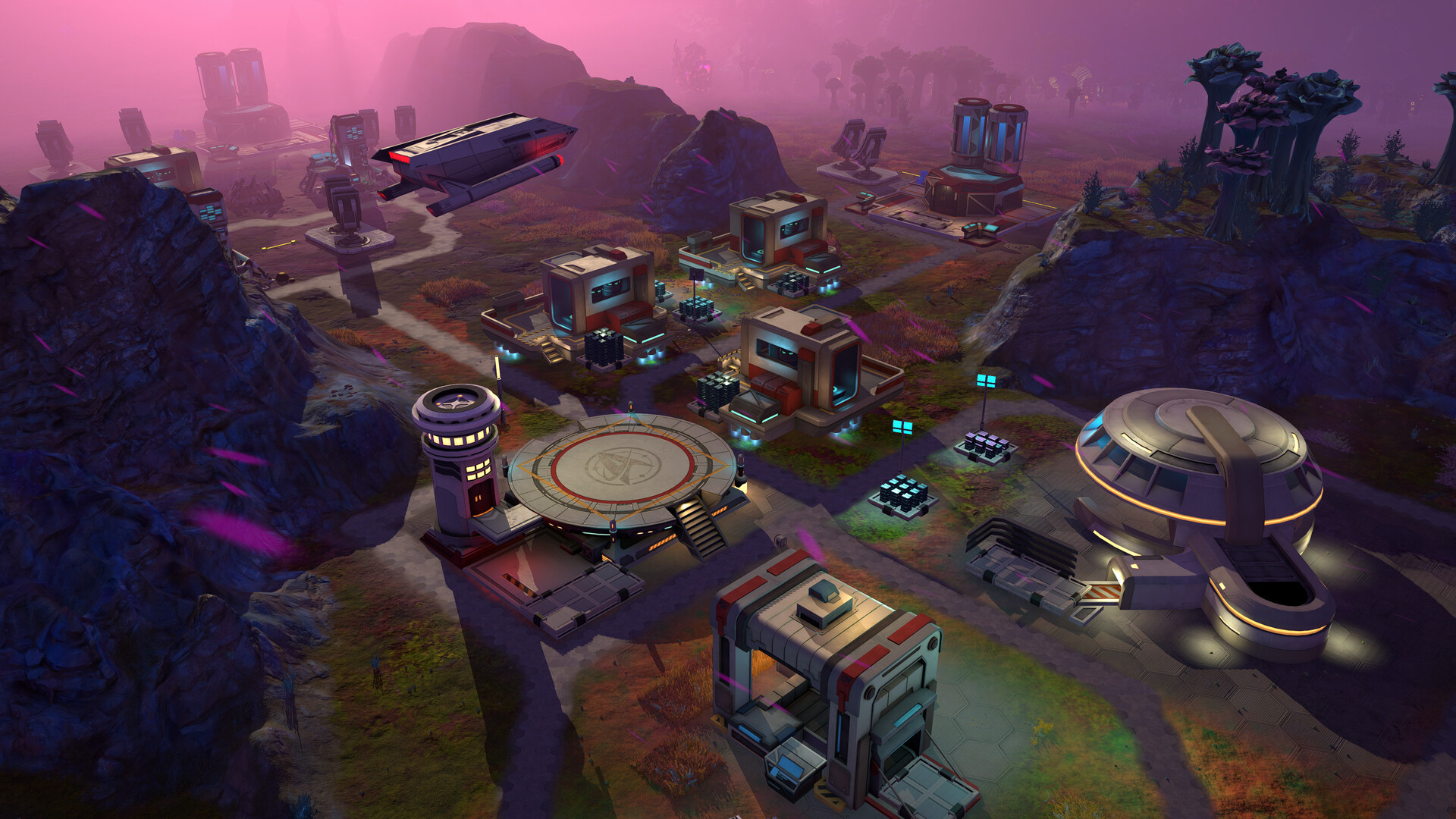
Star Trek: Outposts Unknown puts the captain’s chair beside a construction plan. Released on PC on October 20, 2026, Magic Fuel Games and Playstack’s outpost builder asks you to research, explore and keep a crew functioning while helping a civilization in danger. A growing settlement is useful only when the people and systems behind it can keep up.
There is no need to turn your first session into a race for the largest possible base. These seven priorities offer a measured starting approach to the official building, research and crew systems. They are planning advice rather than an exact construction order or a claim about optimal production ratios.
1. Understand the Immediate Assignment
Before building something because it looks useful, identify what the current objective is asking you to accomplish. A narrative outpost builder gives construction a purpose. Your next decision should help you address that purpose or support the resources needed to reach it.
Keep the first plan short enough to explain in a sentence. Perhaps you need to prepare for research, resolve a crew concern or make an exploration task possible. A clear next step makes it easier to spot an unnecessary expense before it becomes part of your settlement.
2. Trace the Resources Behind Your Next Building
Research facilities and other structures do not exist in isolation. The developer’s fourth devlog describes hover tooltips that show where resources are found or produced. Use that information to trace a building’s requirements back through the supply chain before committing to it. Water, power and compute also require room for their infrastructure, so leave space for the connections as well as the structure itself.
Look for the constraint that would hold the plan back. Addressing that one issue is often a more useful first move than adding another ambitious project. This is a general planning principle, so use the actual costs and information shown in your game rather than assuming a universal ratio.
3. Choose Research With a Specific Purpose
The game includes technology and building trees, giving research choices a clear role in how your outpost develops. Pick a near-term problem and look for the branch that helps solve it. Unlocking something interesting is satisfying; unlocking something you can use now is easier to build around.
Before committing, ask what you intend to do with the result. If the answer depends on several other systems you have barely started, consider whether a more immediate option would be useful first. You can return to the exciting long-term project with a stronger foundation.
4. Treat the Crew as Part of Your Plan
The official description emphasizes crew tasks, officer development and dangerous encounters that test morale. That gives you a reason to check on the people doing the work, rather than watching construction alone. A plan should account for who will carry it out.
The pre-launch devlog also describes improved day and night shift tracking and points of interest that appear only at night. Review the shift information before assigning new responsibilities, and remember that a daytime look around may not reveal everything. If a problem appears, pause your expansion plans long enough to understand it. The useful habit is to check people and infrastructure together, instead of assuming one will automatically take care of the other.
5. Explore With a Question in Mind
The X’Lehari System is central to the story, with new environments and encounters feeding the larger mission. Make exploration purposeful by deciding what information you want from the next trip. That might be a better understanding of a place, a story lead or the conditions surrounding your next objective.
After an encounter, read the result before issuing another task. New information should have a chance to change your plan. Exploration feels more connected to the outpost when you bring what you learn back into your building and research decisions.
6. Expand in Steps You Can Evaluate
A large burst of construction can make it harder to identify what caused a new shortage or changed your crew’s situation. For a first settlement, smaller steps are easier to learn from. Complete a useful change, observe the result, and then choose the next one.
This does not mean every expansion has to be cautious forever. It means you give yourself a chance to understand the consequences. Once a system feels predictable, you can scale it with more confidence and spend less time untangling several new problems at once.
7. Let the Story Inform Your Decisions
Outposts Unknown tells an original story in the 23rd-century era associated with Strange New Worlds. Its construction and exploration serve a mission involving a civilization facing catastrophe. Pay attention to dialogue and objective updates so your outpost remains connected to that mission.
When you return after a break, revisit the current goal before starting a new project. That quick refresher can save you from following a plan that made sense an hour ago but no longer fits. The first outpost is a place to learn how these systems work together, not a test of how quickly you can fill every available space.
If the planning is your favorite part, our selection of city-building games offers more settlements to shape. For this mission, start with one useful improvement and build from what it teaches you.