Esports
Fortnite Esports: 10 Things to Watch During a Solo Endgame
Follow ten solo endgame decisions in competitive Fortnite, from rotations and positioning to resource management, fight selection and placement pressure.

 Add Gaming.net to your preferred sources on Google
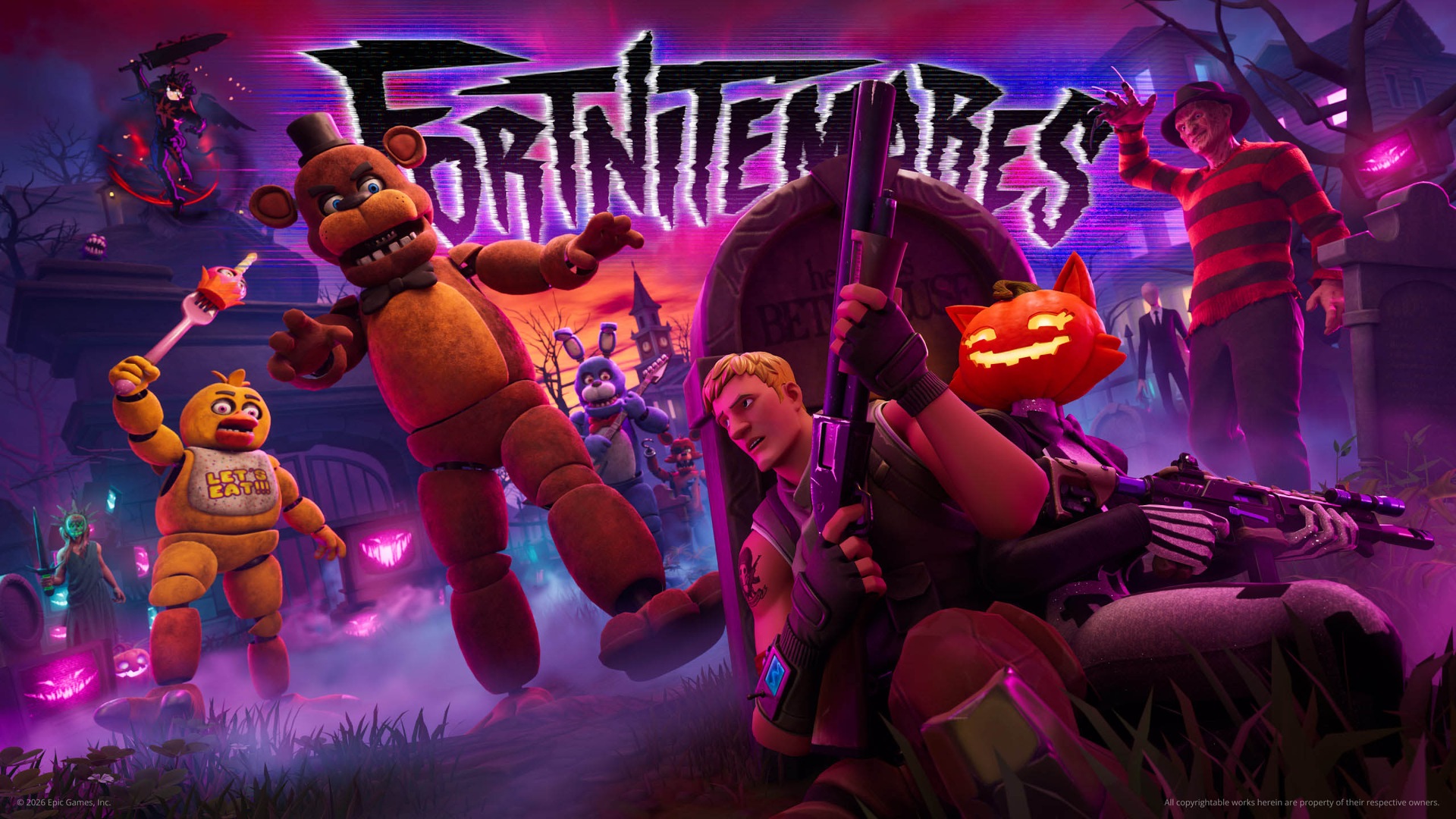
A Fortnite solo endgame can look chaotic when the camera jumps between players, builds, and a shrinking safe area. The useful question is what each competitor is trying to preserve or improve. A quiet rotation can matter as much as a spectacular elimination if it puts someone in a stronger position for the next stage.
These ten viewing cues focus on standard build-mode solo competition. Epic’s FNCS Solos Finals page is a useful starting point for official results and event information. Rules, available items, and scoring vary between events, so check the competition you are watching. For a broader introduction to playing, see our Fortnite beginner tips.
1. Watch the Next Safe Area Before the Next Duel
When the safe area changes, look at the relationship between the featured player and the destination. Do they already have a useful position, or do they need to cross occupied ground? That immediately gives you context for a rotation that might otherwise seem unnecessarily cautious or suddenly urgent.
Try to follow the same player across the announcement and the movement that follows. You are looking for how new information changes the plan. A strong location a moment ago may now require a difficult departure, while someone who appeared less comfortable can find a more manageable route.
2. Notice When a Player Chooses to Rotate
An early rotation and a late rotation solve different problems. Moving early may help a competitor claim space before it becomes crowded, while waiting can change which nearby opponents are paying attention. Neither timing is automatically correct without considering the route and the player’s resources.
Watch the movement around them before judging the decision. Is someone holding the path they need? Has a nearby fight created a temporary opening? The timing makes more sense when you connect it with those details. A delay can be deliberate, but it can also leave a player with fewer options when everyone has to move.
3. Follow Vertical Position as Well as the Map
Build-mode endgames happen across several layers. High ground can offer useful sightlines, but maintaining a position still requires resources and awareness. Lower layers present their own questions about movement, exposure, and access to nearby opponents.
When the camera changes, try to locate the featured player relative to the people above and below. A move that looks like giving up an advantage may be a choice to avoid a more expensive contest. Judge the new position by what it lets the player do next, rather than treating height alone as a complete explanation of who is comfortable.
4. Track Building Materials as a Future Budget
Materials are more than a number attached to the current box. They represent future options for movement, cover, and responding to pressure. A player with plenty available can approach the next transition differently from one who needs to make a limited supply last.
If the broadcast shows a material count, keep it in mind through the next few decisions. Notice what is spent getting into position and what remains afterward. The cost of a rotation can explain why a competitor later seeks an engagement or avoids a contest they might otherwise have been capable of taking.
5. Separate Movement Tools From the Plan to Use Them
If the event’s item pool includes mobility tools, look at whether the player still has one and what route it could help them take. Owning the item is only part of the story. Timing and the position they reach afterward still matter.
Avoid assuming that the mobility option available in another playlist or an earlier season is present here. Use the current inventory and the event information. When a player chooses to spend an option, watch where it leaves them and what they retain for the following transition. A quick escape can still create another difficult decision.
6. Look at Health and Recovery Options Together
A health bar becomes more informative when you also know whether the player has usable recovery resources and enough time or protection to use them. Low health does not describe every part of the situation, and carrying healing does not guarantee an opportunity to recover.
Watch how the player creates that opportunity. Are they buying a short break with cover, moving to a less pressured position, or deciding that movement cannot wait? The answer helps explain why someone may decline a tempting fight or use valuable time on recovery while other players keep moving.
7. Ask What a Fight Is Intended to Achieve
An engagement may be about removing an opponent, gaining space, or trying to improve a depleted inventory. Those objectives can produce different choices. A competitor might take a short opportunity and move on instead of committing to a prolonged chase.
Before the fight, look at what the player lacks and what the target is blocking. Afterward, check whether the situation improved. This keeps the analysis connected to the wider endgame. An impressive exchange can still be costly if it consumes the time or resources needed to survive the next transition.
8. Watch Whether Loot Can Actually Be Reached
An elimination and a successful resupply are separate events. The items may be in an awkward position, under pressure from another competitor, or outside a route the player can safely take. Look for what is recovered rather than assuming the inventory has automatically improved.
This is especially useful when commentators talk about a player needing a refresh. Watch the material, ammunition, and recovery situation before and after the attempt. If the player cannot collect what they need, the original problem may remain even though the elimination count has increased.
9. Notice Pressure From Players Outside the Immediate Fight
A duel rarely exists in isolation during a crowded endgame. Someone nearby may be watching for an exposed player or a chance to claim a useful position. When the broadcast gives a wider view, use it to see which other competitors can influence the encounter.
Then compare that picture with the information available to the featured player. A decision can look obvious from a spectator camera while being much less clear from inside a build. Distinguishing those viewpoints makes the match easier to follow and avoids explaining every surprise as a simple lapse in attention.
10. Connect the Round With the Event’s Scoring
The value of surviving another placement threshold depends on the scoring system for the competition. Check its official rules rather than borrowing a points table from a different event. The same applies to the relationship between eliminations, placements, and any special format conditions.
Use the standings to add context without pretending they dictate one guaranteed strategy. A competitor’s position across the event can help explain the appetite for risk, but the immediate situation still matters. The most informative view combines the current inventory, the route ahead, the surrounding opponents, and what a successful finish would mean for the player.
Choose one competitor and follow these decisions across a few endgames, then compare with another player’s route. For other competitions that reward a little viewing context, explore our best esports games to watch.