Best Of
10 Best Horror Games With Fixed Camera Angles
Explore 10 horror games with fixed camera angles, from Resident Evil classics to atmospheric modern survival-horror adventures.

 Add Gaming.net to your preferred sources on Google
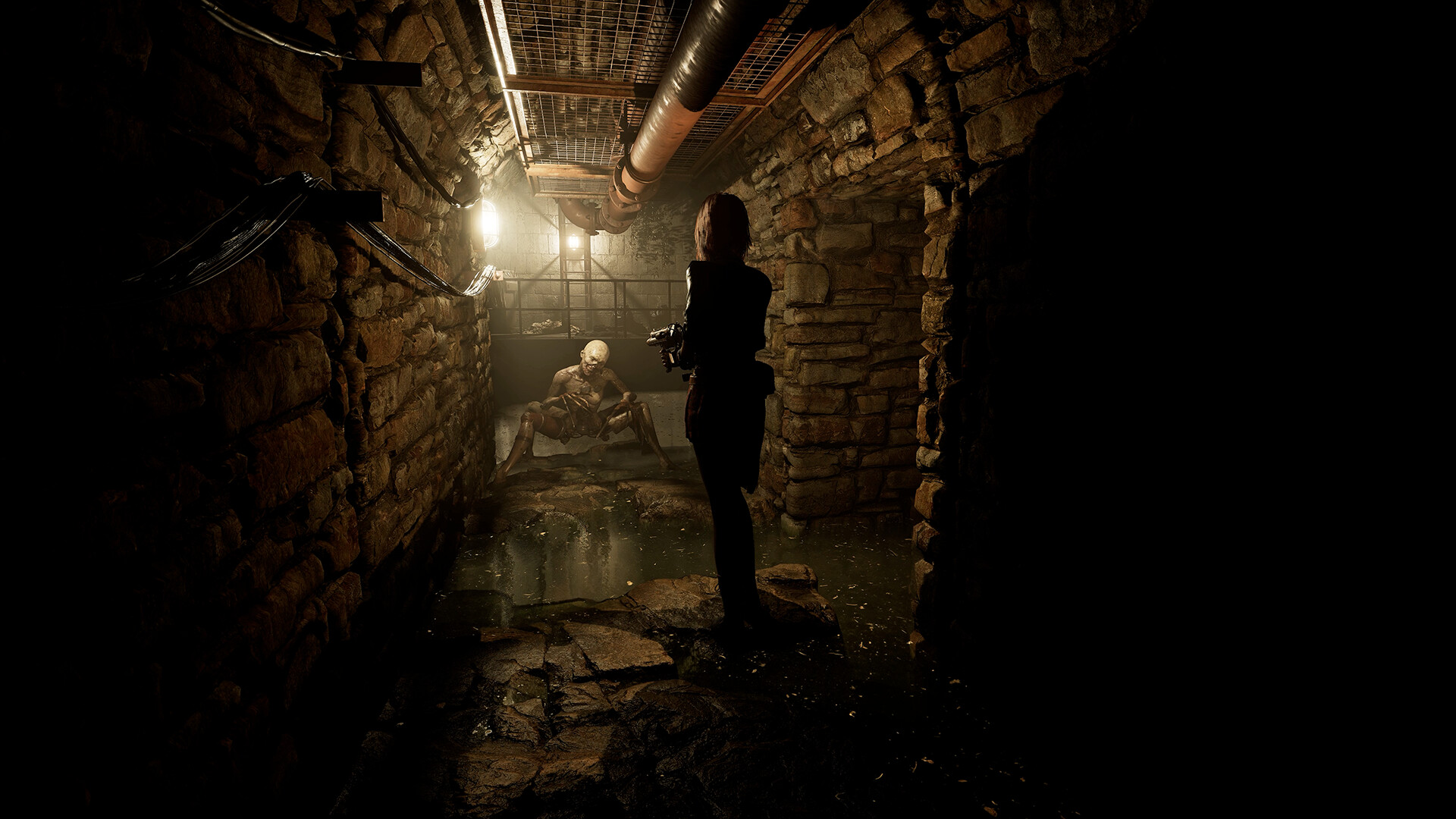
A fixed camera can make an ordinary doorway feel dangerous. You see the room from a chosen angle, hear something beyond the frame, and decide whether to move forward without a complete picture. The viewpoint becomes part of the suspense, shaping what you notice and what you have to imagine.
These ten games use fixed viewpoints as part of their identity or offer a dedicated fixed-camera mode. The ranking considers atmosphere, exploration, and how well the camera works with the rest of the experience. For a broader starting point, our best horror games on PC cover other approaches to the genre.
10. The Glass Staircase
The Glass Staircase uses an old house and its unsettling routines to build a very particular kind of dread. Its fixed angles and deliberately retro presentation connect the experience with older survival horror, while the influence of Italian horror cinema gives its atmosphere a distinct flavor.
Choose it if you enjoy a compact, strange story that makes familiar spaces feel increasingly wrong. Looking through a scene for small details becomes part of understanding the house. The camera is useful to that unease: you can inspect what the frame reveals while remaining conscious of how much of the building exists outside it.
9. Murder House
Murder House combines the appearance of a low-polygon horror game with the atmosphere of a slasher film. Exploring its location and working through practical problems means dealing with spaces that can feel difficult to trust. The fixed-camera presentation gives rooms and corridors a staged, deliberately uncomfortable quality.
It is a suitable pick if you like rough-edged retro horror and a more confrontational kind of tension. Expect mature material rather than a gentle mystery. The viewpoint contributes to the experience by making movement between frames feel like a commitment, particularly once the house becomes a place where you no longer want to linger.
8. Them and Us
Them and Us is especially interesting because its presentation gives players a choice. Use the fixed-camera option for the style this list focuses on; an over-the-shoulder perspective is also available. That makes it a useful way to explore how viewpoint changes the feel of survival-horror encounters.
The underlying attraction is familiar resource-conscious exploration, puzzles, and danger in an unsettling setting. Pick it if you want those traditional ingredients and like having a say in the camera approach. The fixed view encourages you to learn the shape of a room and consider your route instead of assuming you can inspect every angle freely.
7. Post Trauma
Post Trauma follows Roman through a surreal environment where observation and problem-solving matter as much as moving forward. Its fixed camera positions give the locations a strong visual identity, turning some scenes into images you want to study before you decide what to do.
Choose it if atmosphere and unusual puzzles are a major part of your interest in horror. The presentation asks you to notice relationships between objects, spaces, and clues rather than hurry through them. It is a good fit for the mood in which an unexplained room is more compelling than a constant stream of enemies.
6. Resident Evil 0
Resident Evil 0 adds a two-character structure to a very traditional style of survival horror. Managing Rebecca and Billy gives exploration another layer, with decisions about who carries what and how the pair work through a location. Fixed viewpoints keep the environments feeling deliberately composed.
Pick it if you already enjoy careful inventory decisions and want that planning to be a substantial part of the adventure. The opening train is an especially memorable setting for the camera style, making a narrow location feel more complicated than its basic shape suggests. Expect a more methodical rhythm than the action-heavy entries elsewhere in the series.
5. Alisa
Alisa embraces the strange appeal of early 3D survival horror. Its dollhouse-like world, fixed camera angles, and stylized characters make the setting recognizable as an homage while still giving it its own unsettling personality. Exploration and limited resources keep the rooms useful as well as visually memorable.
It is a strong choice if you want the camera and controls to feel like part of a deliberately old-fashioned design. Learning a location becomes a practical skill, especially when you need to move through it under pressure. Choose it for a surreal adventure that understands the appeal of its influences without simply borrowing a familiar mansion.
4. Song of Horror
Song of Horror makes the possibility of losing a character part of its tension. You investigate with different people while dealing with a supernatural presence, giving cautious observation a purpose beyond finding the next puzzle item. A fixed viewpoint can make a seemingly quiet room feel like a decision waiting to go wrong.
Choose it if you want an investigative horror experience in which paying attention feels important. Listening, reading the environment, and considering a risky action contribute to the suspense. The camera helps maintain that uncertainty, while the ensemble gives you a reason to think about the person you are putting into danger.
3. Tormented Souls
Tormented Souls connects fixed-camera exploration with intricate environmental puzzles and improvised weapons. Caroline’s journey through the hospital asks you to learn the building, understand its mechanisms, and manage the resources needed to keep going. Darkness also has a meaningful role in how you navigate.
It ranks highly for making the traditional ingredients work together so clearly. A corridor can be a route back to something useful, a place to avoid, and an unsettling image at the same time. Pick it if you want a focused survival-horror adventure that expects you to pay attention to the environment rather than follow a constant stream of instructions.
2. Tormented Souls 2
Tormented Souls 2 takes Caroline’s style of survival horror into a wider range of locations. Fixed camera angles remain central to the presentation, while puzzles, exploration, and improvised weapons keep movement through those environments purposeful. The change in setting gives the series room for more elaborate scenes.
Choose it if the appeal of the original is the combination of a memorable viewpoint and problems that require patient observation. It is particularly suitable for players who enjoy returning to an earlier area with a better understanding of what belongs there. The camera makes those revisits visually distinctive without removing the uncertainty that makes exploring worthwhile.
1. Resident Evil
The remake of the original Resident Evil remains a compelling example of what a fixed camera can do for a location. The mansion’s rooms and corridors become recognizable through their composition, while inventory limits, keys, puzzles, and enemy placement make remembering the layout a practical part of survival.
It takes our top spot because the viewpoint belongs to the whole design. A familiar camera angle can offer reassurance and still leave you uncertain about what has changed since your last visit. Choose the HD version of the remake if you want that classic structure in an accessible release, with the slow accumulation of knowledge becoming one of your most useful tools.
Before settling into a long session, our horror settings guide can help with camera comfort, subtitles, and sound. For more series recommendations, browse our best Resident Evil games.