Reviews
The Wandering Village Review (Nintendo Switch, PS5, PS4, Xbox Series X|S, Xbox One & PC)

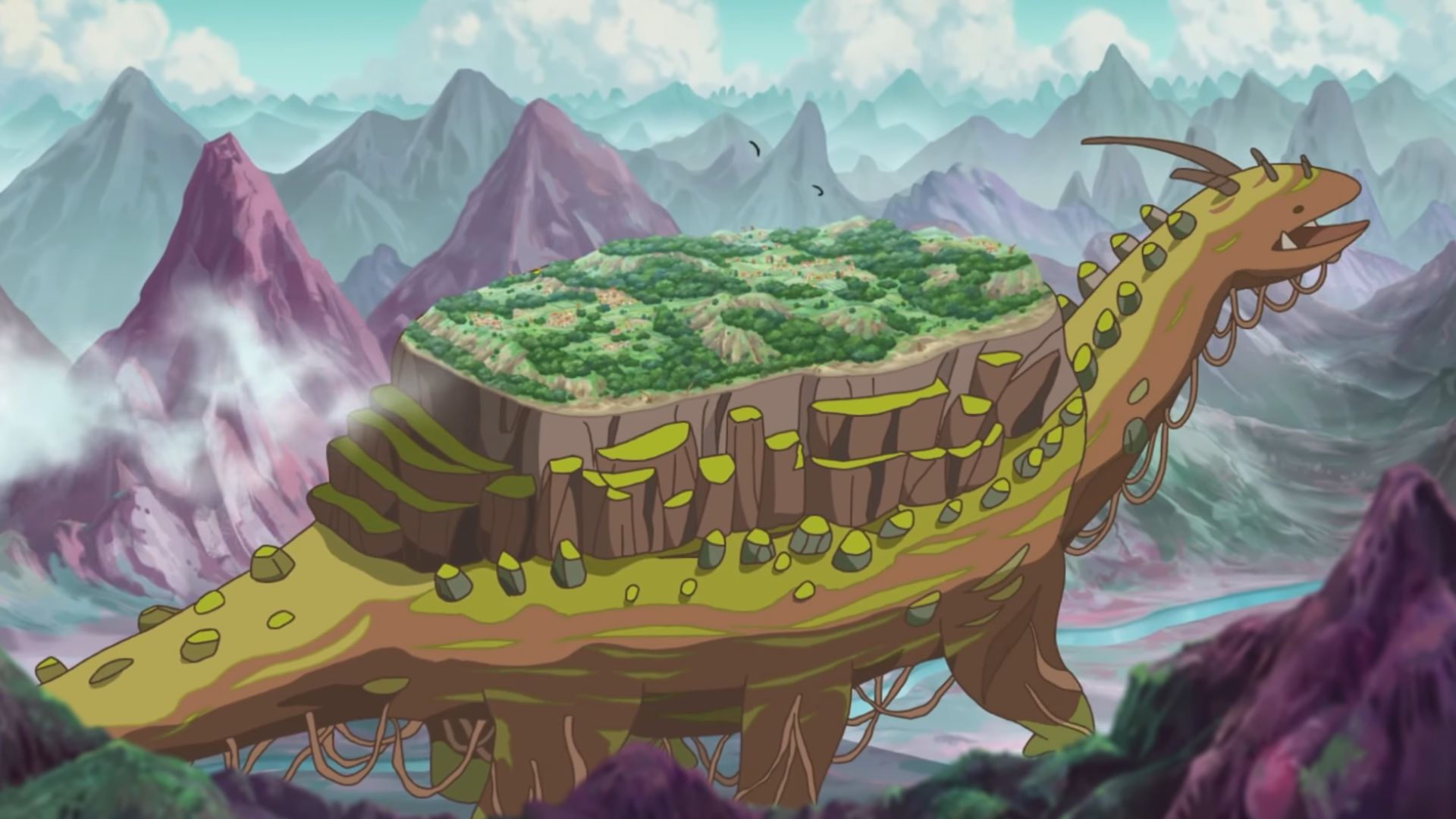
City-building games typically follow a familiar rhythm: gather resources, zone areas, keep citizens happy, and expand. But The Wandering Village flips the genre on its head, offering something completely unique. In this survival builder, players construct their entire settlement on the back of a massive, wandering creature named Onbu. Yes, your city actually moves.
Now, the game isn’t just about managing resources or urban planning; it’s about survival, adaptation, and building a relationship with the creature that carries your people to safety. Every decision you make has weight, as Onbu’s movements affect your village’s growth and the resources you can gather. The Wandering Village isn’t just a city builder; it’s an adventure, with discovery and a deep connection to the world around you. Let’s jump into this review to find out more.
A World Like No Other

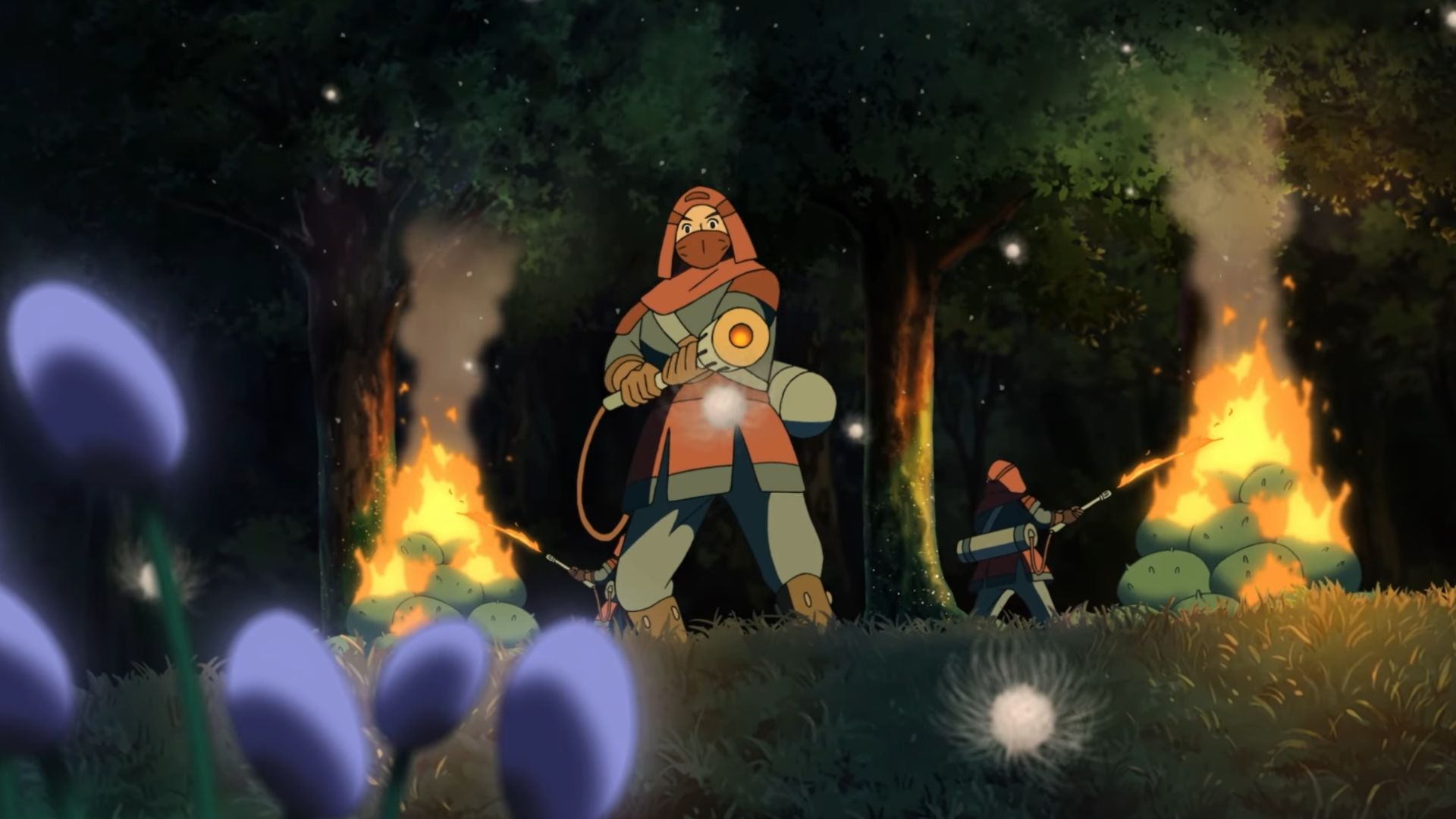
City-building games have a way of drawing players into their world, and The Wandering Village does this in a way that’s unlike any other. The setting is totally unique, your villagers are stuck in a toxic wasteland, and their only hope is to build their homes on the back of a massive creature called Onbu. At first, it sounds like a weird idea, right? But once you get into it, it’s surprisingly charming. Onbu isn’t your typical monstrous beast; in fact, it’s kind of cute for something that could easily crush your village with a single step.
The game allows players to zoom in and get up close to their village. This allows them to watch every little detail as things come together. On the other hand, players can also zoom out to gain a broader view of the entire map. Now, Onbu is always on the move, which means the environment around you is constantly shifting. It’s not like other city-builders, where the city just sits in one place. In The Wandering Village, everything feels alive and in motion, which adds considerable depth to the gameplay.
That said, one thing that could get a little repetitive is the environment itself. The game mostly takes place in the same toxic wasteland, which, while atmospheric, doesn’t offer a lot of variety. Onbu’s movements and the changing world around you help keep things interesting. Conversely, after a while, the lack of diverse landscapes might make the world feel somewhat repetitive.
Survival on the Beast

If you’ve played other city-building games, you’ll be familiar with the idea of managing resources like wood, stone, and food. Now, The Wandering Village sticks to these basics but adds survival mechanics that keep you on your toes. Your focus is on gathering wood, stone, and food to build essential structures like woodcutting camps, mining camps, and storage areas.
One of the things players really appreciate about this game is the balance it strikes between city-building and survival. The toxic environment means that you can’t simply focus blindly on building your city. You must keep an eye on things like food and water, as the world around you is constantly trying to kill your villagers.
For example, you’ll need to build an air well to collect water from the air, which only works well when humidity levels are high. Players must also grow food with berry gatherers or even build farms. It’s all about finding the right balance between food and resources to keep everyone alive. As your city grows, so do your needs. Therefore, players must build more advanced structures like farms, clay mines, and research buildings to ensure their villagers’ survival.
Now, the survival aspect is pretty fun and challenging. However, collecting resources, especially when they’re spread out all over the map, can be a bit tedious. You must assign workers to gather clay or mushrooms from distant parts of the map, which often means they take a long time to return. It can slow the pace down, and if you’re not paying attention, it’s easy to fall behind on resource collection. Another downside is that once you’ve established a solid resource cycle, the game can start to feel a bit repetitive. You’re constantly doing the same tasks, building, gathering, and expanding.
From Simple Tents to Advanced Tech

The fun of The Wandering Village comes from watching your humble village grow into a thriving society. You start with simple tents and woodcutting camps, but as you progress, you can unlock new technologies and structures. The tech tree is vast and offers plenty of ways to improve your city. Researching new technologies lets you build more advanced structures like farms, water tanks, and research labs, which are necessary for your city to grow and evolve.
One of the coolest aspects of the game is the way your city expands. You don’t just throw down buildings wherever you feel like it. Players must think about how their city is laid out in relation to Onbu’s movements, where resources are, and how the environment will affect their survival. That means players must be very strategic, which is often missing from other city-building games.
Building farms and assigning workers to tend to them is satisfying, especially as you start to see your food supply grow. The game’s use of dirt roads is also a nice touch. As you build paths, workers move faster, and this helps keep the pace of the game moving forward. It’s a simple mechanic, but it significantly enhances the game’s flow.
Keeping Up With Onbu
Exploration in The Wandering Village is all about keeping pace with Onbu, the giant creature your village lives on. As Onbu moves across the map, everything around you changes. The environment shifts, and new areas become accessible, making exploration a key part of the game.
The villagers will need to travel to gather important resources like clay, mushrooms, and herbs, which are scattered across the land. As Onbu moves, these resources pop up in new places, and you’ll need to send workers on long journeys to collect them. It adds a sense of adventure, but it also means you’ll spend a lot of time waiting for your villagers to return with the materials.
However, while Onbu’s movements keep things interesting, this simulation game doesn’t offer many different kinds of areas to explore. Most of the world feels like a toxic wasteland, which can make the exploration part feel a bit repetitive after a while. There aren’t a lot of different environments to discover. Therefore, once you’ve gathered a few resources, you’ll find yourself focusing more on keeping your village alive than uncovering new places.
Despite this, there are some hidden structures and quests to find along the way, which give players something to look forward to as they explore. These structures often require advanced resources to repair, adding a bit of mystery and excitement. But once you’ve found a few, the exploration part can slow down, and the focus shifts to managing your growing village.
Managing The Wandering Giant

One of the standout features of The Wandering Village is Onbu, the giant creature that your village calls home. Unlike typical city-building games where the environment is static, Onbu is an active part of the gameplay. Surprisingly, players can issue commands to Onbu using a horn blower. These commands directly affect how the creature moves and interacts with its surroundings. For example, telling Onbu to lie down or get up can change the landscape and the resources available to your village.
Now, managing Onbu is more than just making sure your village stays safe on its back. You also need to keep Onbu healthy, fed, and well-rested. That means players must balance the needs of their villagers with the care of the creature. Onbu’s movements also play a big role in your progress. As Onbu moves across the map, new resources become available, and that can affect how the village grows and how easily you can gather materials.
That said, the mechanic can feel a bit frustrating at times. Onbu’s movements aren’t always predictable, and figuring out whether to have the creature keep moving or stay still can be tricky. The horn blower feature is an interesting idea. On the flip side, it can feel more like a way to keep Onbu “happy” rather than something that directly impacts the gameplay in a meaningful way.
Verdict
The Wandering Village is a refreshing take on the city-building simulation genre. The concept of building a city on the back of a giant creature is both unique and charming. The combination of resource management, survival, and exploration makes it more engaging than many other city-building games.
That said, the game does have its flaws. The lack of diverse environments and objectives can make the game feel repetitive. Additionally, the pacing can slow down significantly once you’ve established a solid resource cycle. Overall, The Wandering Village is a fun and engaging city-building game that brings something new to the table. If you’re looking for a city builder with a unique setting and a fresh gameplay twist, it’s definitely worth checking out. But be prepared for some slow moments, and don’t expect the game to be a non-stop thrill ride.
The Wandering Village Review (Nintendo Switch, PS5, PS4, Xbox Series X|S, Xbox One & PC)
The Village on the Beast
The Wandering Village offers a fresh and exciting take on the city-building genre by combining survival, exploration, and a dynamic world that keeps players on their toes. It’s a game that redefines what it means to build a city and is sure to captivate players looking for something truly different.




