Game Guides
Phantom Blade Zero Boss Weapons: Unlocks, Combat Uses, and Exploration Abilities
Choose boss rewards for what they let you do: control space, mix sword combos, or reach a previously blocked route. Includes verified unlock and reforging details.

 Add Gaming.net to your preferred sources on Google
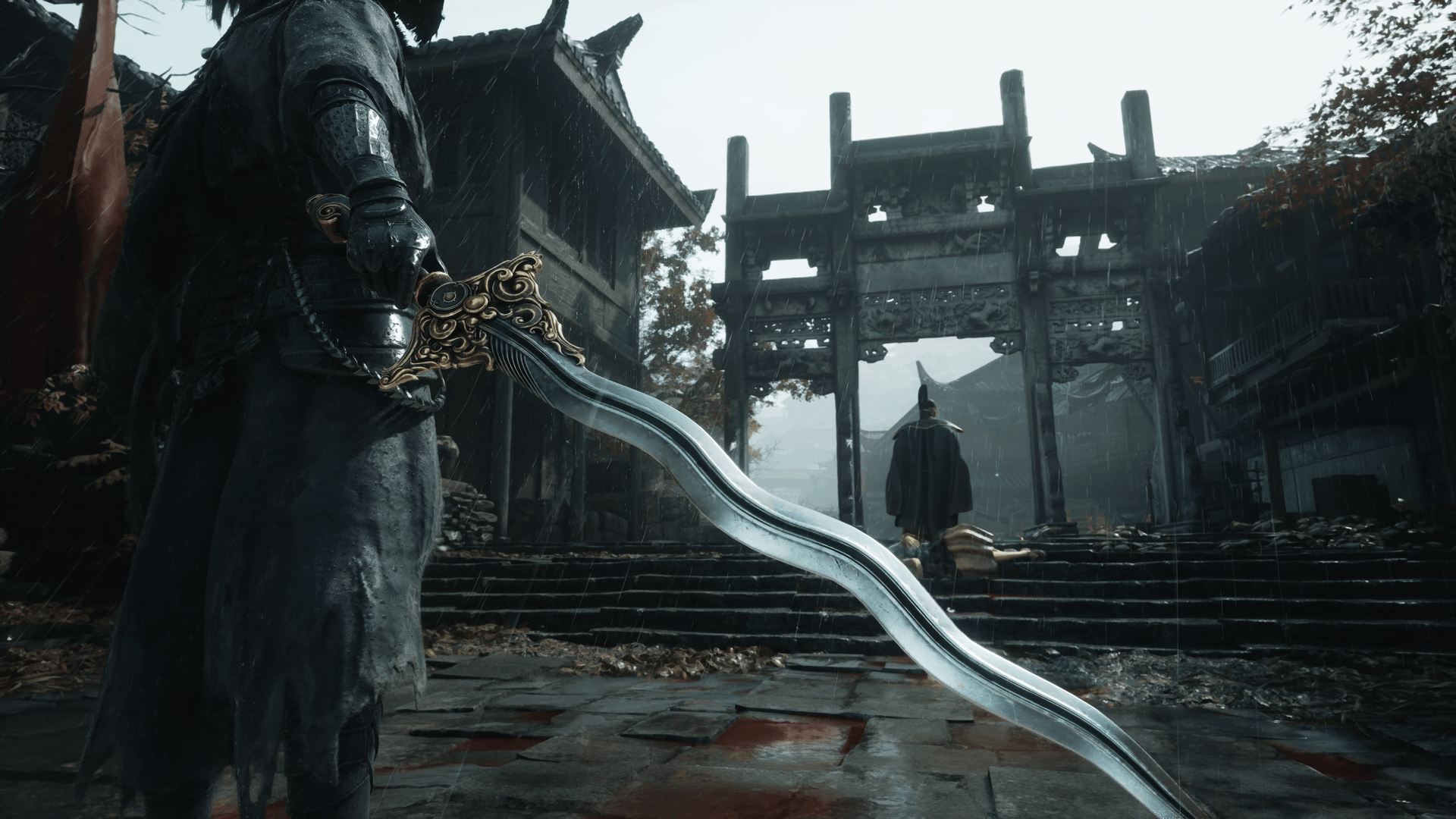
Beating a boss in Phantom Blade Zero can give you more than a clear path forward: it can change what you bring into the next fight. The useful question is not simply whether the new weapon hits harder, but what it lets you do differently. Our combat and build systems guide covers the foundations; here, the focus is boss rewards and the routes your equipment can open.
How boss weapons fit into your loadout
Most weapons come from defeated bosses, letting you use tools you previously fought against. PlayStation’s boss-weapon breakdown gives the examples below.
Keep the equipment categories separate. S-GAME’s combat introduction describes two equipped main weapons and two Phantom Edges. The main pair supplies your regular fighting options; Phantom Edges add their own attacks. Acquiring a new secondary tool therefore does not mean abandoning the main weapon you already enjoy.
When trying a reward, start by learning its own attacks before changing every part of your setup. That makes it easier to tell whether the weapon solves a problem or simply looks impressive. If you are coming from Sekiro’s prosthetic upgrades, remember that Phantom Blade Zero has a separate main weapon pairing to learn, too.
Scarlet Wraithblade: defeat Hua, Deadly Betrothed
Hua is an early optional boss, and defeating her unlocks the Scarlet Wraithblade. Completing its combos creates spider lilies that slow enemies. Its benefit is controlling space, not just landing another strike. Consider it when you want your finished combos to leave something useful on the ground.
White Serpent and Crimson Viper: mix the two swords
These dual-wielded swords have separate combos that can also be combined. One can fight at close range while the other spins around you. Learn the individual strings, then how their combined attacks change your reach.
Phantom Edges can open blocked routes
Some boss-earned Phantom Edges break barriers or grapple to distant places. A dead end can therefore become a return trip after a later reward. Note where an obstacle stopped you, then revisit it when a new tool’s function matches the problem. Explore for access, not just damage.
Try a reward without committing all your materials
A promising weapon does not have to become a permanent investment. In S-GAME’s State of Play explanation, reforging returns weapon materials so you can invest them elsewhere. The same overview confirms more than 30 main weapons, 25 Phantom Edges, upgrades, and accessories, with ranged attacks and summons among the available approaches.
That makes a focused comparison more useful than immediately chasing a universal “best” weapon. Keep one familiar option, try the reward, and decide whether its attacks suit the way you approach fights. Reforging gives you a way to redirect materials if the experiment does not stick; it is not proof that every weapon has the same strengths.
What should you focus on next?
Choose one new piece of equipment to understand, rather than rebuilding everything after each boss. Separate three decisions: which attacks you enjoy, where to invest your materials, and which tool answers an exploration obstacle. Those are different jobs, even when one reward helps with more than one.
Setting up the PC version? Use our Phantom Blade Zero PC requirements checklist for that separate preparation. For your next action game, our games like Phantom Blade Zero list explores alternatives, while action games like Sekiro offers another starting point if defensive timing is what keeps you coming back for another wave of action.