Best Of
Guitar Hero Vs Stage Tour


After the last release of Guitar Hero Live in 2015, the hope of a new rhythm-action game in the same vein as the OG slowly dwindled out. All we had to settle for were a bustling stream of indie rhythm games inspired by Guitar Hero. Not that I’m complaining, with how the genre has been experimenting with lots of creative ideas, from band simulation to dungeon-crawling and platforming, and has expanded from consoles to VR.
But we seem to be going back to the roots of where it all began, with the original Guitar Hero developers proposing a new spiritual successor called Stage Tour. They’ll doubtlessly share similarities, but also exciting changes in performance, possibly gameplay. Let’s assess these comparisons in our Guitar Hero Vs Stage Tour article below.
What is Guitar Hero?
Guitar Hero is a rhythm video game series, first released in 2005 by Harmonix and RedOctane. It gained instant recognition for its use of the Gibson-styled guitar controller to play along to the beat of fast-paced rock music. Since then, several games have been released through to the year 2015, including spin-offs, DJ Hero, Guitar Hero Encore, Band Hero, Smash Hits, expansions, and versions on console and mobile. Future iterations also added more instrument controllers, more hot tracks, and even a full band gameplay system. Sales dropped, however, over time, with the 2015 reboot not as successful as hoped.
What is Stage Tour?
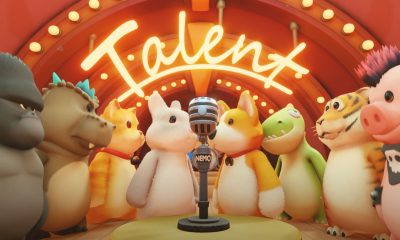
When Activision bought RedOctane, the studio was absorbed and handed over development of the Guitar Hero series to Neversoft, Hands-On Mobile, and later, FreeStyleGames. Now, the original RedOctane developers have come together to develop a new rhythm-action game, Stage Tour. Its gameplay will use the same note-highway mechanics. However, you can expect new, modern features and modes, as well as different bandmates you and your friends can control, different instruments, intense competition, and regular seasonal events.
Story

The story in Guitar Hero has been straightforward. Ideally, it was through a “career” mode, where you’d start playing at local bars and build up your skills to qualify to perform stadium concerts. In Guitar Hero: Warriors of Rock (2010), players progress through missions to recruit rock warriors who eventually take down the Scourge of Rock in the Battle With the Beast final showdown. Guitar Hero III: Legends of Rock (2007) also has a simple story of a band’s rise to fame, with fun arcs like finding out their manager is the Devil, and they now must compete to win their souls back.
Stage Tour, on the other hand, has no dedicated story campaign at all. Instead, it focuses on a career mode where players select and customize their strongest band. You then sharpen your skills through completing challenges, mastering notes, and climbing the ranks to become legends.
Gameplay

And so, Stage Tour leans toward a live service model, where you’ll receive consistent content updates, new themes, and regular events to perform at. You have unique bandmates to choose from, with diverse lead, vocals, drums, and groove roles. With the seasonal updates, RedOctane is asking for community involvement in evolving the game. In fact, they don’t plan on releasing any sequels. Rather, continue to add ongoing updates, rewards, and exclusive content to keep the interest strong.
But as far as actual gameplay is concerned, RedOctane has yet to reveal specific details. All we know is that it’ll use the same “note-highway” mechanic as Guitar Hero. So, expect to press buttons in time with the beat of the music, using falling notes along the fretboard as visual guides. You’ll need instrument controllers, also by Gibson, and including guitars, drums, and microphones. But they may not be necessary for your playthrough, allowing the use of standard controllers. Songs don’t seem like they’ll change much, likely similar rock and metal vibes. Multiplayer seems like it’ll be fun, with four bandmates, and overall, a hopefully entertaining and competitive time with friends.
It’s all about hitting the highest score in Stage Tour, just as it was in Guitar Hero, with the strongest band that looks and plays like you through their outfits, personalities, and stage presence. Keep a lookout for the roadmap of updates to come, including ones RedOctane (developer and publisher) plans to announce in the coming months. They promise “detailed feature reveals and deeper breakdowns,” so do stay tuned to their website and socials.
Verdict: Guitar Hero Vs Stage Tour

Will the final Stage Tour experience beat Guitar Hero? Especially since the last Guitar Hero Live (2015) chose the live-service route, and paid gravely for it with low sales. The series was discontinued, while other rhythm games like Rock Band picked up the weight of innovation. First rule of the live-service game is to hold back on annoying microtransaction paywalls. And the next is for Stage Tour to actually come out and revolutionize the rhythm-action genre.
There’s no denying Guitar Hero’s instrument controllers’ impact on rhythm gaming. It was so popular, it inspired so many rhythm games after it, way more than we can count. But in Guitar Hero’s absence, the creativity and experimentation have truly been phenomenal. We now have rhythm-based games incorporating action RPG dungeon-crawling in their gameplay, platforming, puzzles, and band simulation. These have raised the bar so high, adding depth and immersion, on top of keeping up with the fast-paced music.
Even the note highways have changed, moving to 3D, rather than pressing buttons, you slice musical notes flying toward you in VR, and more innovation. Some games allow you to mix your own songs. Others vary the timing of the beats, add constraints like skipping some notes, and so on. I’m curious about the “new, modern twists” Stage Tour plans to implement. The new features and modes that’ll showcase just how much can change since 2015. With the release date set for Fall 2026, we’re looking at over a decade’s worth of changes and innovation that, if done right, could place Stage Tour on a higher pedestal than Guitar Hero.