Game Guides
ATMOSFAR: 10 Priorities for Your First Flight and Mobile Camp
Prepare for ATMOSFAR with ten priorities covering Wasp roles, supplies, portable camps, weather, research and your Cloud Cruiser.

 Add Gaming.net to your preferred sources on Google
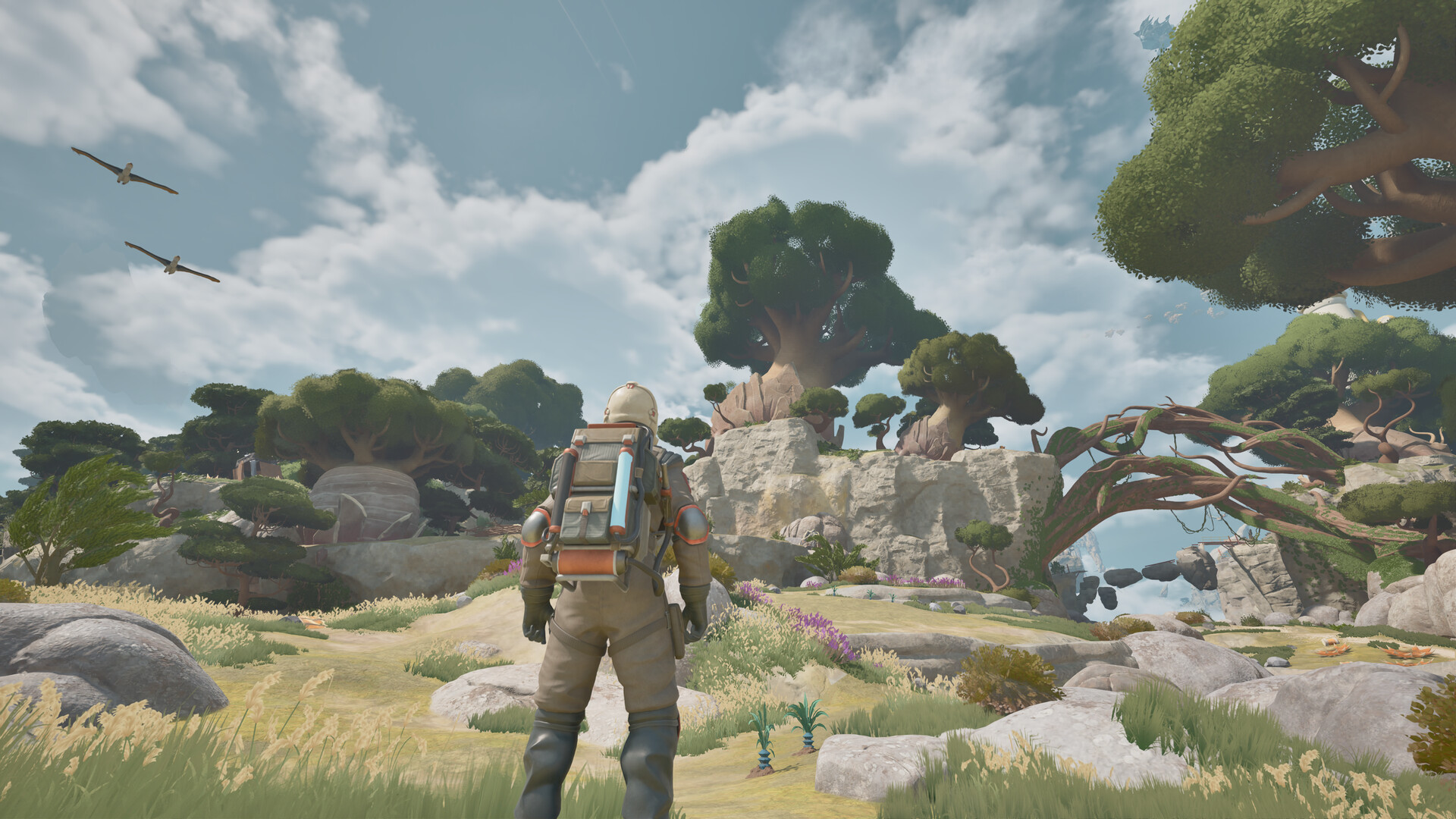
Spotting another floating island is the easy part of an ATMOSFAR expedition. The more interesting question is whether your Wasp can do the job you have in mind and bring the useful stuff back. A camp, a fuel supply, and the right craft turn a promising view into somewhere you can actually work.
Start with the Wasp’s role, a quick equipment check, and a practical Cloud Cruiser layout. These ten priorities help you connect flying, gathering, and mobile-base building. For the wider appeal of taking home with you, see our survival games with mobile bases.
10. Make Your First Flight a Return Trip
Pick a nearby island and make getting there and back the whole exercise. The Wasp’s ability to fly and hover gives you time to learn an approach, hold your position, and line up a landing. You will get more out of that first flight if you are watching the craft rather than trying to solve three expedition problems at once.
Once the route feels familiar, add a useful task to it. A dependable short supply run is already doing more for your camp than a dramatic departure with no clear way home.
9. Pick a Wasp for the Job
The Utility Wasp carries your portable-camp ambitions; the Hauler is the one to think about when heavy scrap needs moving. The Striker has a different job again, using its stun capability against enemies. Those roles make the aircraft choice part of planning the expedition.
Decide what you are leaving to accomplish before choosing the craft. Recovering material, deploying camp, and dealing with a threat call for different tools. A distant island can wait until you have a sensible way to do something useful once you arrive.
8. Check Fuel, Repairs and Backpack Power Together
Before taking off, look at the Wasp’s fuel and condition, then the backpack that supports you and your tools. The aircraft can be ready while the equipment you need after landing still needs attention. Checking both stops a supply trip from becoming a trip to discover which supply you forgot.
Refuel or repair while you are somewhere equipped to do it. The payoff is a cleaner expedition: reach the island, use your tools, and spend the return journey thinking about what you found.
7. Pack Around One Useful Task
An expedition to gather material has different needs from an outing to deploy a portable camp. Bring the tools and supplies for the work you actually intend to do, then leave yourself a reasoned way to carry something home.
Give the trip a small goal: recover a load, investigate an artifact, or establish a working site. That goal makes inventory decisions easier. You are no longer carrying an interesting object just because it was there; you know which job it will help finish.
6. Put the Portable Camp Where You Can Work
A camp beside a useful resource needs more than a pleasant view. Think about the Utility Wasp’s approach, the equipment you want to deploy, and the path between the work and the aircraft. A short route you can recognize is helpful every time you bring something back.
Begin with a compact arrangement. Use the placement feedback to give the equipment room, then judge the site after an actual outing. Expanding a camp is more satisfying when each addition fixes an awkward part of the routine.
5. Plan the Scrap’s Journey Home
Finding heavy scrap does not finish the collection job. The Hauler’s specialization makes transport part of the reward: a discovery becomes useful when you can get it back to the facilities that need it.
Work backward from the load. Which craft will recover it, where will that craft approach, and where will the material go afterward? A little planning turns a promising find into a practical project. It also gives you a good reason to return with better equipment instead of forcing the wrong aircraft to do the job.
4. Give the Weather a Vote
Tycos has storms, changing winds, and jet streams to complicate a flight. Keep watching the conditions rather than treating the route you flew earlier as a fixed difficulty setting. A familiar destination can still demand a different approach.
When the weather changes, compare the value of finishing the job with the aircraft and supplies you have committed. Shorter flights are useful while you learn how conditions affect the Wasp. An island will still be interesting after you have a more dependable way to reach it.
3. Research the Upgrade You Have a Use For
Artifacts and research connect exploration with better equipment. Let a problem from the last outing help decide what to pursue next: moving a load, improving a machine, or making the camp more useful.
That connection gives research a satisfying payoff. Instead of adding another upgrade because it is available, you are building toward a trip you already want to make. Try the improvement on a familiar task so you can see what it changes before planning around a much larger expedition.
2. Build the Cloud Cruiser Around Arriving Home
The Cloud Cruiser gives your group a mobile airbase with room for Wasps and working facilities. Start by imagining the end of a supply run: where you land, where the load goes, and which production or research facility you use next.
Arrange the functions you depend on before spending the whole session expanding. A base that makes returning from an expedition feel easy has already earned its space. You can keep building outward as new projects give you a reason to add more.
1. Give a Co-op Crew Different Jobs
With up to four players sharing the adventure, the group can do more than fly to the same resource and all gather the same thing. Agree who is recovering material, who is handling the camp, and what the next trip is meant to supply.
Keep discoveries moving between players as well as resources. Someone preparing the Cloud Cruiser can make use of a returning load sooner if they know what it contains. The pleasure of a shared base is seeing separate jobs come together into a better next expedition.
For the first outing, keep the destination close and the job small. Learn the landing, bring back something useful, and use that trip to decide what the camp needs next. If you are weighing up an Early Access purchase, our buying checklist covers the questions worth asking before you set off.