Legends
Archie Karas: The Man Behind the Longest Winning Streak in History

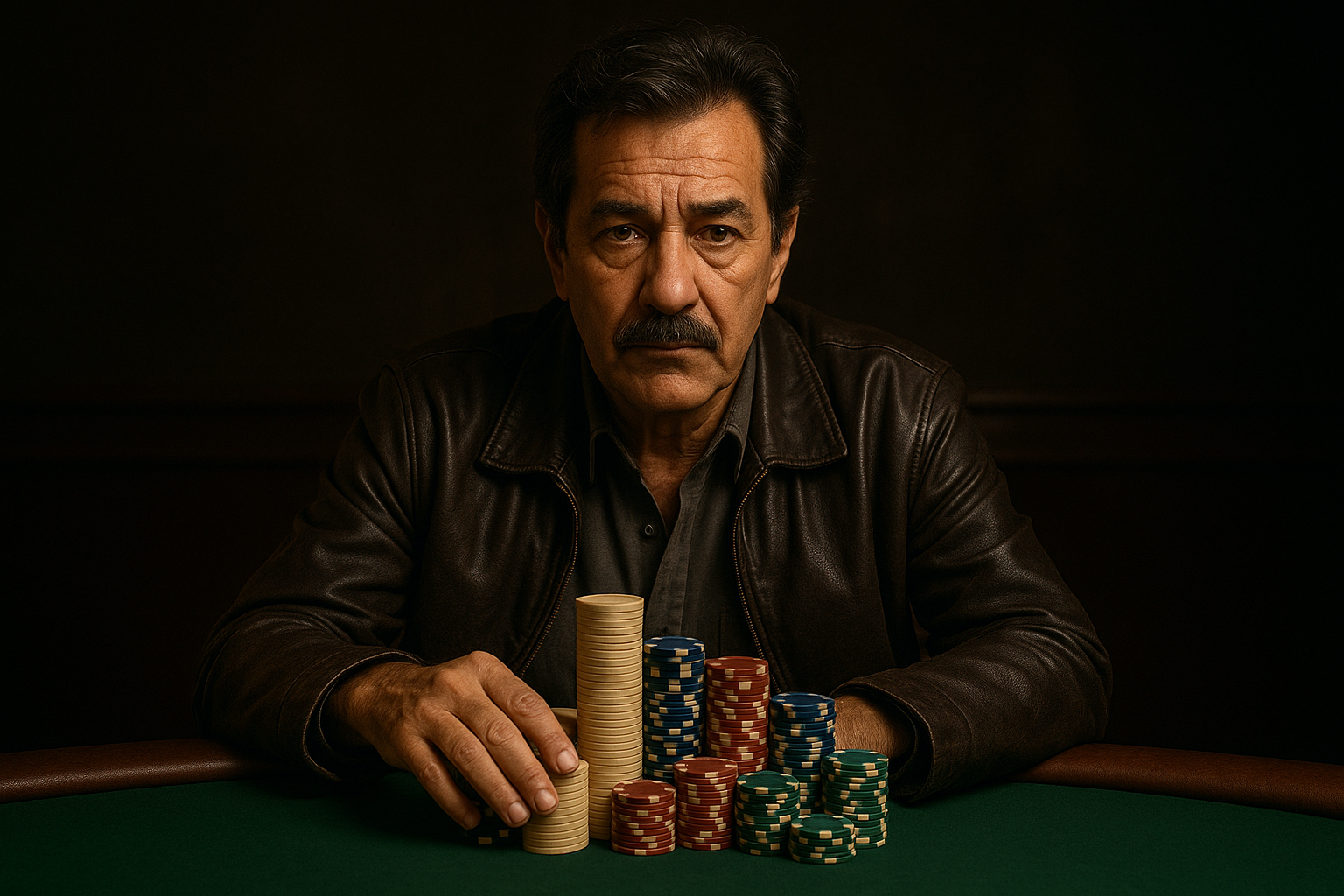
Gambling legends like that of Archie Karas show us a painfully cynical and unfiltered vicious circle that gambling can be. A high stakes poker player who started out with $50 when he hit Vegas, Karas went on a winning streak that earned him over $42 million. And then he ended up losing it all, though he had a few mini streaks later on in life. Archie Karas, a Greek-American gambler, experienced all the highs, and crushing lows. Yet he famously claimed:
“Money means nothing to me… I don’t care about money, so I have no fear. I don’t care if I lose it.”
His exploits are the stuff of true legend, and also speak to the many dangers of gambling. From yet another Las Vegas wannabe poker player to the highest echelons of gambling society, and right back to square one, Archie Karas’ story is one all gamblers should know.
Upbringing and Beginnings of a Professional Gambler
Anargyros Nicholas Karabourniotis was born in 1950, on the Greek island of Cephalonia. He came from a poor background, and left home at 15, finding work as a waiter on a ship. When the ship landed in Portland, Oregon, Archie decided to live in America and moved to Los Angeles, where he found work waiting tables in a restaurant that was near a pool hall. A gambling youngster, he developed his pool-playing skills and, playing for money, he earned money betting on himself in pool. By the point he earned more money playing pool than being a waiter, Archie Karas decided to pack in day jobs and focus on gambling.
He switched to playing poker, a game that would bring Archie huge success. His tough upbringing and rugged demeanour gave Archie some kind of edge in the game. He also became quite the astute strategist in poker, something Karas could hide underneath his foreign background and play on the benefit of the doubt. His early success could have well been down to his opponents underestimating Karas’ poker cunning. Something that, later, would make him an absolute fortune.
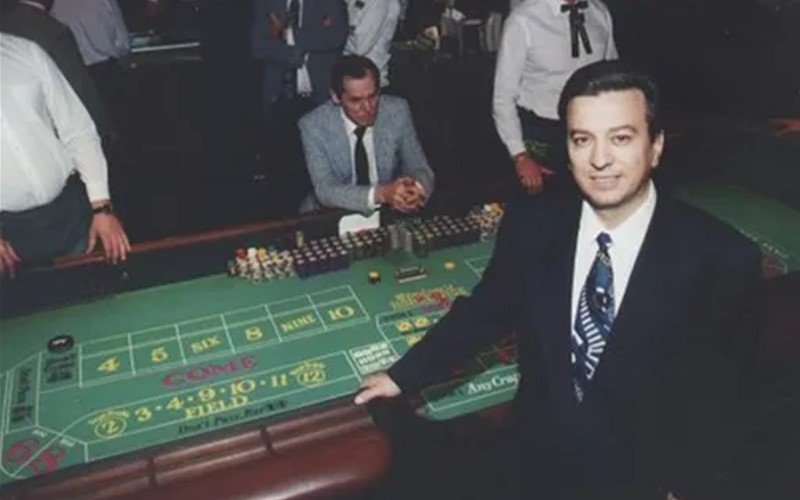
The Beginnings of The Run
In 1992, Karas left for Las Vegas, seeking out players with bigger wallets and a greater appetite for high stakes poker playing. After arriving in the Mirage – the first megaresort casino built on the Vegas Strip – Karas found a poker acquaintance from LA. He asked the player for a $10,000 loan. Not to find a place to stay or to settle in, but to head straight to the tables with and bet. Such was Karas’s determination to gamble. And it paid off, Karas tripled the poker bankroll up to $30,000 playing $200/$400 limit Razz. That is, a form of stud poker. Paying $20,000 to his backer, he had $10,000 of his own money to take on the world’s best poker players.
The next part of his claim to fame is a little controversial, as it involves a mysterious gambler only referred to as “Mr.X”. Karas met this high stakes poker and pool player at a pool table in East Tropicana. Challenging him to a $5,000 stakes game of pool, Karas ended up winning $1.2 million off the mystery player. Then, the two took to the poker tables at Binion’s Horseshoe, where Karas won an extra $3 million off Mr. X. Witnesses claim he was willing to gamble everything, and that they had no idea who Karas was.
Challenging the Best Poker Players
Well that was about to change over the next few months. Karas snowballed his bankroll, now standing at over $4 million, up to $7 million. He took on the best poker players in the world, including Stu Ungar, Chip Reese, Puggy Pearson, Johnny Moss, and Johnny Chan. Ungar was a three-time WSOP champion, and regarded as the best in Texas Hold’em at the time.
Karas beat him for $500,000 playing heads-up Razz and won a further $700,000 off Ungar in 7-card stud. Karas beat Chip Reese for more money than anyone else. He ended up taking $2 million off Reese, who was considered the greatest cash game player.
The Run’s Transition into Craps
For the next six months, Karas took on champion after champion and kept winning, reaching over $17 million in his bankroll. At some point, his reputation preceded him and Karas was no longer seen as the underdog. In his initial games against champions, Karas was given a handicap and treated like a semi-pro player.
But at this point, he was unstoppable, and the poker cash games started drying up for the Greek poker master. So he turned his attention to Craps. Playing the dice game, Karas increased his fortune up to over $42 million. At one point, he won all of Binion’s $5,000 gaming chips – the highest chip they had at the time.

Archie Karas’ Downfall
By 1995, Karas had turned his $10,000 loan into over $42+ million, and he had established his reputation as one of America’s greatest gamblers. The Greek gambler reached the height of his wealth and gambling prowess. It had to inevitably come crashing down at one point.
The bankroll that took two and a half years to build was lost in the space of just three weeks. He lost $11 million playing craps at Binions, and then taking on Chip Reese again, he lost the $2 million he made off beating Reese before.
Anyone who has gambled before will know the feeling, and those unlucky enough to have experienced it, can tell you what happened next. Archie Karas completely tilted. The $13 million hit in the space of a week was too painful a blow. Whether he took it as a blow to his pride, or wanted to chase his losses to reclaim his mighty bankroll, we can only speculate. But then things went off the rails.
Baccarat, a Final Poker Game, and More Baccarat
Archie Karas switched to a new game, baccarat, where he lost around $17 million. This brought his total losses up to $30 million, and with around $12 million left, Karas finally made the responsible choice. He quit gambling and headed back to Greece. But this resolution didn’t last long. The gambling itch returned and Karas came back to Las Vegas, headed to the Horseshoe, and shot craps and bet on baccarat. Playing for $300,000 per bet, in the space of under a month, he went down to $1 million.
Chasing losses was his real downfall, and it didn’t end there. Archie Karas took on Johnny Chan ina $1 million freezeout match. Chan partnered with Lyle Berman, and they took it in turns to wear down the Greek. But it didn’t work. Karas won, doubling up to $2 million. And then he went back to the dice and baccarat and lost it all again, betting the highest limits. It only took him a few days to blow it all away.
Further Streaks and Mini Runs
Karas did have a few smaller streaks later in his life, but none were as successful as his initial run in Vegas. In 1996, he turned $40,000 into $1 million, went to the Horseshoe and increased it to $5 million, but then lost it all in a single day. He never really reached the same heights again, though Karas was never forgotten in gambling circles.
Analyzing Karas as a Gambler
In 2013, Karas was arrested for marking cards in San Diego, and this led to an outright ban at all Nevada Casinos. This little blemish on his record did raise the question of whether or not Karas had cheated during his amazing stint in the 1990s. That, compounded with the mysterious Mr.X and how Karas got his first few millions, make some of the details about Karas a little questionable. There may have been some elements of cheating to his game, but for the most part, experts agree he was a highly talented poker player.
The game is just as much about wits as it is strategy. Karas could well have overplayed his status as the underdog, especially in the beginning. And that could have given him the upper hand against some of the best players at the time. But that doesn’t really hold with the games he won later, after establishing himself. For all his controversies and the suspicion tied around him, no one can take away the fact that he must have been a whiz at the poker table.

Archie Karas’ Gambling Addiction and Psyche
Though Karas most probably suffered from a lifetime addiction to gambling. His thrill seeking and reckless playing style would have only been reinforced by the huge winning streak he experienced. And when tasting that first big defeat ($11 million), it would have no doubt hurt his pride. Because that’s all part of the psychology of losing, especially in skill-based games such as poker. It doesn’t feel as much a case of bad luck or a bad draw. After winning so much, it also brings out the gambler’s remorse and the feeling that he, personally, lost to a superior player.
Of course, this is all speculation, but Karas is a great example of what addiction and gambler’s conceit can do to a person. They can build irrational beliefs that they are invincible, and that a good streak of variance is nothing to do with the hands, but the mind itself. It is not, and Karas couldn’t manage the feeling of defeat. He ended up chasing the losses, perhaps not so much for the money itself, but to reconquer that feeling of being “the winner”, and ended up paying everything for it.
Moral and Avoiding the Dangers of Gambling Addiction
The moral lesson here is that no matter how good you get, or how much money you make, gambling is always a show of luck and chance. The hot hand fallacy, an optimism bias, is a typical one that casino gamers and sports bettors both experience. It is the erroneous belief that a winning player or game is more likely to keep winning.
And Karas had that in spades. The fact that he quit while still on $12 million, and then returned a few days later shows just how confident he was in his own ability.
You must always recognise the risks and accept the fact that wins and losses are not really in your hands. Even if you are playing poker, or other games with an element of control about them like blackjack. The games are designed to benefit the house, and the maths all point towards the house coming out on top in the end.
So the lesson to take from Karas is not to get ahead of yourself, and never buy into winning streaks. Set up responsible gambling limits and reality checks to keep in control. And if you start losing, take a break. Don’t chase your losses, you are much better off taking an extended break and returning at some point in the future than you are coming back with a vengeance and an appetite for the high stakes.