News
UK Gambling Commission Report on Dangers of TikTok Lotteries

 Add Gaming.net to your preferred sources on Google
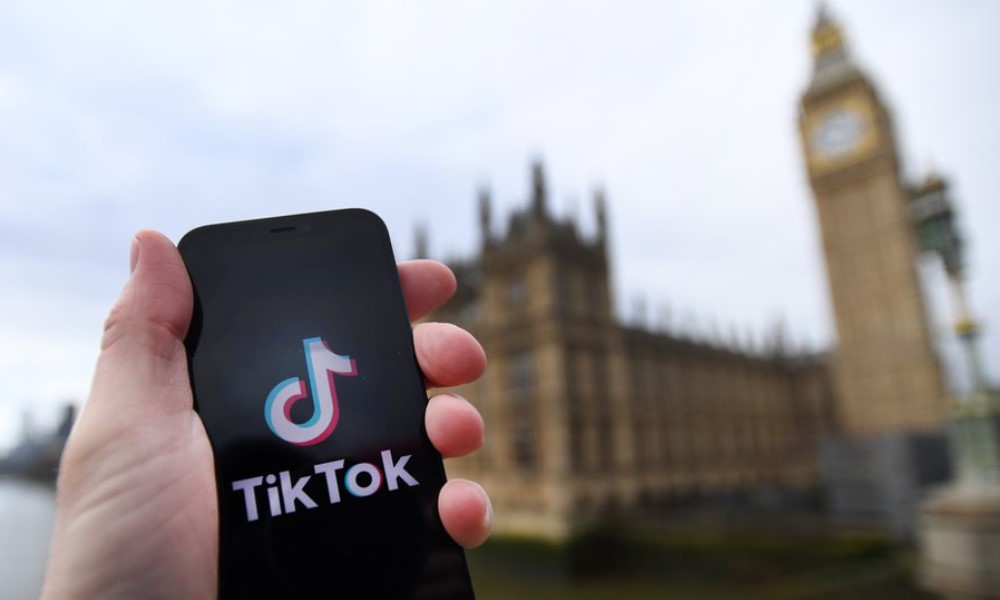
There have been recurring legal issues with social media and gambling advertising, but what about social media as a gambling operator? Well, not entirely, an operator as such, but the UK Gambling Commission is investigating informal lotteries held on platforms like TikTok, Meta, and Instagram. These are more like raffles than they are lotteries, but the principles involve gambling for real stakes, and the authorities are worries of its influence over younger social media users.
The setup involves streamers, influencers, or organizers marketing some kind of impromptu lottery on social media. The lotteries typically involve some kind of goods or prizes, and people pay to participate in the draws. These are then drawn by chance, using a drawing mechanism of the organiser’s choice, and the results are either posted or live streamed. Essentially, they don’t sound like much more than your average tombola or community raffles, which wouldn’t require an outright UK Gambling Commission licence. But, for the fact that these are open activities that can potentially draw millions of interactions and impressions across the net.
Gambling Commission’s Study on the Lotteries
On August 13, the UK Gambling Commission published its Exploring Online, Illegal, Individual-Led Lotteries and Raffles report. This was a 3 phase report that was created to understand how people react to TikTok lotteries, and lotteries on other popular social media sites. That means. The types of lottery that are organised and held by people, which are promoted online. Now this is quite a niche form of gambling; in fact, of the just over 3,000 people who were asked in the survey, only 3% who had seen them on TikTok participated, and 5% on Facebook (the scale of participation figures was only shown by platform).
This is not a massively widespread phenomenon, just yet anyway, but there are some major concerns about how they are set up and run. For instance, hosts of these events frequently use “evasive language” to avoid getting detected. A lot won’t call them raffles but call them waffles and razzles. Live draws have been referred to as “live drsw”. But where creating a sense of authority is concerned, they will put in the typical gambling ad disclaimers. Such as “T and Cs apply”, “18+”, and “no purchase needed”. Even if, the no purchase part is not actually true.
What These Raffles Look Like
While the report didn’t list exact waffles and razzles (raffles), there were comments from people who had played to give a rough idea of how these works. For instance, these raffles could offer £3,000, up to £10,000 in cash prizes, or even products such as motorcycles. The idea is, you pay the entry price, which can be £1 or £2, and then your name is thrown into the hat. These individual lotteries don’t disclose how exaclty the mechanics work – whether they use RNGs or any other kind of randomization, or not. The draw may be held on a live stream, which is more popular according to the user comments, or just via a post of the result.
These are not regulated operators, there are no proof that their draws are done with fully random generators or somehow biased, and there are no contractual ties to give players the assurances they will get their prizes. Yet when it came to players making checks on these operators, the findings reported:
- 43% check for terms and conditions disclaimers
- 38% checked whed other TikTok comments had to say
- 32% checked for previous winners
- 30% saw the 18+ advertisement
- 29% checked for content from the rafle host
- 23% checked whether the raffle/site was registered on the UKGC business register
The list did go on, but we stopped at that last note. Because a quick check of the UKGC business register would immediately prove the host is not a registered business. Yet still, these few hundred people (2-6% of the people asked) had participated in some kind of TikTok lottery or Facebook lottery. Of the nearly 400 people who engaged with TikTok raffles, (hosted, taken part, or seen only), 25% saw gambling ads for these marketed on a monthly basis, 30% on a weekly basis, and 7% saw these on a daily basis.
How Lotteries are Governed in the UK
The UK does not have a blanket monopoly on lotteries. Operators can apply for licences with the UK Gambling Commission, there is a dedicated Society Lottery licence. This basically covers raffles and lotteries that raise money for good causes, and cannot be used for commercial or private gain. These are generally used to raise money for charities, sports organisations, cultural activities, and other non-profit uses.
Smaller lotteries don’t need to get Gambling Commission licences. But they may need to gain the necessary permissions and approvals from local councils and licensing bodies. These are the lotteries that don’t make more than £20,000 in proceeds from a single draw, and they don’t make more than £250,000 in aggregate proceeds over a calendar year.
Then, there are a variety of informal, social lottery types that may not even need these. These are lotteries in shops, at dinners or events, in residential premises, or even in work. Where prizes are worth up to £50, the lotteries are not run online, and they are only offered to people on the premises or within the community. From an office sweepstakes to a loyalty program raffle at a shop, so long as there aren’t high stakes involved, these don’t need permission.
Alternative Lottery Products
Nowadays, the trends seem to encourage operators to find new ways to gain people, with innovative products or special offerings that stand out from the crowd. From a cynical standpoint, it could also help avoid some of those rising UK gambling taxes, or allow operators to cut down on their expenses.
One example that springs to mind is secondary betting on lotteries. While nothing to do with social media lotteries, these are an alternative type of game for people, and they involve making bets on the results of the National Lottery or EuroMillions. This is still partially legal in the UK, but the hype around it pretty much died out when EuroMillions betting was banned. In Ireland, secondary betting is still a massive problem.
Another niche that is gaining a lot of traction in the UK is prize draw competitions. These are lotteries that provide customers with free entry tickets (postal tickets, by questionnaires, or other media), and paid tickets (to make their business), and offer great prizes for winning entries. They are not regulated by the UKGC, but have their own voluntary code, which many of the leading PDC companies in the UK have adhered to. Plus, recently they set up a PDC trade association to further establish their foothold in the United Kingdom.
Future of Lotteries in the UK
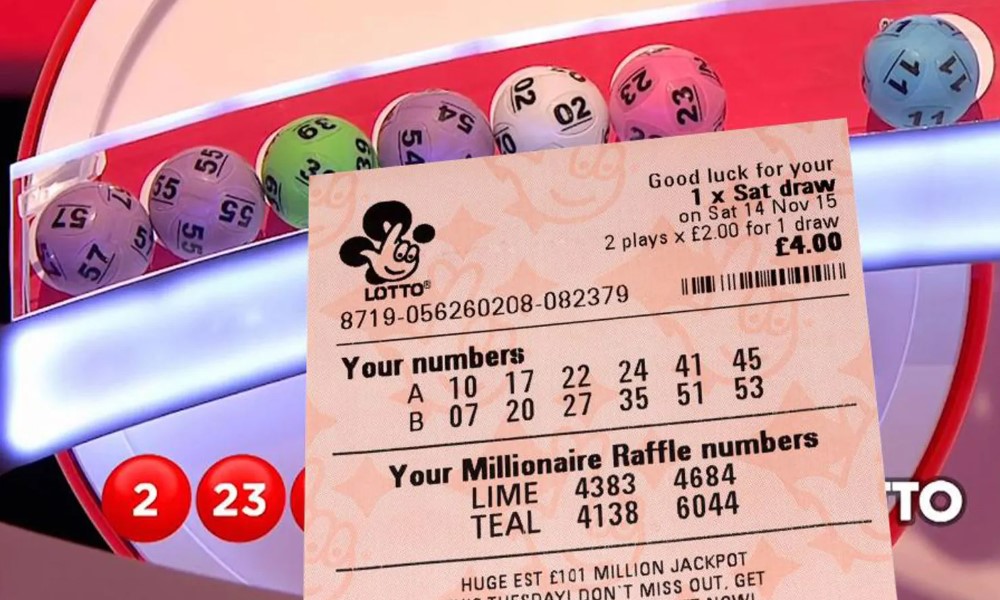
Meanwhile, the National Lottery continues to be hugely popular across the UK, and recently they expanded their offering. Allwyn, the company that operates the National Lottery, introduced Powerball to the UK in July. Powerball, unlike the Lotto (formerly National Lottery) and EuroMillions jackpots, is a progressive jackpot that doesn’t have a top cap. It has the potential to make billionaires in the UK, which is far larger than the maximum jackpots the other two can reach.
It is safe to say, there are plenty of lottery-style products on the market. The only distinguishing feature of these individual-led online lotteries is that they are using social media to reach their audiences, an area that is famously difficult for regulators and authorities to police. Social media marketing also tends to reach much younger audiences, and there are real fears that these types of lotteries can reach children or minors. Their structure, with live streams, known influencers, and gameshow-style presentation, could be particularly dangerous for this demographic.
TikTok lotteries are still a niche form of entertainment, going on those figures reported by the UK Gambling Commission. But the big question is – for how much longer? Social media is the perfect platform to market quickly, and when something begins trending, it can crop up virtually everywhere. The UK has spent decades developing a distinction between lotteries that are permitted, lotteries that require licensing and gambling products that should not be available at all. The next big step, following the report, is for the Gambling Commission to work out how to regulate these types of games, or whether they should just bring in an outright ban on them.