Reviews
Diablo IV: Lord of Hatred Review (PS5, PS4, Xbox Series X/S, Xbox One, & PC)


You may have no business playing DLC expansions, but Diablo IV: Lord of Hatred may be one of the few worth your time. Even if it’s your first time entering the gates of hell, you’ll still find your way through the demon-infested dungeons and make the most of the ten or so hours it takes to beat the game. Fitting as well that Blizzard Entertainment leaves the Age of Hatred with a bang. Given the cliffhangers the base game and first major expansion, Vessel of Hatred, left us with, I think you’ll be pleased that the final expansion leaves it all on the Skovos cinematic stage.
Skovos is, indeed, the new archipelago we explore this time around. And with it, you’ll discover lots of refreshing new areas to test out your crowd-control skills. The bosses are as tough as ever, made more exciting to fight with two new classes. That’s right. Paladin and Warlock make their way to the second expansion. And there’s so much more Blizzard has in store for an expansion. New gameplay mechanics and fresh updates that make it feel like entering an experience we haven’t explored.
For the doubting Thomas, the unyielding soul who couldn’t be bothered with expansions, and the excited fans curious about how Blizzard ties loose ends, here’s our Diablo IV: Lord of Hatred review for your personal closure.
Age of Hatred

It’s been a dark saga so far, the Sanctuary corrupted by Mephisto’s influence. If left to his own devices (or minions, more rightly), he’d bring a shattering end to humanity. And so, you and your allies must chip away at his minions before taking the final stand against the Lord of Hatred. Darker it gets, from the base game, to Vessel of Hatred, and now Lord of Hatred, the darkest of them all. Yet, you still unravel a flicker of hope, love, and sacrifice, rearing their speckle of light in places.
The story here deserves no spoiling whatsoever, whether or not you’ve been a loyal follower from the get-go. You’ll still find a strong footing putting the pieces together. The dramatic effect of the return of Lilith will still land, thanks to expertly curated cutscenes and dialogue. It spikes tension, filling your insides with dread at the rampant evil in her. Reminds you of the overbearing mother who can’t stand weakness. The punishment for showing weakness is death, brutal death. Her manipulation isn’t mistaken for anything else, as she puts up a worthy fight.
Some places may lag a bit, with plot lines that could have been squeezed a tad more. Leave all the plot threads as dry as can be before the build-up to the final act, which doesn’t disappoint. Its impact is felt, and leaves no desire for more. It’s the kind of story that needs to be played at least once. A second run, however, may not be as impactful, which is fine given that the gameplay keeps you well-busy.
Level Up

It’s always been Diablo’s M.O. to level up. That’s the main goal players ought to accomplish across their run. While players who bring existing characters may start at higher levels, new characters all start from Level One. And from then on, it’s finessing your way up to Level 70 (previously Level 60). Within your leveling, the depth of customization of your chosen class is astounding.
Class System

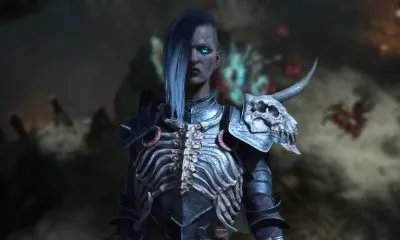
Much of your gameplay remains the same as the base game. However, you do have two new classes you can play as in Diablo IV: Lord of Hatred. Paladin was a reward for preorders. It feels like a more accessible class for newcomers. You wield swords, shields, and hammers within the class, which you can further boost with celestial energy. As classes work with other RPGs, you determine how you want your character to play.
Perhaps a melee combat-style is more your speed, which Paladin excels in with its whirlwind of blades. You can specialize in offense while still covering your bases, using your defensive shield to bash into enemies. The Paladin offense is just as strong as defense. But it also supplements your attacks with magic, resulting in a well-rounded option for beginners.
The Warlock, on the other hand, can’t wield their own magic. Instead, they channel from others. They bend demons to their will, summoning waves at a time to deal with enemies on your behalf. It’s a more hands-off approach, but you can tweak your skills and abilities for more direct contact.
One thing’s for sure, the Warlock class is far more powerful than Paladin, if you can maximize tactics and control over its summons and abilities. With the Warlock class, you can easily wipe out an entire screen of demons with one stacked AoE attack. It may even be powerful enough to take on some bosses.
Big Bad

Given the rampant mobs you’ll be dealing with, it’s not surprising that they’re relatively easy to defeat. The bosses, though? Those will test your patience. They offer a good mix of strategy and movement. The first time fighting most bosses is a trying time, but the second time around is easier when you know what to expect. Still, some require speedy reflexes and precise attacks that can take a bit to lock down.
Pleasure Tools

For all the challenges you’ll run into, Diablo IV: Lord of Hatred does well to supplement your classes and builds with lots of goodies. The new expansion brings with it new loot, an expanded skill tree system, and new modifiers via talismans and the Horadric Cube. These all focus on enhancing customization and experimentation, so you’re spoilt for choice over the builds to try out next.
Some customization options, like the expanded skill tree system, however, offer more significant choices than others. The additional nodes you unlock and upgrade actually tweak your skills and abilities. They enhance your attack power and tweak your status ailments. There’s a lot you can do with the buffs and debuffs the deeper skill tree provides, as opposed to the talismans, for instance.
The seals and charms you slot into your talismans should provide you with passive stat bonuses, though their significance in battle is barely felt. In any case, Diablo IV: Lord of Hatred continues in the series tradition of so much loot. And on top of it, adding more seamless ways to manage your collections.
No End in Sight

Even as you draw near to the end, there’s so much more that awaits post-game. You have new endgame content. War Plans, firstly, lets you curate your own set of five activities you might want to return to from endgame content like Helltide, Nightmare Dungeons, and Infernal Hordes. You won’t have to track down the activities on the map, either, with the game taking you straight to the next ‘quest’ in line. Interestingly, the activities themselves have progression paths, where multiple runs are met with modifiers that add more challenges.
You might prefer the more challenging Echoing Hatred runs, where waves of enemies just keep coming at you, stronger and more difficult to take down. And you just keep pushing forward until you’re killed. Notably, the longer you’re in Echoing Hatred, the better your rewards.
And then there’s the Horadric Cube, which is an endgame crafting system that lets you enjoy more experimentation and customization for your weapons and gear using new recipes.
All of these wonderful and highly replayable loot and gameplay systems are hosted in the Skovos Isles. The variety is outright impressive, taking you from volcanic depths to crystal waters and jungles. The Mediterranean-themed region is detailed and believable. And while previous games and expansions may have dangerously leaned toward repetitive dungeons, Skovos manages to remain refreshing with every new area you discover.
Verdict

For an expansion, Diablo IV: Lord of Hatred has far outdone itself. No single pillar that makes a fantastic game has been left to chance. Whether it’s the story campaign, gameplay, or environment, every little thing has received the care and upgrade it deserves. Coming from Vessel of Hatred’s weaker story, it’s been a pleasure to be taken through the depths of darkness, wrapping up the Age of Hatred saga with dramatic flair.
You enjoy so many new customization options, nudging you to experiment to your heart’s content. Whether it’s new loot, skill tree nodes, classes, and talismans, Diablo IV: Lord of Hatred maintains a fervent dedication to spoiling you with toys and goodies to play around with. The expansion focuses not only on quantity but also depth, allowing you to come up with new builds you’ll be using for more Diablo excursions.
Bringing it all together is a detailed and stunning map of the Skovos Isles. A Mediterranean-themed region of the Sanctuary that barely gets repetitive to explore. Fittingly so, given the overwhelming endgame content that will keep you coming back for more.
Diablo IV: Lord of Hatred Review (PS5, PS4, Xbox Series X/S, Xbox One, & PC)
Lilith Returns, and More Surprises
It’s a rollercoaster ride learning more about Mephisto’s takeover of the world of Sanctuary, and the damning heroic role you must step into to stop his corruption. You’ll enjoy a dark story with lots of twists and surprises for fans and newcomers alike. And a good balance of looting as well, as you clear out demon-infested dungeons all across the Skovos Isles. Diablo IV: Lord of Hatred features lots of new content, culminating in a playthrough that looks and feels more than an expansion. In today’s age, it might even pass for a pretty worthy actual game.