Game Guides
Pool of Radiance: Ruins of Myth Drannor — 10 Things to Know Before Your First Dungeon
Get ready for Pool of Radiance: Ruins of Myth Drannor with ten spoiler-free pointers on party planning, its restored interface and turn-based combat.

 Add Gaming.net to your preferred sources on Google
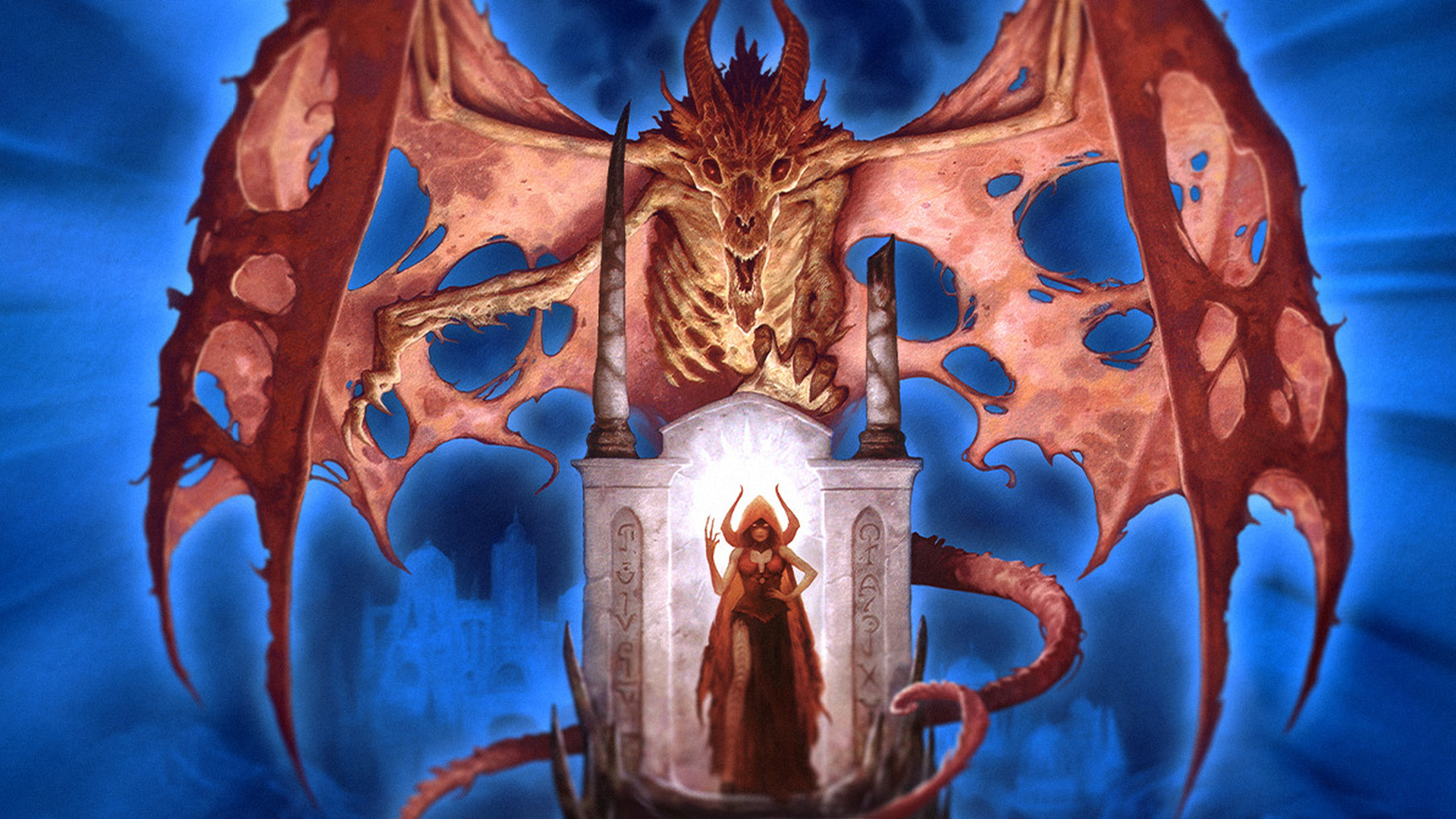
The first doorway into Myth Drannor is more inviting when you know what kind of adventure you are bringing your party into. Pool of Radiance: Ruins of Myth Drannor returns as a restored digital PC release, giving the 2001 Dungeons & Dragons RPG a new way to reach players.
These ten starting points cover the edition, party planning, controls and combat settings. They leave dungeon solutions and later story discoveries alone, so you can get comfortable with the basics and let the ruined city keep its surprises.
Looking for somewhere to start?
10. Know which Pool of Radiance you are starting
The title is easy to confuse with the earlier Gold Box adventure. This is Ruins of Myth Drannor, the 2001 Stormfront Studios RPG restored for its first digital release by SNEG. You are entering a different game, with a different rules foundation, from the original Pool of Radiance.
Its opening sends adventurers toward the ruined elven city of Myth Drannor to investigate a spreading corruption. That is enough context to begin without looking up the story. Use guides and technical advice that name Ruins of Myth Drannor and the current release, so instructions for another edition do not lead you astray.
9. Decide how much of the restoration you want
Before you build a party, spend a minute in the settings. The re-release offers a modern presentation and an optional Legacy mode, letting you choose how closely you want the experience to resemble the original.
Think about what you actually want from the return. If you mainly want the older atmosphere, explore the Legacy option. If readable controls are your priority, start with the updated interface. Making that choice early is easier than wondering whether an unfamiliar screen is a feature you have missed.
8. Plan four starting heroes as a team
You can create up to four adventurers at the start and recruit two more during the journey. Treat those four as the core you need now, rather than designing a plan that only works once every eventual slot is filled.
Write down the jobs you want covered: somebody who can stand near danger, ways to deal damage and support for difficult encounters. Then read the available classes before assigning those jobs. Four characters you understand will be easier to learn than four impressive-sounding choices whose abilities overlap.
7. Read its rules instead of importing another D&D game
Ruins of Myth Drannor draws on third-edition Dungeons & Dragons. Familiar names may help you find your bearings, but a class or spell name from a newer RPG is not a promise that it works the same way here.
Use the game's explanations when choosing abilities and equipment. Before committing to something because it was powerful elsewhere, ask what its description actually says in this release. That habit keeps your early party decisions connected to the adventure you are playing.
6. Get comfortable with the action bar
The updated action bar and tooltips are there to make your options easier to read. Open the relevant panels before the first complicated encounter and find where the party's attacks, spells and items appear.
You do not need to memorise every icon. Aim to recognise the few actions each hero is likely to use first, then add the rest as they become useful. A small set of familiar choices gives you a better starting point than clicking through unfamiliar menus under pressure.
5. Begin with time to think
Combat is turn-based, with an optional turn timer for players who want extra pressure. Leave that extra pressure aside while you learn what your characters can do. There is no need to turn your first rules lesson into a race.
Use a turn to read the situation, choose a purpose and then act. Are you trying to remove a threat, support someone or improve the party's position? Once those decisions feel comfortable, the timer becomes an option to experiment with rather than an obstacle to understanding combat.
4. Check the view before choosing a route
A ruined city can hide an awkward corner behind an attractive view. The restoration includes a reworked camera, so learn its controls before you need to judge a crowded room.
When the screen becomes difficult to read, take a moment to inspect the space rather than repeatedly clicking the same destination. Look for the route your party is actually being asked to take. This is a simple habit, but it helps separate uncertainty about the camera from uncertainty about the next decision.
3. Understand an ability before building around it
A spell that sounds dramatic is tempting when you are planning an adventuring party. Read its description alongside the role of the character who will use it, then consider what problem it solves for the group.
An early party benefits from choices you can explain in plain language. If you cannot yet say when an ability would be useful, leave room to learn before making it the centre of your plan. The goal is a group whose actions make sense together, rather than a collection of appealing names.
2. Tune the pace after you understand the actions
Adjustable combat animation speed is one of the re-release's conveniences. Begin at a pace where you can follow what happens, then speed up repeated actions if they stop adding useful information.
The distinction matters: a faster animation is helpful when you already understand the result. When you are still learning why something happened, slowing down can make the next choice clearer. Match the presentation to your familiarity instead of assuming the quickest setting is always the best one.
1. Settle on comfortable controls before a long session
The restoration supports controllers as well as its updated PC interface. Try your preferred input method while the party is somewhere manageable, and check that selecting characters, reading information and choosing actions feels natural.
Then give yourself a modest first goal: learn the party, follow the opening direction and become comfortable with a few encounters. Myth Drannor will still have mysteries left tomorrow. A first session that leaves you understanding your choices is a useful foundation for the larger expedition.
Where to go next
Begin with a party whose roles make sense together, give yourself time to read combat and learn the updated action bar. Those habits give the opening expedition a clearer purpose. For more party-building adventures, browse our best RPGs on PC and RPGs with job systems.