Game Guides
Danchi Days: 10 Spoiler-Free Tips for Reviving the Neighborhood Festival
Explore Danchi Days with ten spoiler-free tips for meeting neighbors, following clues, browsing its in-game web and approaching Sense Games.

 Add Gaming.net to your preferred sources on Google
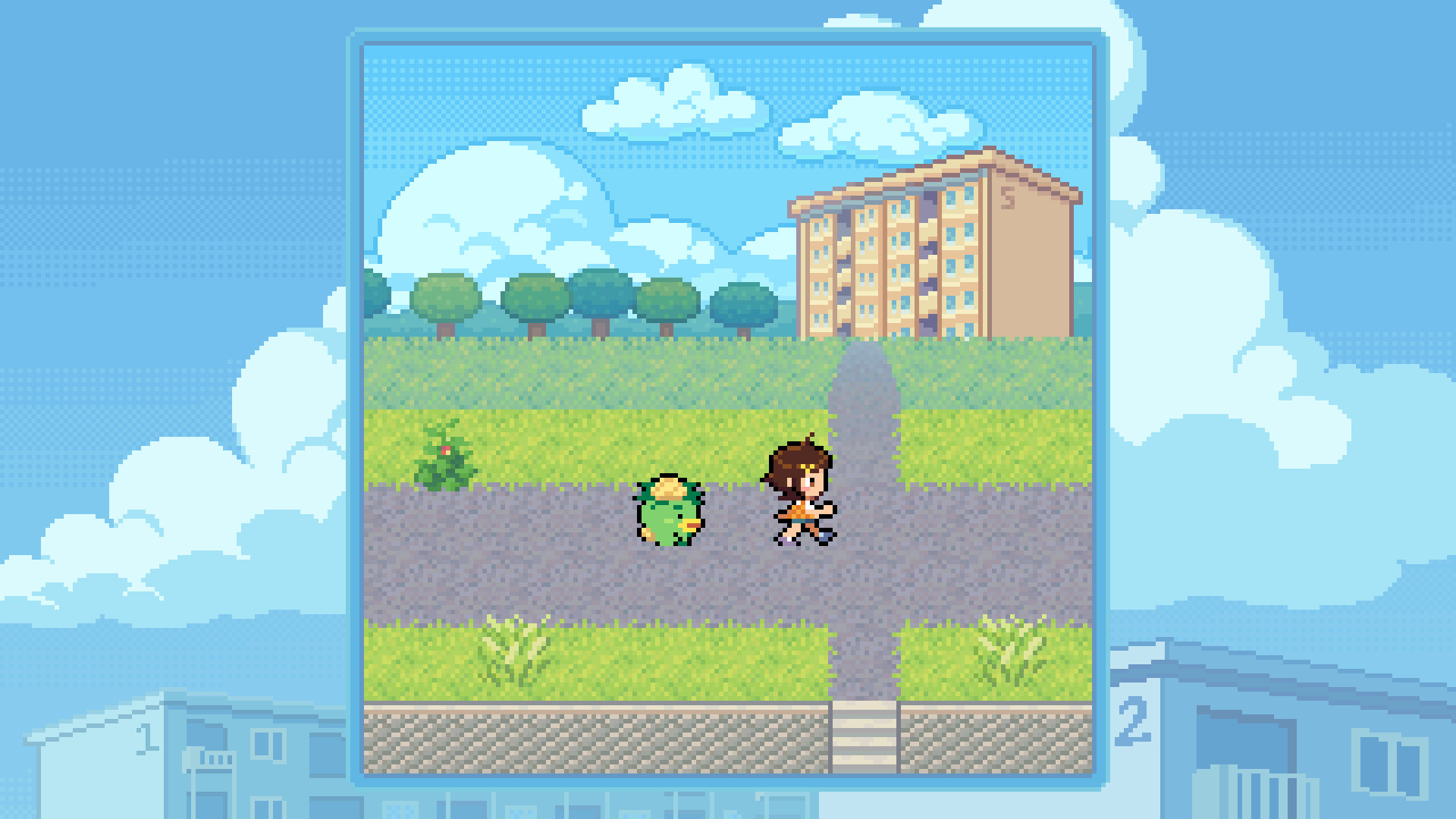
Inviting the neighborhood to a festival sounds simple until each neighbor has a reason to hesitate. Danchi Days makes the invitation itself an adventure: talk to people, follow what matters to them, and connect clues scattered around the apartment complex and its in-game internet.
These ten tips keep the solutions and story discoveries to yourself. Start with a conversation that goes nowhere, an online lead, or a Sense Game you have not figured out. If this quieter kind of adventure is what you want next, our cozy games without farming offers more ideas.
10. Listen for the Reason Behind an Invitation
Hoshino wants people at the summer festival, but an invitation does not make everyone’s concerns disappear. Listen for what the response tells you about the person. A refusal can be the beginning of a lead rather than a failed interaction.
Put the obstacle into your own words before moving on. Knowing what is bothering someone gives you something useful to look for elsewhere; remembering only that they said no does not.
9. Keep People Attached to Places
As the cast grows, it helps to remember a person alongside a landmark or room. A useful note is something like the neighbor, where you found them, and the question their conversation left open. You do not need a transcript of the entire visit.
That small amount of context makes a new clue easier to use. When something reminds you of an earlier conversation, you have a place and a reason to return rather than another vague name on a list.
8. Look Around Before Guessing the Solution
A conversation belongs to the surrounding neighborhood. Before deciding what must happen next, look at the objects and spaces around the person you have just spoken to. The setting gives you more to work with than an isolated line of dialogue.
If your first idea goes nowhere, separate what you actually noticed from the solution you started imagining. Returning to the scene with a fresh question is more productive than repeating the same interaction and hoping it will suddenly mean something different.
7. Take a Specific Question to the In-Game Internet
The danchi’s internet is another place to investigate. Bring it a question from a conversation or something you noticed outside, then look for a connection. A page becomes more useful when you know which neighbor or problem it might concern.
Carry discoveries back into the neighborhood. The pleasure is joining up the two spaces: something you learn online can make a real-world interaction easier to understand, just as a conversation can give you a better reason to browse.
6. Keep Moro-Q and the Festival in the Picture
Moro-Q is Hoshino’s kappa companion, and the festival effort includes finding five offerings. Keep that larger task in mind while individual neighbors send your attention in several directions.
When the to-do list starts feeling crowded, identify which lead you are following and how it connects to the event. This gives side conversations somewhere to fit. A new discovery is easier to remember when it belongs to the festival you are trying to bring back.
5. Let Each Sense Game Teach You Its Activity
Sense Games turn details such as smelling, touching, or listening into small activities. Give the first prompts your attention instead of assuming a new one works like the last. The sense being used is part of what makes the interaction different.
When an attempt does not work, change one idea and watch the feedback. You are trying to understand what Hoshino is noticing. That is more satisfying than rushing through inputs until the game happens to accept something.
4. Follow One Lead Far Enough to Learn Something
It is easy to leave a conversation with three new places you want to visit. Choose one promising lead and give it enough attention to find out what it actually tells you before opening several more questions.
You can change direction when another clue points somewhere useful. The aim is to avoid losing the original reason for the trip. Even discovering that a tempting connection is wrong can narrow the search if you remember what you were testing.
3. Revisit With a New Piece of Information
When you return to a neighbor, bring a reason: a discovery, a possible connection, or a question you did not understand earlier. That keeps revisiting from feeling like circling the complex and asking everyone the same thing.
The useful habit is comparing the new information with what you already knew. You do not need to anticipate the whole invitation solution. You need the next conversation to make more sense than the last one did.
2. Leave Yourself a Useful Return Note
Before ending a session, note the neighbor you were helping, the lead you meant to investigate, and the place or page you planned to check next. Three clear reminders will do more for tomorrow’s return than a long list of disconnected names.
This suits a game built around conversations and clues. Coming back knowing why you were interested in something lets you enjoy the next discovery instead of spending the first few minutes reconstructing your own investigation.
1. Treat the Full Game as a Fresh Start After the Demo
The developer’s demo announcement says demo saves do not carry into the full game. That includes the earlier demo and the shorter one replacing it around launch. Plan to begin again rather than expecting the festival to resume at your last demo checkpoint.
Use the familiar opening as a chance to notice details you passed earlier. You already know the broad idea of the neighborhood, so the second look can be about the people and clues instead of working out where everything is.
When you get stuck, return to one person and one unanswered question. Check the neighborhood and its internet for something that changes your understanding, then give that lead another try. The festival is a reason to get to know the danchi, so there is no need to turn every conversation into a race toward the solution.