News
UK Treasury Weighing Up New Hikes on Slots at Casinos, AGCs and Betting Shops

 Add Gaming.net to your preferred sources on Google
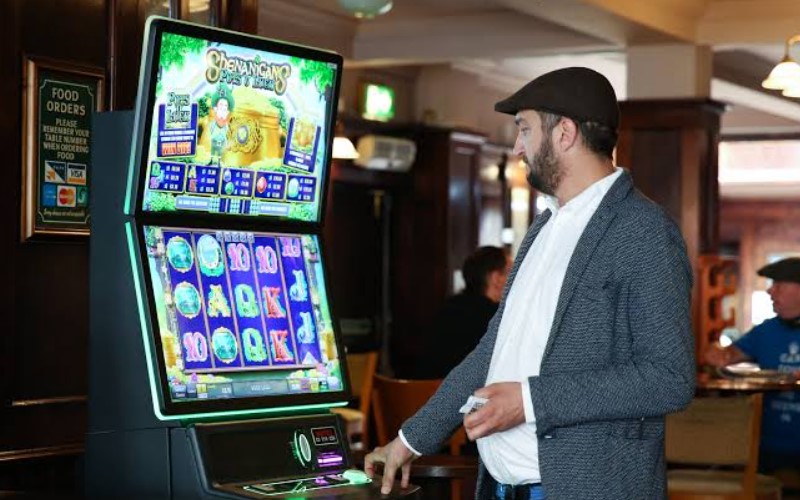
Nearly a year on from the controversial UK iGaming tax hikes, and the Treasury may be considering another increase. But this time, it would target landbased slot machines. The UK Government is looking for ways to raise money ahead of the October Budget, and last year, retail gambling operations escaped all hikes. The online casinos were hit hard with a 40% tax rate, and from April 2027, the online bookies will also have to pay higher duties.
But bingo, horse racing (both online and retail), and landbased casinos or gambling venues kept their rates. Speculators reckon that these landbased operators could also face a 40% rise, and it wouldn’t just impact the UK casinos, but casino-adjacent venues such as adult gaming centres, slot clubs, betting shops. Pubs, which Andy Burnham has repeatedly backed and wants to make tax reliefs for, may be the only ones who could potentially be excluded.
Hitting the Machine Games Duty in the UK
The speculation around these potential gambling tax hikes came from a report in the Times, which suggested the government needs to raise billions of pounds through tax increases, or reduce their spending on cost-of-living measures or defence. The UK gambling taxes of last year have not raised enough, and now looking elsewhere, Chancellor John Healey is reportedly considering hitting landbased gambling taxes.
Specifically, they would target the Machine Games Duty, a gambling tax on certain physical slot machines and gambling terminals. The Machine Games Duty has three categories based on the size of the stake and potential prizes that a machine has to offer. The gaming duty for these range from 2% up to 25%, distributed as follows:
- Type 1 (5% MGD): Costs 20p or less to play. Prizes up to £10
- Type 2 (20% MGD): Costs 21p to £5 to play. Prizes from £11 and up
- Type 3 (25% MGD): Costs more than £5 to play. Prizes of all sizes
Games at charity events, tournaments or lottery machines are exempt. As are games for domestic use, and any machines where the prize is less than the cost to play.
The Machines and the Operators
So what machines could potentially be hit? Well a lot depends on the category that they fall into. In the UK, gambling machines are classified type, from A to D, but A are actually not legal (unlimited stakes and prizes). Though, these categories do not directly correspond to MGD rates, meaning two different categories can potentially fall under the same tax rate depending on the machine’s maximum stake and prize.
- B1 (Commonly 20% MGD, potentially rising to 40%): Higher stakes casino games, including slots and video poker, with stakes of up to £5 and prizes of up to £10,000
- B2 (Commonly 20% MGD, potentially rising to 40%): Fixed odds betting terminals and other betting-style games, with a maximum £2 stake and £500 prize
- B3 (Commonly 20% MGD, potentially rising to 40%): Lower stakes casino-style games, including slots and other electronic games, with a maximum £2 stake and £500 prize
- B4 (Commonly 20% MGD, potentially rising to 40%): Lower stakes slots and similar games with a maximum £2 stake and £400 prize
- C (Commonly 20% MGD, potentially rising to 40%): Lower stakes fruit and slot style machines, with a maximum £1 stake and £100 prize
- D (Commonly 5% – 20% MGD, depending on the machine): Low stakes machines such as fruit machines, coin pushers, penny falls and crane grabs
The machine categories B1 are typically only available at casinos, and B2 are in high street betting shops. Machines with a B3 and B4 classification are typically found in UK Adult Gaming Centres, betting shops, slots clubs and bingo halls. And then the Category C and D are more common in AGCs, smaller clubs, and occasionally pubs too. The most likely to get hit by the tax rates are the casino gaming machines, retail betting shops, and also the games at Adult Gaming Centres, bingo halls, and clubs. The only type of machine category that may completely avoid the hikes is Category D – your classic fruit machines and crane grabs.
Difficulties in the UK Retail Gambling Sector
The UK’s gambling sector is still reeling from the 2026 Autumn Budget, and the damage has not stopped at online platforms. Betting shops and adult gaming centres have already been declining for years, with operators closing venues as customer habits have increasingly moved online. Not too long ago, BetFred announced it will close 130 betting shops, adding to hundreds of shops already lost by major operators such as William Hill and Paddy Power.
Adult gaming centres are another major part of the equation. These venues are essentially slots focused gambling locations, with some operating 24 hours a day, and they could be hit particularly hard if MGD rises to 40%. There has been controversy surrounding these venues. Burnham wants to give local councils more authority to block new betting shops; there may be a loophole through the National Scheme of Delegation.
Impacts of the iGaming Tax Hikes
The iGaming landscape has also changed considerably. From operators leaving their UK bases to those who doubled down and launched new verticals, operators are still trying to work out how to protect their margins. Actually, Entain reported higher revenue in the first half of 2026, but its EBITDA was squeezed by higher UK gambling taxes, while the company has also been cutting costs and reshaping its UK retail estate.
Rank Group, which operates Grosvenor Casinos and Mecca Bingo, has taken a similar approach, with job cuts and cost reductions helping offset the impact of the higher online gaming tax. Its improved profit outlook shows that operators can adapt, but it also demonstrates that higher duties are likely to lead to changes elsewhere in the business.
The gambling tax hikes are not the only hit they have taken either, as the UK Gambling Commission confirmed it will also increase licence fees by 25% from October 1.
A Bleak Outlook for High Street Gambling
The biggest concern is that another tax hike could accelerate a decline that is already well underway across the UK’s retail gambling sector. Betting shops, AGCs and other high-street gambling venues have been dealing with falling footfall, rising operating costs and increasingly strict regulations for years, with the move towards online gambling making it harder for physical venues to compete. Adding another substantial tax bill to this could leave some operators with little choice but to reduce their estates further.
There could, however, be one notable exception. Pubs have long been an important part of Britain’s machine gambling market, with Category C and D machines commonly found in these venues. Andy Burnham has previously backed measures to support pubs and has called for greater tax relief for the sector, meaning the government could potentially decide to protect pub machines from a wider MGD increase. This would create an interesting divide between traditional hospitality businesses and dedicated gambling venues, particularly if AGCs and betting shops are hit with a higher rate while pubs are given preferential treatment.
For operators, there are several ways they could respond if the proposed increase becomes reality. The most straightforward would be to absorb some of the additional cost, although this would put further pressure on already thin margins. Others could reduce the number of machines they operate, remove lower-performing games or focus more heavily on machines and games that generate the strongest returns. Some may also look towards reducing staff numbers or closing venues that are no longer profitable, something we have already seen across the betting shop sector.
Level Tax Rate for Online and Landbased?
The other obvious response is to move more of the business online. Yet this is where the government’s gambling tax strategy becomes particularly interesting. Online casino operators are already paying a 40% Remote Gaming Duty, while betting operators will face higher taxes from April 2027, leaving fewer attractive alternatives for businesses trying to escape the higher costs of physical operations.
Ultimately, the potential MGD increase could put the government in a difficult position. It may generate hundreds of millions in additional revenue, but if operators respond by closing venues, cutting machines and reducing their retail presence, the long-term tax gains could be smaller than expected. With the October Budget still to come, the industry can only wait to see whether the Treasury decides that Britain’s high-street gambling machines are the next source of revenue.