News
UK Prediction Market Laws Could Change as FCA in Early Talks with Operators

 Add Gaming.net to your preferred sources on Google
Prediction markets are legal in the UK, but they operate under a strict regulatory framework. They can only operate in the UK as betting exchanges, an industry that has been around since the early 2000s and was made popular by platforms like Smarkets, Betfair, and BETDAQ. One of the restrictions about operating this way is that they cannot serve any financial markets. But that may change.
For the Financial Conduct Authority is reportedly considering whether to relax those laws, and potentially open discussions about prediction markets. If the talks were to materialise, it could lead to financial markets on prediction markets too. However, the FCA has not announced that it intends to lift the restrictions, meaning prediction markets remain in a complicated position in the UK for now.
Overlapping Regulatory Scopes in the UK
This is where it gets tricky. In the US, platforms such as Kalshi and Polymarket can offer markets covering an enormous range of subjects, including sports, politics, financial markets, cryptocurrencies, culture, entertainment, weather and even relatively obscure novelty events. These are binary markets (yes/no), and you can bet on virtually anything from what words the US President will say in their next speech, to whether or not it will rain in New York tomorrow.
In the UK, those different markets can fall into different regulatory categories. Sports and political prediction markets are generally within the scope of the Gambling Commission when they constitute gambling, while financial and certain other event contracts can fall within the FCA’s regulatory perimeter. This means there is no single UK regulator responsible for the entire prediction market sector. Instead, you get different legal treatment that depends heavily on what the contract is based on.
Gambling Commission on Prediction Markets
Kalshi, or another operator that mimics their offering, cannot just head to the UK, obtain a betting intermediary licence and open shop. The UK Gambling Commission recognises prediction markets as betting exchanges. This means, they are a peer to peer betting marketplace, where there is no house, but two people trading wagers against each other for an agreed price. The bettors set the price, set their stakes (buying and laying each other’s bets), and the platform just facilitates this. And takes a commission to get their cut.
This is the model that has been operating in Britain since 2000, meaning that the UKGC arguably already has a regulatory framework capable of handling some forms of prediction markets. And some of the UK’s most reputable betting exchanges follow this model.
- Betfair Exchange
- Smarkets
- BETDAQ
- Matchbook
In February, the UKGC published the guidance to clarify how US prediction markets would be treated under UK gambling law. It said many prediction markets would likely fall under the existing betting intermediary framework and require a Gambling Commission licence. It also warned that operators cannot simply avoid UK gambling rules by calling themselves financial platforms or by being based overseas.
FCA on Prediction Markets
Now the FCA covers everything related to finance, and the regulator’s current position is that the financial prediction-market products it has examined constitute binary options. In 2019, the FCA permanently banned the sale of binary options to retail consumers in the UK, citing the speculative and gambling like nature of the contracts and the potential for consumer harm. In the FCA Perimeter Report, this was reinforced, but they also stated that they will consider whether they want to do further won on access to the projects, or whether to clarify the perimeter.
“Prediction market products (PMPs) linked to non-financial events (such as sporting or political outcomes) fall under the Gambling Commission’s remit. Where PMPs reference financial or certain climatic events, they fall within our regulatory perimeter.”
FCA Perimeter Report 2026
FCA in Talks with Platform Operators
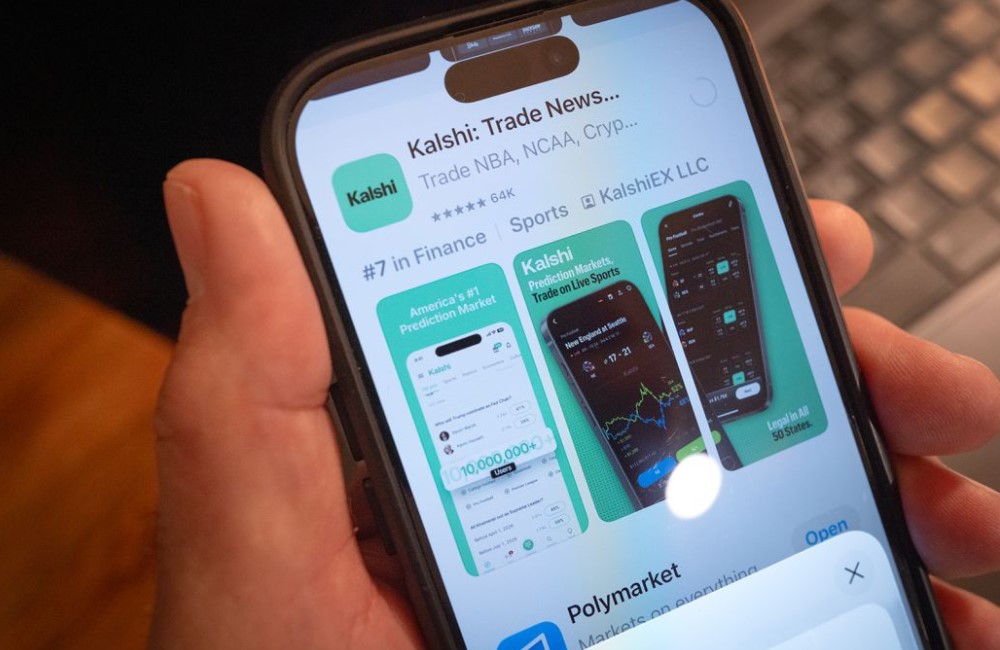
This state of affairs has taken another twist, as reported in a publication by The Times, which claims the FCA has been in discussions with prediction market platforms about potentially changing its approach. The talks reportedly come as more UK customers are turning to US based prediction markets, like Polymarket and Kalshi, and not through the legal channels. The demand for these products is high, even in the UK, which has a mature betting industry and countless legal betting operators and exchanges.
The FCA’s argument is clear: if British consumers are going to use prediction markets anyway, it may be safer to bring the activity into a regulated environment rather than force users towards overseas platforms. The FCA has not confirmed that it plans to lift the restrictions, but starting talks with the platform operators shows intent.
Prediction Markets in the UK Right Now
While prediction markets can squeeze themselves into the UK market through these intermediary licences, there are no classic US operators in the UK right now. Kalshi, Polymarket, Crypto.com, and Robinhood have made attempts to enter Europe, but none are legal in the UK right now. Instead, British consumers have access to the much older betting exchange platforms, which provides a broadly similar mechanism for trading positions against other users.
But then there is PredictStreet, the Gibraltar-licensed prediction market that made headlines for becoming the FIFA World Cup’s official prediction market partner despite launching a few months before it started. It does not hold a UK betting licence, but PredictStreet operates via partnerships on the regulated UK exchange, Matchbook, through which it can offer its markets to UK bettors.
This is a good example of a white-labelled prediction market partnership, and something that is also not uncommon in America.
US Prediction Market Licences
In the United States, the prediction market landscape is divided between operators that hold their own regulatory designations and consumer-facing brands that have just formed partnerships to provide prediction markets. It is quite complex, but basically, the only platforms allowed to provide prediction markets are the ones that are CFTC-regulated and hold DCM licences. But, a gambling brand could simply either acquire one of these companies, or partner up with them, and then integrate the prediction markets into its portfolio.
- Kalshi (KalshiEX): Direct
- Polymarket US (QCEX LLC): Direct
- Crypto.com (CDNA): Direct
- DraftKings (Railbird Exchange): Direct, after DraftKings acquired Railbird
- Novig (Ludlow Exchange LLC): Direct
- ProphetX (ProphetX LLC): Direct
- Interactive Brokers (ForecastEx): Direct
- Underdog (Aristotle Exchange): Direct, after acquiring Aristotle. Previously partnered with Crypto.com and Kalshi
- Fanatics (Crypto.com): Partnership
- FanDuel (CME Group): Partnership
- Robinhood (ForecastEx and Rothera): Partnership
Basically, an operator must obtain a Designated Contract Market (DCM) license from the CFTC. The DCM license effectively establishes the platform as a federally regulated financial exchange. And then, the company can form partnerships with gambling firms – with the DCM supplying the regulated contracts, while the gambling firm builds the customer-facing prediction market.
How the UK Prediction Market Legal Landscape can Go Forward
This US operational framework leads to many issues, primarily the one of states vs federal government – as the prediction markets can bypass state laws, state taxation, and the state minimum legal age requirements. Legal battles around this framework have been ongoing for over a year now.
But the UK has a completely different market setup.
There is no equivalent battle between federal and state regulators, and the Gambling Commission already has a nationwide framework for betting exchanges. The bigger question is therefore whether the UK will allow prediction markets to expand beyond the gambling framework and into financial markets, where the FCA would take over.
If the FCA does decide to change its current position, there are a few ways this could go. It could create a specific regulatory framework for prediction markets, allow certain financial event contracts under existing financial-market rules, or potentially establish a system where operators can offer different types of markets depending on which regulator oversees them. This could give companies such as Kalshi a route into the UK without forcing them to operate exactly like a traditional bookmaker or betting exchange. If the FCA eventually opens the door to financial prediction markets, the UK could become one of the first major European markets where the full US-style prediction market model is available legally.
But for now, this is all speculative. Prediction markets will have to face many regulatory hurdles if they are to achieve the same operational freedoms in the UK as they have in America, and then there will be challenges in winning over the already mature betting market. For now, British bettors are largely limited to the traditional betting exchange model, while the likes of Kalshi and Polymarket continue to operate outside the UK market.