Reviews
Particle Hearts Review (PlayStation 5, Xbox Series X|S & PC)


When a new indie game shows up, players usually expect familiar beats, combat, quests, and maybe some dialogue choices. Surprisingly, Particle Hearts doesn’t play by those rules. Instead, it drops players into a living world made entirely of particles, where every rock, creature, and even the air itself shifts and breathes. The main task is not only exploration but also bending the strange land to your will, solving puzzles, and surviving long enough to uncover your place in its story.
After spending hours wandering through glowing particle forests, testing the limits of your abilities, and sneaking past enemies, one thing becomes clear: Particle Hearts isn’t about rushing to the end. It’s about slowing down, paying attention, and letting the mystery unfold piece by piece. With that in mind, let’s dive deeper into what makes this indie adventure worth talking about.
The Story of the Particles

The story in Particle Hearts begins quietly. Players wake up in a strange land with no answers about who they are or why they’ve arrived. There’s no big opening cutscene or lengthy dialogue. Instead, the game asks players to learn by exploring. Scattered memories hidden in the world act like puzzle pieces, slowly revealing how the character is connected to this shifting place.
The tone of the story shifts as the game progresses. At times, the world feels almost peaceful, as if it’s gently guiding players toward something meaningful. Then, without warning, it can turn dark and unsettling. Enemies appear, and strange guardians seem determined to block the path. That constant shift keeps players guessing and makes every discovery a satisfying one.
One of the most interesting aspects is the role trust plays. Some creatures seem friendly at first, offering help or guidance, but later prove to have other motives. Others that look threatening might turn out to be less dangerous than they appear. This uncertainty creates a sense of tension in the world, causing players to second-guess every interaction.
The way the story unfolds feels unique. Instead of sitting through cutscenes, players piece together their own version of events. The more memories they uncover, the clearer things become, but some aspects remain open to interpretation. This works well in a world built out of fragments and particles; nothing is fixed, and meaning is discovered bit by bit.
Learning to Bend the World
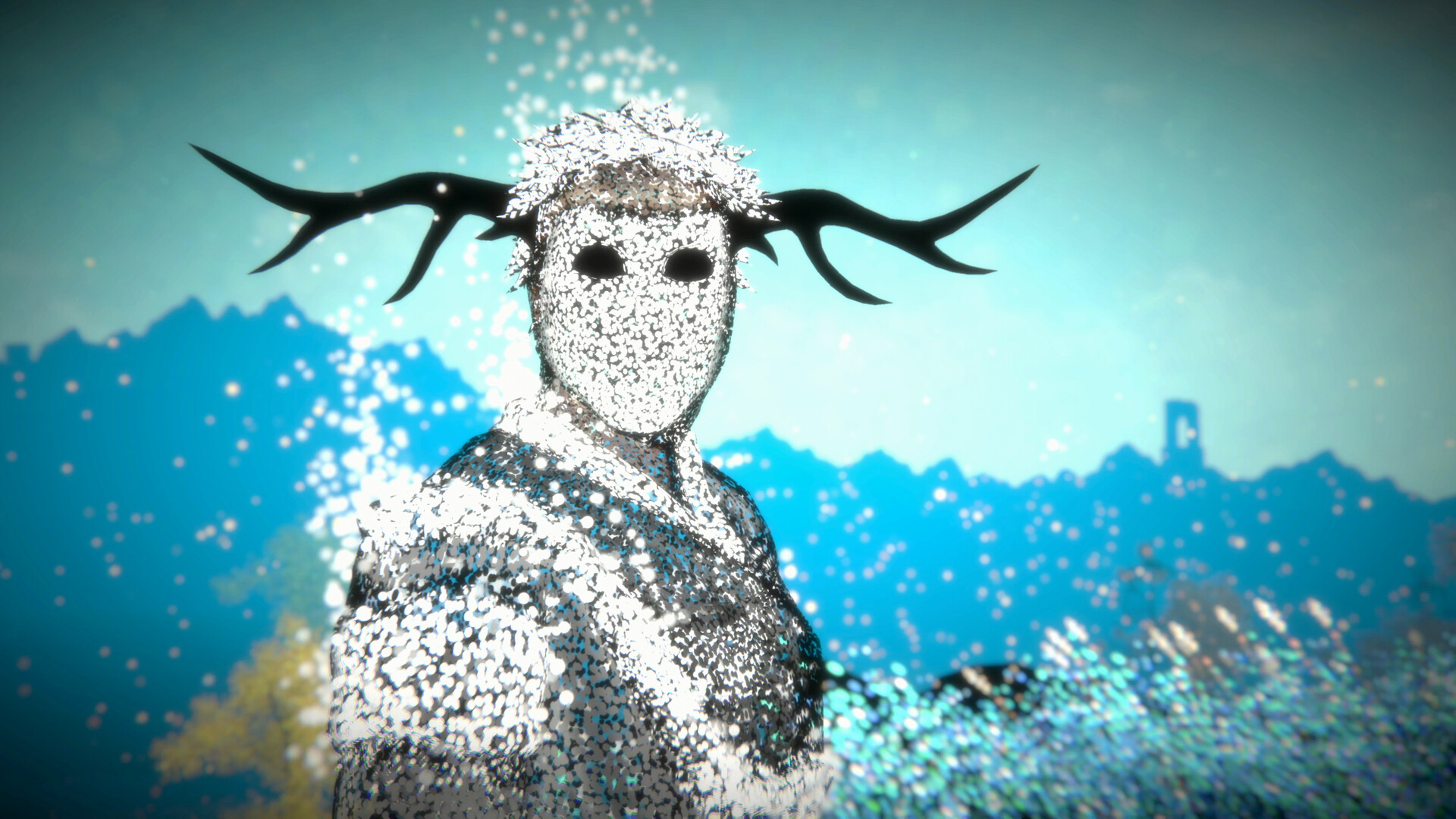
One of the most exciting aspects of Particle Hearts is that it allows you to shape the world around you. From the start, players are given abilities that seem small at first but gradually reveal surprising depth. You can scatter particles to clear blocked paths, pull them together to create bridges or shields, and eventually even phase through dense matter as if it isn’t there. Later abilities further open things up, allowing players to blend with the environment to hide from threats or redirect energy flows to revive dormant machinery.
The real joy comes from seeing how these powers overlap. Puzzles rarely have a single solution, and the world is designed to reward experimentation. A blocked passage might be solved by rerouting glowing particle flows to reactivate a dormant gate, while another moment might require slipping into disguise to bypass watchful guardians. Nothing feels rigid; the game gives room for players to try unusual approaches, and more often than not, their curiosity pays off.
Additionally, combat isn’t the center of attention, but it’s woven into these mechanics in smart ways. Instead of giving players heavy weapons, the game pushes you to outthink your opponents. You might scatter an enemy into loose fragments long enough to escape, collapse terrain beneath their feet, or trick them into chasing a particle decoy. It’s less about brute force and more about problem-solving under pressure. That shift makes encounters feel like puzzles themselves, keeping the focus on creativity and resourcefulness rather than button-mashing.
Now, by pushing players to solve problems with imagination rather than brute force, Particle Hearts keeps every encounter fresh. The result is an adventure game where exploration, survival, and even conflict feel tightly connected through the same particle-driven systems.
Puzzles
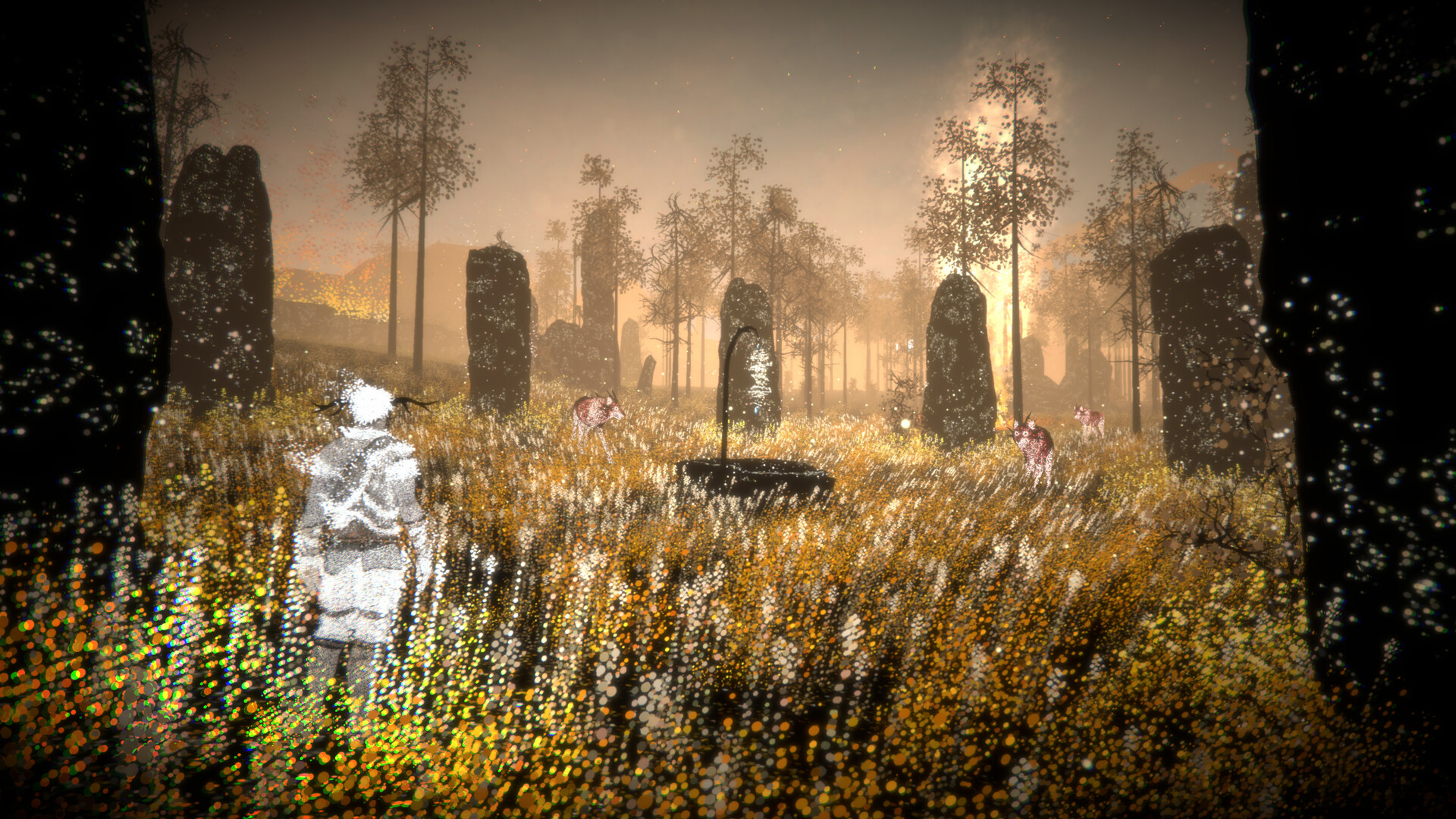
The puzzles in Particle Hearts aren’t traditional switch-flipping chores. Instead, they feel organic, growing out of the land itself. A blocked tunnel might look like just another wall until players realize the particles shift if heated or pushed apart. A broken bridge might be rebuilt by pulling fragments from nearby ruins.
Now, what makes these puzzles satisfying is how little this RPG holds the player’s hand. Clues are often hidden in the environment, patterns in the particles, glowing trails, or even in the way creatures behave. Sometimes an ally might give a hint, but more often it’s up to players to experiment. That “aha” moment when something clicks, like redirecting a stream of motes to unlock a gate, is what makes exploration so rewarding.
Additionally, the figment gates push this further by acting like puzzle dungeons. Inside them, players face platforming sections, moving hazards, and logic-based mechanics that force creative use of abilities. It feels like each one tests a new skill while also telling its own micro-story. By the time players return to the outside world, they feel stronger and more connected to the environment.
The Creatures
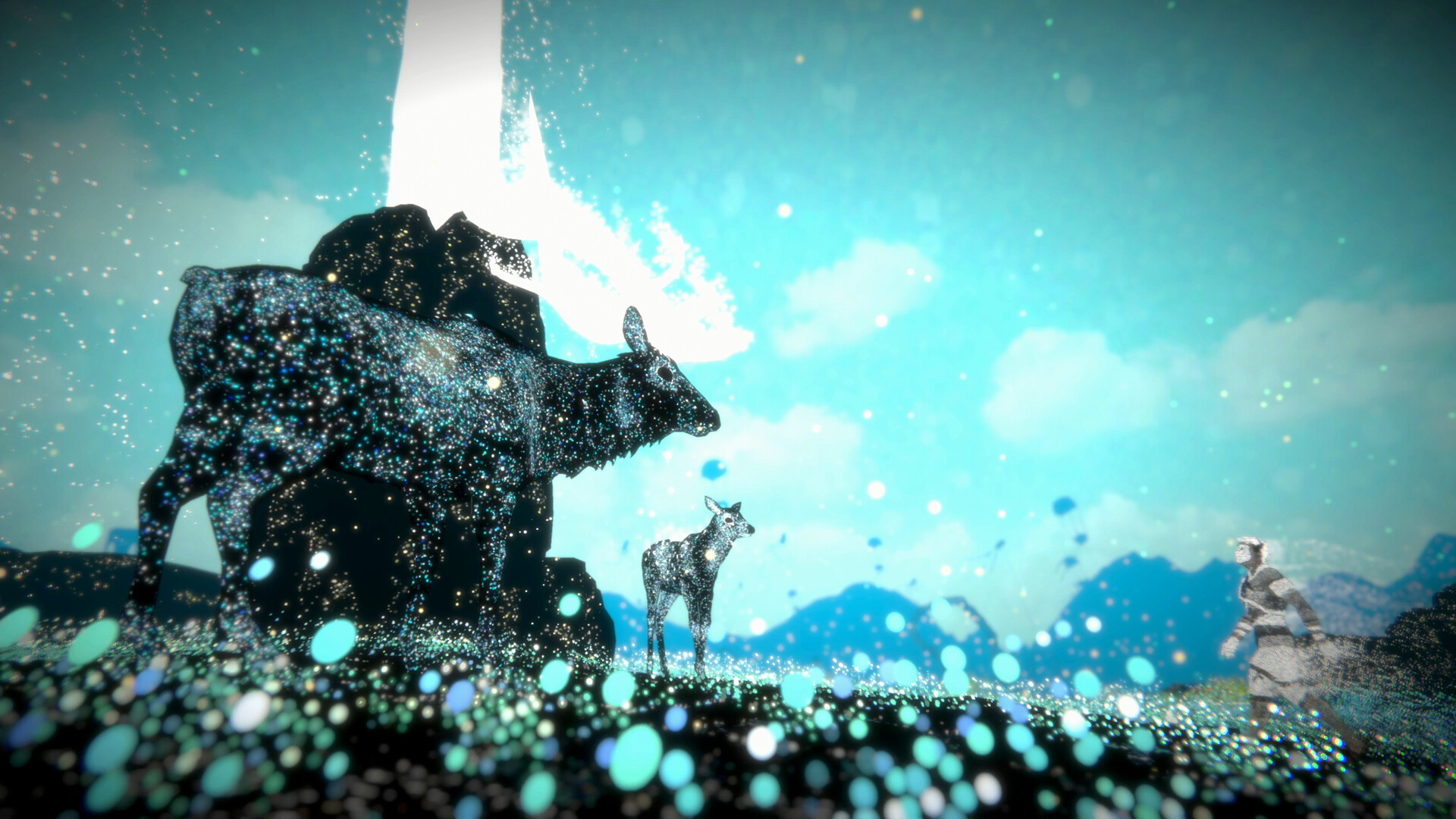
Scattered across the land in Particle Hearts are creatures that feel as if they’re made from the same particles as the environment. Some are small and friendly, guiding players toward secrets or helping with puzzles. Others act as obstacles, forcing players to be clever and careful when moving forward.
What makes these encounters special is the way the game avoids clear labels of “good” or “bad.” A glowing guardian might seem like a dangerous enemy when it blocks the path, but later it might feel more like a teacher, testing whether the player has learned how to use new abilities. On the other side, small companion creatures sometimes appear to help out, leading explorers to hidden memories or giving hints about where to go next.
This uncertainty makes every meeting feel amazing. Players never really know who they can trust, and that tension keeps exploration exciting. A friendly-looking creature might suddenly turn hostile, while a threatening figure could end up pointing the way to progress. Each new encounter feels like a piece of the story told without words, using action and behavior instead of cutscenes.
A World Made of Particles
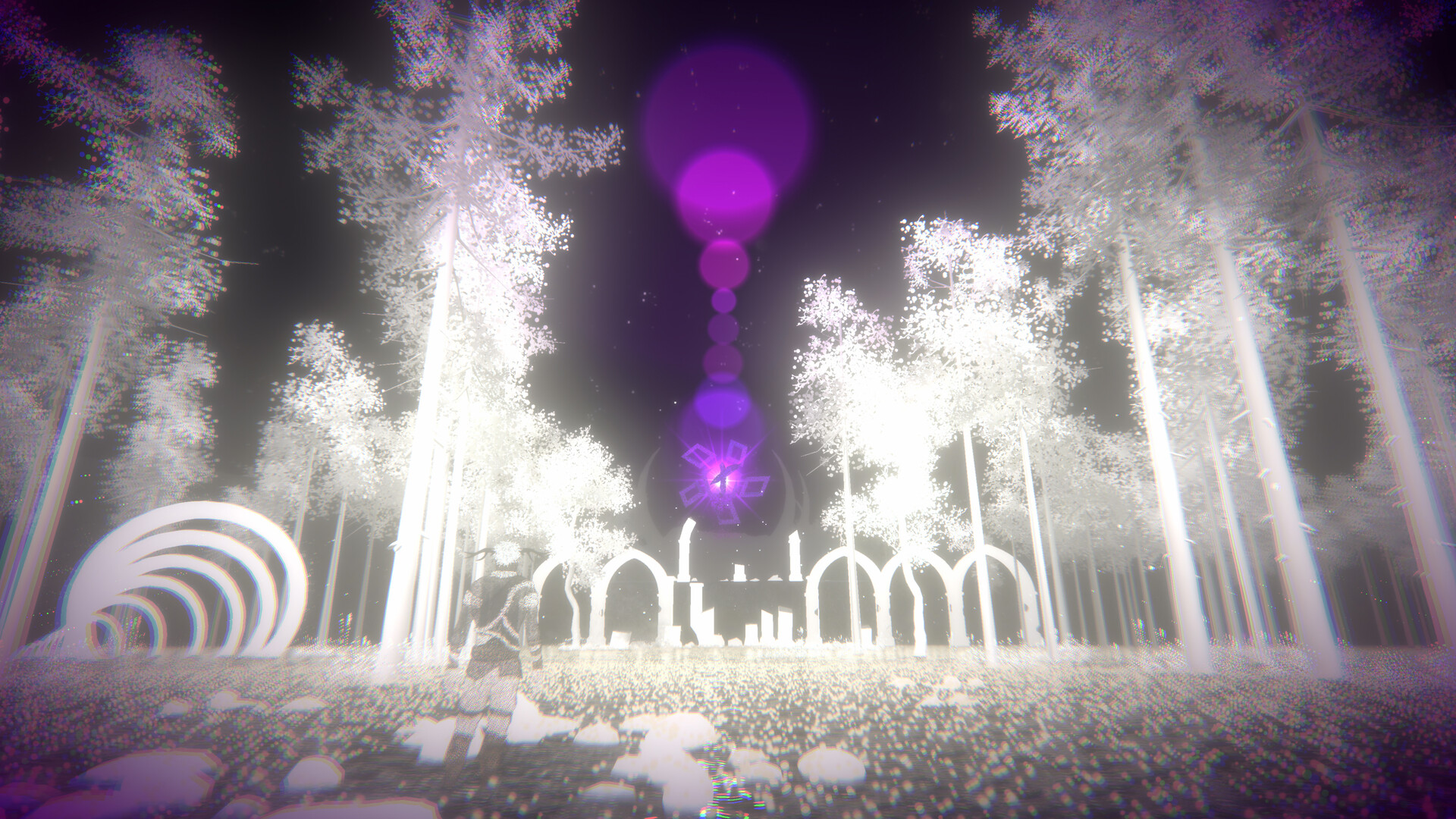
Particle Hearts looks and feels completely unique. Instead of solid rocks, trees, or walls, everything is built from tiny, moving fragments. Stand next to a stone and you’ll see little pieces drift away, as if the world is breathing. Walk into a forest, and glowing particles float around you like fireflies. Even enemies share this design, making them feel like natural extensions of the land, rather than outsiders.
This style does more than look pretty; it connects directly to how the game plays. Because everything is made of shifting matter, a wall that blocks you now might break apart later. A platform could collapse the moment you step on it. That constant sense of change keeps players on edge, reminding them that the world itself can’t always be trusted.
On the other hand, the sound design matches the visuals perfectly. Gentle music plays while exploring, giving a sense of calm, but it fades when danger appears. The particles themselves create their own kind of soundtrack. As they move and scatter, they make soft, crackling noises. It’s both soothing and a little eerie. Together, the visuals and audio make this exploration game more than scenery. They pull players into a living, shifting landscape.
Flaws
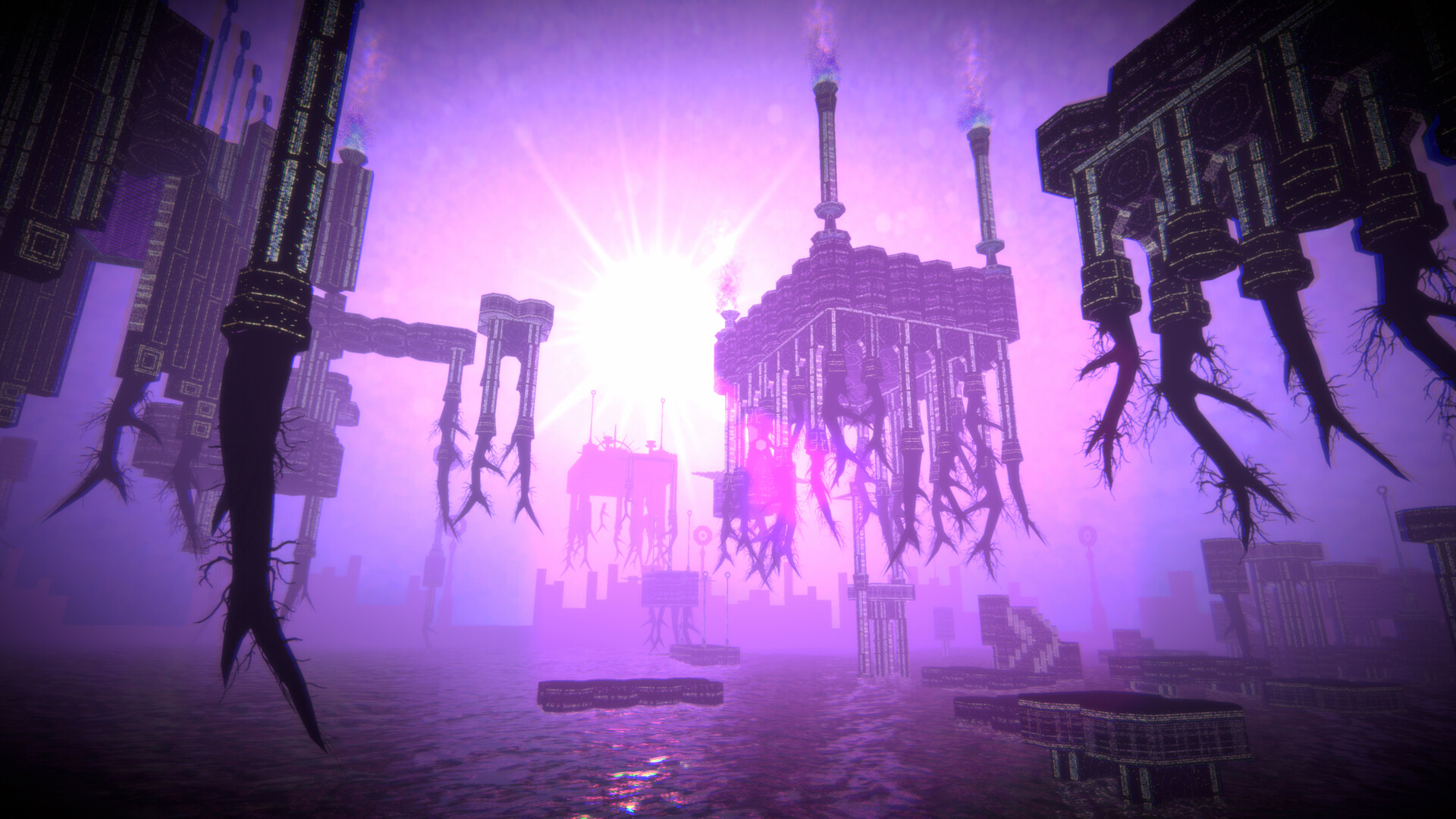
As striking as the particle world is, it isn’t always perfect. The same shifting fragments that make the game feel alive can sometimes get messy. Too many particles on screen can create visual noise, making it hard to see where to go or what exactly is happening. In puzzle sections, it’s easy to miss a small clue or pathway because it blends into the constant motion of the environment.
Performance can also take a hit. With so many moving pieces, certain areas slow down, breaking immersion at the worst times. Additionally, the constant sparkle and drift can become overwhelming during extended play sessions. These rough edges don’t ruin the experience, but they can diminish the gameplay.
Verdict
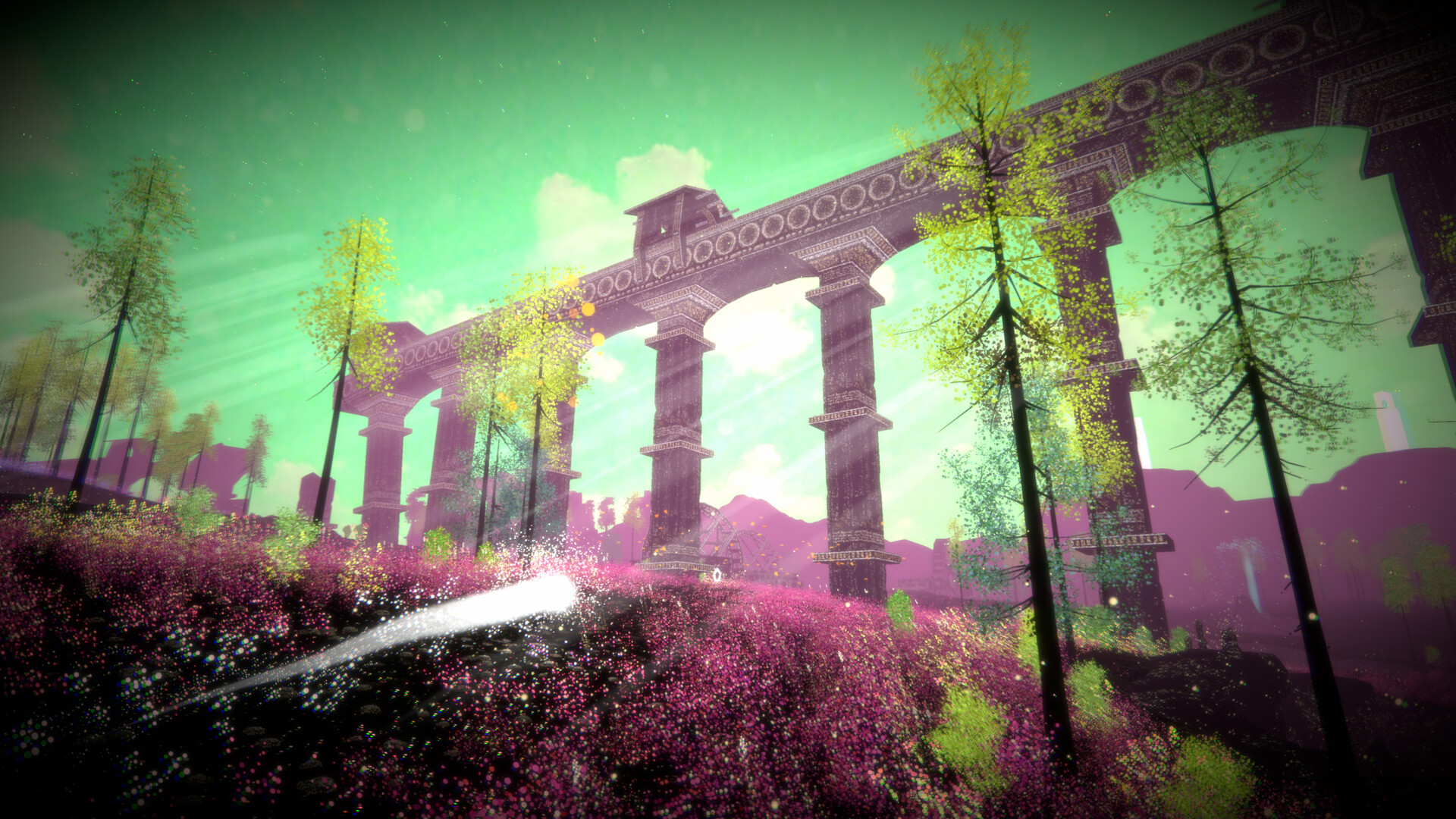
Particle Hearts is an adventure game that dares to be different. Its particle-based world feels alive, shifting and reshaping around the player in ways that make exploration and puzzles constantly engaging. The abilities encourage creativity, and the mysterious story leaves plenty of room for personal interpretation. It’s the kind of game that rewards curiosity, whether through clever puzzles, strange encounters, or hidden memories scattered across the world.
That said, the experience isn’t flawless. The particle-heavy visuals can sometimes overwhelm, and performance dips may test players’ patience. But these rough spots never fully overshadow the magic at the heart of the game. For players looking for something fresh, an adventure that mixes beauty with mystery, Particle Hearts is worth stepping into. It might not always shine perfectly, but even with its imperfections, it delivers a world unlike anything else.
Particle Hearts Review (PlayStation 5, Xbox Series X|S & PC)
An Adventure in Every Particle
Particle Hearts dares to do what few indie games attempt: build an entire adventure out of living particles and let players shape it as they go. Of course, the visuals can get chaotic, but the thrill of bending the world to your will and uncovering its secrets makes every moment worth it.