Licenses
NYC Council Probes Prediction Market Marketing to Minors

 Add Gaming.net to your preferred sources on Google
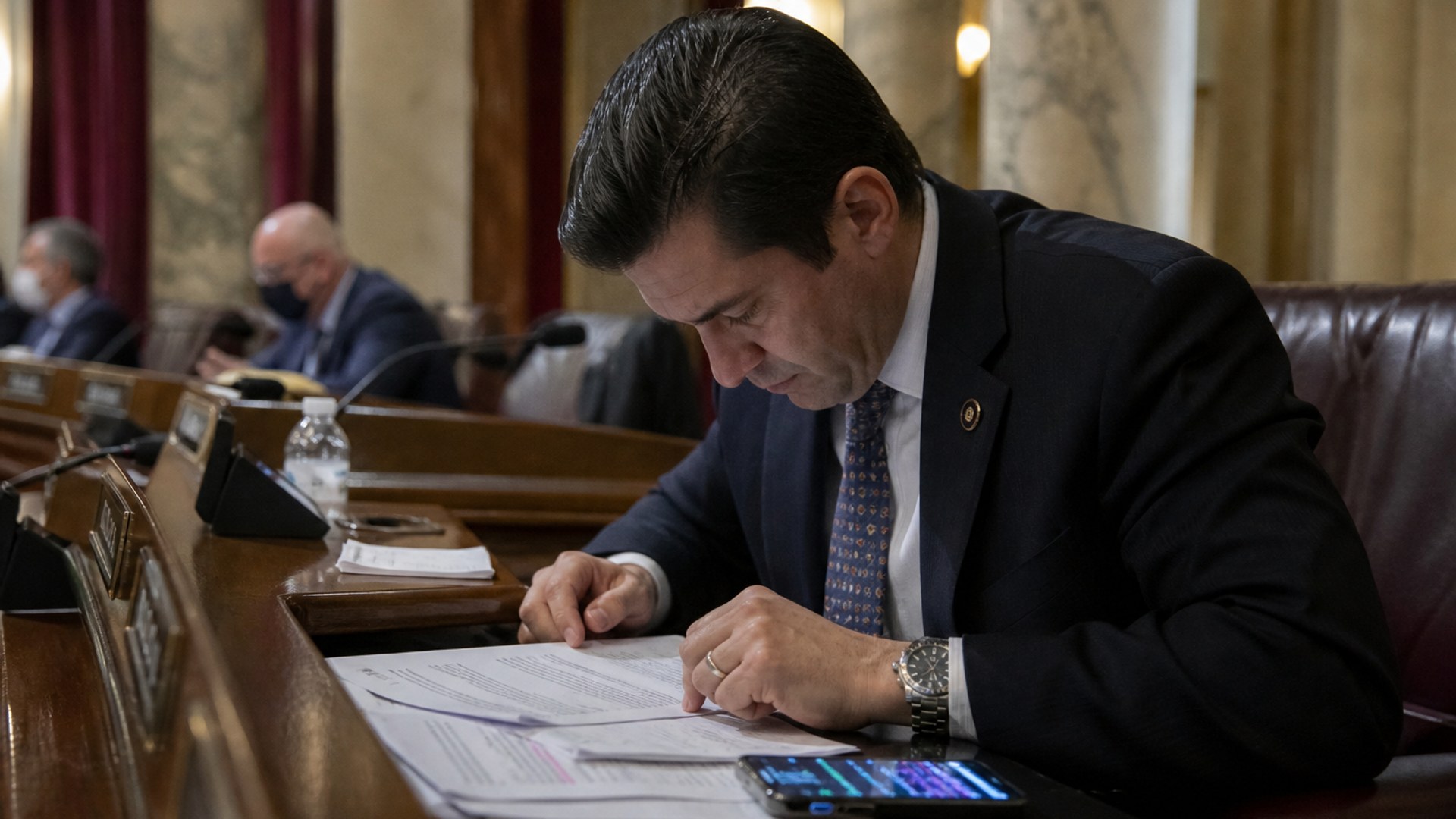
New York City Council Speaker Julie Menin has opened an investigation into the marketing practices of four prediction market platforms, sending letters on August 12, 2026 to Kalshi, Polymarket, Coinbase and Gemini Titan demanding detailed information about how they advertise to New Yorkers and whether their promotions reach minors.
The letters request information about the platforms’ marketing practices that reach New Yorkers, with particular concern for marketing directed toward young people. Kalshi is headquartered in New York City.
The inquiry, announced by the Council, centres on whether the platforms’ advertising complies with the city’s consumer protection laws. Its sharpest focus is Polymarket, which the Council says it will examine over allegations that the company used or allowed social media influencers to entice young adults into betting on event contracts through false and deceptive marketing. The tactics it lists include undisclosed influencer partnerships, videos depicting non-existent trades on websites designed to look like Polymarket, fictitious depictions of profitable wagers that would in reality have generated losses, and the promotion of insider trading.
Menin framed the probe as a consumer protection matter rather than a gambling regulation one, and pointed to her own record as the city’s former Commissioner of Consumer Affairs.
“Prediction markets aggressively entice consumers to bet and wager on sports, politics, culture, weather, and pretty much anything. We refuse to let New Yorkers, especially our young people, become collateral damage,” Menin said.
What the Council Can and Cannot Do
The City Council has no power to bring criminal charges and cannot itself licence or shut down a platform.
The Council has also said it is considering legislation authorizing increased enforcement, public education campaigns, health measures, and the raising or redirecting of public funds to address prediction markets, and it intends to hold a public hearing on the industry. One structural gap sits at the centre of the inquiry: the marketing restrictions and consumer protections that govern casinos and online sports betting in New York do not currently apply to prediction markets, a point the Council’s own release makes explicitly. Closing that gap is one of the options under examination.
The scale of the market under scrutiny is large. “Online prediction markets are surging in popularity, with some projecting $300 billion in volume on the platforms this year,” said Council Member Harvey Epstein, chair of the Committee on Consumer and Worker Protection.
A Separate Fight From the State’s Gambling Lawsuits
The Council probe lands on top of, but runs on a different track from, New York’s escalating legal campaign against the same industry. On July 31, 2026, Attorney General Letitia James and Governor Kathy Hochul sued Kalshi, alleging the platform operates an illegal, unlicensed gambling business in the state. James had sued Coinbase and Gemini in April 2026 on similar grounds. Kalshi argues its event contracts are federally regulated derivatives and that the Commodity Futures Trading Commission holds exclusive jurisdiction, a position that has already produced court fights in several states, including a federal ruling that froze Minnesota’s prediction market ban and Nevada’s move forcing Kalshi to geofence its sports markets.
That dispute escalated on August 11, 2026, the day before the Council acted, when the CFTC exercised emergency authority and ordered Kalshi to continue operating under federal commodity requirements despite the state’s effort to shut it down, Bloomberg Law reported. Kalshi and the CFTC have separately sued New York in federal court.
The Council’s inquiry sidesteps the question at the heart of those cases. Where the state lawsuits ask whether prediction markets are gambling at all, and the federal fight asks who gets to decide, the Council is asking a narrower question: whatever these platforms are, are their advertising practices lawful? Council Member Shekar Krishnan, chair of the Committee on Oversight and Investigations, put it bluntly in the release, accusing the platforms of “preying on young adults and minors with deceptive and sometimes outright false marketing tactics.”
The Council has said it plans to hold a public hearing on the industry.