Esports
CS2: 10 Map-Veto Decisions That Explain a Pro Series
Understand a professional CS2 map veto through ten decisions, including permanent bans, comfort picks, deciders and the importance of pool depth.

 Add Gaming.net to your preferred sources on Google
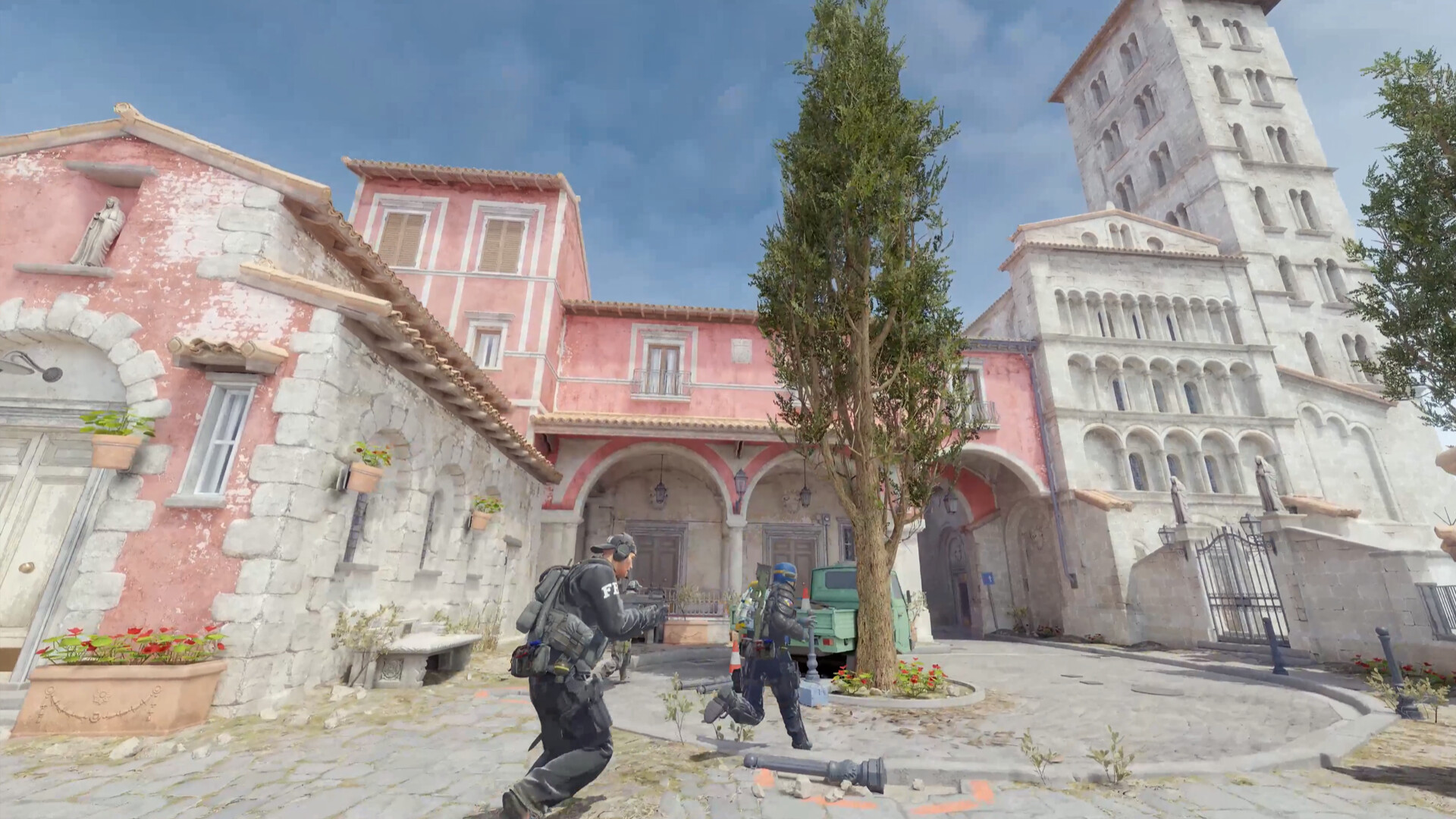
A team can lose access to its favorite map before anyone buys a pistol. CS2’s veto decides which parts of each roster’s preparation the series will test, and the final lineup of maps often tells you what both sides are hoping to avoid.
These ten decisions help you read that preparation alongside events such as PGL Masters Bucharest. Start with the permanent ban, the decider, and each team’s route through the series. The organizer’s current rules determine the actual veto order.
10. Read the Format Before the First Ban
A best-of-one puts everything onto the remaining map. A longer series asks a team to survive a wider selection, which changes what a sensible ban looks like.
Check the current pool and the organizer’s sequence of bans, picks, and side choices. There is no value in judging a team against a veto order this event does not use. The format tells you which alternatives were actually available.
9. Find the Map a Team Usually Removes
A permanent ban is the map a roster routinely excludes. That can reveal a deliberate practice decision: spend time becoming dangerous elsewhere and remove the part of the pool you do not want tested.
Watch what happens if the opponent bans it first. The usual removal is now available for another job, perhaps targeting a rival’s comfort map. A seemingly routine first ban can therefore change the options much later in the veto.
8. Ask Whether a Ban Attacks or Protects
Removing a rival’s best map and avoiding your own worst map can look identical on the broadcast. Compare the choice with both teams’ recent, relevant histories.
Suppose a roster leaves a statistically strong opponent map available. It may be protecting itself from something even less comfortable. The useful question is which alternative it chose to accept, rather than whether banning a strong map would have sounded reasonable on its own.
7. Look for the Purpose of a Comfort Pick
A team’s own pick should give its preparation a job. Look for familiar utility, clear roles, and approaches it can repeat under pressure. The map is useful because the roster knows how it wants to create advantages there.
Once play begins, watch whether that plan appears. Repeatedly testing one defense or securing a particular area can explain the pick more clearly than a raw win percentage. Comfort still has to become rounds on the scoreboard.
6. Notice What the Opponent Was Allowed to Pick
A veto is a compromise. Leaving a rival’s dangerous map open may be the price of keeping a worse option out of the series. Compare the whole set of maps each ban could have produced.
That perspective makes an uncomfortable opponent pick easier to understand. The team may be willing to play it because the rest of the series looks better. You are judging its route to enough map wins, not asking it to win every choice on the graphic.
5. Check Who Likes the Decider
The last remaining map is not automatically neutral. Neither team needs to pick it directly for one side to be happier when it survives the veto.
Trace the earlier removals and ask which alternatives disappeared. A roster might accept a difficult opponent pick because the decider suits it. If the series reaches that map, the preparation behind a quiet-looking ban can suddenly become the central story.
4. Put the Starting Side Into the Plan
Where the rules offer a side choice, consider how that start fits the roster’s approach. A team might want familiar defensive setups first or trust its attacking preparation to set the pace.
Avoid treating a general claim that a map favors one side as the whole explanation. Watch whether the team turns the preferred half into reliable rounds, then see what survives the switch. A comfortable opening still leaves another side to play.
3. Count Credible Maps After the Favorites Are Gone
One excellent map is a weapon an opponent can often remove. Several credible maps create a harder problem: banning one threat leaves another available.
Look at what remains after the expected bans. This is where pool depth becomes visible, especially across a longer series. A roster’s reputation on its signature map matters less when the veto asks whether its fourth option can carry an important match.
2. Read Map Statistics With the Roster Beside Them
A percentage needs context: the number of matches, the strength of the opponents, and the lineup that played them. A new player or a change of roles can make an old record less useful than it first appears.
Use the statistic to frame a question. Is the current roster still comfortable in those situations? Has its weaker map improved against credible opposition? That keeps the number useful without turning it into a permanent description of a changing team.
1. Describe How Each Team Expects to Win the Series
After the veto, give each team a simple route: secure its own pick, survive the opponent’s map, and trust the decider, for example. Keep it an interpretation of visible choices, rather than a claim to know the coach’s private plan.
Return to that reading as the match develops. Good execution can rescue an awkward selection, and mistakes can waste a sensible one. The veto helps explain the contest; the players still have to finish it.
After the veto, describe the plan you think each team has accepted. Watch whether its own pick supplies the expected wins and whether the decider starts looking more important. For more competitions worth following, our esports viewing recommendations is a useful next stop.