Best Of
7 Best Card Games With Story Campaigns
Discover seven card games with memorable story campaigns, from Thronebreaker and Black Book to Inscryption and The Killing Stone.

 Add Gaming.net to your preferred sources on Google
A good card battle can give you a satisfying puzzle. A good campaign gives you a reason to care about the next one. The games below connect their cards to characters, mysteries and decisions, making the story an important part of why you keep playing.
These seven recommendations cover traditional campaigns, narrative RPGs and story-led roguelites. Each offers a different balance of reading, exploration and tactical play, so the best starting point depends on the kind of adventure you want. The list is spoiler-light, especially where discovering the premise is part of the appeal.
7. SteamWorld Quest: Hand of Gilgamech
If you want a friendly way into the combination, SteamWorld Quest brings a party of aspiring heroes into a hand-drawn fantasy adventure. Its combat uses collectible punch-cards, giving the familiar idea of an RPG party a different tactical language. The setting mixes fantasy with SteamWorld’s mechanical cast.
Choose this for a campaign that makes room for humor and a sense of adventure alongside deck decisions. It is an appealing starting point if you like the idea of traveling with a group and gradually developing its options. The card system serves the party journey, giving you a reason to think about characters as well as individual attacks.
6. Griftlands
Griftlands follows Sal, Rook and Smith through separate character campaigns. Negotiation and combat have their own decks, while the people you help or oppose influence the situation around you. Its roguelite structure is important to understand before expecting a conventional, uninterrupted RPG journey.
The attraction is seeing social decisions and card decisions share the same space. A confrontation can begin as a question of persuasion before becoming a fight, and relationships give individual encounters context. Pick it if you enjoy a story that changes shape through repeated attempts and choices, with characters and factions giving those attempts a recognizable identity.
5. Library of Ruina
In Library of Ruina, the Library receives guests, and battles turn their stories into books. Cards and dice form the combat system, with opposing moves available to inspect as you decide how to respond. It is an unusual framework for connecting tactical encounters to a larger mystery.
This is a good direction if you want the setting itself to be something you gradually understand. Each invitation has a narrative purpose beyond filling the next slot in a battle list. Give the terminology and systems time to settle, and approach it as a substantial world to learn rather than a quick collection of isolated card puzzles.
4. The Killing Stone
The Killing Stone places its card battles inside a seventeenth-century occult story. You investigate a cursed family, explore a mansion between encounters and bargain with demons over the people you are trying to help. The full release arrived on October 21, 2026.
Its place here comes from the connection between a deal at the table and the person affected by it. Choose it when you want a card campaign with a strong sense of place and an unfolding mystery. Conversations and exploration are part of the attraction, so it suits an evening when you are happy to slow down between tactical decisions.
3. Black Book
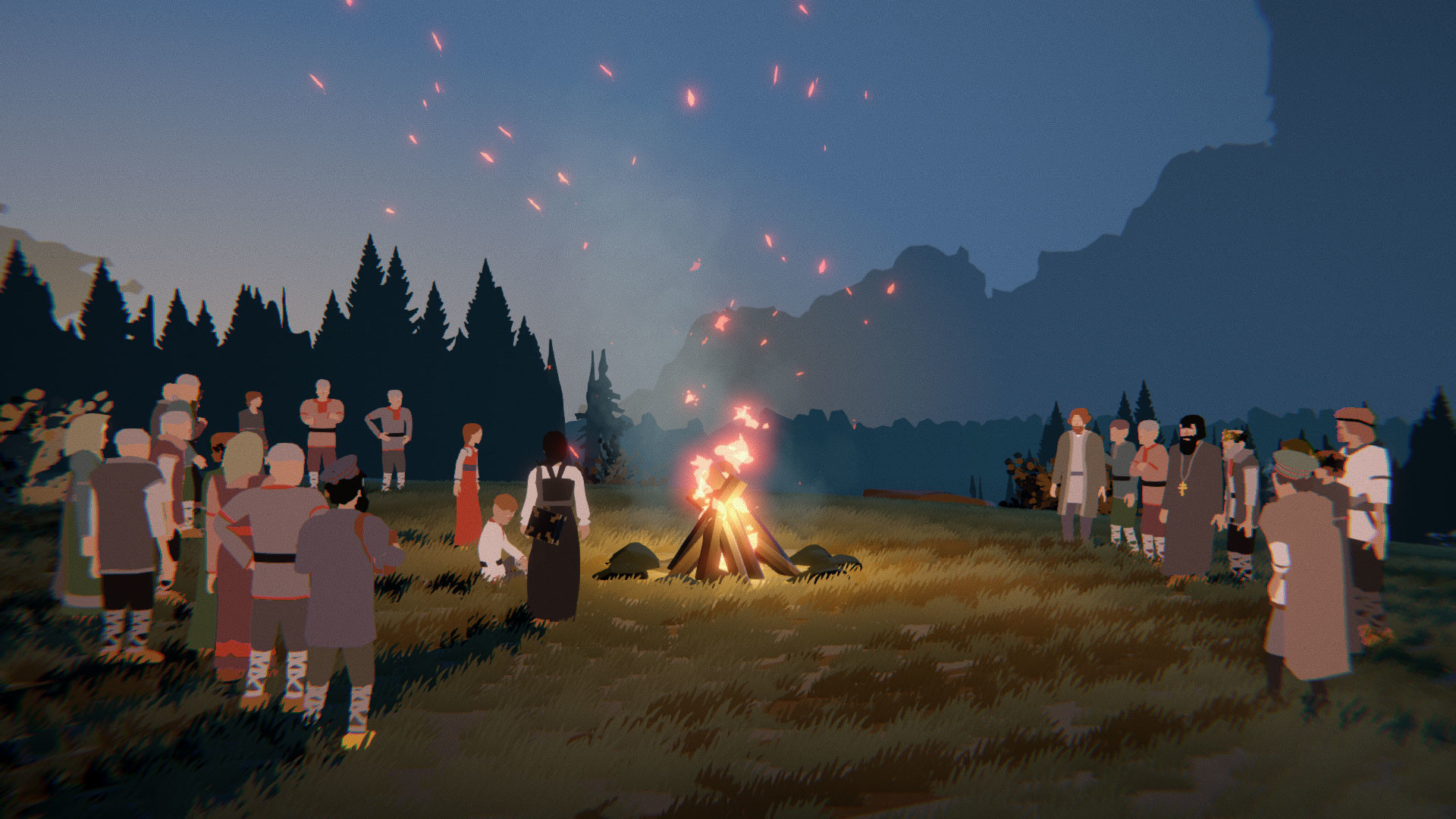
Black Book follows Vasilisa, a young woman drawn into witchcraft and a world shaped by Slavic folklore. Spell cards sit alongside countryside exploration, riddles and side quests. Learning about the setting gives the battles a context that extends beyond finding the strongest combination.
The recommendation is especially easy if folklore is what first catches your attention. You can follow a personal quest while encountering the people and supernatural beliefs around it. That gives the campaign a distinctive identity: the card encounters feel like part of the world Vasilisa is navigating, rather than a separate activity waiting behind each conversation.
2. Inscryption
Inscryption blends deckbuilding, escape-room puzzles and psychological horror. Its woodland cards and strange cabin provide a memorable starting point, but explaining much more would take away part of the reason to choose it. This is the entry on the list for which avoiding detailed walkthroughs is particularly worthwhile.
Pick it if you want curiosity to keep pulling you onward. Questions about the game around the card table become as important as the next move on it. Expect an unsettling presentation and be willing to investigate. If you mainly want a comfortable, predictable campaign structure, one of the more traditional RPG choices may be a better first stop.
1. Thronebreaker: The Witcher Tales
Thronebreaker is the clearest recommendation for someone who wants a substantial story-led RPG with card battles at its center. Queen Meve’s journey through war connects exploration, difficult choices and the army she assembles. Battles use a version of GWENT shaped around the campaign’s encounters.
Choose it for the feeling that the next conversation or decision matters as much as improving the deck. The cast and political situation give the fighting a reason to exist, while the card format changes how those conflicts play out. It is a natural starting point for an RPG reader who wants to try this combination without giving up the sense of following a larger adventure.
For a broader look at the genre, our deck-building games on PC list includes other approaches. If The Killing Stone is your next choice, our beginner mistakes guide explains its bargains and reserves.