Licenses
Utah Attorney General Sues Kalshi Over Alleged Illegal Gambling Operation

 Add Gaming.net to your preferred sources on Google
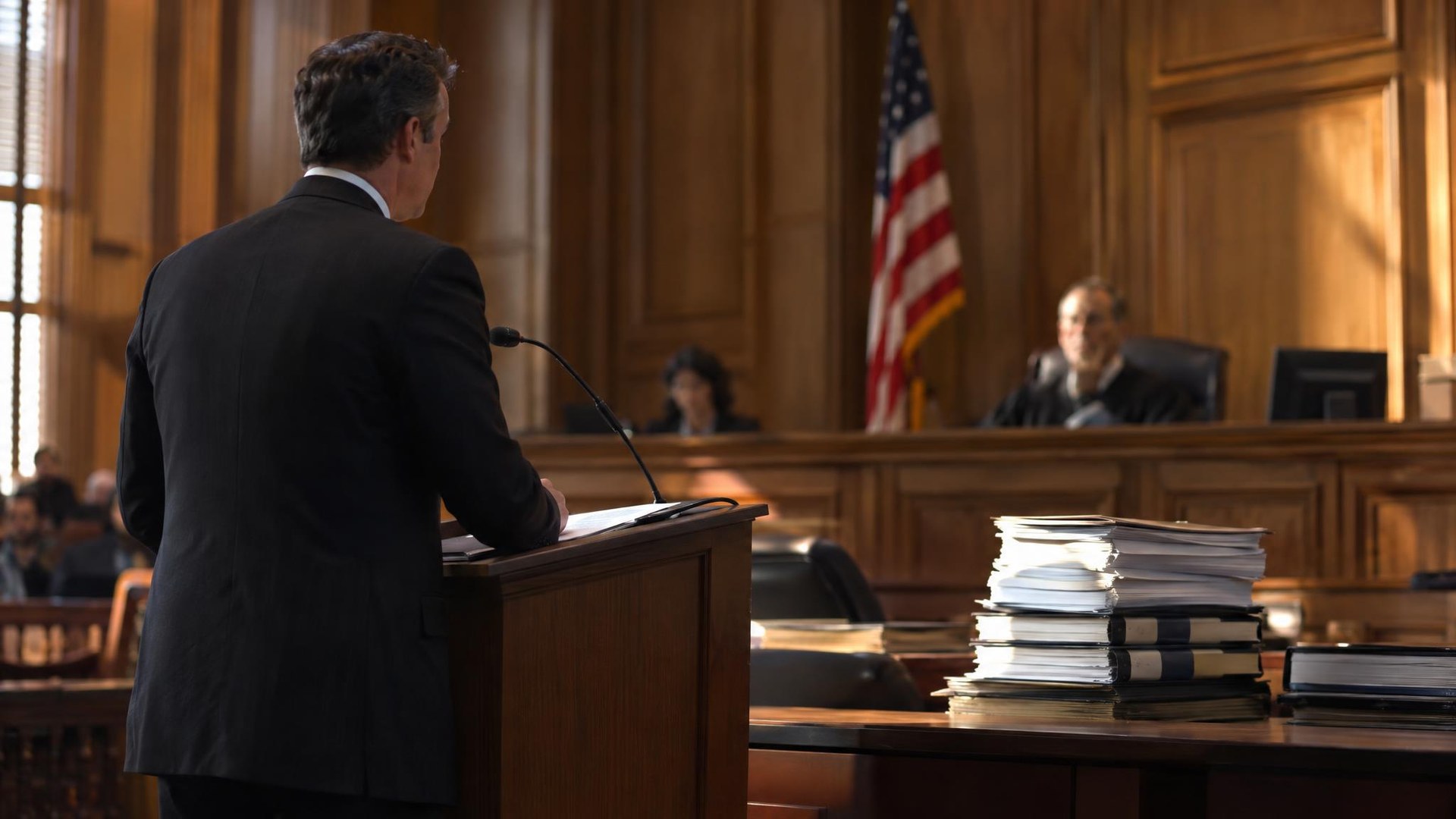
Utah Attorney General Derek Brown sued five Kalshi entities and two Susquehanna entities in Utah’s Third Judicial District Court in Salt Lake County on October 20, 2026, alleging they operate an illegal gambling enterprise taking wagers from Utah residents. In a Declaration of Public Nuisance bearing the same date, Brown determined that gambling in Utah is a public nuisance causing substantial ongoing harm.
The verified complaint and jury demand names Kalshi Inc., KalshiEX LLC, Kalshi Klear Inc., Kalshi Klear LLC and Kalshi Trading LLC, together with Susquehanna International Group LLP, Susquehanna Government Products LLLP and unidentified defendants listed as Does 1 through 100. Brown brought the action in his official capacity on behalf of the State of Utah and its people.
The complaint states the action is intended to halt the defendants’ alleged illegal conduct, pull back illegally obtained profits, and compensate the State and its citizens. It requests legal and equitable relief as well as an injunction ending all of the defendants’ alleged illegal gambling activity, and it states the monetary recovery sought exceeds $300,000, which makes the matter a Tier 3 case under Utah’s civil procedure rules.
The declaration was issued under a Utah statute that authorizes the Attorney General to sue on behalf of the State and of Utahns once he determines such a nuisance exists. Brown stated his office intends to bring such an action.
What the Complaint Alleges
The complaint alleges the defendants, collectively described as the Kalshi Enterprise, promoted Kalshi.com and the Kalshi app as an online sports betting platform through taglines that included “The First Nationwide Legal Sports Betting Platform” and “Sports Betting Legal in All 50 States on Kalshi.” It alleges the enterprise plays the same role as a traditional sportsbook: accepting and holding funds from bettors, paying out winnings, and retaining a portion of each bet as payment for its services.
Event contracts are structured as binary options, the complaint states, with bettors buying Yes or No positions priced from $0.01 to $0.99 and each contract settling at $1 for the correct outcome and $0 for the incorrect one. For most wagers, Kalshi charges a varying transaction fee of up to roughly 2 cents per contract.
According to the complaint, the platform launched in July 2021 with contracts on financial topics such as inflation and unemployment, added election wagers in 2024, launched sports wagers in January 2025 with a nationwide marketing campaign, and added Mentions wagers in November 2025. The complaint collectively labels the platform’s Election, Politics, Sports, Mentions and Culture categories “Illegal Wagers.”
Citing outside data sources, the complaint states that from June to August 2026 the enterprise facilitated approximately $500 million to $2 billion in wagers per day, and that more than $319 billion had been bet over the platform’s lifetime through October 19, 2026, including $219.8 billion on sports wagers.
The complaint recounts testimony from Kalshi’s Head of Markets in a February 25, 2026 court filing that 55,819 accounts had registered with a Utah address, of which 32,940 had fully completed sign-up, and that Utah-based accounts had entered into more than five million wagers, approximately 1.11 percent of open wagers on the platform.
Applying that share across the platform’s lifetime volume, the state estimates that more than 3,059,160,000 Illegal Wagers were placed by Utah accounts as of October 19, 2026. At fees of $0.01 to $0.02 per wager, the complaint estimates Kalshi collected between $30,591,600 and $61,183,200 in fees on those wagers as of that date.
The complaint also cites reports estimating that ordinary bettors lost $583.5 million on the platform from its 2021 launch through May 2026, and states that a proportional calculation would put economic losses of ordinary Utah bettors at approximately $5.5 million.
The Defendants, the Alleged Violations and Marketing in Utah
The complaint identifies Kalshi Inc. as the parent holding company, incorporated on November 15, 2018 by or under the direction of Tarek Mansour and Luana Lopes Lara. KalshiEX LLC operates the platform, the Kalshi Klear entities act as the clearinghouse that settles wagers and issues payouts, and Kalshi Trading LLC, formed on January 19, 2021, acts as an in-house market maker. The Susquehanna entities also serve as market makers, with Susquehanna Government Products LLLP becoming Kalshi’s first dedicated institutional market maker on or around April 3, 2024. On information and belief, the complaint alleges the Kalshi entities operate as a single integrated enterprise and share common officers and managers, including Mansour and Lopes Lara.
Utah’s constitution has since 1896 barred the legislature from authorizing any game of chance, lottery or gift enterprise, the complaint notes. It alleges violations of Utah criminal statutes covering participation in gambling, permitting gambling, gambling promotion, online gambling promotion, gambling fraud and fringe-gaming-device offenses, as well as a separate election-law provision over wagers made with Utah residents on the 2024 and 2026 primary and general elections.
The complaint alleges Kalshi advertised in ways accessible in Utah beginning in September 2024 with “Bet on the US election” campaigns, followed by a television ad aired during the NBA finals on June 13, 2025, in which Kalshi stated its bets were available anywhere in the United States, a May 14, 2026 online ad stating the platform was legal in all 50 states, and a June 3, 2026 television commercial featuring NBA player Giannis Antetokounmpo that aired in Utah.
Brown’s declaration states that national online gambling participation rose from 15 percent of adults in 2018 to 22 percent in 2024, and notes that one platform publicly reported more than 30,000 Utah account holders as of February 2026. It cites a 2026 Epic Research analysis that found diagnosed gambling disorder rose about 61 percent in states that legalized sports betting after the Supreme Court’s 2018 decision allowing states to do so, along with national estimates placing the annual social cost of disordered gambling at roughly $14 billion. The declaration states that no Utah law authorizes, licenses or approves that gambling activity.
The Earlier Federal Case
Kalshi sued Utah in February 2026, arguing that because it operates a federally registered exchange, Utah could not treat its sports bets as gambling. On August 4, 2026, U.S. District Judge Robert J. Shelby granted the State summary judgment, holding that federal commodities law does not override Utah’s power to ban gambling within its borders, and ordered the case closed, the Utah Attorney General’s office announced. The office said offering online gambling to anyone in Utah is a third-degree felony, and said twenty-three federally recognized tribes and gaming associations moved to support the State’s position in that case.
The state-court complaint alleges the defendants began offering gambling bets to Utah residents by at least September 2024 and continued doing so after the August 4, 2026 federal order rejecting KalshiEx’s argument that it is not bound by Utah law.